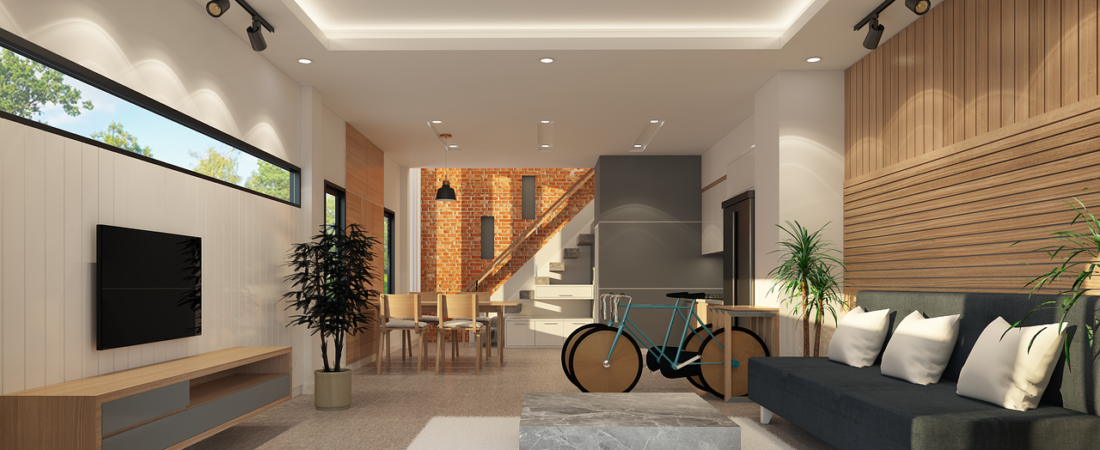
My neighbor renovated her kitchen back in January, following exactly what she’d seen in architecture photos: white countertop, white cabinets, white walls, cool white light. It turned out beautiful, and it also ended up looking like every other kitchen from every other renovation of the past decade. When I visited her place in July, though, the kitchen had already changed. She’d hung a crooked wooden shelf loaded with plants, swapped the cabinet knobs for brass ones she picked up at a flea market, and painted the baseboards a deep green. “I couldn’t stand walking into a kitchen that looked like a showroom anymore,” she told me, laughing about how fast she’d undone her own renovation. That frustration is the backdrop for home decor in 2026: after years of houses designed to photograph well, the pendulum is swinging back toward houses designed to actually live in, with color, texture, imperfection, and a personality you can spot from across the room.
Homes That Tell a Story, Not Homes Faking Perfection
The trend designers keep coming back to for 2026 isn’t a color or a material, it’s a shift in mindset. After the reign of Pinterest-perfect homes, with neutral walls and empty surfaces styled to sell fast, people got tired of living inside a stage set that was never really theirs. Designer Cody Brown of Bridges Brown Interiors summed up this shift in an interview with Apartment Therapy about the 2026 decor landscape: “The biggest shift we’re seeing in the second half of 2026 is homeowners moving away from spaces that feel staged in favor of homes that tell a personal story.”
In practice, that means family heirlooms on the shelf instead of books bought by the yard, artwork you actually love instead of the generic gallery-wall print, a worn-in throw on the sofa because your grandmother gave it to you and you can’t bring yourself to fold it away. It’s the opposite of cold minimalism. Designers have started calling this moment warm minimalism: fewer objects, but each one chosen with intention, with texture, wood, and warm color replacing stark white. It’s still an editing exercise, in other words, but the goal has flipped from removing anything that shows personality to keeping only the pieces that actually have some. If you’re renovating a room this year, the question isn’t does this match the neutral palette anymore, it’s does this feel like me.
Ceilings Take Center Stage: Color, Stripes, and a Little Boldness Overhead
For years the ceiling was the forgotten surface of the house, always white, always neutral, the last place anyone thought to invest a little effort or a little money. That’s changing fast. Among the trends Pinterest flagged for 2026 are striped ceilings, and Apartment Therapy has been tracking the same movement under the name bold ceilings: ceilings painted in saturated colors, often darker than the walls, or dressed in geometric patterns that frame the room like a picture hanging above your head.
The logic behind it is simple: in a room with light walls, a colored ceiling pulls the eye upward and makes the ceiling height feel more interesting without any structural work or costly renovation. It works especially well in small bedrooms, where painting the ceiling close to the wall color creates a cozy, cocooning effect, and in dining rooms, where a darker ceiling gives the whole space a candlelit feel even in broad daylight. If you’re not ready to commit to paint just yet, try a striped wallpaper on the ceiling alone. It’s a low-risk way to test the trend without repainting the entire room if you end up not loving the result.
A Kitchen With Personality: Wood, Mixed Metals, and Handmade Tile
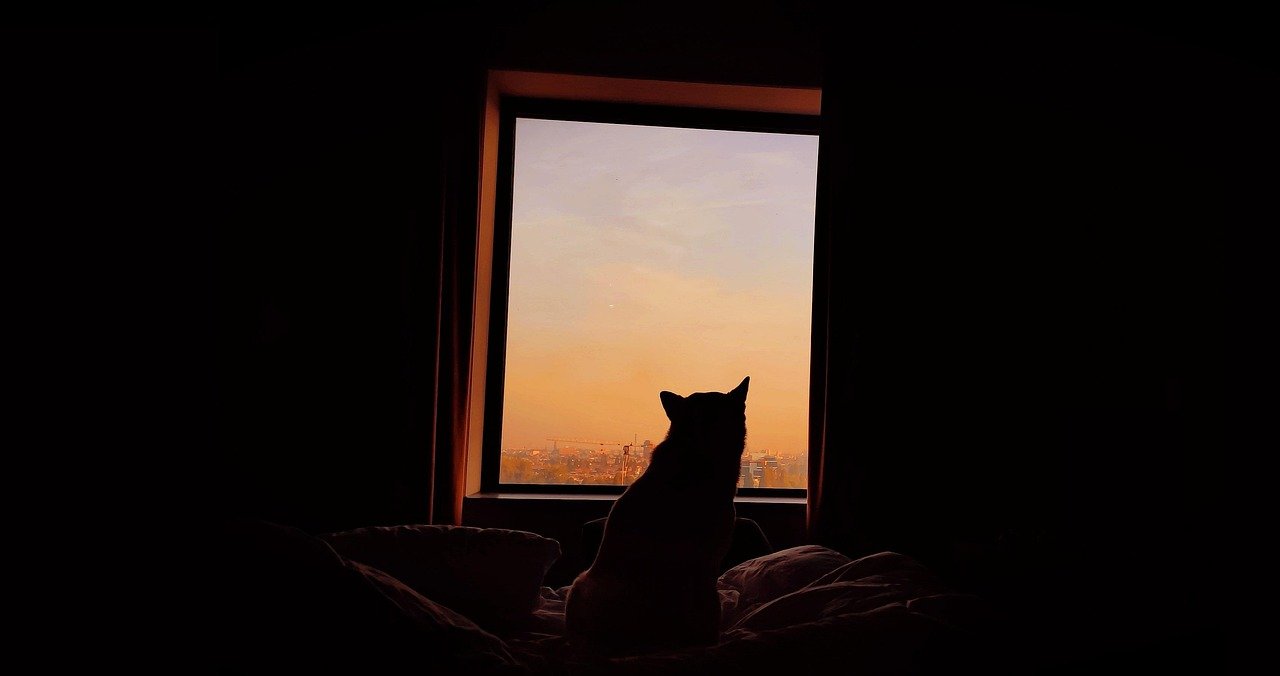
The all-white kitchen is steadily losing ground to kitchens with more warmth and more visual layers. Natural wood cabinets, especially white oak and walnut, are back in a big way, replacing the lacquered MDF that dominated the last decade of renovations. The idea is to let the wood grain show through, skip the mirror-glossy finish, and let the cabinetry age gracefully alongside the house instead of looking like plastic on day one and forever after.
Another clear sign of this more personal kitchen is mixed metals: instead of picking one single finish for the faucet, the hardware, and the light fixtures, designers are combining brass, brushed steel, and black iron in the same space, as long as there’s a clear logic tying them together. The fastest-growing finish in that mix is unlacquered brass, which starts out bright and golden and darkens naturally with use, developing a patina that ends up unique to every single home. It’s basically the opposite of the uniform, shiny chrome that dominated showroom-style renovations for so long, and it’s a big part of why this era’s kitchens look lived-in rather than staged the day the photographer leaves.
Then there’s handmade tile, especially in Delft style, that hand-painted blue-and-white pattern with Dutch roots, now showing up as a band behind the stove or as a countertop accent. Paired with bolder cabinet colors, this is part of what Apartment Therapy has been calling bold kitchens: kitchens that commit to a defined style instead of trying to please everyone with safe, forgettable neutral.
The Bathroom Becomes a Showpiece: Red Marble and Art Deco Flair
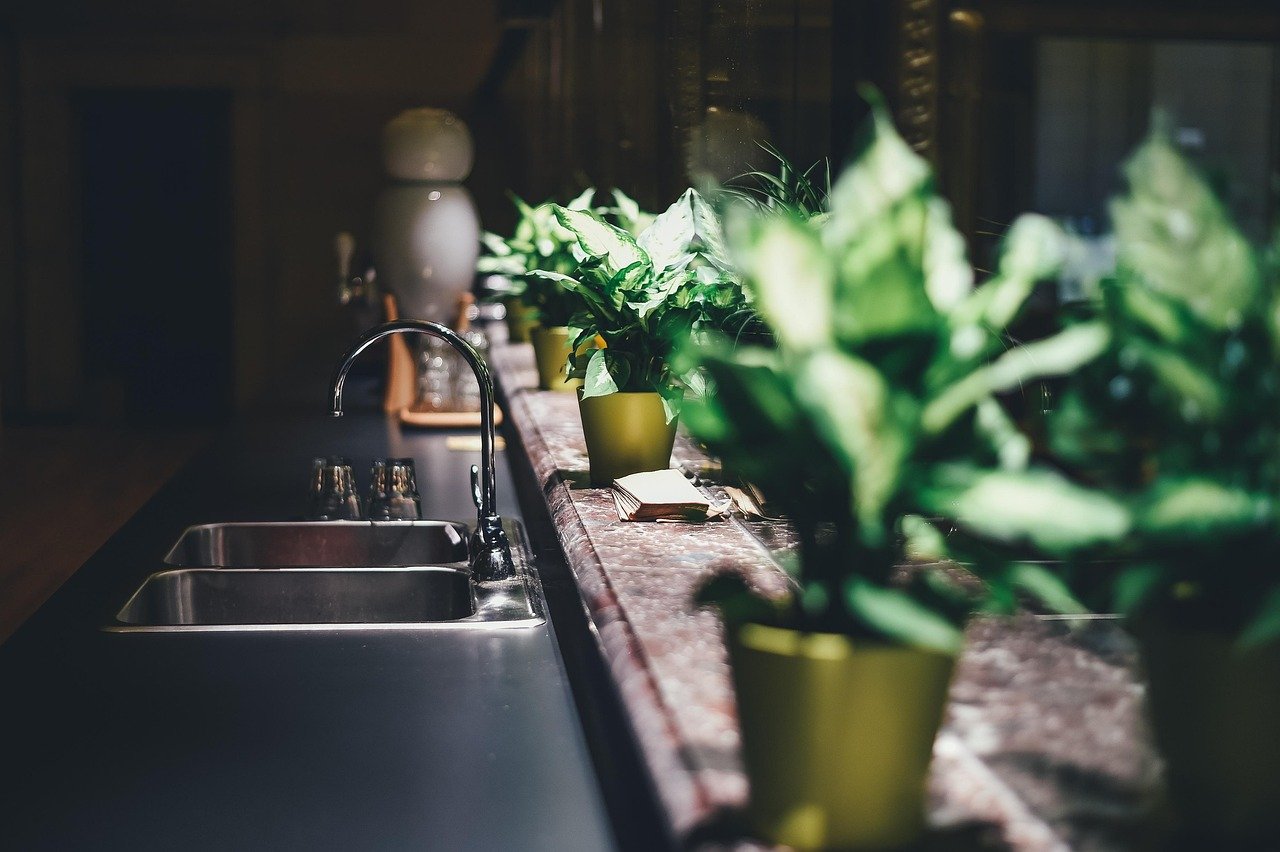
If the bathroom has long been the most neutral room in the house, white, gray, maybe a matte black at most, 2026 is finally bringing color there too. Pinterest named red marble one of the year’s breakout picks, used on countertops, shower enclosures, or even wrapping an entire shower wall for an almost theatrical effect. It tends to show up alongside warm-toned metals, brass or chrome, and geometric lines that nod to the Art Deco Revival: fan-framed mirrors, rounded and symmetrical light fixtures, hardware with sharp, clean angles.
Also worth noting: the return of pendant lighting in the bathroom, a fixture that had all but disappeared from this room in recent years and is now replacing the standard recessed can light. It’s usually hung in pairs, one on each side of the mirror, for softer, more even light on your face. It’s a small detail, but it completely changes the feel of the room, taking it from generic hotel bathroom to something that looks like an actual, intentional design choice.
Corners That Become Rituals: Reading Nooks and Alcoves
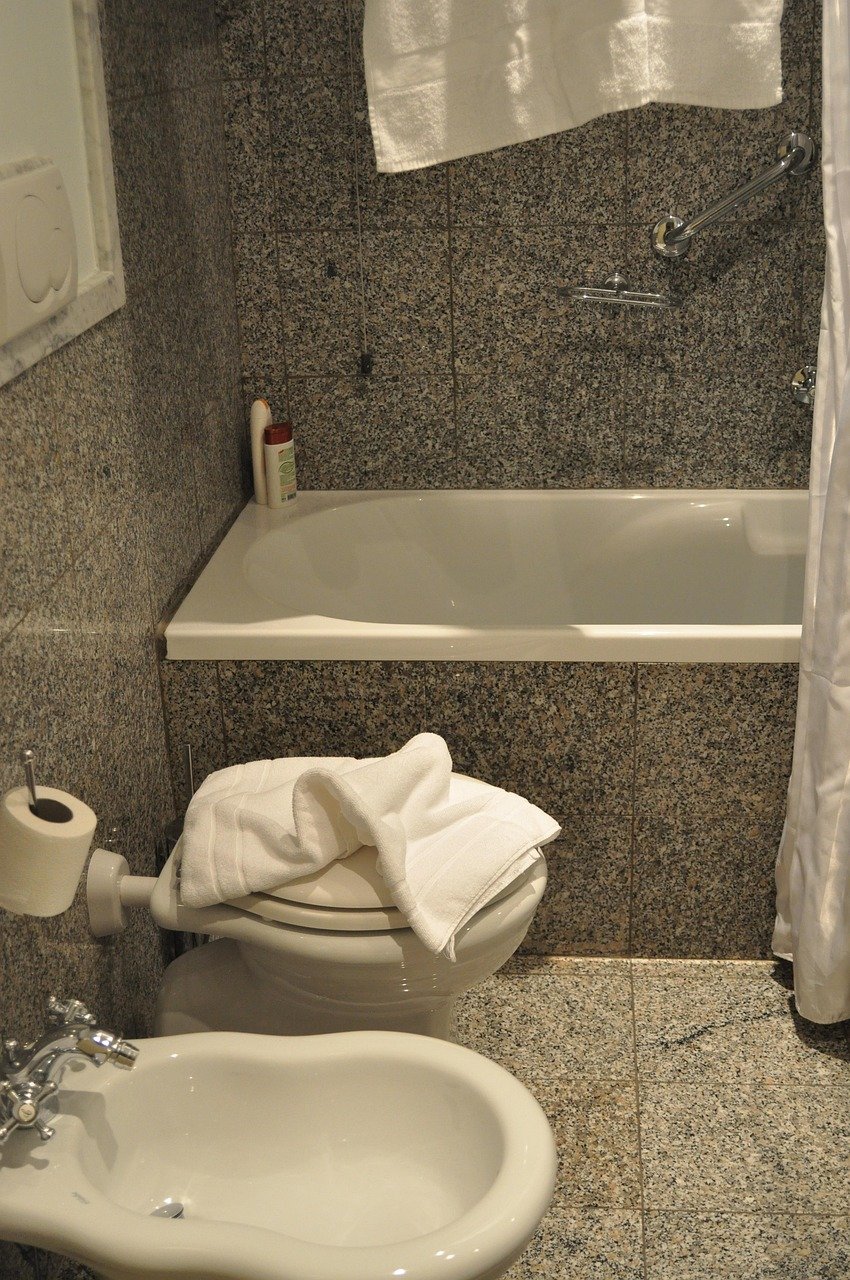
The last big shift for 2026 isn’t about color or material at all, it’s about how we use space. After years of prioritizing open floor plans and combined living areas, designers are bringing back small, defined corners inside the home: a reading nook tucked under the stairs, an upholstered window seat, a little spot set aside just for morning coffee. The idea is to give the house spaces with a clear, almost ritual purpose, instead of one big multipurpose room where nothing really has its own place.
This ties directly back to the shift in mindset from the start of this article: a home that tells a story needs places that reflect how the family actually lives, not just a generic open-concept living-kitchen layout copied from a floor plan. A reading nook doesn’t require a major renovation. Often it’s just a matter of making use of a dead corner, adding a built-in shelf, a good cushion, and a reading lamp, and the spot that used to go to waste becomes the favorite place in the whole house.
Where to Start
Of the six shifts covered in this article, not all of them call for the same investment. Painting the ceiling or carving out a reading nook costs very little and can be done in a single weekend; replacing kitchen cabinets or wrapping a bathroom in marble is a real renovation project, one to plan out carefully and budget for. If your home is still stuck in showroom mode and you want to feel the difference without spending much, start with the ceiling in a single room. It’s the cheapest change on this whole list, and the one that makes a space feel like someone actually thought about it, rather than copied it straight from a display home. The rest, the warmer wood, the aged metal, the little corner that’s just yours, can come gradually, as the house genuinely becomes yours instead of a borrowed backdrop.