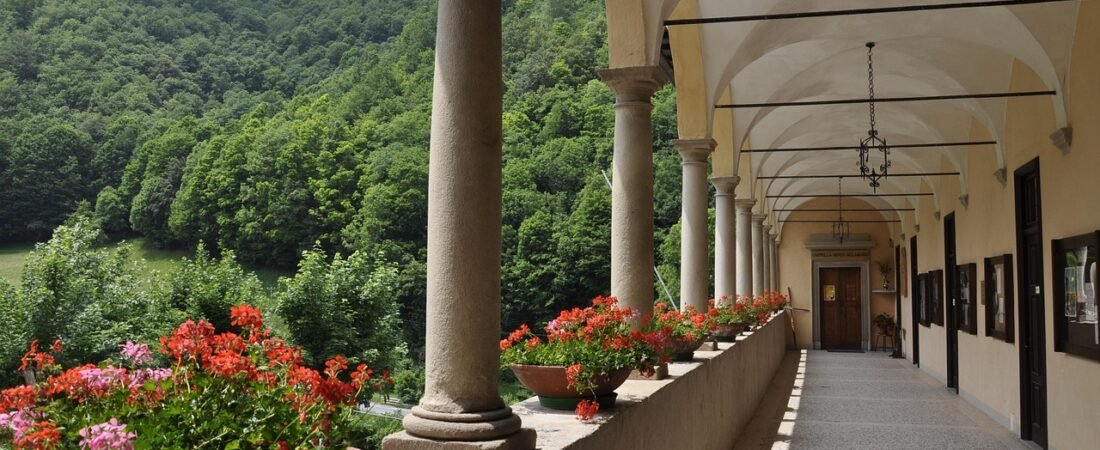
Every fall, my Pinterest feed does the same thing: somewhere between the first pumpkin spice post and the leaf-peeping photos, it fills up with soft, rose-draped porches, wicker chairs angled just so, and string lights glowing gold against a hedge. This year the look finally has a name. Landscapers and plant nurseries are calling it the Nancy Meyers garden, after the tidy, plant-stuffed, golden-lit backyards in movies like Something’s Gotta Give and It’s Complicated. It is not a passing meme. Monrovia Nursery, one of the country’s largest wholesale plant growers, put it at the top of its 2026 trend report after surveying more than 1,400 homeowners, and garden centers from coast to coast are already stocking the plants that make it work. As an Amazon Associate, I earn from qualifying purchases, so a few of the pieces below link out to exactly what I’d order to start pulling the look together this weekend. Here’s what actually goes into it, section by section.
What Exactly Is a “Nancy Meyers Garden”?
The name is doing a lot of work, so it helps to unpack it. Katie Tamony, chief marketing officer and trend spotter at Monrovia Nursery, described the look bluntly to AOL: it is “the landscape equivalent of a Nancy Meyers film.” Think a garden that photographs like a movie set but is still built for actual Tuesday-afternoon living — a place where the hedges are trimmed, the blooms are coordinated rather than clashing, and there is always somewhere comfortable to sit with a cup of coffee. Tamony’s team found that homeowners are increasingly matching plant colors across a yard the way they’d coordinate a room indoors, which is part of what gives these gardens their polished, almost staged-for-a-film quality without actually looking fussy or over-designed.
The Plant Palette: Roses, Hydrangeas and Cream Blooms
The plant list behind the trend is surprisingly approachable. Climbing roses (hardy in USDA zones 4 through 11) are doing the heavy lifting on arbors and fences, paired with hydrangeas in zones 3 through 9 and fluffy white peonies for that soft, overflowing look. Underneath, gardeners are filling gaps with lamb’s ear for its silvery texture, white primroses, and drifts of sage and lavender for scent as much as color. Sea thrift, hardy in zones 4 through 8, shows up as a low, mounding border plant that keeps beds looking finished without extra work. The color story leans heavily cream and white, which happens to line up with Pantone’s Cloud Dancer as its 2026 Color of the Year — a soft, warm white that shows up constantly in the trend’s porch cushions, planters, and even exterior trim.
Wicker Everything: The Texture That Sells the Look
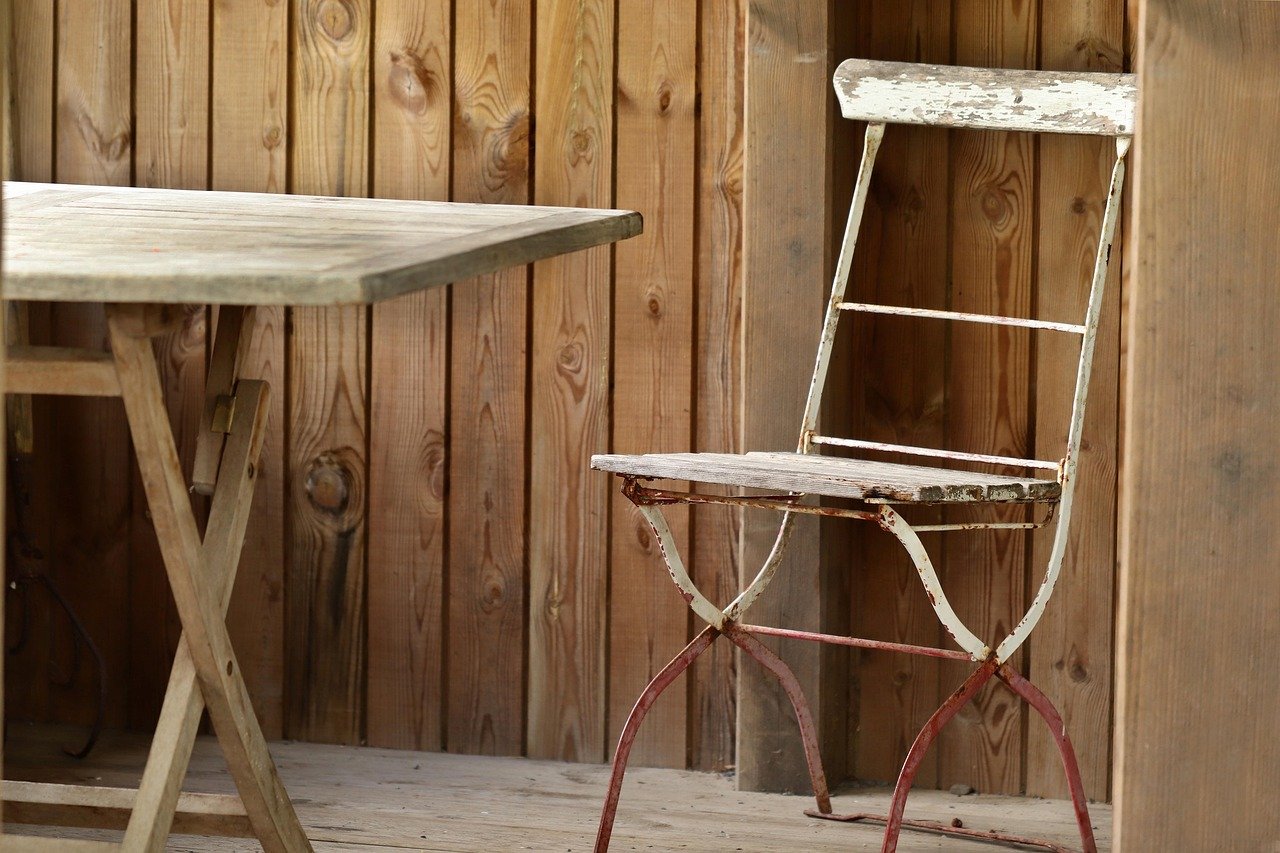
Ask anyone chasing this aesthetic what material matters most, and wicker comes up almost immediately. Chanelle, the content creator behind Countess in the Kitchen, has pointed to wicker furniture as essentially non-negotiable for nailing the Nancy Meyers feel — it is the texture that reads as warm and lived-in rather than showroom-new, whether it’s a pair of porch chairs or a woven planter box. If you’re shopping for a starting piece, a set of wicker outdoor patio furniture or even a single wicker planter basket for the porch steps does more for the look than most single purchases will.
Layered, Golden-Hour Lighting
Nothing sells the “movie garden” quality quite like the lighting, and that’s by design. Design expert Nina Lichtenstein, writing for Homes & Gardens, has emphasized that outdoor lighting is essential to achieving the Nancy Meyers film aesthetic — the warm, layered glow that makes a backyard look cinematic even on an ordinary evening. In practice, that means skipping a single bright floodlight in favor of several smaller, warmer sources: string lights threaded through an arbor, a few lanterns on a side table, and candles at dinner height. It’s a cheap trend to copy compared to most on this list — a strand of outdoor string lights and a couple of solar garden lanterns can transform a plain patio in one evening.
Trellises, Raised Beds and a Working Kitchen Corner
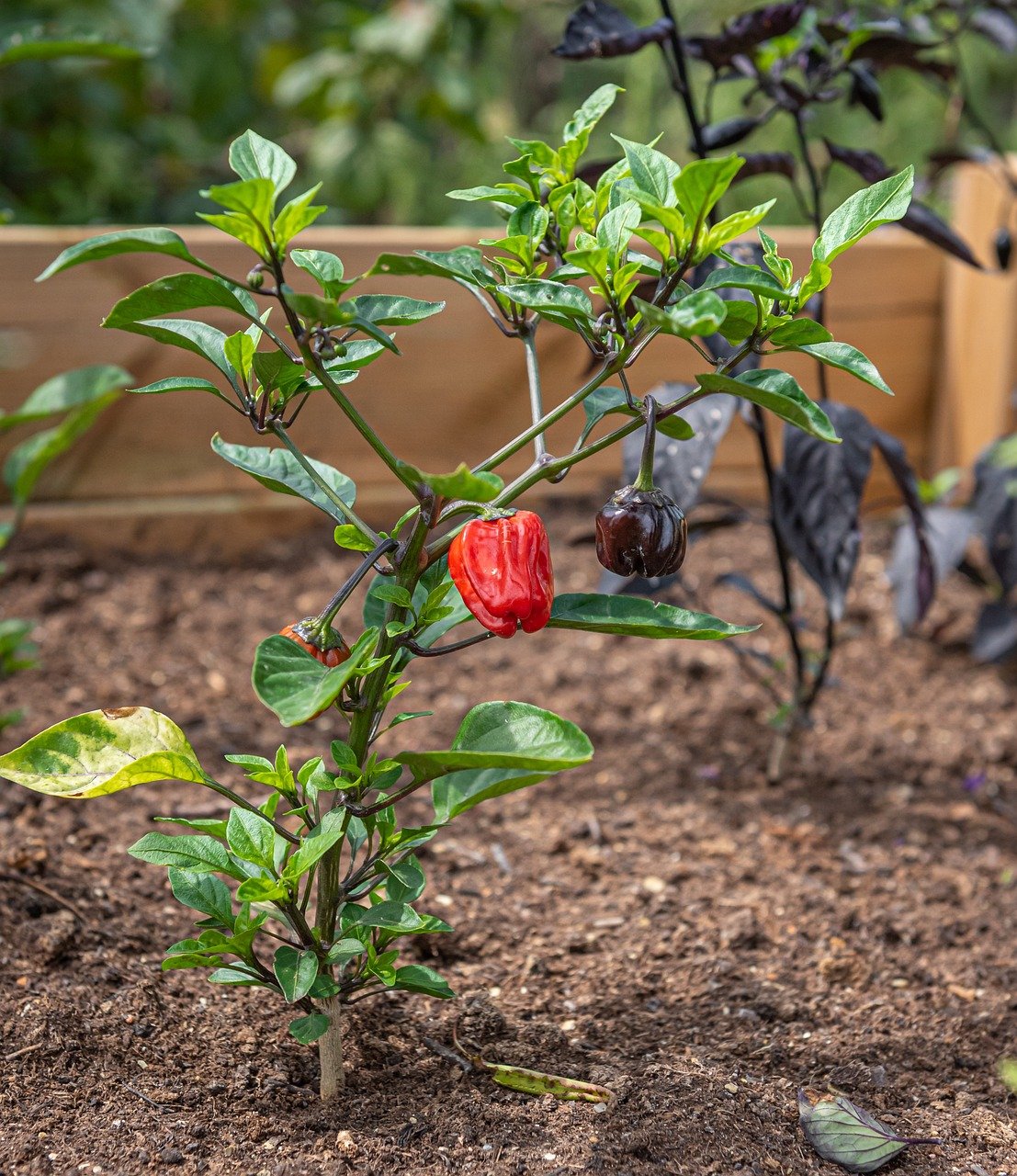
Part of what keeps this trend from feeling purely decorative is that it still makes room for growing food. Wooden pyramid trellises are showing up next to raised beds planted with tomatoes and companion herbs — practical, productive, and still photogenic once the vines climb in. This dovetails with what Monrovia calls its “Exquisite Edibles” trend for 2026, where home gardeners of every age group, but especially those in their 40s and 50s, are reaching for more sophisticated crops: columnar apple trees, ultra-compact blueberry shrubs, and espaliered peaches trained flat against a fence or wall. None of it needs a huge yard. A single cedar raised garden bed and a wooden pyramid trellis tucked near the patio door covers both the romance and the produce.
Moon Gardens for Fragrance After Dark
Fall evenings get dark early, and this trend leans into that instead of fighting it. Moon gardens — beds planted specifically with pale or white blooms that seem to glow at dusk — are part of the look’s after-dark side. Lamb’s ear, white primroses, and pale hydrangeas all do double duty here: they read as soft and romantic in daylight, then practically catch the last light once the sun drops. Pair that with a fragrant plant like lavender or sage near a seating area, and the payoff is a corner of the yard that’s genuinely pleasant to sit in after dinner, not just something to look at from a window.
How to Get the Look on a Small Patio
Not everyone has room for a rose-covered arbor, and the trend accounts for that too. Monrovia’s research points to a related shift it calls “Patio Culture,” where container gardening is doing the work a full yard used to do — Tamony noted there is “more interest than ever in gardening on decks and patios.” The container version of a Nancy Meyers garden leans on ferns, ornamental grasses, and broad-leafed evergreens for structure, then adds height and fragrance with climbing vines like jasmine or mandevilla trained up a small obelisk. A few well-chosen pots by the door, in cream ceramic or a wicker-wrapped planter, can carry most of the look without a single square foot of ground to plant in.
Why This Trend Has Staying Power This Fall
September and October are, not coincidentally, some of the best weeks of the year to actually plant the backbone of this look. Cooler air and still-warm soil make it prime season for putting in roses, hydrangeas, and perennials so their roots can establish before winter — meaning the gardeners starting now will have a head start on next spring’s version of this trend rather than scrambling to catch up in May. That combination of real horticultural timing and genuine design momentum, backed by a major nursery’s survey of over a thousand homeowners, is why this feels less like a fleeting aesthetic and more like the direction backyard design is actually headed this fall.
My neighbor still doesn’t know her porch has a name. She just knows that restringing those café lights every September, trimming the roses back into shape, and dragging the wicker chairs out of the garage makes her want to sit outside longer than she used to. That, more than any trend report, is probably the real reason this look is spreading from Pinterest board to Pinterest board this fall — it’s not really about the movies. It’s about building a backyard corner that’s worth walking outside for.