As an Amazon Associate, I earn from qualifying purchases.
For most of the last decade, “organized” meant “as empty as possible” — bare counters, identical bins, nothing on display. 2026’s organizing trends are a genuine reaction to that: less about owning as little as possible, and more about owning and organizing with purpose. Here’s what’s actually replacing the all-white, bins-everywhere look.
1. Intentional ownership over aggressive decluttering. Instead of the “does it spark joy” purge mentality, the focus has shifted to curating what you keep and organizing it well, rather than treating every possession as something to justify keeping. It’s a more forgiving, more sustainable way to think about a full house.
2. Digital wardrobe inventories. A growing number of people are photographing and cataloging their clothing — through apps or simple photo albums — to actually see what they own, track what they wear, and protect higher-value pieces from being forgotten in the back of a closet.
3. Discreet, concealed storage. Open shelving had its moment; 2026 is favoring storage that disappears — furniture with hidden compartments, storage ottomans, benches that open. The goal is a room that looks calm at a glance, with the actual organizing happening out of sight.
→ Shop a storage ottoman with hidden compartment on Amazon: View on Amazon →

4. Household infrastructure planning. Rather than organizing room by room reactively, more households are treating organization as a system — documented inventories, labeling protocols, and routines that get set up once and maintained, similar to how a small business would document a process.
→ Shop a label maker for organizing systems on Amazon: View on Amazon →

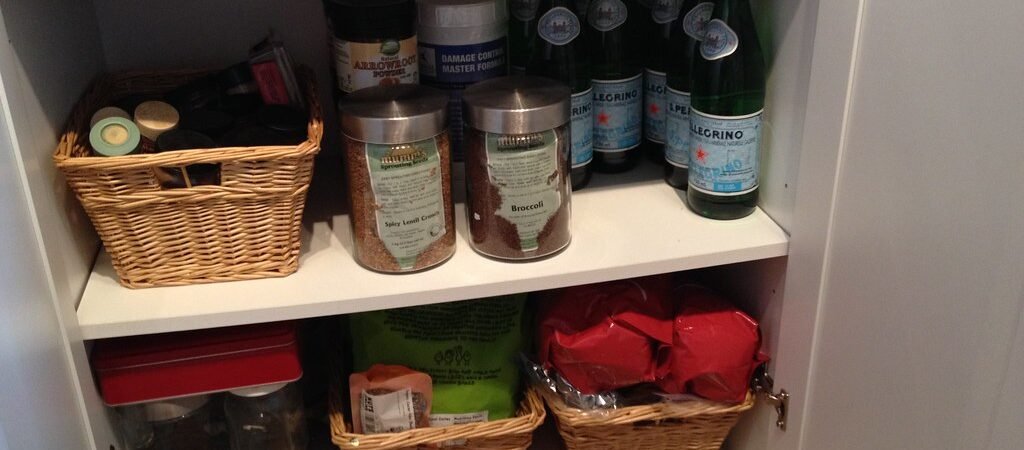
5. Natural materials replacing plastic. Bamboo, rattan, and seagrass bins are replacing the clear plastic and acrylic organizers that defined the last several years. They’re more durable, age better visually, and align with a broader shift toward buying storage that’s meant to last rather than be replaced.
→ Shop rattan and seagrass storage baskets on Amazon: View on Amazon →

6. Systems built around routines, not categories. Instead of organizing strictly by object type (all towels together, all cords together), more people are organizing by the actual routine a space supports — a “morning basket,” a “hosting shelf” — which tends to make the system easier to actually maintain day to day.
7. Organization as a wellness ritual. Maybe the biggest shift: tidying is increasingly framed as a stress-reduction practice rather than a chore to get through — a short, regular reset treated the same way people treat a short walk or a few minutes of quiet.
You don’t need to overhaul your whole system this month. Pick one high-traffic space — a closet, a pantry — swap the plastic bins for something natural-material and labeled, and let the rest follow once that one space is actually working for you.