As an Amazon Associate, I earn from qualifying purchases.
Gardening trend reports usually lean aspirational — more elaborate, more labor. This year is a genuine exception: several of 2026’s biggest garden trends are specifically about reducing water use, reducing maintenance, and making a backyard easier to keep alive, not harder. Here’s what’s actually worth trying.
1. Soil-first, regenerative planting. Instead of focusing purely on what’s planted, more gardeners are focusing first on soil health — building it up with compost and mulch before anything goes in the ground. Healthier soil means less watering, fewer pest problems, and plants that simply perform better with less intervention from you.
→ Shop a compost starter kit on Amazon: View on Amazon →

2. Smart, sensor-based irrigation. Watering systems that adjust automatically based on weather and soil moisture are becoming genuinely affordable, and the water savings are real — some reports put the reduction at 30 to 50 percent compared to a fixed schedule. For anyone who’s killed a plant by over- or under-watering, this removes the guesswork entirely.
→ Shop a smart irrigation controller on Amazon: View on Amazon →

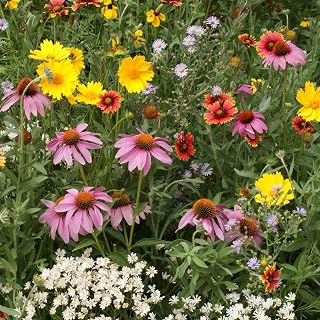
3. Climate-adaptable planting. Layering deep-rooted perennials and native grasses is showing up as the practical response to increasingly unpredictable weather — these plants tolerate both drought stretches and heavy rain far better than shallow-rooted annuals, meaning less replanting every season.
→ Shop native perennial wildflower seed mix on Amazon: View on Amazon →
4. Earth-Kind roses. Roses have a reputation for being fussy, but a newer category of disease-resistant, drought-tolerant varieties is changing that. They need less spraying, less watering, and less overall fuss than the roses most people picture — a good entry point if you’ve written off roses as too much work.
→ Shop Earth-Kind rose plants on Amazon: View on Amazon →

5. Geraniums making a comeback. Pelargoniums (commonly called geraniums) are having a real resurgence, largely because they check every low-maintenance box: long blooming, genuinely drought-tolerant, and mildly pest-repellent, all without special care.
→ Shop pelargonium geranium plants on Amazon: View on Amazon →

6. Experiential, sensory garden corners. Beyond plant choices, more backyards are carving out a small dedicated zone — a scented herb patch, a quiet seating nook — designed to be experienced, not just looked at from a window.
7. Plant propagation swaps. A genuinely social trend: neighbors and online groups trading cuttings and divisions instead of buying new plants. It’s free, it builds a garden with plants that are already proven to grow well locally, and it’s turned into a small community hobby in its own right.
If you’re starting from zero, the highest-leverage move on this list is soil first, then a basic smart watering setup — both pay off in every season after, not just this one.