
Last month, my homeowners insurance renewal notice showed a 19% jump from the year before. No claims, no new pool, nothing had changed except that my ZIP code got reclassified for wind risk. I called around for quotes, compared deductibles, and ended up doing something I never expected: pricing out a new roof, not because the old one leaked, but because a Class A fire- and wind-rated roof would knock hundreds of dollars off my premium every year. It turns out I’m far from alone. Across the country, homeowners are having the exact same conversation with their insurance agents, and it’s quietly changing what people spend money on before they ever think about paint colors or throw pillows. In 2026, the biggest home trend isn’t a color or a fabric. It’s insurance. Premiums are climbing faster than home values in some markets, and that shift is reshaping where Americans buy, what they renovate first, and how they think about the house they already own.
The Premium Shock: Why Insurance Now Drives Housing Decisions
The numbers behind that sticker shock are real and well documented. Average U.S. home insurance premiums rose 24% between 2021 and 2024, outpacing inflation by 11 percentage points over the same period, according to the Consumer Federation of America. And the pain isn’t letting up: insurer Kin’s Homeownership Trends Report found that 82% of homeowners expect their premiums to rise again in 2026, with 16% bracing for increases of more than 10%.
What’s new is how directly that cost is now shaping real decisions, not just budgets. In the same Kin survey, 49% of homeowners said insurance costs weigh “very heavily” or “seriously” on their purchasing decisions, and nearly a third (31%) said they aren’t confident they can maintain adequate coverage through 2026 at all. Insurance used to be a line item you dealt with once a year. Now it’s a factor people are researching before they ever put in an offer, right alongside school districts and commute times.
Americans Are Already Moving Away From the Riskiest Ground
That anxiety isn’t staying theoretical. According to Redfin’s 2026 climate migration analysis, which combines U.S. Census Bureau migration data with First Street’s flood-risk scores, counties with the highest flood risk saw a net outflow of 63,357 residents in 2025 — nearly double the 34,099 who left in 2024. Meanwhile, the lowest-risk counties gained a net 69,857 residents, their largest influx since 2018. Miami-Dade County alone lost a net 72,254 residents, and Harris County, Texas lost 43,377.
In a companion survey of people planning to move within 12 months, 16% cited “concern for natural disasters or climate risks” as a reason, making it the fourth most common motivation out of 29 options. Among people moving out of state specifically, that number jumped to 21%, the second most common reason cited. “Climate risk is becoming a more important factor when Americans weigh the costs and benefits of living in a certain place,” Redfin Chief Economist Daryl Fairweather said of the findings.
Home Hardening Becomes the New Curb Appeal
For homeowners who aren’t moving, the response has shifted from crossing fingers to retrofitting. In California, where wildfire risk has pushed some insurance premiums up 84% (45% after adjusting for inflation), lawmakers introduced 16 separate bills between 2023 and 2026 aimed at supporting “home hardening” — upgrades like ember-resistant vents, non-combustible siding, and fire-rated roofing, according to reporting from SPUR. The costs aren’t small: wildfire retrofits typically range from $2,000 to more than $100,000 depending on scope, per Headwaters Economics research cited in the same report, and a Class A fire-rated roof alone averages around $6,300 for a 1,000-square-foot home.
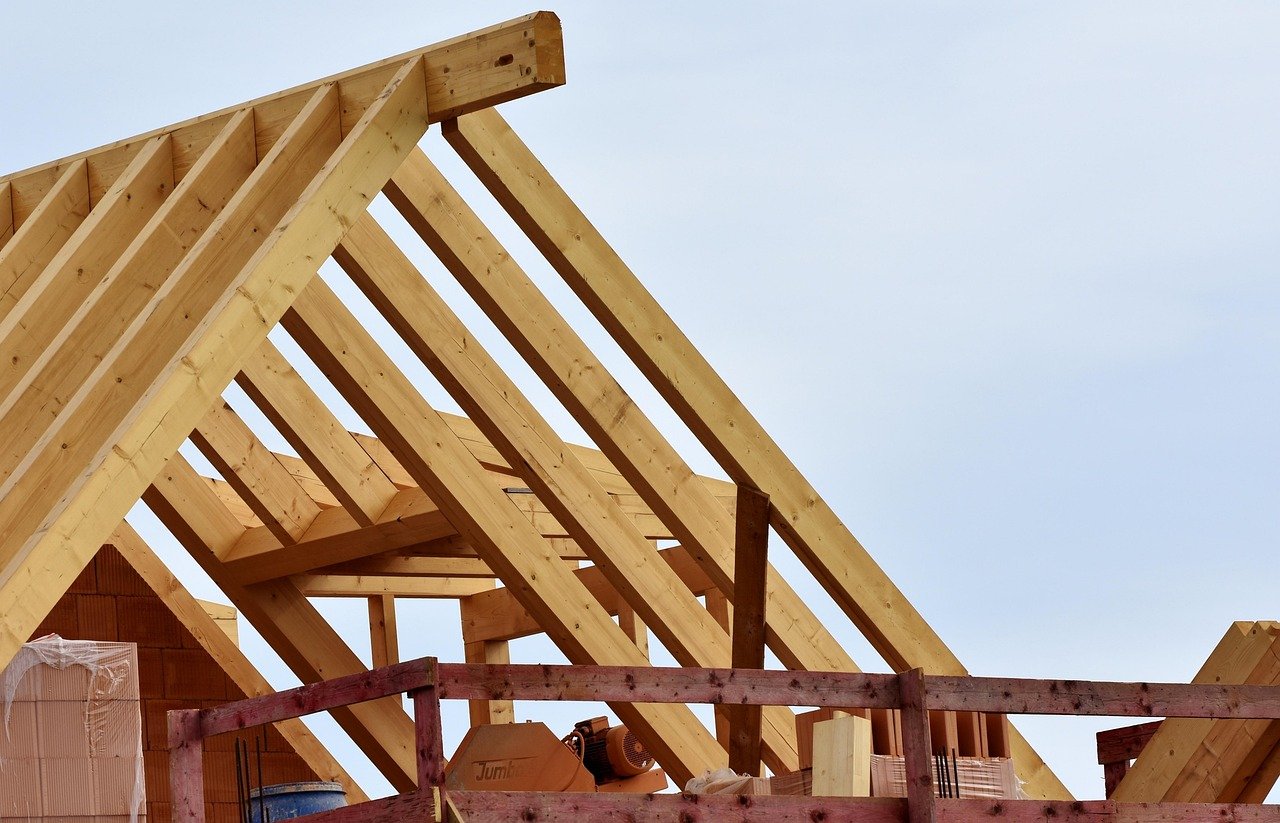
But homeowners are making that bet for a reason. A 2025 UC Berkeley study found that home hardening can reduce wildfire losses by roughly 50% when enough homes in a neighborhood do it together — a statistic that’s turning fire-resistant landscaping and reinforced roofs into as much of a status signal in some markets as a renovated kitchen used to be. It’s a shift from decorating for how a house looks to building for how it survives.
Building for the Storm, Not Just the Photo Shoot
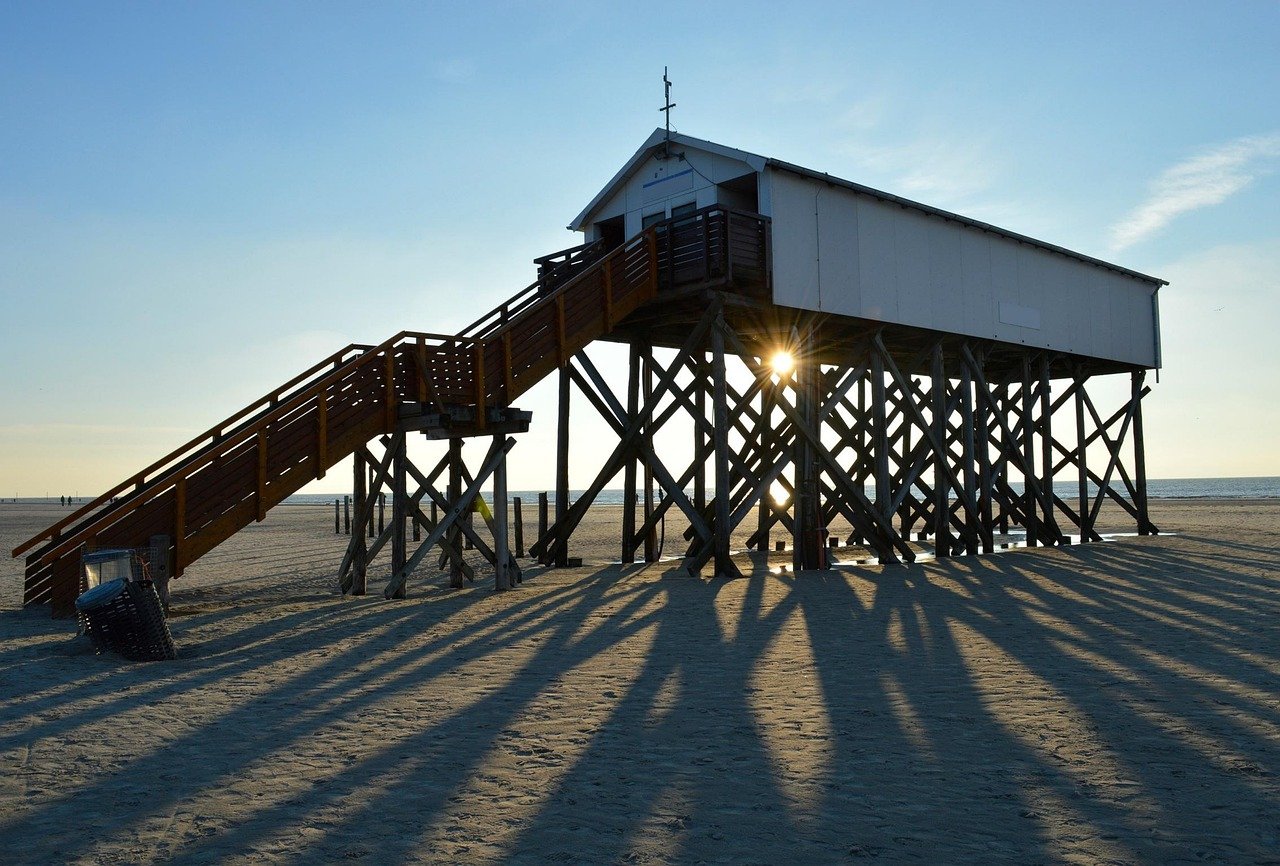
Nowhere is that shift clearer than on the hurricane coast. Gene Tener, who lives in a circular, wind-resistant home in Crystal River, Florida rated to withstand 190 mph winds, told CBS News his house has survived six hurricanes in five years, including Category 4 Hurricane Helene, and that he now saves roughly $12,000 a year after canceling optional flood insurance he no longer needs. “You put a little more money into it and it lasts forever,” he said.
Matt Oblinsky, lead engineer at Deltec Homes in Asheville, North Carolina, which has built more than 5,000 wind-resistant homes worldwide, says the upfront cost runs about 10% above traditional construction, but the company’s homes have posted a 99% survival rate through past hurricanes. “There’s no such thing as a hurricane-proof home. We’re very careful to say these are hurricane-resistant,” he told CBS News. Even smaller upgrades matter more than people expect: Sarah Dillingham, senior meteorologist at the Insurance Institute for Business & Home Safety, points out that a home’s weakest point is often the one people forget entirely. “Your garage door is your biggest opening of your home. Because when wind gets in, it will find the weakest link,” she said.
What This Means for Your Next Home Project
None of this means aesthetics stop mattering in 2026 — they don’t. But it does mean the order of operations is changing. Homeowners are increasingly calling their insurance agent before they call their contractor, because the answer to “will this lower my premium?” can now change the entire scope of a project. A new roof, impact windows, or a fire-rated garage door might not show up on a mood board, but they’re increasingly the first thing on the renovation list, and for good reason: they’re the upgrades that protect everything else you eventually do decide to decorate. If you’re planning any exterior project this year, it’s worth a five-minute call to your insurer before you call anyone else — the upgrade that qualifies for a discount is often cheaper, in the long run, than the one that just looks good.