Last September, I spent a Saturday afternoon sitting on my back steps staring at my yard and realizing I had no idea where to put my chair. There was grass, a fence, one sad hydrangea, and nowhere that actually felt like a place to sit. A neighbor a few doors down had spent the summer turning her equally plain rectangle of a backyard into what she called her “reading corner,” her “grill zone,” and her “kid pit” (that last one was just a sandbox with a canvas canopy over it, but it had a name, and it worked). That’s when it clicked for me: the yards that feel finished in 2026 aren’t the ones with the most stuff in them. They’re the ones divided into rooms. And because a couple of the tools that make this doable on a normal budget are things I’d genuinely point you toward, I’ll say upfront that as an Amazon Associate, Every Corner earns from qualifying purchases made through the Amazon links below, at no extra cost to you.
What a “Garden Room” Actually Means
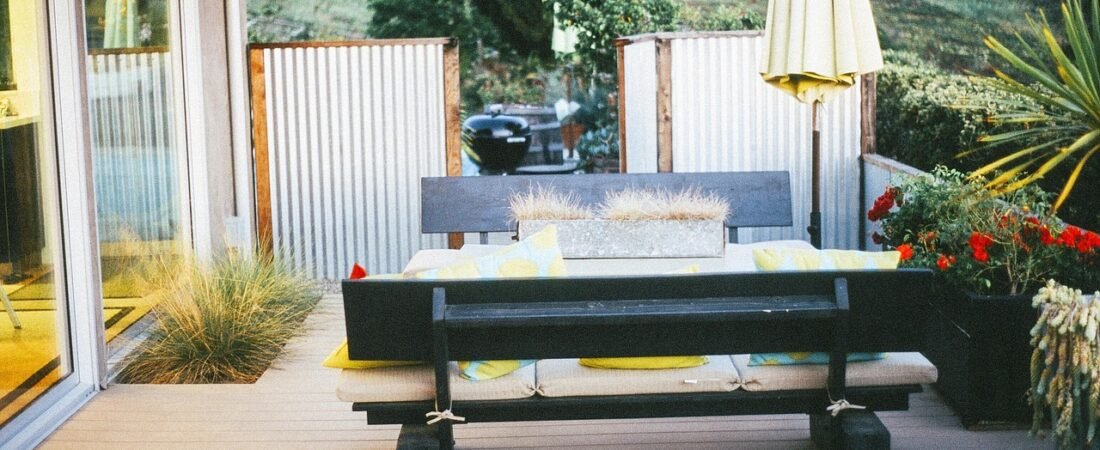
The term sounds fussy, like something out of a British estate garden, but the idea driving it in 2026 is simple. Instead of treating a backyard as one open, all-purpose rectangle, designers are splitting it into smaller, purpose-built zones the same way you’d divide the inside of a house into a kitchen, a living room, and a bedroom.
Anthony Musso, a landscape designer at Hicks Landscapes, puts it plainly: “The idea is to break a landscape into defined ‘rooms’ using hedges, walls, or plantings.” A hedge becomes a wall. A pergola becomes a ceiling. A gravel path becomes a hallway connecting one “room” to the next.
It’s a British landscaping habit that’s been showing up in American yards for a few years, but 2026 is the season it’s moved from high-end estate gardens into ordinary suburban lots, mostly because homeowners have realized you don’t need acreage to pull it off. You need boundaries, even soft ones.
Why This Is the Trend Everyone’s Talking About Right Now
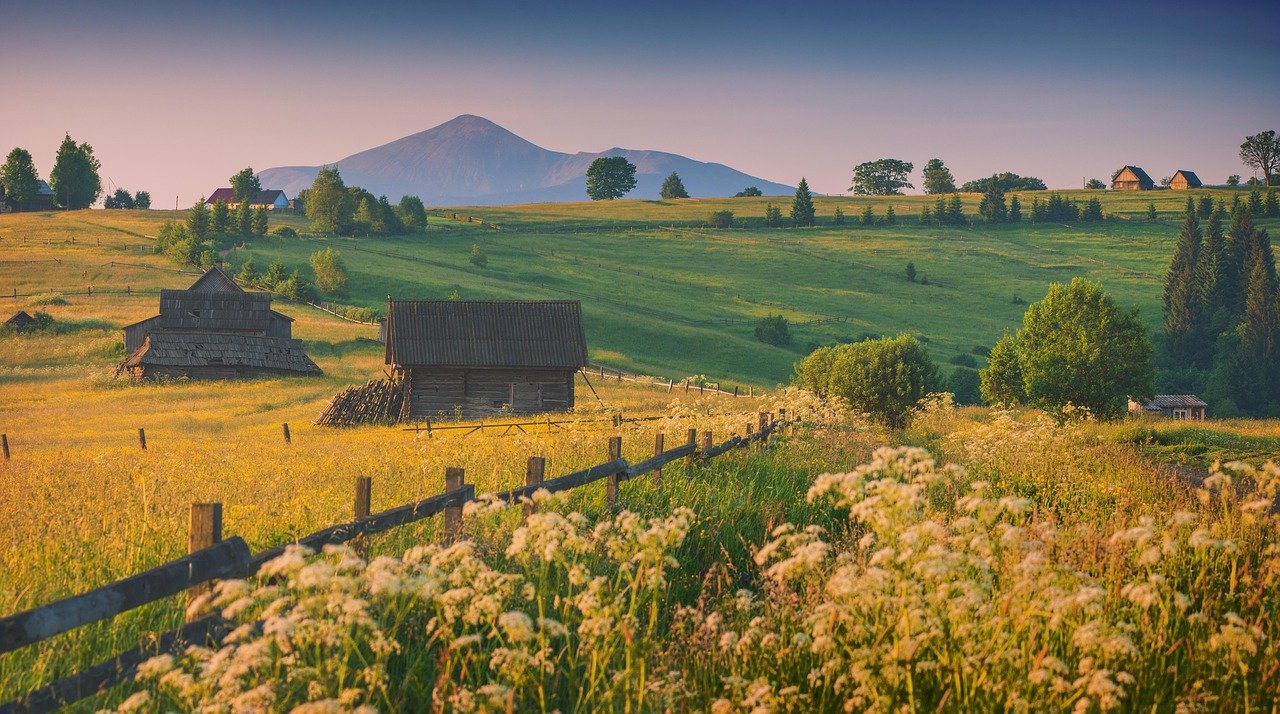
A lot of it comes down to how people are actually using their yards now. Kaitlyn Hall, Interior Design Manager at Revive Design and Renovation, says it’s “not uncommon to see a backyard plan that includes an outdoor kitchen, a shaded dining area, a fire feature lounge,” each with its own footprint and function. She’s also seeing clients ask for something less showy and more personal: “immersive ‘garden room’ concepts” that feel enclosed and almost private, rather than a wide-open showcase lawn.
Tara Piergies-Baker, a landscape designer at The Addison Group in Nashville, has noticed the same shift toward intimacy over spectacle. “Think of words like nook,” she says. “People are really resonating with this.” Instead of one big statement patio, homeowners want several small ones, each built for a specific mood.
Adriena Daunt, principal designer at Daunt Designs in Montana, is seeing it in new construction too, with “covered patios with separate areas for cooking, dining, fireplace lounging, and a hot tub or sauna” becoming standard requests rather than luxury add-ons. The common thread across all of it: a yard that’s divided feels bigger and more finished than one that’s just open.
You Don’t Need a Landscaping Crew to Start
Here’s the part that makes this trend genuinely approachable instead of just aspirational: garden rooms don’t require a full landscape renovation. Professional designers are using hedges, hardscaping, and structural additions, but the same “divide and define” logic scales down to a weekend project.
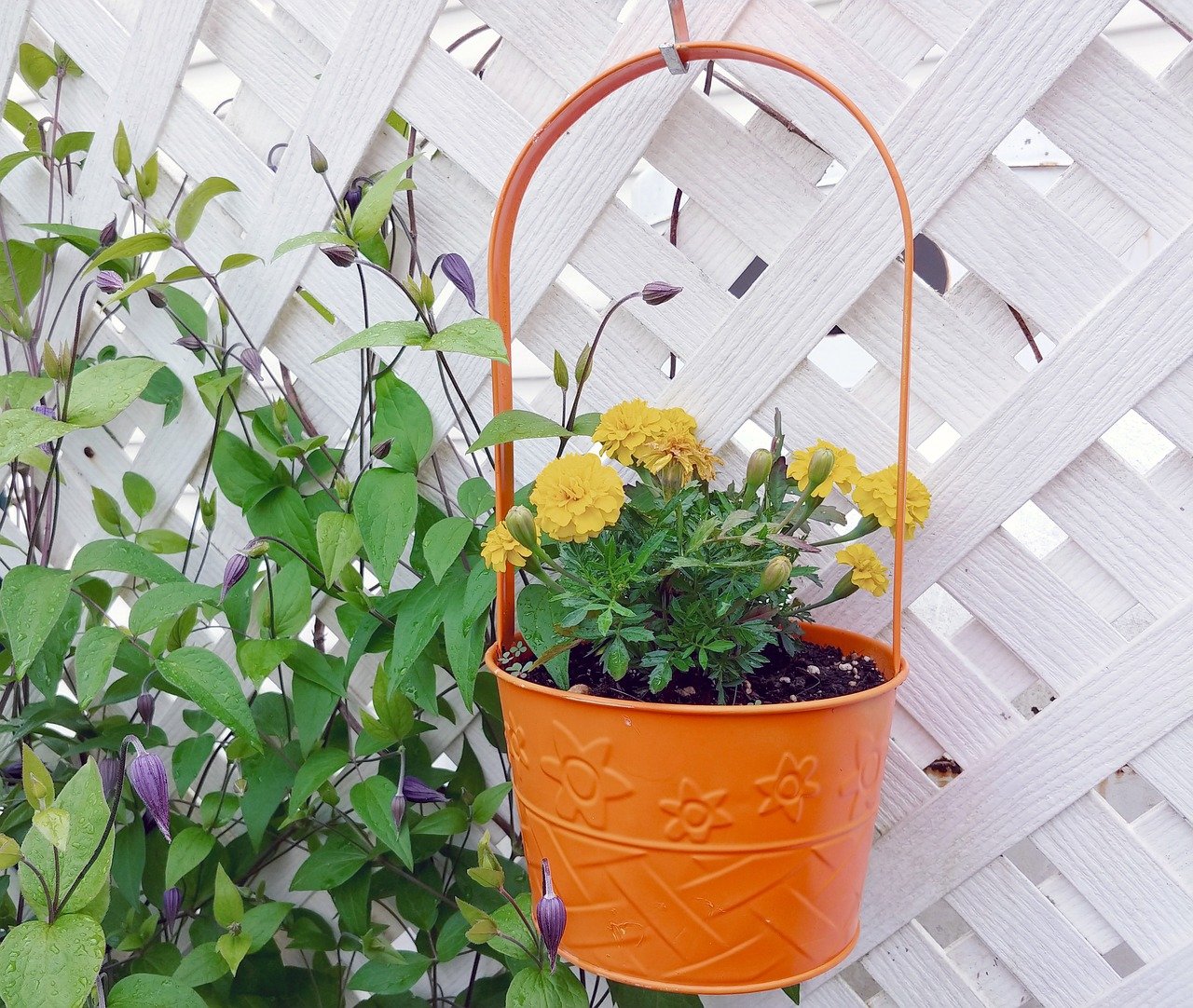
A simple trellis or privacy panel can carve a reading nook out of a corner that currently does nothing. If you’re working with a blank fence line or an awkward side yard, this is the cheapest way to fake architecture where none exists. A lightweight cedar or bamboo screen holds up outdoors, gives climbing plants something to grab onto, and reads as an intentional “wall” rather than a leftover space. This one from outdoor privacy trellis panels on Amazon is the kind of thing you can install in an afternoon without renting equipment.
Tall planters do double duty as both a room divider and instant greenery, which matters if you’re starting from a totally flat, feature-less yard. Grouping two or three tall planters along one edge of your patio creates a visual “wall” almost immediately, long before any hedge you plant would actually fill in. It’s the fastest way to make a new zone look established instead of freshly marked off. Search tall outdoor planters for garden dividers to find sizes that fit your space.
Lighting Is What Makes a Room Feel Like a Room

Designers keep coming back to one detail that separates a real garden room from just a mowed patch with a chair in it: light that stays inside the boundary you’ve created. A single string of warm-white lights strung between two posts, a pergola, or a stretch of fence does more to signal “this is a room” than almost any other single purchase, because it draws a visible edge around the space after dark, the same way a lamp defines a reading corner indoors.
Solar options have gotten genuinely reliable over the past couple of seasons, so you’re not running extension cords across the lawn to make it work. If you’re setting up a dining or lounging zone as your first garden room, this is worth doing before you spend money on furniture. Browse outdoor solar string lights in a warm white tone rather than bright white, which reads more like a porch light than an evening retreat.
Plants That Do the Work of Walls
If you want the look without buying a single panel or planter, plants alone can build the boundaries. Fast-growing, dense shrubs like arborvitae, boxwood, or privet create a living hedge wall within one or two growing seasons. Ornamental grasses do the same job faster and softer, swaying instead of standing rigid, which a lot of designers now prefer over a clipped, formal hedge line.
The trick is picking plants based on the height you actually need for each zone. A dining area might want a knee-high border just to suggest an edge, while a lounge area meant to feel private benefits from something shoulder-height or taller. Mixing heights between rooms is part of what makes a divided yard feel intentional rather than chopped up.
Where to Start This Fall
Fall is a genuinely good time to begin, even though it feels like the season for wrapping up rather than starting projects. Shrubs and perennials planted now get a head start on root growth before next spring, and hardscaping materials like gravel, pavers, and trellis panels are typically easier to find and cheaper than they are in peak spring demand.
Start with the zone you’ll actually use the most, not the one that photographs best. If your evenings are spent with a coffee and a book, build the reading nook first. If your family eats outside all summer, define the dining space before anything else. One well-defined room beats three half-finished ones, and by next spring, you’ll already have somewhere to sit while you plan the second.