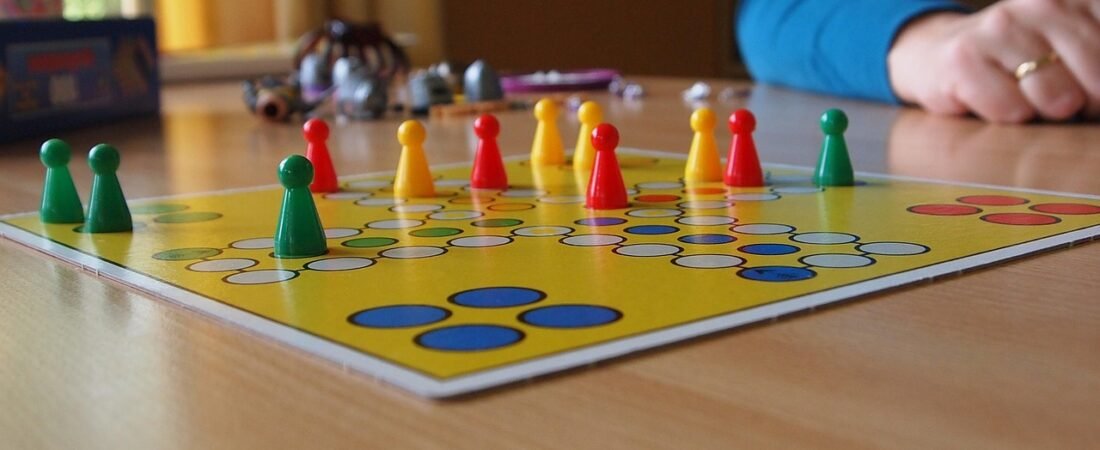
My upstairs hallway had been storing the same wobbly card table since college — the fold-up kind you drag out once a year for Thanksgiving overflow seating, then shove back into a closet the next morning. I hauled it out again this spring for a friend’s poker night and felt genuinely sheepish standing next to her sister-in-law’s living room, where a hand-inlaid backgammon table sat by the window looking less like game night gear and more like a piece of furniture she’d inherited. It turns out I wasn’t the only one noticing something had shifted. Designers have spent 2026 quietly moving game tables back into the center of the living room, not tucked away for special occasions but built to stay out, get used weekly, and actually look good doing it. I spent the past few weeks digging into where this trend came from and, as an Amazon Associate who earns from qualifying purchases when readers shop the picks below, I also tracked down a handful of the real tables and sets driving it.
The Living Room Is Making Room for Play Again
For most of the last decade, the living room’s centerpiece was whatever screen hung on the main wall. That’s starting to change. Interior designer John Maloney McNamara of the firm Coosa told Homes & Gardens that the shift he’s seeing in client requests this fall is less about a single color or fabric and more about how a room gets used. “People want rooms that give them a reason to stay, linger and play together,” he said, describing the return of dedicated game tables as one of the clearest signs of that mindset. It’s a small sentence, but it explains a lot about why a piece of furniture that used to live in a den or a rec room is suddenly showing up front and center, styled the way a console table or a bar cart used to be.
That framing matters because it reverses an old design assumption. Game tables used to be treated as a specialty item — something you owned if you had an extra room to spare. Now designers are arguing the opposite: a room without a reason for people to sit down together for an hour is a room that quietly goes unused, no matter how well it photographs.
Mahjong Tables Are Leading the Charge
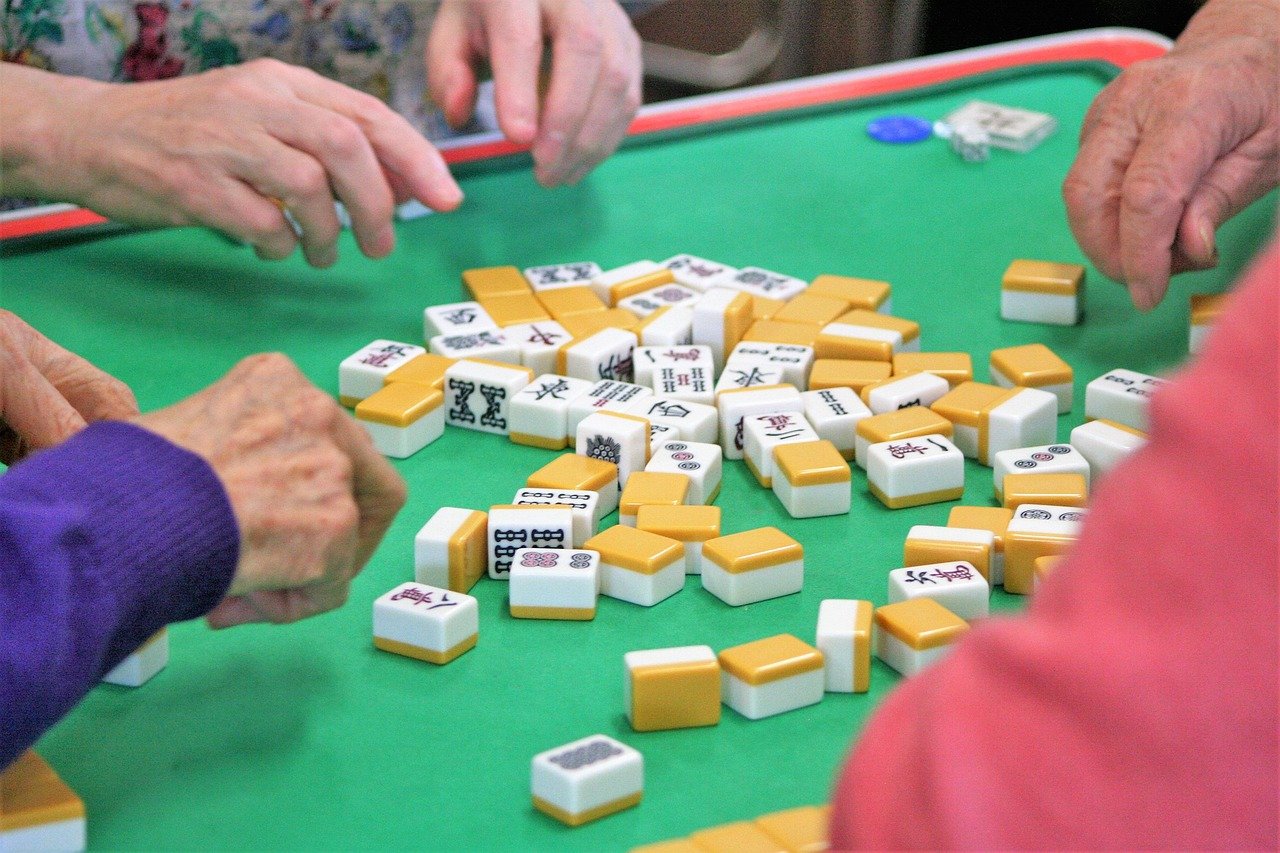
Nowhere is this clearer than with mahjong. Dallas-based designer Mary Beth Wagner recently custom-designed a game table for a client specifically to host regular mahjong groups and family card sessions, according to Flower Magazine. Rather than hiding it in a den, Wagner placed the table in the client’s formal living room, right off the front entry — a deliberately visible spot meant to make sure the room stayed “occupied often” instead of sitting preserved for company that rarely came. She described the goal as making the space “purposeful” rather than purely decorative, which is a notable departure from how formal living rooms have typically been treated: as showpieces you walk past, not rooms you actually sit in.
Mahjong in particular has become something of a cultural moment over the past couple of years, with in-person clubs and weekly games popping up in cities well beyond the communities where the game has long been a staple. Furniture brands have responded directly — Flower Magazine points to collaborations like the Madre x The Mahjong Line card tables, offered in finishes ranging from lacquer to burlwood, grasscloth, and cerused oak, aimed squarely at people who want a table nice enough to leave out between games.
What Makes a Game Table Feel Like Furniture, Not a Folding Chair
The materials are doing a lot of the work here. Instead of the vinyl-and-particleboard card tables most of us grew up with, the pieces defining this trend borrow finishes straight from fine furniture. Flower Magazine’s roundup of the category includes a two-sided table from Woodbridge with wool inset on one face and oak veneer on the reverse, a wavy-silhouetted design from Made Goods finished in two-toned olive ash veneer, and a piece from Century with a faux-horn top, blind-tooled charcoal leather, and built-in cork-lined coasters for drinks. Even the more casual end of the category has upgraded — Oomph’s raffia-wrapped table pairs with a lacquered game tray that swaps out for chess, backgammon, checkers, or cards depending on the night.
The common thread is intentional design at every scale, down to the coasters and the tray inserts, which is exactly why these pieces read as furniture instead of equipment. A table built to double as a side table or a spot for morning coffee earns a permanent place in a room in a way a table that only comes out for game night never could.
Shop the Game Table Trend
If you want to bring this into your own living room without commissioning a custom piece, here’s where to start looking, and what each option is actually good for.
A classic wood backgammon table solves the same problem Wagner’s mahjong table does: it gives a room a reason to be used instead of just looked at. Look for one with a felt-lined interior storage compartment for the pieces, so it can sit out as a side table between games rather than getting boxed up in a closet. Browse backgammon tables on Amazon.
A dedicated mahjong table set is worth the investment if you’re part of (or starting) a regular group, since a real set includes the tile racks, dice, and wind indicators that make the game function properly, rather than improvising with a bare tabletop. Many sets now come in cases finished to match the kind of lacquer and wood tones designers are using in the tables themselves. Shop mahjong table sets on Amazon.
A wood chess and checkers table earns its keep in smaller spaces because it typically comes with a reversible or flip-top board, so it works as both a game surface and a plain side table when no one’s playing. It’s the easiest single piece to add if you’re testing the trend before committing a whole corner of the room to it. Find chess tables on Amazon.
If your space is tighter, a round card table with matching stools does what a full-size game table can’t: it tucks against a wall when it’s not in use, then pulls out for cards, dominoes, or a puzzle without needing a dedicated footprint. It’s the closest modern equivalent to the fold-up table most of us already own, just built to stay visible. See card table sets on Amazon.
The Takeaway
I ended up ordering a small chess table with a flip top for that same upstairs landing where the folding card table used to live — it’s out year-round now, not stored away, and it’s gotten more actual use in a month than that card table saw in years. That’s the real shift behind this trend: it’s not about owning a fancier table, it’s about designing a room that assumes people will sit down and stay a while. Whether that’s a mahjong table by the front door or a $150 chess set on a landing, the goal is the same one McNamara and Wagner both pointed to — a living room that earns the name.