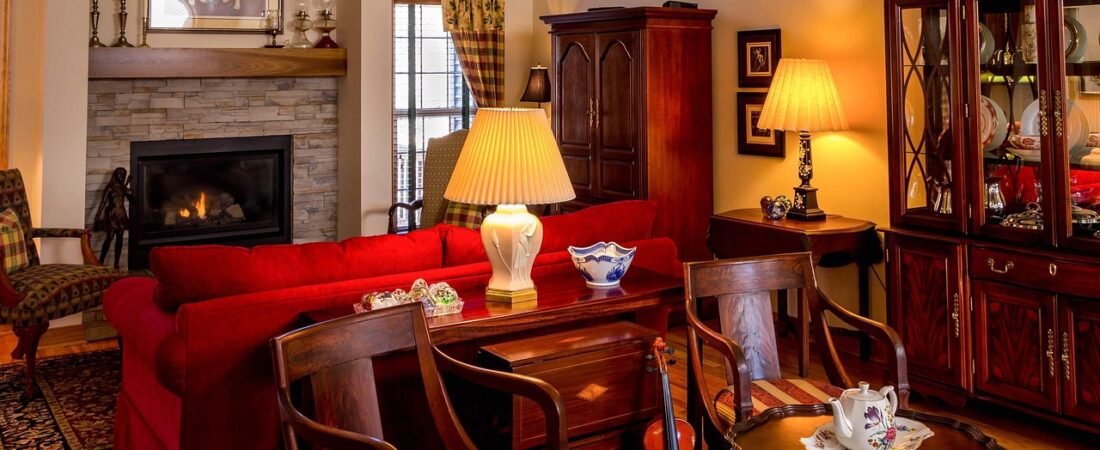
My living room has been “open-concept casual” for about three years now — a sectional facing the TV, a coffee table that mostly holds mail, and not a single surface I’d trust a guest to set a real drink on. It worked fine until my in-laws visited last month and asked, half-joking, if we had anywhere “more grown-up” to sit and actually talk. We didn’t. That question stuck with me, and when I started digging into what design writers were actually recommending for fall 2026, I kept running into the same idea from different directions: the formal sitting room is back, minus the plastic-covered cushions and the “don’t touch anything” energy it used to carry. A few of the pieces I mention below link to Amazon. As an Amazon Associate, I earn from qualifying purchases. That’s the only reason I can spend actual hours comparing search results so you don’t have to.
Why the “Aunt Gertrude” Sofa Is Making a Comeback
For years, “formal living room” meant a room nobody actually used — the one with furniture covers and a strict no-snacks policy. That’s not what’s coming back. Ashley Macuga, founder of the design studio Studio Collected, described the shift clearly in Homes & Gardens’ fall 2026 trend report: “For fall, I’m feeling a return to formality – but not in the stuffy, Aunt Gertrude won’t let you sit on her sofa sense. But rather in a ‘I am grounded and established. A little layered and nostalgic. But still fresh and full of life’ kind of way.”
In other words, the goal isn’t a museum room. It’s a space that signals you’ve settled in — grown-up furniture, real materials, a little history — without asking anyone to tiptoe around it. That’s a genuinely different pitch than the open-concept, everything-faces-the-TV layout most of us defaulted to for the last decade, and it’s specific enough that you can actually shop for it instead of just vaguely “cozying up” a room.
1. Trade Rift White Oak for Richly Grained Burl Wood
The material driving a lot of this look is wood grain, specifically. Macuga is direct about it in the same interview: “I mean burl, but in new richer hues. After years of rift white oak (which I still love!), richly grained woods are back – and I am obsessed with burl. Its swirling, marbled grain gives an immediate sense of storied history.” Burl wood comes from a knotty growth on a tree trunk, which is exactly why the grain swirls instead of running in straight lines — no two pieces look alike, and that irregularity is what reads as “collected over time” instead of “bought last week.”
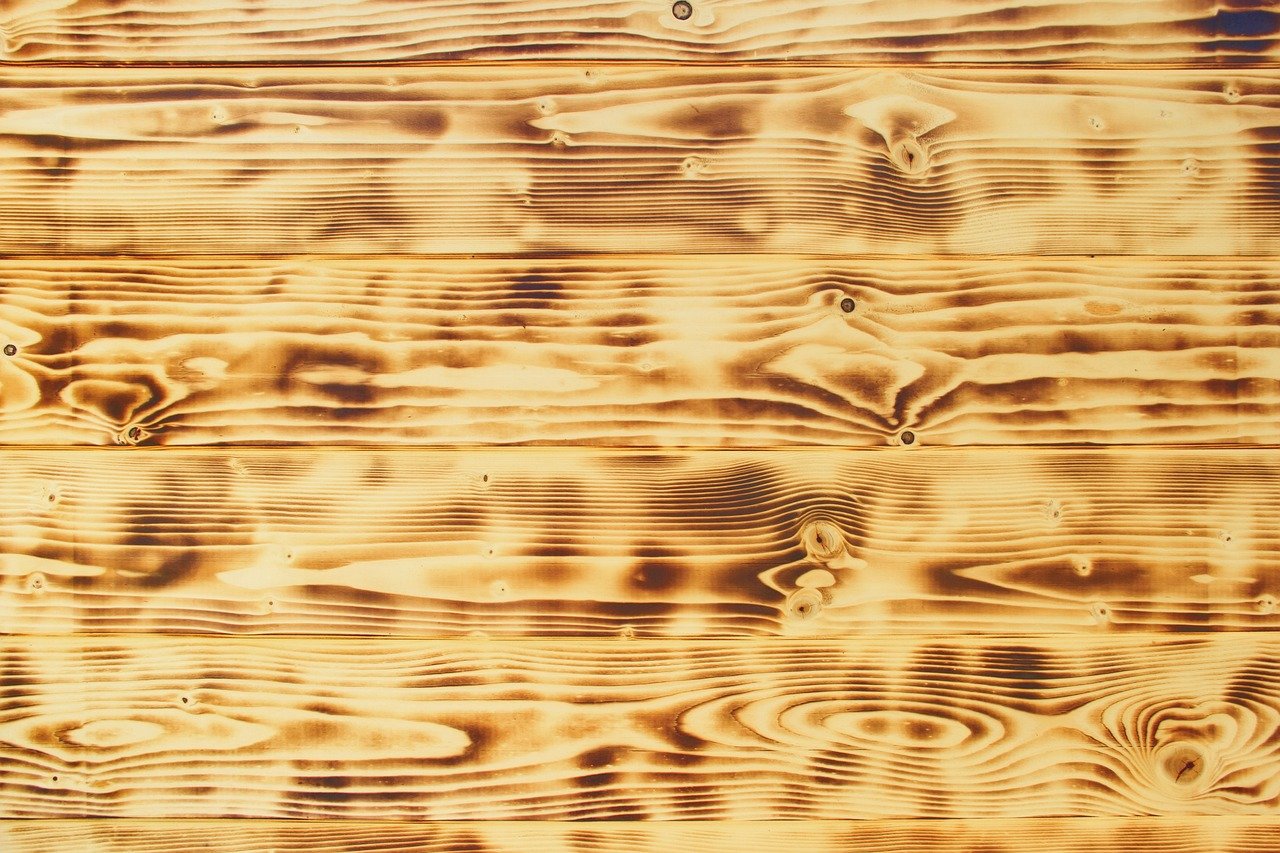
You don’t need to gut the room to try this — a single burl coffee table or side table next to your existing sofa does most of the work, since the grain pattern is bold enough to anchor a whole seating area on its own. It’s also one of those pieces that tends to hold its value and its looks, so it’s not a purchase you’ll be regretting in two years when the next trend cycle hits. If you want to see what’s out there before committing to a specific style, browse burl wood coffee tables on Amazon.
2. Skip the Tray of Trinkets — Choose One Sculptural Object
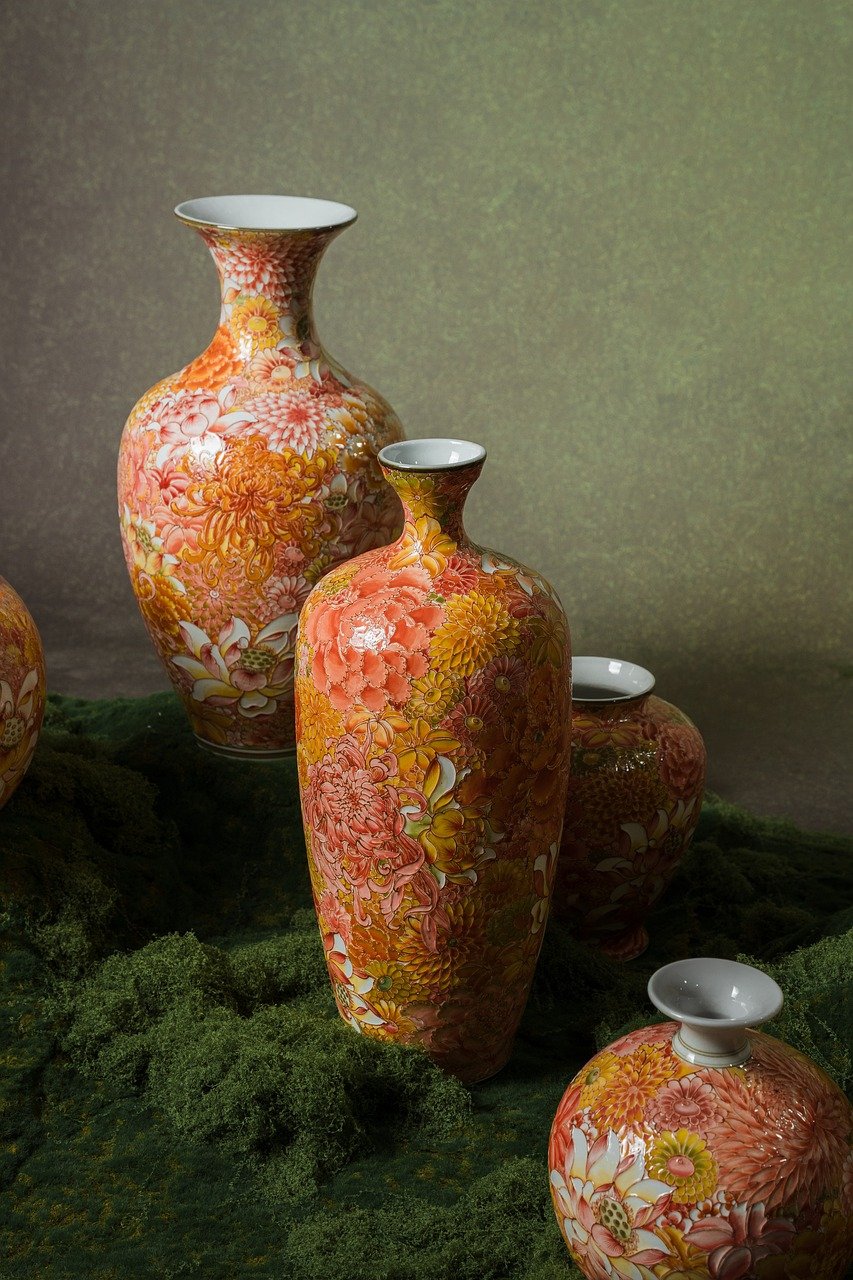
The styling instinct behind this trend is almost the opposite of the “coffee table book plus candle plus little dish” formula that’s been everywhere. Macuga explained her current approach to Homes & Gardens: “Where we once reached for a tray of objects, I’m feeling the urge to replace it with one or two substantial sculptural forms. Abstract figures, vases treated as art rather than function, textured bowls that can sit in isolation.” She’s specific about restraint, too: “Resist the urge to fill a surface. One well-scaled stone or ceramic form, curated and edited, will always feel richer and more luxe than a large group of objects.”
This is genuinely good news if you’ve ever felt overwhelmed trying to “style” a shelf — it means less shopping, not more. One large, well-made ceramic or stone piece does more visual work than five small ones, and it’s a lot easier to keep dust-free and to actually notice, since your eye isn’t splitting its attention across a cluster of tiny objects. A large sculptural vase or abstract ceramic form is the easiest single item to swap in on a console table or mantel this weekend, and it’s worth spending a little more on since it’s carrying the whole surface. Here’s a range of sculptural ceramic vases on Amazon to get a sense of scale and finish.
3. Warm the Palette With Cinnamon, Caramel, and Rich Timber
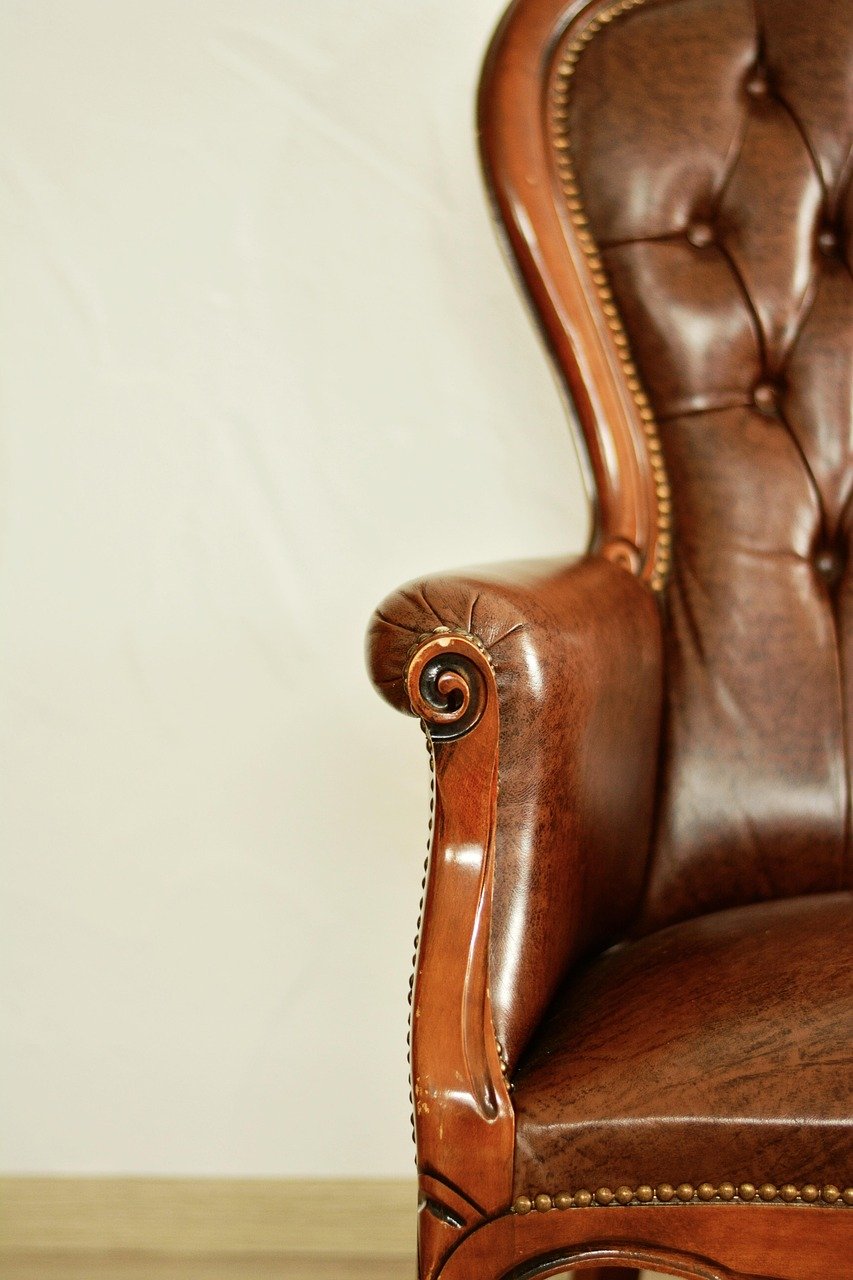
Color is doing a lot of the “grounded, not stuffy” work here too. Carina Raymond, founder of Studio Raymond Interiors, told Homes & Gardens: “I think we’ll see a real shift towards warmer, spicier tones this autumn, particularly cinnamon, caramel, tobacco and rich ochre.” She ties the color directly to materials: “I’d layer these warmer colors with natural, tactile materials – think tan leather, sisal, travertine, warm timber and woven textiles.” That’s a useful shortcut if you’re staring at a beige room and not sure where to start — instead of picking a paint color first, pick the materials, and let the color follow.
A warm-toned area rug is the fastest way to bring this palette into a room without repainting anything, since it sits under and around every other piece of furniture and sets the temperature of the whole space. Cinnamon, rust, and toasted caramel tones read as intentional and current rather than dated the way a straight orange or brown rug from a decade ago might. If your current rug is a cool gray or a busy pattern that’s fighting the rest of the room, this is the one swap that resets the whole palette. Here’s a selection of cinnamon and terracotta wool-toned area rugs on Amazon.
4. Layer In Touchable Textures — Mohair, Velvet, and Wool
Formal doesn’t have to mean stiff to the touch, and this trend leans hard on texture to keep it from feeling cold. Heavy, tactile fabrics — mohair throws, velvet cushions, wool upholstery — are showing up across most of this season’s trend reports as the thing that keeps a burl-and-stone room from feeling like a showroom. The logic is simple: hard, shiny surfaces (polished wood, ceramic, stone) need something soft nearby to balance them out, or the room starts to feel like it’s meant to be looked at rather than lived in.
A mohair or heavy knit throw draped over the arm of a chair does this instantly, and it’s one of the cheapest, lowest-commitment ways to test the whole look before buying furniture. It also solves an actual problem — most living rooms could use one more soft layer for the colder months regardless of what trend is or isn’t happening. If your throws are all thin cotton right now, this is the easy upgrade. Take a look at mohair and heavy knit throw blankets on Amazon.
5. Light It So It Actually Gets Used
One reason old-school formal rooms felt off-limits is that they were often lit by a single harsh overhead fixture — fine for a quick walkthrough, not for actually sitting down. A warm-toned table lamp with a brass or aged-metal base fits the same grounded, collected feeling as the burl wood and ceramic pieces above, and layered lamp light (versus one bright overhead source) is what makes a room feel like somewhere you’d choose to spend an evening instead of somewhere you pass through.
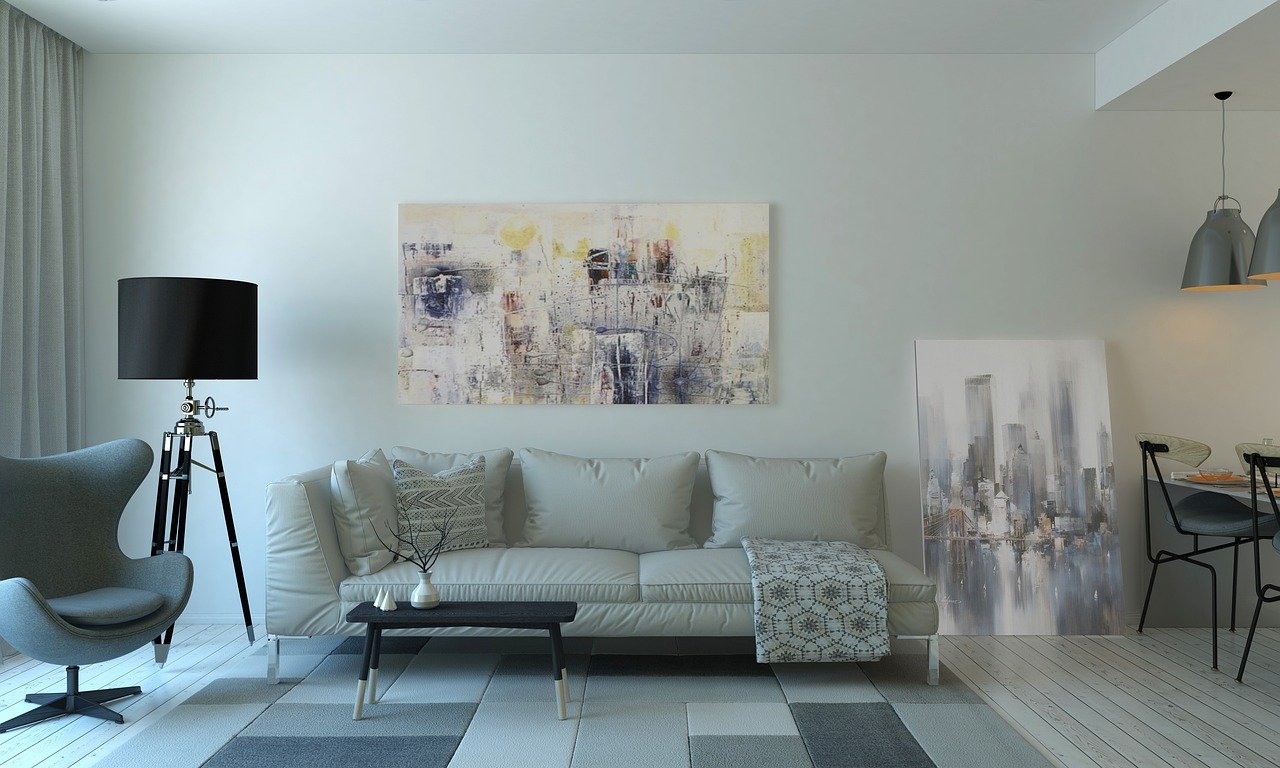
This is a small, inexpensive change compared to furniture, but it’s the one that actually gets the room used — a lamp that turns on with one click, sitting at arm height next to a comfortable chair, does more to pull people into a room than almost anything else on this list. If you’re working with builder-grade overhead lighting right now, start here before you buy anything bigger. Browse brass table lamps on Amazon for options in a few different finishes.
How to Start This Weekend, Not This Year
You don’t need to redo an entire room to test any of this. Pick the one underused seating area in your house — a rarely-touched loveseat, a reading chair nobody reads in, an empty corner with a lamp that’s never plugged in — and give it exactly three things: one grained wood surface, one substantial object instead of several small ones, and one warm, touchable layer like a rug or throw. That’s the whole formula Macuga and Raymond are describing, just scaled down to a single corner instead of a whole room.
The Room My In-Laws Actually Sat In
I ended up testing this on the armchair-and-side-table combo I’d been ignoring in the corner of my own living room — a burl-finished side table, one ceramic vase instead of the little dish-and-candle cluster I had going, and a cinnamon throw over the chair arm. It took an afternoon, not a renovation, and it’s now the spot my mother-in-law sits when she visits, which is honestly the only review that matters to me. The bigger lesson from this trend isn’t really about burl wood or sculptural vases specifically — it’s that a “formal” room in 2026 is judged by whether people actually sit in it, not by how untouched it looks.