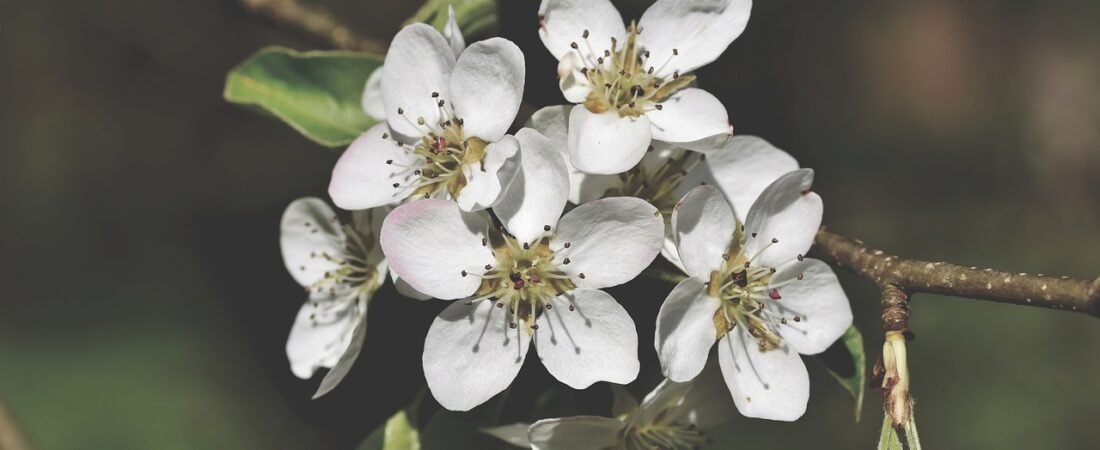
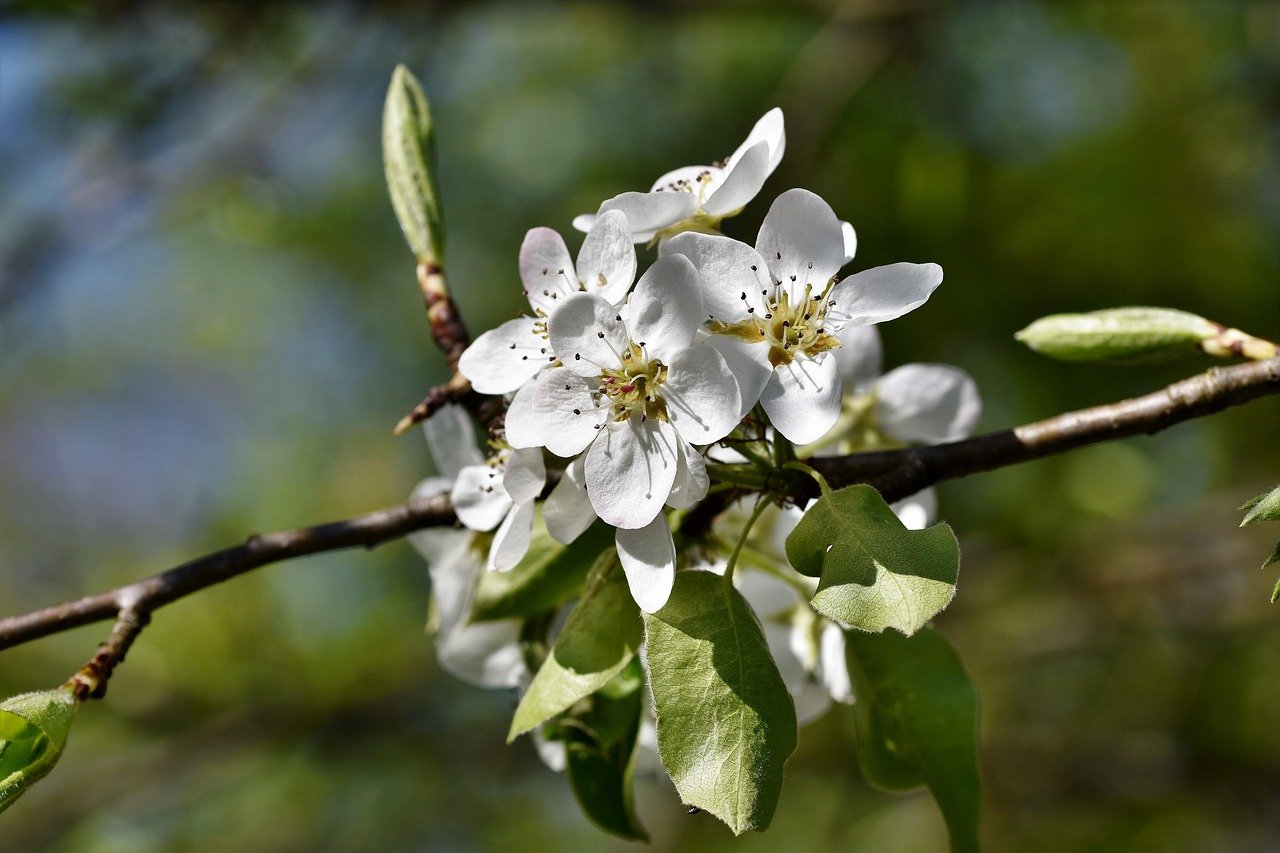
Every March, the tree in my neighbor’s front yard turns into a cloud of white blossoms almost overnight, and every March I brace for the smell. It’s a Bradford pear, the same variety planted along thousands of American streets and driveways since the 1960s, and this spring a windstorm split it clean down the middle, the way Bradford pears famously do. My neighbor called an arborist to have it removed. She was surprised to learn she couldn’t simply replace it with another one from the nursery down the road, because in a growing number of states, she legally can’t.
As an Amazon Associate, I earn from qualifying purchases, and a few of the tools below are ones you’ll actually want on hand if you’re taking one of these trees down yourself this fall.
A Tree That Was “Perfect on Paper”
The Callery pear, sold for decades under cultivar names like Bradford, Cleveland Select, Aristocrat, and Chanticleer, was bred to be the low-maintenance dream tree: fast growing, tidy and pyramid-shaped, covered in white flowers each spring, and reliably disease-resistant. Cities and developers planted it by the millions.
“The Bradford pear was the perfect tree on paper,” says Pat Etherington, a certified arborist with The Davey Tree Expert Company in Lake Bluff, Illinois. It grew quickly, it looked good in a subdivision, and for a long time nobody worried much about it spreading on its own, because the original Bradford cultivar was believed to be sterile.
That assumption turned out to be the problem.
State by State, the Bans Are Piling Up
Ohio became the first state to ban the sale of Callery pear back in 2018, and this year the list of states following its lead has grown considerably. New Jersey’s sales ban took effect in January 2026. Illinois added Callery pear to its Exotic Weed Act in October 2025, with a full retail sales ban set to begin January 1, 2028, giving nurseries a phase-out window to sell through existing stock. Kansas has gone the quarantine route, restricting sale, transport, and planting of Callery pear starting January 1, 2027.
Indiana lawmakers moved on a ban earlier this year as well. “From a landowner perspective, they cost a lot of money to control,” says Amber Slaughterbeck of the Southern Indiana Cooperative Invasives Management partnership, who works directly with property owners trying to get ahead of the spread before it becomes their problem.
Kansas officials say the public response has been overwhelmingly supportive. “We received hundreds of responses from Kansans across the state, and the vast majority of them were supportive of restrictions on the Callery Pear tree due to the invasive nature of this species,” says Heather Lansdowne of the Kansas Department of Agriculture. She’s also careful to note the new rules aren’t retroactive: “Trees that are already planted are not affected by this quarantine, so anyone who currently has a Callery Pear tree is not required to remove it.”
How a “Sterile” Tree Became Invasive
The trouble started once Bradford pears were joined in the landscape by other Callery cultivars planted nearby, in someone else’s yard, at the office park down the street, along the highway median. A lone Bradford can’t pollinate itself, but two different Callery cultivars blooming within range of each other can, and birds have spent decades carrying the resulting seeds into fields, roadsides, and forest edges.
What grows from those seeds isn’t the tidy ornamental anyone bought. It’s a thorny, fast-spreading thicket that leafs out earlier in spring and holds its leaves later into fall than most native trees, shading out the wildflowers and seedlings underneath before they get a chance. Etherington puts the disconnect this way: “People tend to think of a tree in their yard as just their tree,” when in practice its seeds don’t respect property lines, or state lines, at all.
Cut It Down, Get a Native Tree Free
Rather than just banning sales, several states and cities are now paying homeowners to remove the trees they already have. Missouri’s Department of Conservation has run a pear buyback exchanging proof of a felled Callery pear for a free native sapling, and the program has been popular enough that slots fill up fast each spring. Kansas City-area residents have had access to a similar trade-in this year, and North Carolina State University helped coordinate a “Bradford Pear Bounty” event offering the same swap. South Carolina, Kansas, and other states run comparable buyback days through their forestry agencies, often timed to spring planting season.
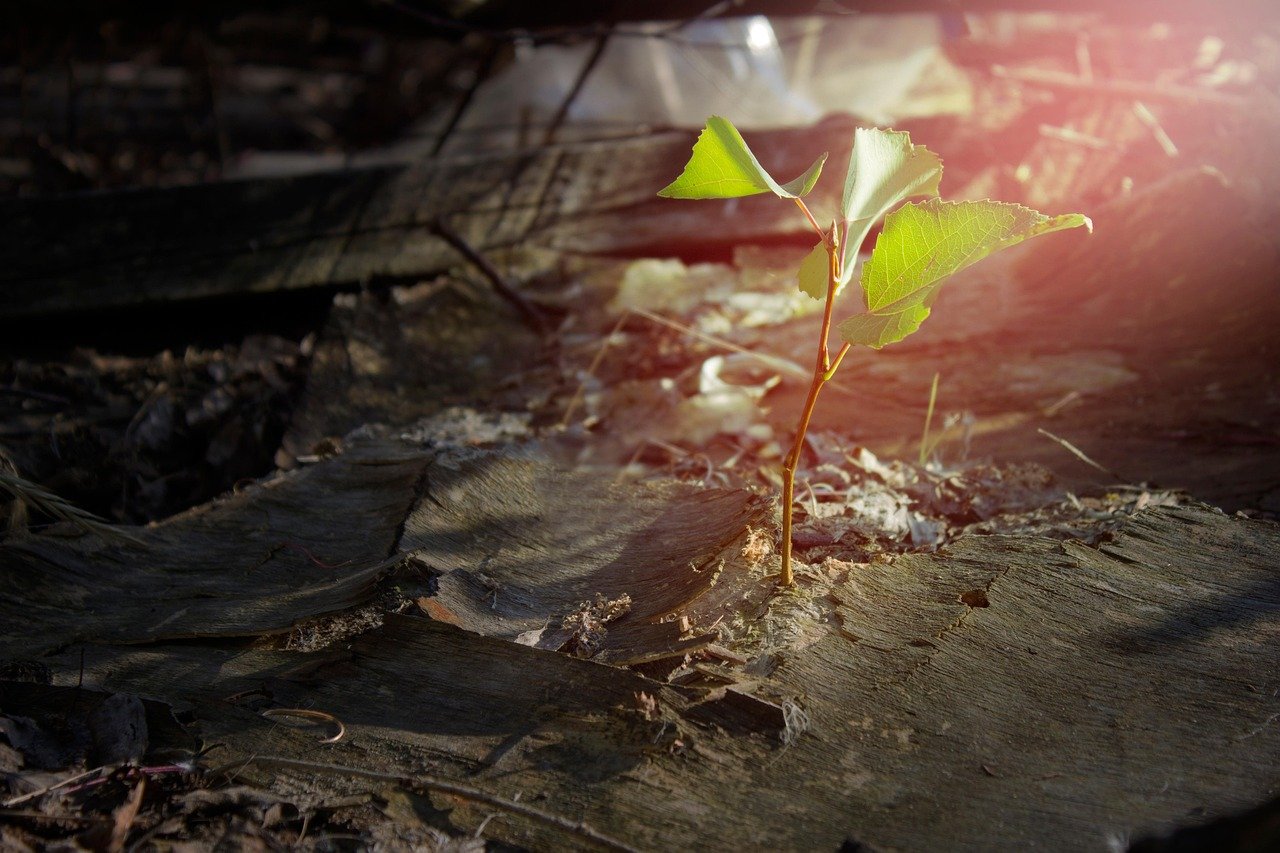
The typical replacement list favors trees that actually support local wildlife: serviceberry, for its edible berries and early white blooms; eastern redbud, for its pink-purple spring flowers and pollinator value; flowering dogwood; and native hawthorn, which produces the same white-blossom look homeowners loved about the pear in the first place, minus the invasive seed spread.
If You’re Removing One Yourself, Have the Right Tools
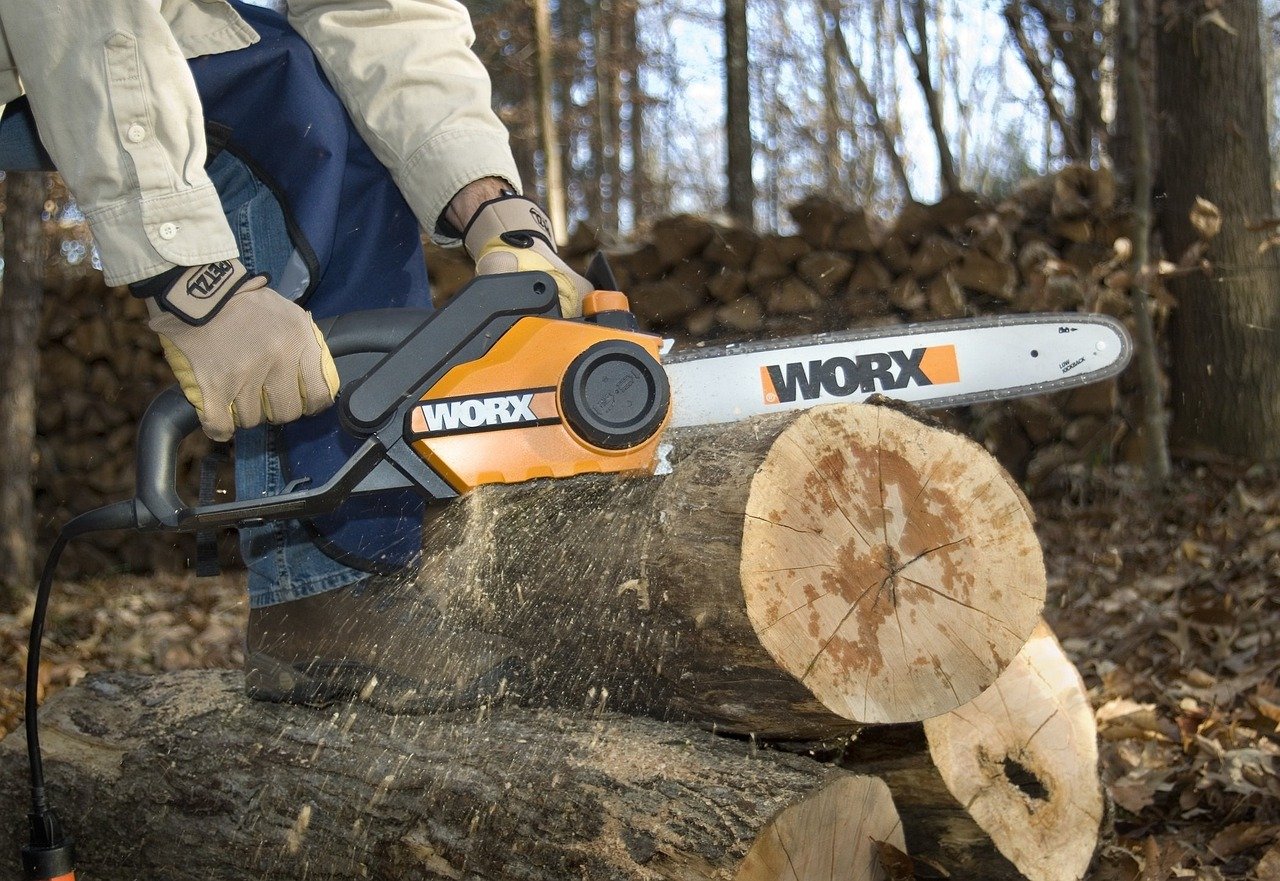
Bradford pears are notorious for weak, tightly angled branch unions, which is exactly why they split apart in storms, and it’s also what makes cutting one down more physically demanding than it looks. A sharp pruning saw makes the difference between a clean job and an afternoon of fighting dull, pinching cuts through dense wood. Look for a curved, hardened-tooth blade sized for branches up to about 6 inches; it handles the smaller limbs before you bring in help for the trunk. See folding pruning saws on Amazon.
Before you start cutting, mark which trees on your property are actually Callery pear rather than a look-alike, especially if you’re dealing with several trees along a fence line or a wooded edge. Bright forestry marking paint lets you flag confirmed Callery pears in one pass and come back with a chainsaw or a tree service once you’ve confirmed the count, instead of guessing tree by tree. Check tree marking paint options on Amazon.
Once the stump is out, most of the buyback and bounty programs above ask for a photo as proof, so it’s worth having a young native sapling ready to go in the same weekend rather than leaving bare soil open to whatever seeds blow in next. A bareroot serviceberry or redbud starter is inexpensive and establishes faster than a larger container tree. Browse serviceberry and native tree saplings on Amazon.
What This Means for Your Yard
If you already have a Bradford or other Callery pear, none of these new laws force you to remove it right now. But if that tree is aging, storm-damaged, or simply due for replacement, 2026 is turning out to be an unusually good year to swap it for something native instead of buying another one, both because the sales window is closing state by state and because a buyback program near you may pay for part of the swap. The tree that once seemed like the perfect low-effort choice has quietly become the one horticulturists, foresters, and state agriculture departments are asking homeowners to let go of, one yard at a time.