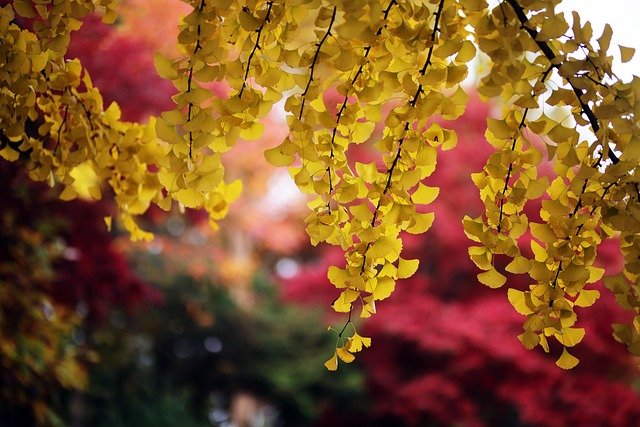
For decades, a tidy fall garden meant one thing: every leaf raked, every spent perennial cut to the ground, every bed swept bare before the first frost. That instinct is being quietly overturned. Across gardening media this September, the advice from ecologists, entomologists and native-plant experts is converging on something almost radical in its simplicity — do less. Leave the leaves where they fall. Let the seed heads stand. Skip the “cleanup” entirely in at least one corner of the yard. It isn’t laziness dressed up as philosophy; it’s a direct response to what scientists now understand about where pollinators, fireflies and other backyard wildlife actually spend the winter. The trend has a catchy shorthand, but the reasoning behind it is specific, practical, and easy to apply to almost any yard this fall.
The Trend That’s Turning Fall Cleanup Upside Down
Every autumn, homeowners face the same ritual: bag the leaves, cut back the border, haul it all to the curb. But a growing body of research on where insects overwinter has pushed ecologists to push back on that habit, and the message is landing in mainstream gardening coverage right now. Fallen leaves aren’t yard waste — they’re winter housing. Moths overwinter as pupae wrapped in curled leaves. Bumblebee queens burrow just an inch or two into loose soil or leaf litter. Fireflies spend the cold months as larvae in the leaf layer at the base of trees. Strip that layer away every November, and you strip away next spring’s fireflies and pollinators along with it.
What “Leaving It” Actually Means in Practice
The trend isn’t an all-or-nothing pledge to abandon yard care. It’s a short list of targeted swaps that experts say make the biggest ecological difference for the least effort.
Rake Leaves Into Beds, Not Bags
Instead of bagging leaves for pickup, rake or blow them onto garden beds and under shrubs, where they break down into free mulch and shelter overwintering insects at the same time. A shredded pile is far less useful for wildlife than an intact one, so resist the urge to run the leaves through a mower first if you can help it.
Let Stems and Seed Heads Stand
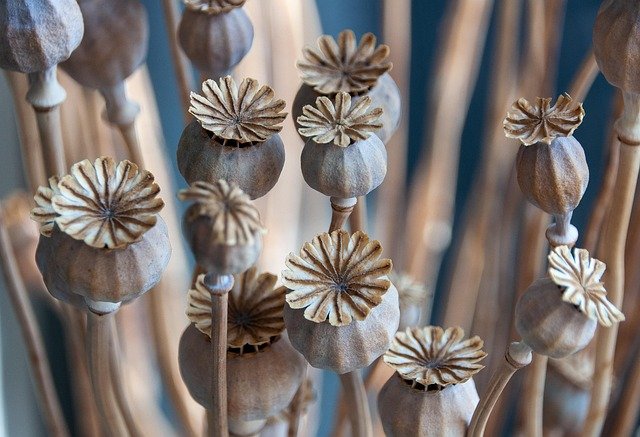
Cutting perennials to the ground in October removes the hollow stems that native bees use as winter nesting sites and the seed heads that finches and other birds feed on through the cold months. Leaving that structure up until at least mid-spring gives both groups a season’s worth of use out of what would otherwise become compost too early.
Uncover a Little Bare Ground
Not every bee nests in a stem. The majority of native bee species nest underground, and a dense layer of mulch or leaf cover everywhere can actually work against them. Leaving one small, undisturbed patch of bare soil gives ground-nesting bees somewhere to dig in.
Save a Brush Pile
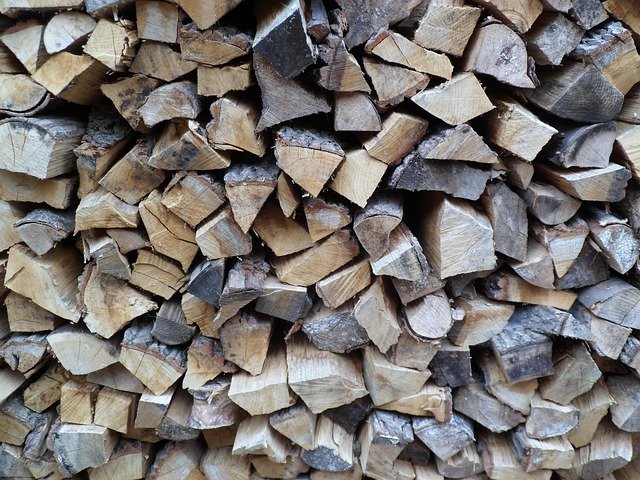
Fallen branches and twigs, instead of being bundled for yard waste, can be stacked loosely in a back corner. The pile becomes cover for toads, salamanders and overwintering insects, and it costs nothing but a change in habit.
Why Entomologists Are On Board
The case for this approach isn’t coming from lifestyle bloggers alone — it’s coming from the scientists who study where insects actually go when the temperature drops. Katie Costanzo, an ecologist and entomologist at Canisius University, frames fall debris as functional habitat rather than mess to be managed. “This is part of the ecology of our system,” she says. “This could be habitat or resources.” Of the instinct to tidy every leaf away, she’s blunt: “We don’t have to clean it up.”
Costanzo’s broader point is that a yard doesn’t need to be treated as a single uniform space. “You don’t have to manage your entire property the same,” she notes — meaning a homeowner can keep a tidy front lawn for curb appeal while letting a back corner or side bed go untouched through winter, capturing most of the ecological benefit without a full visual overhaul.
It’s Not All or Nothing
Mary Phillips, head of native plant habitat strategy at the National Wildlife Federation, describes what’s actually happening beneath a layer of undisturbed leaves and standing stems through the coldest months: “All this business is happening” out of sight all winter long. She pushes back on the assumption that a brown, collapsed garden in November is a finished one. Of seed heads left standing, she says: “They look dead to you. But they haven’t clocked out yet.” Those dried stalks are still doing seasonal work — feeding birds, sheltering insect eggs and larvae — right up until new growth pushes through in spring.
The Case Against Shredding Leaves
One instinct many gardeners fall back on is running a mulching mower over the lawn to shred leaves finely rather than leaving them whole — a compromise that seems tidier but undercuts the point of the trend. Kim Eierman, an ecological landscape designer and author of The Pollinator Victory Garden, argues that a yard should be treated as more than decoration. “You have an ecosystem,” she says, “we need to start treating our landscapes that way.” On the specific habit of shredding leaves before spreading them, she’s direct about the cost: “If you leave all those leaves and then start chopping them up, you’re chopping up lots of invertebrates, too.” The insects sheltering inside those leaves don’t survive a pass through mower blades, even when the intent was to help.
Plant One Native Species This Fall
Alongside the “leave it” habits, experts are also encouraging one small addition: planting a native perennial, shrub or tree before the ground freezes. Fall planting gives roots a head start establishing over the cooler months, ahead of a spring that arrives with less watering pressure than a summer planting would. It doesn’t need to be a full bed overhaul — one native aster, goldenrod, or serviceberry tucked into an existing border adds a food source that regional pollinators are already adapted to use, and it compounds the benefit of the leaf litter and standing stems already protecting them nearby.
What This Looks Like Season to Season
None of this asks a gardener to let the whole yard go wild. The advice circulating this fall is consistently framed as a set of small trade-offs: one uncleared corner, one section of stems left standing, one patch of bare soil, one brush pile out of view. Lawns can still get mowed, front beds can still get tidied for visitors, and none of the structural habits that keep a yard functional and attractive have to change. What shifts is the assumption that “clean” and “healthy” mean the same thing in a garden. This fall, the two are increasingly being treated as separate goals — and the yards that hold onto a little visible mess through winter are the ones setting up next year’s pollinators, fireflies and birds to actually survive it.