
My sister-in-law turned her guest bedroom into what she calls her “reset room” this spring, and now every family gathering ends with someone asking to borrow it for twenty minutes. There’s a weighted blanket folded on a daybed, a small speaker playing ocean sounds, and a dimmer switch that drops the lights from bright white to warm amber in one turn. It’s not fancy. It isn’t even finished. But it works, and that’s exactly the shift happening in homes across the country right now.
Wellness rooms aren’t just for people with home spas and juice bars anymore, though those exist too. According to the Global Wellness Institute’s 2026 trends research, cited by Forbes wellness design writer Jamie Gold, the wellness real estate sector is projected to exceed $1 trillion by 2029, and much of that growth is happening at the scale of a single spare room, closet, or basement corner. Designers say clients are no longer treating these spaces as an afterthought. They’re treating them as infrastructure for how they actually feel day to day.
Here are seven upgrades shaping wellness rooms in 2026, based on what designers, feng shui experts, and wellness architects are actually building right now.
1. A Dedicated Stillness Space, Even If It’s Tiny
Feng shui expert Zoë Vita James says the biggest shift she’s seeing isn’t about square footage. “I’m seeing a growing interest in deliberately designed meditation and stillness spaces, even if it’s just a small corner, within the home,” she notes. That’s the permission slip a lot of homeowners needed. A stillness space doesn’t require a converted sunroom. A cushioned nook by a window, a folding screen, and a single comfortable seat can function as a legitimate retreat. The key, designers agree, is that the spot has one job: nothing else happens there. No laundry gets folded on that chair, no mail gets stacked on that shelf. Give it one purpose and it starts to feel like a room instead of a leftover corner. A floor cushion built specifically for sitting practice, rather than a repurposed couch pillow, makes the boundary clearer from day one.
Search: meditation floor cushions
2. Circadian Lighting That Changes With You
As an Amazon Associate, I earn from qualifying purchases, and the products below are the ones actually showing up in these rooms right now, not just circulating on mood boards. Gold points to circadian lighting design as one of 2026’s clearest architectural shifts: smart systems that mimic natural daylight cycles to support sleep and regulate mood, which is especially useful in rooms with little or no natural light, like basements and interior bathrooms turned into wellness corners. Instead of a single overhead fixture, these rooms are being wired with layered, tunable lighting that shifts from cool and bright in the morning to warm and dim by evening. This is one of the more affordable upgrades on this list, since most of it comes down to smart bulbs and a dimmer rather than an electrician rewiring the whole room.
Search: smart dimmable light bulbs
3. Infrared Heat and At-Home Sauna Features
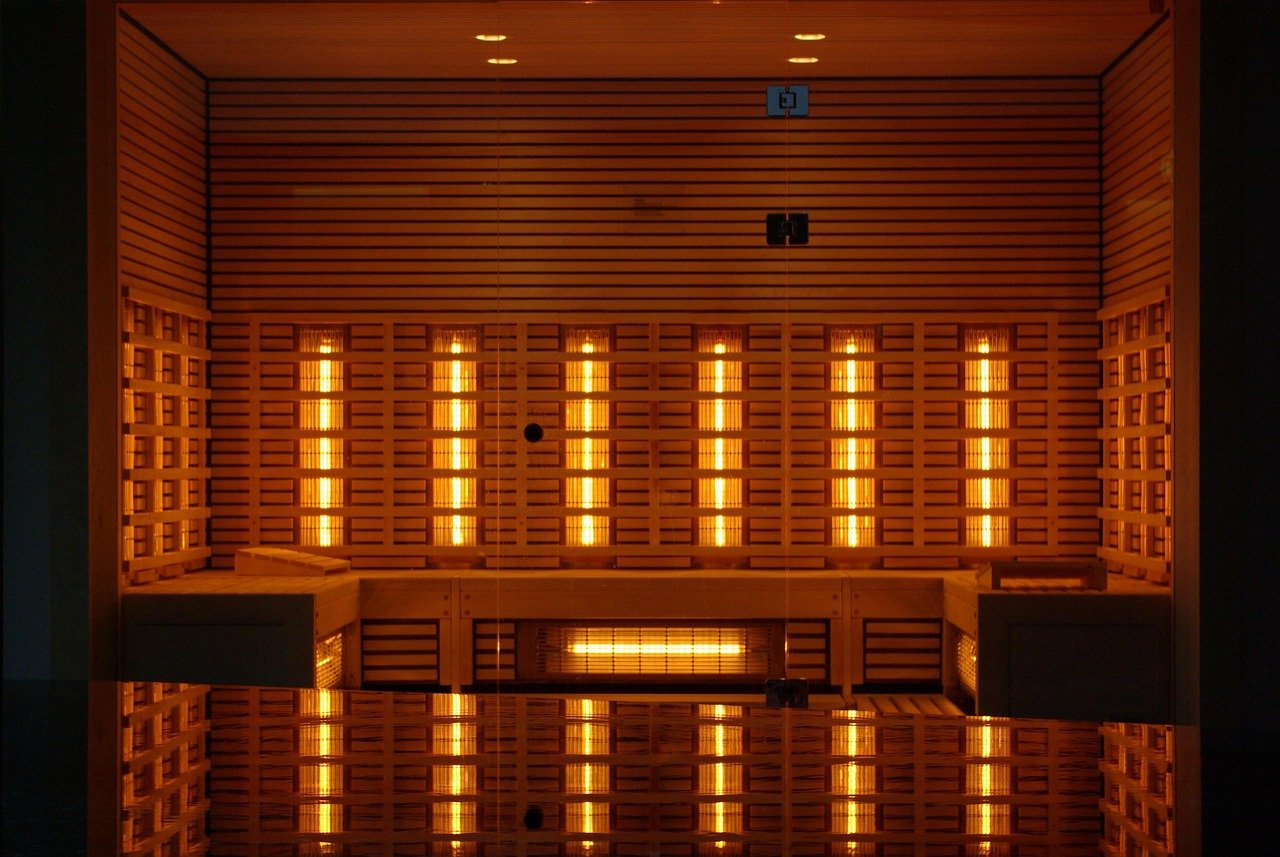
Infrared shower rooms and compact sauna inserts are showing up in more wellness spaces this year, and not only in luxury builds. Caterina Albanesi of Sunshower explains the appeal: “By combining controlled low-dose UV light with infrared warmth, Sunshower supports the body’s natural vitamin D production.” For homeowners who can’t fit a full sauna, portable infrared heating panels and heated blankets are the entry point, delivering a version of the same warmth-based recovery ritual without a construction project or a electrician on speed dial.
Search: infrared heating pads
4. Natural, Plastic-Conscious Materials
A quieter but significant shift is happening in what wellness rooms are built from. Wellness architecture trends for 2026, as outlined by Gold, describe a move away from synthetic textiles and foams and toward wool, cotton, linen, solid wood, stone, and ceramic, materials chosen specifically to reduce the microplastic particles that synthetic fibers shed into indoor air over time. It’s a subtler upgrade than a sauna or a lighting system, but it changes how a room feels underfoot and against skin, and it’s the kind of detail that ages well instead of looking dated in three years.
Search: organic cotton throw blankets
5. Scent Layered Like a Ritual, Not an Afterthought
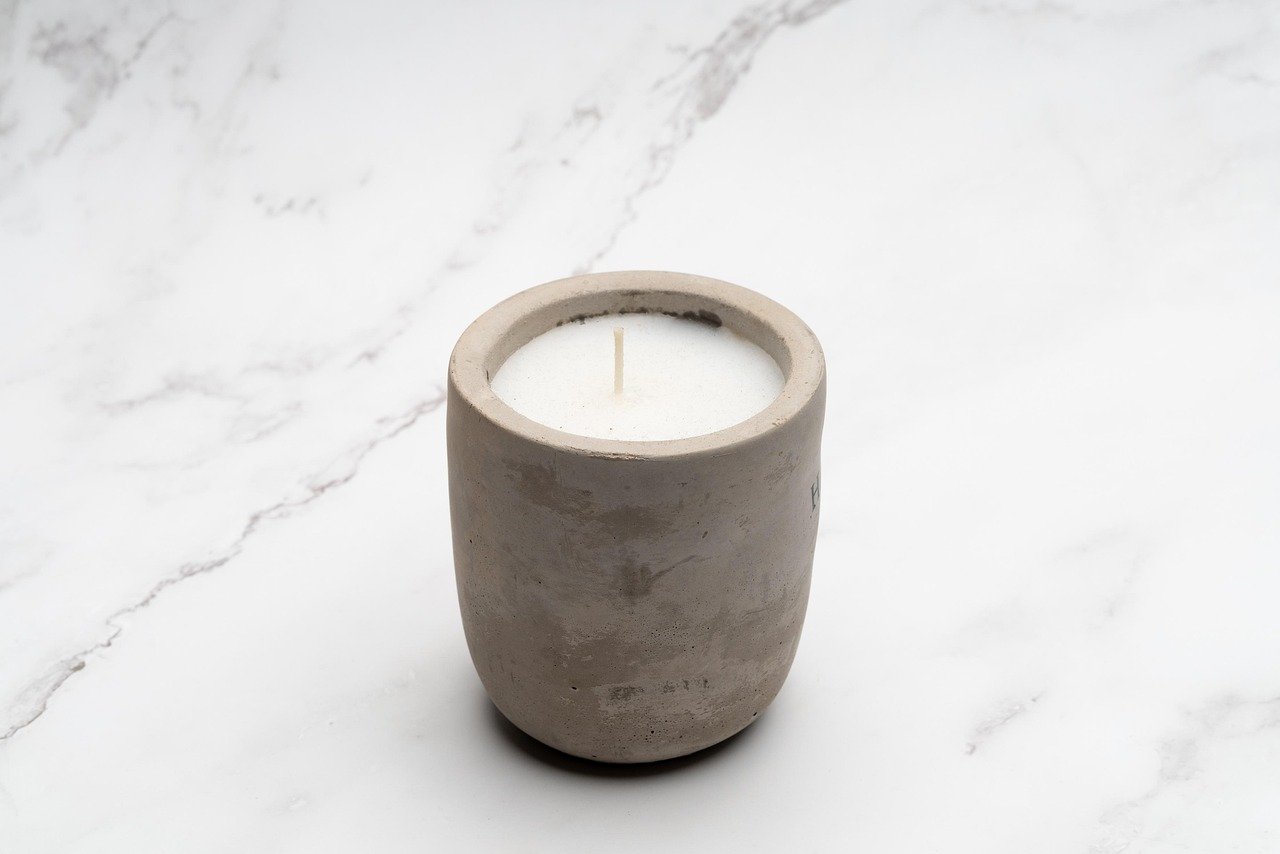
Niko Dafkos, co-founder of Earl of East, has watched home fragrance move from a single candle to something closer to a personal signature. “More and more we’re seeing people customize how they scent their homes, layering diffusers, candles, and room mists to reflect mood,” he says. In a wellness room specifically, that might mean a diffuser set to a calming blend in the evening and a brighter citrus scent for a morning session, controlled through the same smart-home app already running the lighting.

Search: essential oil diffusers
6. An Analogue Corner, On Purpose
Not every upgrade in a wellness room is high-tech. Some of the most requested features this year are the opposite. Hector Hughes, co-founder of Unplugged, has noticed a return to physical media and screen-free objects: “This year, we will experience the return to physical media that will not only help us slow down, but also showcase our personalities.” In practice, that looks like a stack of real books instead of a tablet, a wind-up clock instead of a phone charging on the nightstand, and a designated spot to leave devices at the door before stepping in.
Search: analog wind-up alarm clocks
7. Wellness Treated as an Investment, Not a Splurge
Perhaps the biggest mindset change is how homeowners are budgeting for these rooms in the first place. Designer Marie Cloud of Indigo Pruitt has noticed clients approaching wellness spaces differently than a typical remodel: “The type of investment that our clients are making is not just in the physical structure, but in their overall well-being,” she says. Nancie Min of Clodagh Design agrees the vocabulary has shifted industry-wide: “Whereas 10 years ago it was a very specialized language, the notion of wellness and all of the componentries are now everyday language.” That shift matters for anyone planning a smaller-scale version at home. It’s now common enough to plan for, not an eccentric add-on.
Start Smaller Than You Think
None of this requires gutting a room. Start with the light and the scent, since both can be changed in an afternoon and cost less than a hundred dollars combined. Add a single natural-material piece the next time you’re replacing something anyway, like a throw blanket or a bath mat. Save the infrared panel or sauna insert for after the smaller changes have proven the space actually gets used. The homeowners getting the most out of their wellness rooms in 2026 aren’t the ones with the biggest budgets. They’re the ones who assigned one room a single job and protected it.