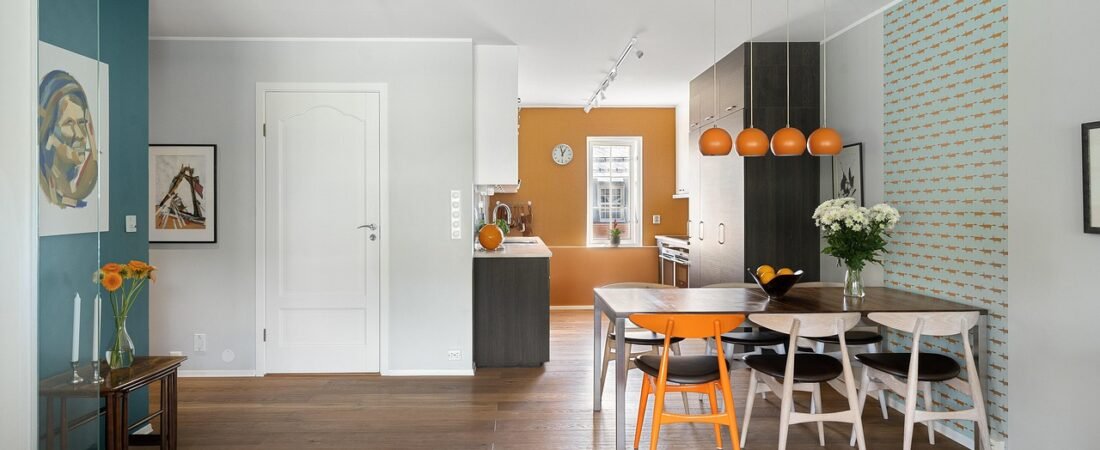
Last month I hosted a small dinner and realized my dining room looked great in daylight and awful at 7 p.m. One ceiling fixture blasted at full power, my guests squinted, and the food looked gray. That night I started researching dining room lighting ideas, and what I found changed how I think about the whole room. Designers in 2026 are less interested in one big gesture and more interested in layers, warmth and control. I pulled seven upgrades worth copying. As an Amazon Associate, I earn from qualifying purchases, so a few picks below link to searches where you can compare options and check the current price yourself.
What Are the Best Dining Room Lighting Ideas for 2026?
The best dining room lighting ideas for 2026 combine a properly sized statement fixture with layers of warm, dimmable light: wall sconces, a buffet lamp and 2700K bulbs on a dimmer. Skip a single harsh overhead source. Hang the main fixture 30 to 42 inches above the table, depending on your ceiling height.
Below are seven upgrades, plus plain-English answers on fixture height, size and bulb color.
Why Is Dining Room Lighting Changing in 2026?
Two things are happening at once. First, designers are retiring the cold, utilitarian look. In a November 2025 Livingetc roundup of outdated lighting trends, designer Scott Richler of Gabriel Scott said that “raw bulbs and exposed filaments feel dated, and lack sophistication and comfort.” Lights&lamps founders Niki Wright and Scarlett Hampton put it even more bluntly: “People don’t want to relax amongst exposed bulbs, wire cages, and nuts-and-bolts detailing.”
Second, the dining room itself is getting more attention again. As more homeowners bring back rooms with a clear purpose, our look at the formal dining room comeback shows why lighting is often the first thing people rethink. If you want the full-room picture, start with our guide to dining room trends in 2026, then come back here for the lighting details.
7 Dining Room Lighting Upgrades Designers Recommend
1. Layer Your Light Instead of Relying on One Fixture
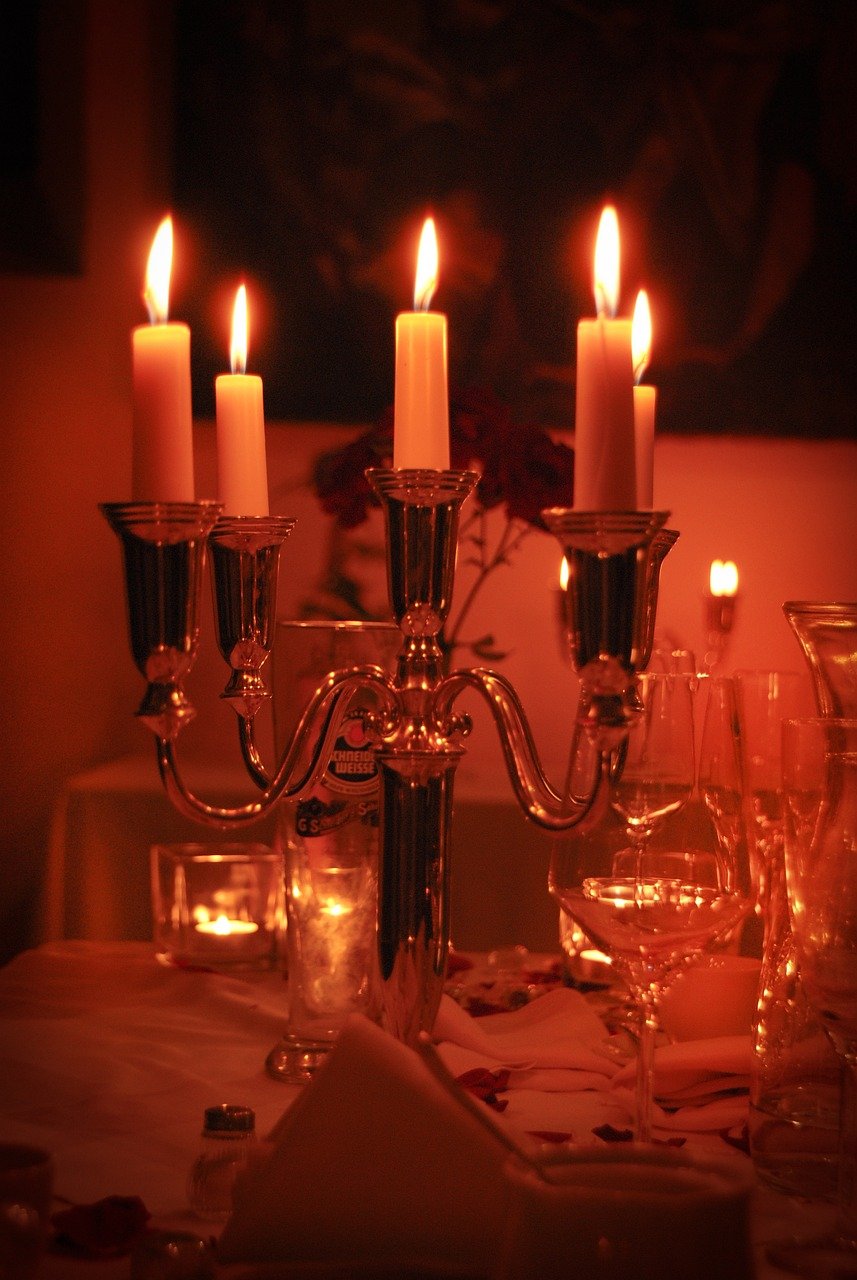
This is the single biggest shift. The same Livingetc roundup warns that harsh downlighting makes rooms feel clinical, and designer Juliette Byrne said that “harsh, bright-white LEDs can make even the most beautiful interiors feel clinical.” The fix is layering: a pendant or chandelier for ambient light, sconces or lamps for accent light, and candles for the final touch.
Designer DuVäl Reynolds told AOL that “more people are realizing that overhead cans shouldn’t be the primary—or only—source of light.” You do not need to rip out your recessed lights. Just stop making them do all the work.
2. Put Everything on a Dimmer
A dimmer is the cheapest dining room upgrade I know. Homework and weeknight pasta need bright light. A birthday dinner needs something closer to candlelight. One switch lets the same room do both.
Dimmers only work with the right bulbs, so check that your LED bulbs are labeled dimmable before you buy. This matters because a mismatched bulb can flicker or buzz, and that ruins the mood fast.
Dimmable warm-white bulbs are the easiest place to start, since they work in most existing fixtures. Here is a search to compare dimmable 2700K LED bulbs and check the current price.
3. Size the Statement Fixture to the Table
Designers disagree on whether big chandeliers are in or out, and the answer is proportion. Zoë Feldman told AOL that “large-scale lighting acts as interior architecture, bringing proportion and sculpture to a room.” Yet Livingetc’s outdated list calls out oversized chandeliers hung “for statement’s sake” because they dominate instead of elevate.
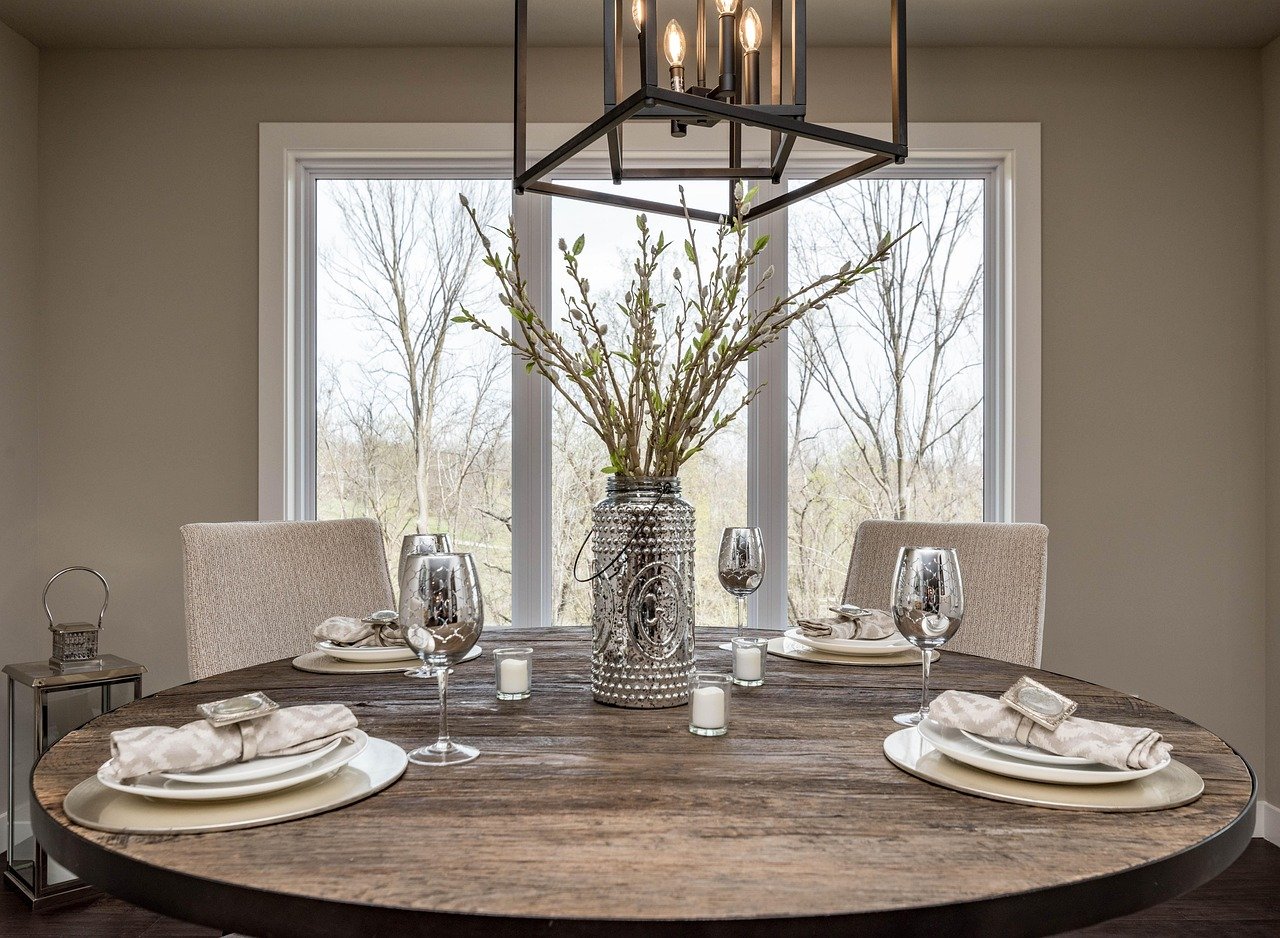
The middle path is a simple rule. Alejandro Campos and Joel Rojas, co-founders of Bandido Studio, told Livingetc that “the light fixture ranges from half to two-thirds the width of the table.” A 40-inch-wide table suits a fixture roughly 20 to 27 inches across. Go bigger only if the room has the ceiling height to carry it.
4. Add Wall Sconces for Soft Side Light
Sconces are the quiet hero of a good dining room because they light faces at eye level instead of from above. Founder Mara Rypacek Miller of Industville told Livingetc that “wall sconces are great for layering light and enriching spaces with character,” and dimmable versions let you control the mood.
Renting, or no electrician in the budget? Plug-in sconces solve that. They hang on a hook and run to an outlet, with no wiring needed.
Look for a cord cover or a cord that matches your wall color so the setup looks intentional. You can browse plug-in wall sconces with dimmers and compare finishes before you commit.
5. Swap Industrial Looks for Softer Materials
Cage pendants and bare bulbs had a long run. The 2026 move is glass, linen, rattan and aged metal. Wright and Hampton say that “aged brass and bronze tones bring depth and warmth to any space,” a calmer alternative to shiny copper or bright brass.
If a full fixture swap is out of budget, change the shade or the bulb first. A frosted or opal bulb in an existing pendant instantly softens the glare.
6. Add a Portable Lamp to the Buffet or Sideboard
A lamp on a sideboard adds a low, glowing layer that overhead fixtures cannot. It also frames the room for guests, who see warm pools of light instead of one bright center. Rechargeable lamps are the easiest way to do it, because no cord has to cross the floor.
If you want the full story on why these are everywhere, read our piece on cordless lamps as the 2026 lighting trend. When you are ready to shop, here is a search for rechargeable cordless table lamps that suit a sideboard or buffet.
7. Treat One Fixture Like Jewelry and Stop Matching Everything
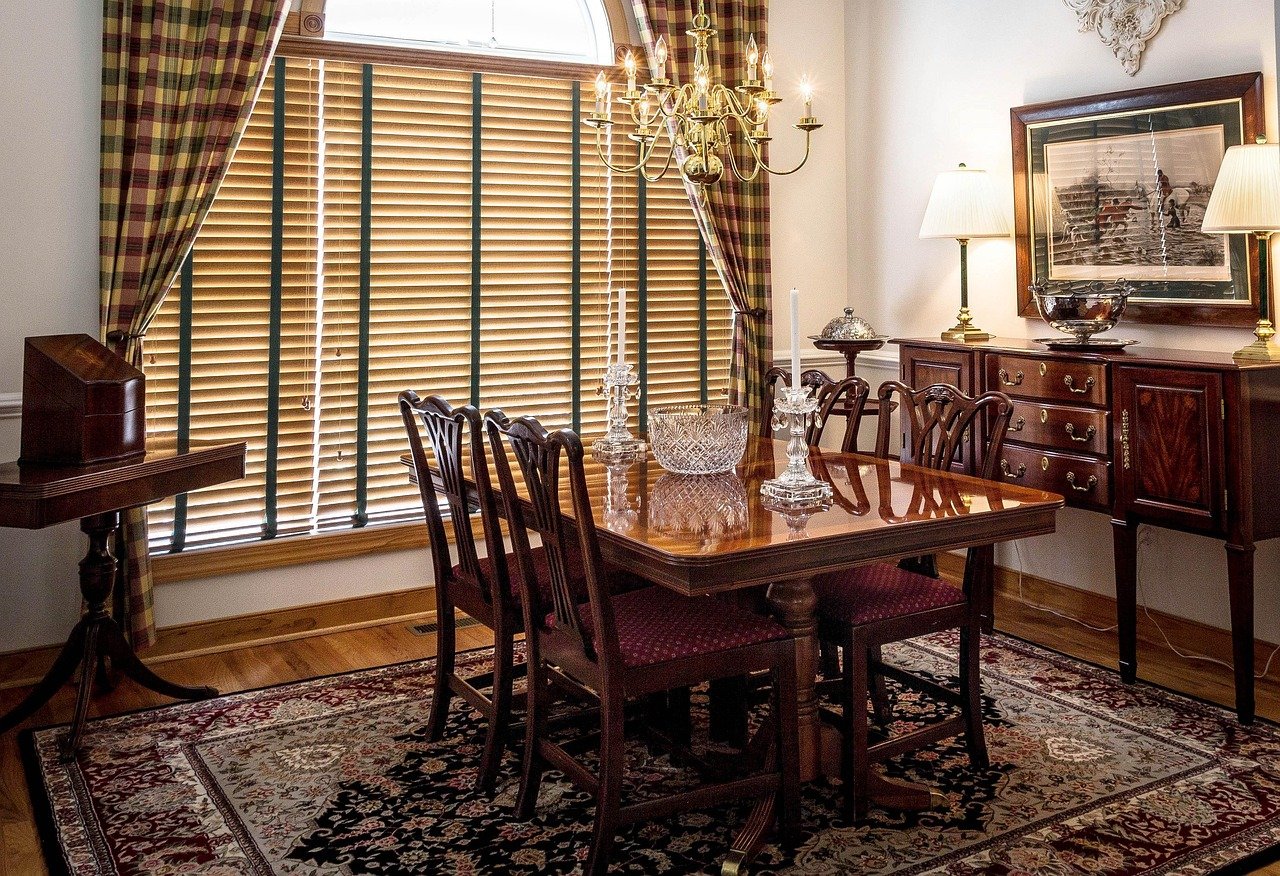
Bethany Gale of Stonehill Taylor Interiors told AOL that “there is a renewed interest in treating lighting almost as jewelry, using a few highly detailed fixtures as focal points.” Pick one standout piece, such as a hand-finished pendant or a vintage find, and let the others stay quiet.
That same Livingetc list says matching every fixture is out. Richler called identical sconces, pendants and chandeliers repeated through a home “too uniform.” Mixing finishes, shapes and eras gives the room a collected feel.
How High Should You Hang a Dining Room Chandelier?
There is no single number, but designers cluster around 30 to 42 inches from the tabletop to the bottom of the fixture. Designer Mead Quin told Livingetc, “I like the bottom of a fixture to hit approximately 34″ above the surface of the dining table,” while Kristen Pena of K Interiors says, “Hanging a dining room chandelier 36″-42″ above the table is a great spot.”
Your ceiling matters, too. With standard 8-foot ceilings, stay near the low end of that range so the fixture does not feel crowded. With 10-foot ceilings, go higher. Designer Tracy Morris, quoted by Homes & Gardens, suggests 40 to 42 inches for 10-foot ceilings.
A quick test helps: sit at the table. If you can see your dinner partner clearly without ducking, you are close.
What Color Light Bulb Is Best for a Dining Room?
Warm white is the answer. A September 2026 Livingetc guide quotes Luke Thomas of John Cullen Lighting: “I’d generally recommend 2200K–2700K for living spaces and around 3000K for task areas.” Lighting Design Studio’s Bruce Weil says 2700K “gives a warm white light without becoming too yellow.”
For evening ambiance, Weil adds that his team often uses much warmer accent light, “sometimes down towards 2200K or even 1800K, which starts to feel closer to candlelight.” Check the box for a high CRI number too, because it helps food and skin tones look natural.
Candles still count as a lighting layer. If your table is also a game table or homework spot, our feature on game tables coming back indoors covers how to balance bright and cozy. And if your dining area flows into a kitchen corner, see how breakfast nook trends treat a single pendant as the room’s anchor.
Frequently Asked Questions
How high should a chandelier hang above a dining table?
Most designers say 30 to 42 inches between the tabletop and the bottom of the fixture. Use the lower end for 8-foot ceilings and 40 to 42 inches for 10-foot ceilings. Hang it so you can see people across the table without the fixture blocking the view.
What size chandelier do I need for my dining table?
Aim for a fixture that is one-half to two-thirds the width of your table, according to Bandido Studio’s co-founders. For a 40-inch table, that is roughly 20 to 27 inches. Pick the narrower end for a small room and go wider only with high ceilings.
What color temperature is best for dining room lighting?
Choose 2700K for your main overhead bulbs, since designers say it is warm without turning too yellow. Use 2200K or lower for accent lamps and candle-like glow, and about 3000K only for task areas. Put everything on a dimmer so you can adjust through the evening.
Should a dining room have recessed lighting?
You can keep it, but it should not be the only source. Designer DuVäl Reynolds says overhead cans should not be the primary or only source of light. Use recessed lights on a dimmer as a background layer, then add a pendant over the table and sconces or lamps for warmth.
If I had to start with just one change, I would do two things this weekend: put the main fixture on a dimmer and swap in 2700K bulbs. Those two steps cost the least and fix the exact problem I had at my dinner, the harsh, gray light. Add sconces and a buffet lamp when you are ready, and save a bold fixture for last.