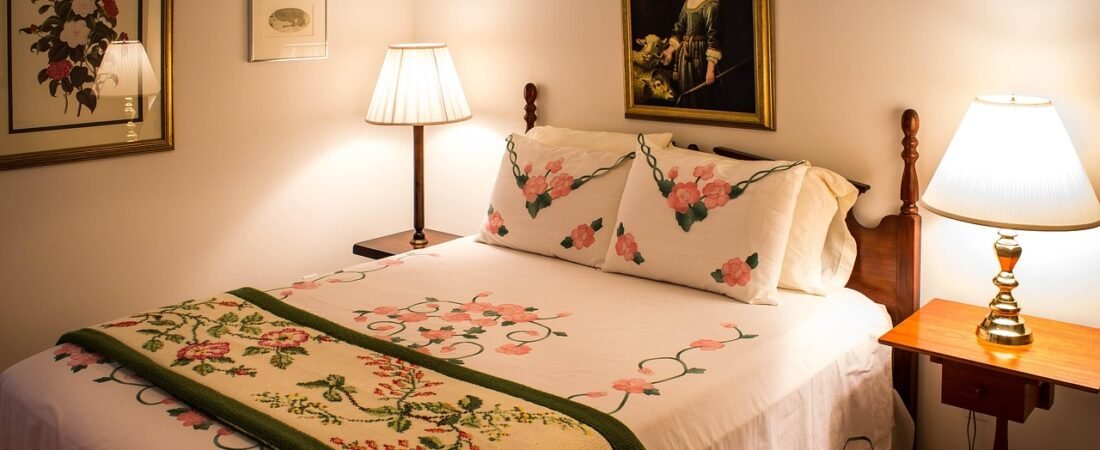
Every November, my in-laws arrive for a five-night stay, and every November I scramble to make the spare room feel like something other than storage with a bed shoved into it. Last year I finally sat down and asked myself why a room only used a few weeks a year always looked the least finished in the house. The answer, it turns out, is that most of us treat guest rooms as an afterthought instead of a small, low-stakes place to actually have fun with design. Interior designers who specialize in this exact room told me the same thing: a guest room is one of the few spaces where you can take real risks, because you’re not living in it every day. As an Amazon Associate, I earn from qualifying purchases made through the links in this post. Here are seven upgrades that took my guest room from “the room we apologize for” to the room people ask to stay in again.
1. Trade the All-White Palette for a Warm, Grounded Color Story
Why this matters: Most guest rooms default to safe white or beige because it feels neutral and inoffensive, but designers say that instinct actually works against you. Interior designer Nina Lichtenstein explains that “when it comes to guest bedrooms, color is the welcoming host that sets the tone before a single word is spoken,” adding that “the best palettes are those that strike a balance between warmth and neutrality, using colors that make guests feel both cared for and unburdened.” Lauren Lerner of Living with Lolo agrees that a guest room benefits from a deliberate palette: “Soft neutrals like warm whites, taupes, and gentle greiges instantly make the space feel welcoming, and layering in muted blues or earthy greens adds a relaxed, restorative feel.” The goal isn’t a loud accent wall for its own sake, it’s a color story that feels intentional the second someone walks in.
A gallon of the right paint color is one of the cheapest upgrades in this entire list, and you don’t need a full renovation to test it. If you’d rather skip the brush, a set of removable wallpaper in a warm, muted tone gets you most of the same effect over a weekend, and it comes off cleanly when the room’s purpose ever changes.
2. Break Up the Matching Furniture Set
Why this matters: A dresser, nightstand, and headboard that all came from the same box are the fastest way to date a guest room. Juliette Byrne, an interior designer quoted by Homes & Gardens, puts it plainly: matching sets “can look old-school and predictable” and “look heavy in the room and old-fashioned compared to the modern materials that are used now.” Her fix is to mix it up: “Mixed finishes such as using wood, upholstered items, and metal make a bedroom feel much more put together, as though thought and time has gone into curating the space, rather than buying a matching set.” Village Design Studio partner Meghan Hackett Cassidy adds that it’s often the smaller, overlooked pieces that give a room away as outdated, not just the big furniture.
You don’t need to replace every piece at once. Swap just the nightstand for something with a different finish, like a rattan or woven nightstand, and keep the existing dresser. The contrast alone does most of the visual work.
3. Layer Your Lighting Like a Boutique Hotel
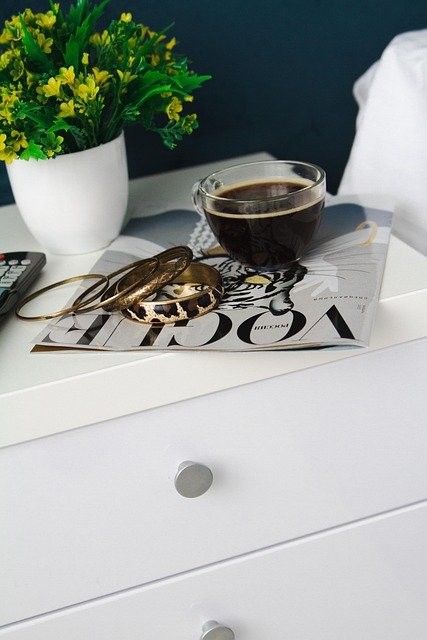
Why this matters: A single overhead fixture is one of the clearest signals of a dated, unfinished guest room. Nicky Dobree, an interior designer featured in Homes & Gardens, says that “bedrooms are all about creating atmosphere, and mood lighting plays a key role.” Designer Gabriel Scott echoes that idea in the context of what separates a tired guest room from a current one: “Where dated guest bedrooms relied on single sources, contemporary design orchestrates light as carefully as any other architectural element.” In practice, that means at least two or three light sources at different heights, so a guest can read in bed without flipping on a harsh ceiling light that floods the whole room.
A pair of dimmable bedside lamps and a plug-in wall sconce for a reading corner are both no-tools upgrades that don’t require touching your electrical wiring, which matters if you’re renting or just don’t want to call an electrician for a room that gets used a handful of nights a year.
4. Upgrade the Textiles Guests Actually Touch
Why this matters: Bedding is the single thing every guest physically interacts with for hours, and it’s also the first thing to look tired. Meghan Hackett Cassidy is direct about this: “Textiles age faster than most furnishings, and tired or overly patterned bedding can instantly make the room feel stuck in another era.” Interior designer Kim Piroli adds that it’s not just the sheets, either. “Old, sometimes dusty window treatments” are, in her words, “quite the offender” when it comes to a guest room feeling neglected. Fresh, well-chosen textiles do more to make a room feel cared for than almost any other single change, and they’re also the easiest to update without any construction or painting.
A set of linen-blend bedding in a warm neutral layered with a textured knit throw blanket is the fastest way to make a bed look and feel like something out of a boutique inn rather than a spare room.

5. Build a Mini Charging and Amenity Station
Why this matters: Nobody wants to crawl behind a headboard hunting for an outlet at midnight. Designer Emily Henderson, who writes extensively about nightstand design, notes that even small details like cord management change how a space feels, pointing out that “fabric-wrapped cords are so much prettier, and I think less of an eye sore when there’s no way of hiding them.” For a guest room specifically, the practical fix her readers land on is simpler than rewiring anything: put a tidy, visible charging solution right on the nightstand so guests never have to ask where the outlet is. It’s a small, almost invisible fix, but it’s the kind of thoughtful detail that guests actually remember and mention afterward.
A compact multi-port charging station paired with a small tray for glasses, phones, and a couple of chargers turns the nightstand into something genuinely useful instead of just decorative.
6. Rethink the Window Treatments
Why this matters: Thin, mismatched, or sun-bleached curtains are consistently named by designers as one of the biggest giveaways of a neglected guest room. Kim Piroli’s comment about “dusty window treatments” being an offender applies just as much to curtains as bedding. Beyond appearance, window treatments affect how well a guest actually sleeps, which matters more in a room they’re not used to. Curtains that block enough light for an unfamiliar sleeper, paired with a soft sheer layer for daytime privacy, do double duty: they look more finished and they solve a genuinely practical problem for anyone staying in an unfamiliar bed for the first time.
Swapping in a set of blackout curtains with a sheer underlay is a one-afternoon project that immediately makes windows look more considered, and it solves the “why is it so bright in here at 6am” complaint before it happens.
7. Add Real Art and a Few Personal Touches
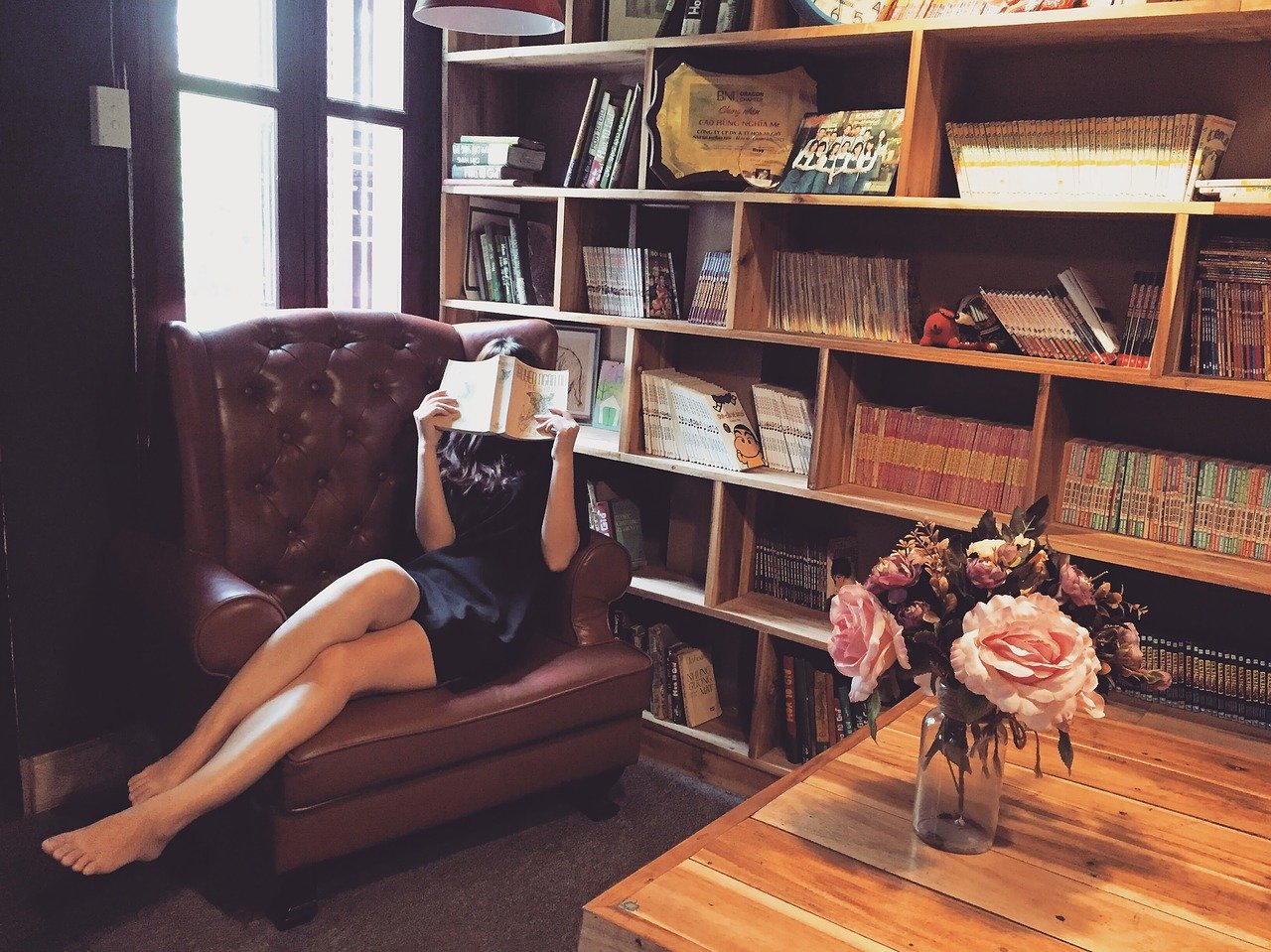
Why this matters: A blank wall is the clearest sign a room was an afterthought. Interior designer Cat Dal sums up the philosophy simply: “Guest rooms should be fun, delightful, and attractive. Always hang beautiful artwork.” Kitesgrove’s Clara Ewart and other designers interviewed about guest room design repeatedly point to small, considered details, a good reading lamp, a bookshelf, a cozy corner, as what separates a room guests tolerate from one they genuinely enjoy. The goal isn’t to fill every surface. It’s to make a few deliberate choices that signal someone thought about the person who’d be sleeping there, rather than just clearing out a corner and calling it done.
A pair of framed art prints and a small bedside water carafe set are inexpensive, low-effort additions that make the room feel considered rather than improvised.

The Room That Finally Stopped Apologizing for Itself
None of these seven changes required moving a wall, hiring a contractor, or spending a renovation-sized budget. What they had in common was treating the guest room like a real room instead of a placeholder: a color that was chosen on purpose, furniture that wasn’t a matched trio, light you could actually read by, bedding that felt intentional, an outlet problem solved before it started, curtains that did their job, and a wall that wasn’t blank. My in-laws’ visit this November will be the first time the guest room isn’t the space I quietly hope they won’t look at too closely. It’s still the same four walls and the same bed frame, it just finally looks like someone decided it mattered.