I used to think a “home library” meant a single crowded shelf in the corner of my living room, the kind you walk past without really seeing. Then I started noticing how many designers this year are treating the room as its own destination again, not an afterthought squeezed between the sofa and the TV. September 2026’s design coverage keeps circling back to the same idea: people are craving a quiet, screen-free room they actually want to sit in. I dug through what Homes & Gardens, Livingetc, and House Digest are reporting from working designers right now, and pulled together the upgrades that keep coming up. A few of the picks below link to products on Amazon, and as an Amazon Associate, Every Corner earns from qualifying purchases made through the Amazon links below, at no extra cost to you, which just helps keep this site running. Here’s what’s actually changing in home libraries and reading rooms for 2026.
Book-Drenched Built-Ins Take Over the Walls
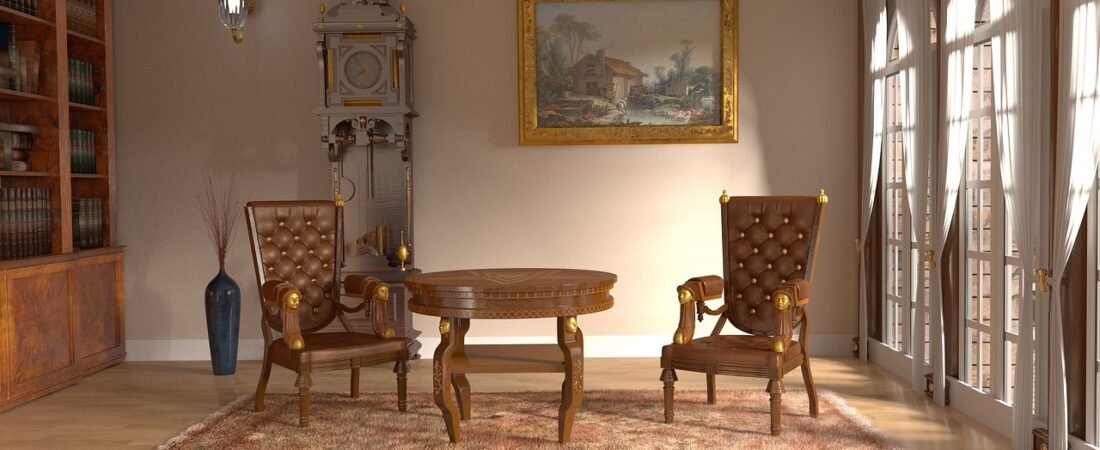
The biggest shift in home libraries this year has nothing to do with adding more books. It’s about committing to the shelving itself as the design statement, floor to ceiling, wall to wall, in a color that has nowhere to hide. Designer Bryony Richardson described wrapping an awkward architectural nook in bespoke joinery instead of boxing it in, painting the whole thing “in a bold heritage red.” That’s the move: rather than treating built-ins as background storage, they become the room’s main event.

Why this matters for your own space: floor-to-ceiling shelving does double duty that a single bookcase never could. It gives a small or awkwardly shaped room a sense of intention, turns a blank wall into storage you’ll actually use, and, when painted in a saturated color, makes the room feel finished rather than half-furnished. You don’t need custom millwork to borrow the idea. A tall, modular shelving unit pushed edge to edge along one wall gets you most of the way there, especially if you paint the wall behind it to match.
Shop a similar look: modular floor-to-ceiling bookshelf units (from around $180)
Curated, Not Cluttered, Shelf Styling
Once the shelves themselves are the statement, what goes on them matters more than ever. Meg McSherry of Meg McSherry Interiors said adding “considerable bookshelves and cabinets instantly creates character and brings a sense of intimacy to a room,” but she’s also clear that overstuffed shelves undercut the effect. Leanne Kilroy of Good Bones London put it simply: “the best and easiest way to style statement shelves is to simply fill them with books,” then let the arrangement breathe.
The reason this upgrade is worth the effort is that a shelf tells a story about the room whether you plan it or not. Books stacked both vertically and horizontally, broken up with a few ceramics or framed art, reads as collected and personal. The same shelf crammed edge to edge with no negative space just reads as storage. McSherry noted this directly, saying the goal is to keep things “looking relaxed and uncomplicated” so “the eye can keep moving and avoid distraction.” A handful of good bookends and a few sculptural objects go a long way toward getting that balance right.
Shop a similar look: decorative bookend sets (from around $25)
The Tech-Free “Analog Room” Trend
Multiple designers this year described clients specifically asking for a room where phones, screens, and streaming don’t belong. Dallas designer Kara Adam said she’s “definitely seeing more clients ask for what I call analog spaces, rooms that are really about quality time,” while NYC designer Andrew Suvalsky pointed to the same instinct from a different angle: “when every room does everything, it loses clarity, and people are craving environments where they can actually focus on one activity without distraction.” Interior designer Tracy Morris framed the appeal simply: “analog rooms are designed to encourage connection, conversation, and calm.”
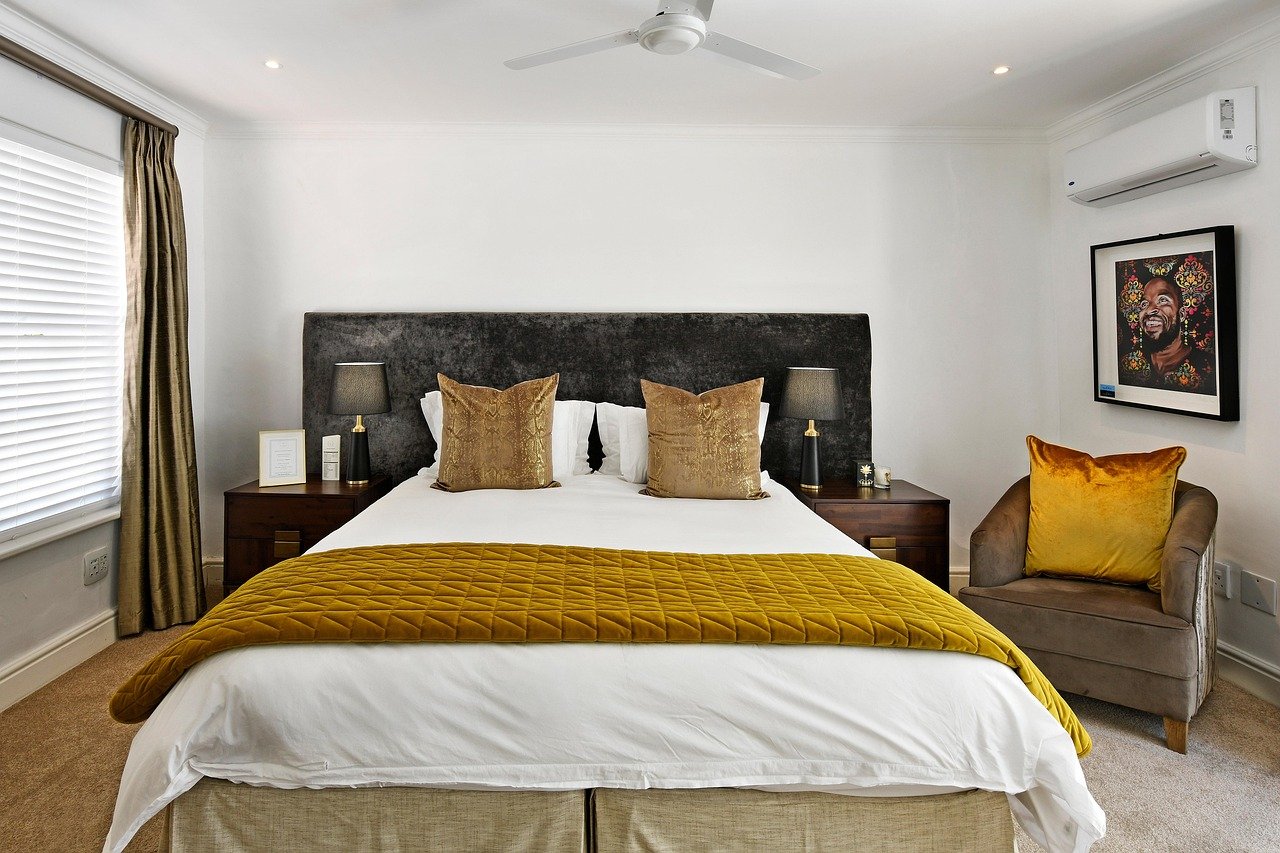
A dedicated library is the natural home for this trend because it already has a single job: reading, not scrolling. If you’re carving one out of a spare room, resist the urge to add a TV or a charging dock as the focal point. A record player earns its keep here in a way a screen doesn’t, since it fills the room with something to listen to without asking you to look at it. It’s a small, low-cost way to make the room feel like it belongs to a different, slower pace than the rest of the house.
Shop a similar look: vinyl record players (from around $90)
Library-Bar Hybrids for Evening Entertaining
The library isn’t staying purely bookish, either. Designer Autumn Pochiro of Autumn Dawn Design described converting a library into a combined lounge for “afternoon cocktails and light reading,” pairing the shelving with a proper bar setup rather than keeping the two rooms separate. It’s a practical answer to the reality that most home libraries only get used a few hours a week if they’re a single-purpose room, and a lot more if there’s a reason to linger.
This pairing works because a library already has the ingredients a good lounge needs: comfortable seating, warm lighting, and a reason to sit still. Adding a small bar cart or a tray of glassware turns an afternoon reading room into a space guests actually want to end up in after dinner, without requiring a full renovation. It’s an easy way to get more use out of a room that might otherwise sit empty most of the week.
Shop a similar look: bar carts with wine storage (from around $110)
A Statement Chair Built for Long Afternoons
Shelving gets the attention, but designers keep pointing back to seating as what actually makes a library work. London-based designer Phoebe Hollond of Studio Hollond said “the key to a great book nook comes down to having a dedicated space to feel completely enveloped in,” while designer Sarah Brown described the goal plainly: “a good reading corner should feel comfortable, inviting, and slightly removed from the rest of the room.”
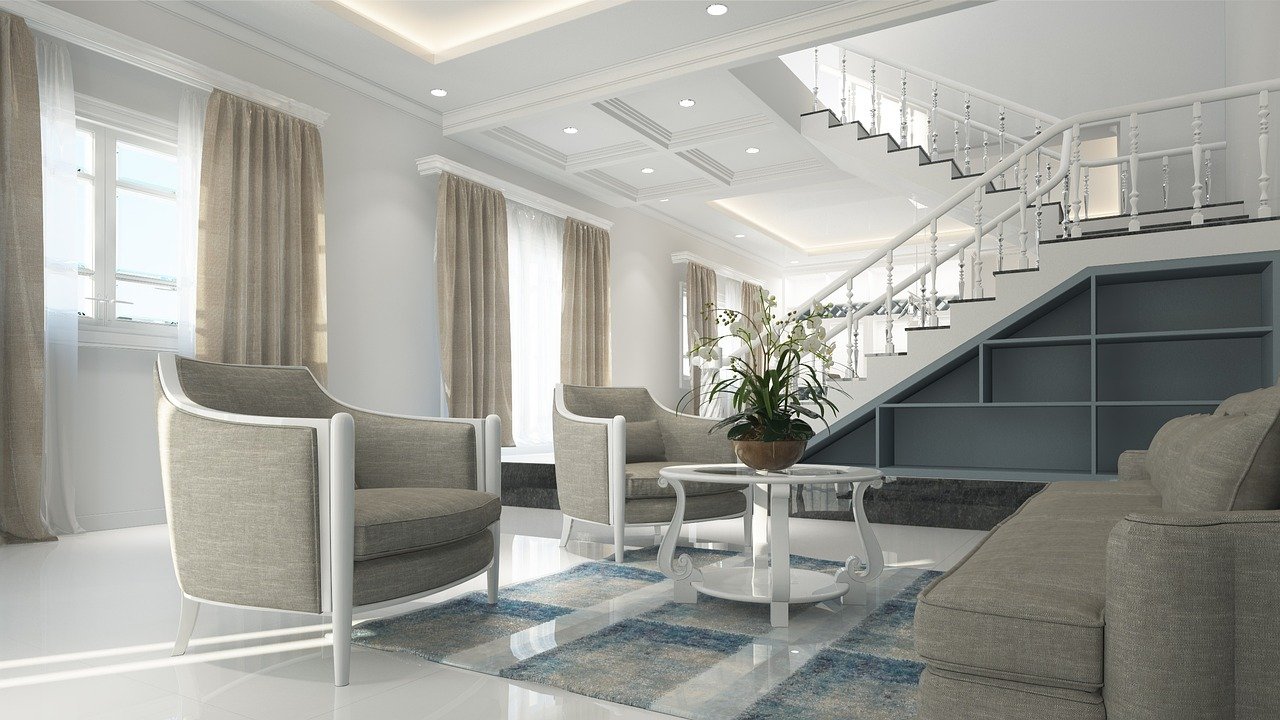
One good chair, positioned near a window or a warm lamp, does more for a reading room than any amount of shelving. It’s the difference between a library you photograph and one you actually sit in for an hour. A deep, upholstered armchair in velvet or boucle, ideally with a high back that blocks out the rest of the room, matches what Brown described as feeling “slightly removed” without needing an entire renovation to get there.
Shop a similar look: velvet wingback reading chairs (from around $280)
Rolling Ladders Make a Practical Comeback
For libraries with genuinely tall shelving, the rolling ladder is back as more than a decorative flourish. It shows up repeatedly in current design coverage of book nooks and home libraries as both a functional necessity and a visual anchor, the kind of detail that signals the room was built around its books rather than furnished around a television.

Even in a room without floor-to-ceiling shelving, a compact wheeled ladder or step stool signals the same thing on a smaller scale, that the top shelves are meant to be used, not just admired from the floor. Pair it with a flexible reading lamp, since designers keep coming back to warm, adjustable lighting, whether that’s a gooseneck floor lamp or a picture light mounted above the shelves, as the detail that makes a library feel finished rather than just stocked.
Shop a similar look: rolling library ladders (from around $220)
Warm, Tactile Materials Replace Cold Minimalism
The last shift is about texture more than layout. Curated Nest co-founder Erin Coren said she’s “seeing a real appetite for spaces that feel intentionally analog,” and that appetite shows up in materials as much as anything else, leather, worn wood, boucle, and heavy woven textiles replacing the glass-and-steel minimalism that dominated home offices and studies a few years ago.
A library built entirely from hard, cool surfaces reads as a showroom, not a room you want to spend an evening in. Layering in a thick wool rug, a nubby throw, and warm wood tones softens the room and makes the shelving itself feel less clinical. It’s a low-cost way to finish the look after the bigger furniture pieces are in place, and it’s usually the detail that makes visitors want to sit down rather than just look around.
Shop a similar look: wool area rugs (from around $150)
Bringing It Together
What stands out across all of this is that a home library isn’t being treated as a bonus room anymore. It’s a deliberate answer to how crowded and screen-heavy the rest of the house has gotten, one bold wall of shelving, one good chair, and a rule that phones stay outside the door. You don’t need to gut a room to get there. Start with the shelving and the seating, since those two upgrades carry most of the weight, then let the smaller details, the ladder, the lighting, the rug, catch up over time. A library that gets used every week beats a picture-perfect one that doesn’t.