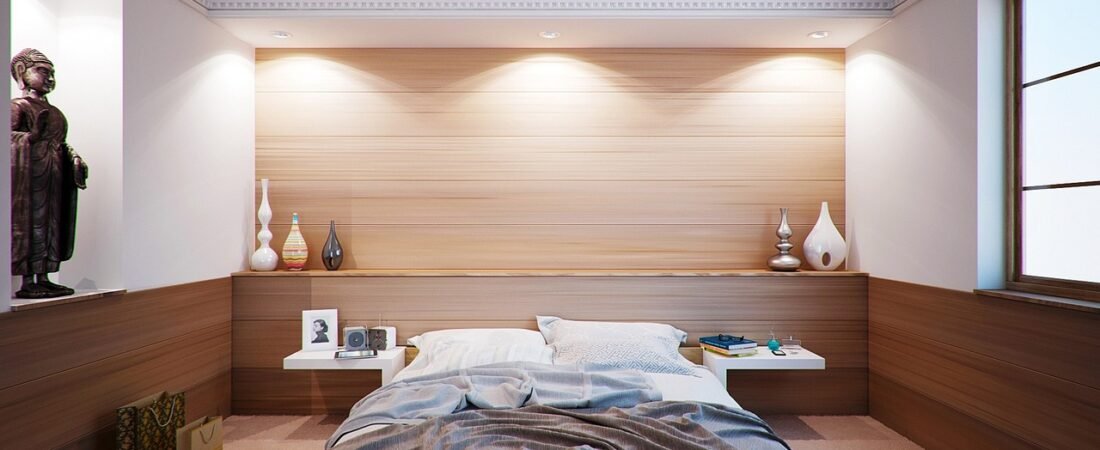
Every design conversation about 2026 keeps circling back to one room, and it isn’t the kitchen or the living room. It’s the primary bedroom, the one space in a house that’s finally getting treated as more than a landing pad for folded laundry and a phone charger. After years of being told that a “calm” bedroom meant stark white walls, a single gray duvet, and nothing else, I started asking working interior designers what they’re actually specifying for clients heading into 2026, and the answer was a relief: warmth, color, texture, and a little bit of indulgence are back, all in service of making the bedroom feel like a genuine retreat instead of a hotel room nobody booked. A quick note before the list: a few of the product links below route through Amazon, and as an Amazon Associate, Every Corner earns from qualifying purchases at no extra cost to you, which is part of how we keep digging into reports like this one. Here are eight shifts designers say are defining primary bedrooms in 2026.
1. Warm, Grounded Neutrals Replace Cool Gray
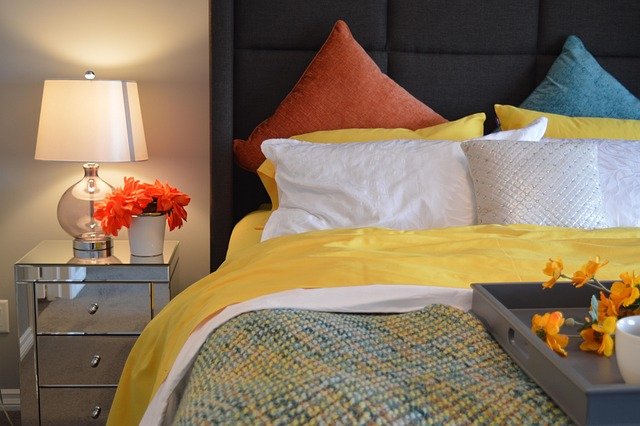
The decade-long reign of greige is ending, and designers are replacing it with neutrals that actually feel warm instead of clinical. Jeanne Barber, founder of Camden Grace Interiors, told Homes & Gardens that “in 2026, neutrals are getting a makeover – think warm, refined foundations paired with bold, intentional pops of color.” Designer Sean Symington echoed the same shift toward comfort over coolness, noting that “bedrooms are becoming calmer and more cocooning,” built on “layered textures, softer use of pattern, and warm, grounding colors” rather than the flat, chilly palette that defined the last several years of bedroom design.
The easiest way to bring this into an existing room is through bedding rather than paint, since a full repaint is a bigger commitment than most people want to make on a trend they haven’t lived with yet. Swapping a cool-toned duvet for something in warm linen or stonewashed cotton does most of the visual work on its own.
Shop warm neutral linen bedding sets on Amazon
2. The Statement Headboard Takes Over
The understated, barely-there headboard is losing ground to something with actual presence. David Harris, design director at Andrew Martin, says “the oversized headboard continues its rise as the undisputed star of the bedroom. It’s no longer just a backdrop to the bed.” Designer Kathy Kuo is seeing the same instinct play out through an even bigger gesture: “I’m obsessed with four-poster canopy beds, and I expect we’ll see more of this luxurious, ultra-cozy bedroom centerpiece in 2026.” Yellow London co-founder Cath Beckett confirmed client demand is already there, reporting “an increase in requests for standout headboards and half tester bed canopies to instantly give a personal, cozy feel.”
Not everyone is ready to commit to a full four-poster frame, and that’s fine, since an oversized upholstered headboard delivers most of the same visual weight for a fraction of the footprint and cost. The goal is scale: a headboard that reaches well above where a pillow line would normally stop.
Shop oversized upholstered headboards on Amazon
3. Drapery Becomes a Design Statement, Not Just Window Dressing
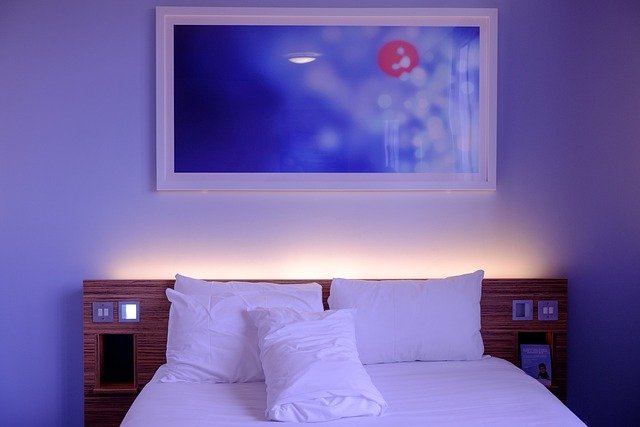
Curtains are getting promoted from functional afterthought to focal point. Designer Rebecca Hughes puts it plainly: “curtains are no longer confined to the role of window dressing – they’ve become a versatile design statement.” That shift shows up in heavier, more textural fabrics, floor-pooling lengths, and curtains hung well above the window frame to draw the eye upward and make ceilings feel taller than they are.
It’s one of the lowest-effort upgrades on this list in terms of labor, since it doesn’t involve furniture or paint, just a different fabric and a slightly higher rod. Full-length linen panels in a warm, grounded tone work with the neutral palette shift above instead of fighting it.
Shop floor-length linen curtains on Amazon
4. Color-Drenching the Entire Room
Instead of one accent wall, designers are pushing clients toward saturating the whole room, walls, trim, and ceiling, in a single committed color. DuVäl Reynolds, owner and principal designer at DuVäl Design, told AOL that “we’re seeing color-drenching emerge as a major movement” for 2026 bedrooms specifically, a technique that reads as far more intentional than a single feature wall ever does.
Color-drenching is a bigger commitment than most items on this list, so it’s worth testing with a large sample board before painting an entire room, trim included. A muted clay, deep green, or soft terracotta tends to read as cocooning rather than overwhelming once the whole room is unified in one tone.
Shop interior paint sample kits on Amazon
5. Built-In Nightstands and Headboard Walls
Freestanding furniture trios, matching nightstands flanking a matching headboard, are giving way to millwork that reads as part of the architecture. Alexis Vitale of Vitale Design Group says “clients want their bedrooms to be truly integrated with nightstands, custom headboard walls, concealed lighting, and millwork.” Michelle Murphy of DEMI RYAN frames it as part of a bigger hospitality-inspired mood: “hotel calm luxury, saturated wall colors, textural bedding, integrated lighting, and thoughtful minimalism. Think cocooning!”
A full custom millwork wall is a renovation-level project, but the floating, wall-mounted nightstand that’s become a staple of that built-in look is something most people can install in an afternoon, and it instantly makes a bedroom read as more deliberate than a boxy furniture set ever could.
Shop floating wall-mounted nightstands on Amazon
6. Lighting Becomes Layered and Architectural
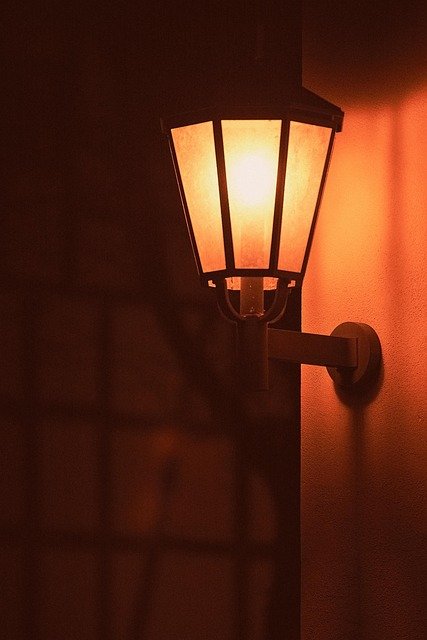
A single overhead fixture and a lamp is no longer considered finished. Liz Williams, founder and principal designer at Liz Williams Interiors, says plainly that “lighting is no longer just functional, it’s a design feature” in the bedrooms she’s designing for 2026, with multiple light sources at different heights doing the work that one bright ceiling fixture used to do alone.
In practice, that means a dimmable overhead fixture paired with wall-mounted sconces flanking the bed instead of table lamps competing for nightstand space, freeing up surface area while adding the kind of warm, directional light that makes a room feel finished after dark rather than just lit.
Shop dimmable bedside wall sconces on Amazon
7. Technology Gets Tamed and Tucked Away
As bedrooms lean further into rest and restoration, designers say the visible gadgets are disappearing. Zoë Feldman, founder and principal of Zoë Feldman Design, said simply that in the rooms she’s designing now, “technology has its place, but it’s discreet.” Designer Clive Lonstein described the overall effect as rooms with “less sense of a digitized presence,” meaning chargers, speakers, and cords are being planned into drawers and cabinetry rather than left out on top of furniture.
This is one of the cheapest fixes on the whole list. A nightstand charging station with a built-in cable organizer hides the tangle of cords most bedrooms accumulate without requiring any custom cabinetry at all, which goes a long way toward making a room feel like the calm retreat designers keep describing.
Shop nightstand charging stations on Amazon
8. Sense-Scaping: Designing for How a Room Feels, Not Just Looks
The last shift is less about any single object and more about a philosophy: designing the bedroom around the senses, not just the eye. Portia Fox, a designer and studio founder, explains that “bedrooms in 2026 are increasingly designed as restorative, sanctuary-like spaces, with wellbeing taking precedence over visual impact.” Franky Rousell, founder of Jolie, points to color as part of that sensory shift: “we’re seeing a move towards mid-tones such as muted greens, warm clays, and soft blues, because they create an enveloping quality.”
In real rooms, sense-scaping usually comes down to texture more than any single statement piece, a heavier weighted throw at the foot of the bed, a wool rug underfoot instead of bare floor, and a soft ambient scent that doesn’t compete with the room’s new, warmer color story.
Shop weighted throw blankets on Amazon
What This Means for the Bedroom You Actually Have
None of these eight shifts require gutting a primary bedroom down to the studs. The common thread across every designer quoted here is the same: a bedroom in 2026 is being treated as a room worth finishing properly, not the one space in the house that gets whatever furniture was left over after everywhere else was decorated. Start with the cheapest, lowest-risk change, swapping cool bedding for something warmer, or hiding the charging cords, and let the bigger commitments, a color-drenched wall or a custom headboard wall, wait until you’ve lived with the smaller shift long enough to know it’s actually the direction you want. A bedroom that finally looks finished doesn’t happen in a weekend, but for the first time in years, it also doesn’t require giving up on color, texture, or personality to get there.