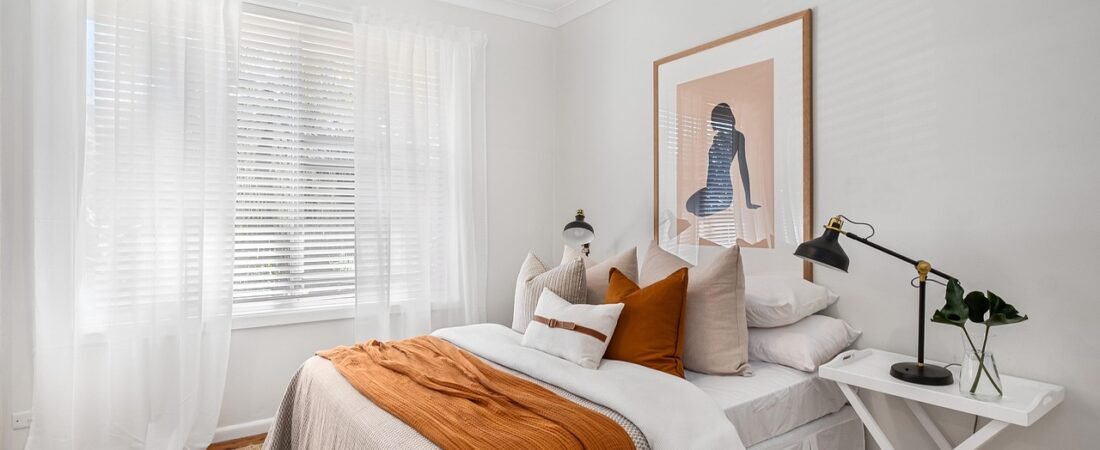
The day a kid turns thirteen, their bedroom quietly stops being a bedroom. It becomes a study hall, a hangout, a charging dock, a closet overflow, and, somewhere under the pile, a place to sleep. I have watched friends repaint a room in a weekend, only to hear “this is so childish” months later. That is why teen bedroom trends in 2026 look so different from the themed rooms of a few years ago.
The good news is that the best ideas are not expensive. They are about zones, storage, light, and a base your teenager will not outgrow by spring. As an Amazon Associate, I earn from qualifying purchases, so the product links below are things I would actually put in a teenager’s room, and none of them cost you extra.
What are the biggest teen bedroom trends in 2026?
The biggest teen bedroom trends in 2026 are multifunctional layouts with a real study zone, storage built into furniture, a timeless base with swappable accents, layered lighting, and a device charging spot kept away from the bed. Teens want self-expression, but parents want a room that survives three style phases.
That summary matches how designers talk about these rooms. Caroline Milns, head of interior design at Zulufish, told Homes & Gardens that “today’s ever-changing teenager needs a bedroom that equally responds to their evolving life as they grow.” In other words, flexibility beats theme.
Why does a teen bedroom have to do so many jobs?
Because it is often the only private space a teenager has. Yanko Design’s JC Torres put it simply in September 2026, describing the teen bedroom as “a place to sleep,” “a place to study,” “a place to charge every device they own,” and “a place to stash the clutter that inevitably piles up.”
Every upgrade below serves one of those jobs. For a younger sibling’s room, see kids’ room trends that kids will not outgrow covers the earlier years.
7 teen bedroom upgrades worth making in 2026
1. Carve out a real study zone
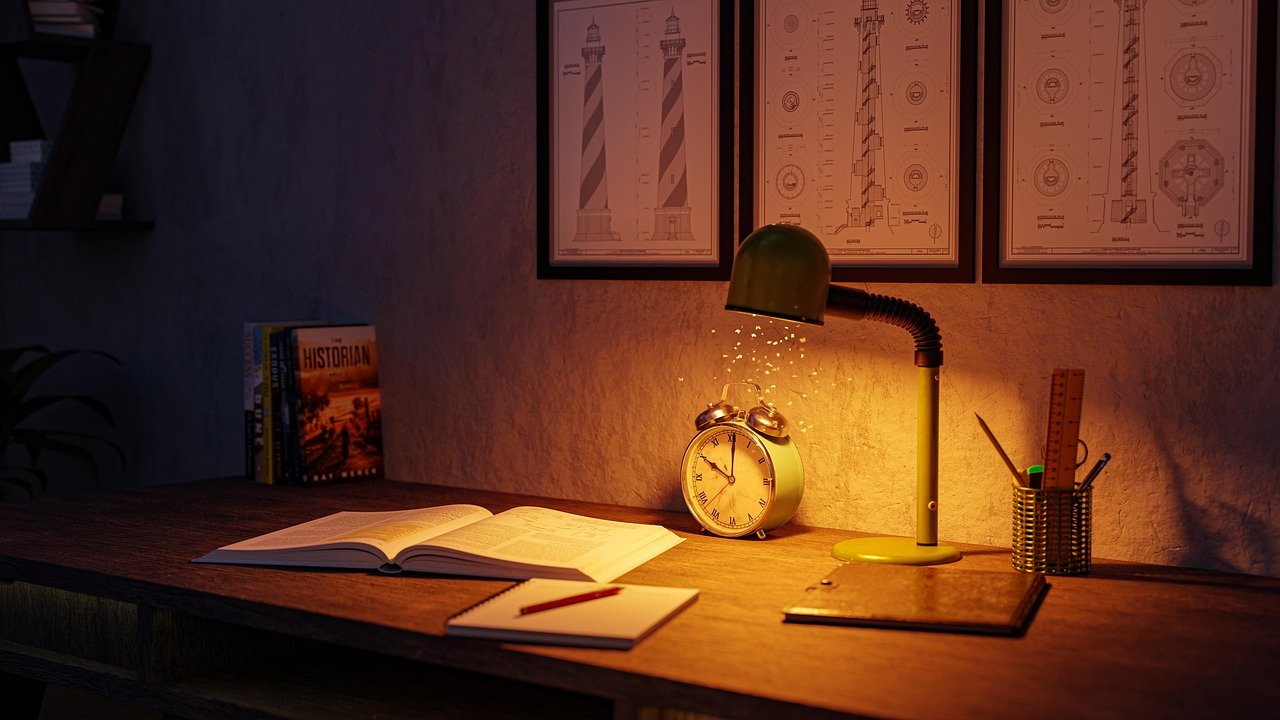
A desk wedged beside the bed turns into a laundry shelf within a month. A study zone works when it has its own light, a proper chair, and a spot by the window or on a wall that faces away from the bed. Homedit’s June 2026 roundup of small teen rooms keeps returning to the same idea: integrate the desk into a wall system or tuck it under a raised bed so the floor stays open.
If space is tight, a wall-mounted desk with a floating shelf above it does the job without a bulky footprint. The part people skip is the lamp. An adjustable LED desk lamp with dimming modes lets your teen switch from bright task light to a softer glow in the evening.
This is also where a comfortable seat pays off. A height-adjustable desk chair supports hours of homework better than a kitchen stool, and it can move to a dorm or office later. For a bigger version of the same idea, see how designers handle the adult setup in our home office trends guide.
2. Choose a timeless base, then let personality live in layers
This is the single best way to avoid repainting every year. Helen Shaw, UK director at Benjamin Moore, advised Homes & Gardens to choose “a scheme that offers longevity and can be easily updated with new accessories or furniture.” Leslie Murphy of Murphy Maude Interiors added: “Choose furniture with simple and classic silhouettes that have more longevity as they continue to grow.”
In practice, that means a calm wall color, neutral bedding, and furniture in plain shapes. Posters, throw pillows, a rug, and wall decor carry the personality, because those cost little to swap. One 2026 roundup from The Coolist points to soft blush, lavender, forest green, and moody neutrals, which all work as a calm base with bolder color saved for accessories.
Wallpaper is the exception, as long as it comes off. Removable wallpaper lets a teen make a statement wall without a lease-style commitment, and it peels away when taste changes. Peel-and-stick wallpaper in a quiet pattern is an easy weekend project, and patterns with a small print and restful palette tend to age better than loud graphics.
3. Build storage into the furniture
Teen rooms collect clothes, sports gear, books, skincare, chargers, and the occasional science project. Floor space disappears fast. Milns recommends going wall to wall: “Bespoke storage offers a multitude of options and creating a wall-to-wall framework is often the most efficient use of space.”
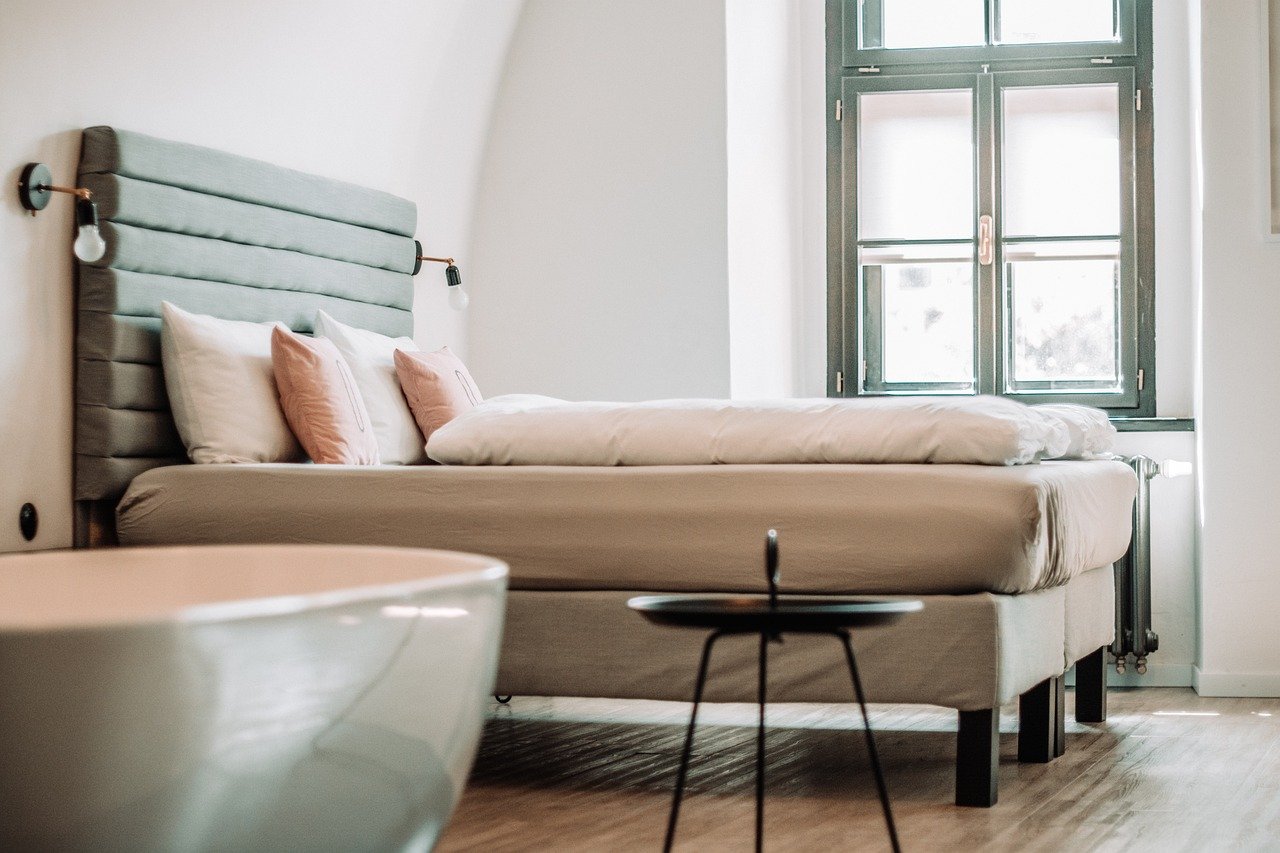
Custom cabinetry is the dream, but most families do better with furniture that works double duty: a bed with drawers, a storage bench at the foot, ottomans with lids. Angi’s July 2026 teen bedroom guide suggests exactly this mix of beds with built-in drawers and benches or ottomans that double as storage.
Under-bed space is the easiest win, especially in a small room. Rolling under-bed storage drawers hold off-season clothes and gear and slide out without moving the mattress. If your teen’s closet is the bottleneck, our seasonal closet rotation system frees up hanging space fast.
4. Move the charging station away from the bed
This one is a health upgrade disguised as a design choice. The American Academy of Pediatrics, via HealthyChildren.org, recommends “keeping all screens” out of children’s bedrooms “especially at night,” and advises turning off screens at least an hour before bedtime. The fix is to give devices a home that is not the pillow.
A small charging shelf by the door, a dedicated drawer, or a desk-side dock all work. The point is that phones sleep somewhere else. A multi-device charging station keeps cables tidy and gives a nightly routine a physical endpoint.
5. Layer the lighting
One harsh overhead light is the fastest way to make a teen room feel like a classroom. Layered light fixes it: a desk lamp for work, a bedside lamp for reading, and a soft ambient source for hanging out. Angi’s guide points to twinkle lights, light-up garlands, and small table lamps as easy ways to shift a room’s mood without any electrical work.
Add a dimmer or a smart plug and your teen controls the vibe, which is half the point. Dimmable LED strip lights behind a headboard or along a shelf give the glow teens love, and they switch off completely at bedtime, which matters because the CDC advises keeping a bedroom “quiet, relaxing, and at a cool temperature” for better sleep.
6. Add texture and real curtains
Texture is how designers make a room feel finished without adding clutter, and it works at any budget. House Beautiful’s 2026 bedroom trends feature designers calling out layered rugs, textured bedding, and drapery. Haley Weidenbaum, founder of Everhem, said that “designers are using drapery not only to frame windows beautifully, but also to create atmosphere.”
For a teen, curtains do double duty: they set a mood and block the morning light on weekends. Blackout thermal curtains also help with the cool, dark environment sleep experts recommend. For more ideas that need no renovation, our bedroom trends you can add without a renovation is a good companion read.
7. Add a hangout spot and let your teen help design it
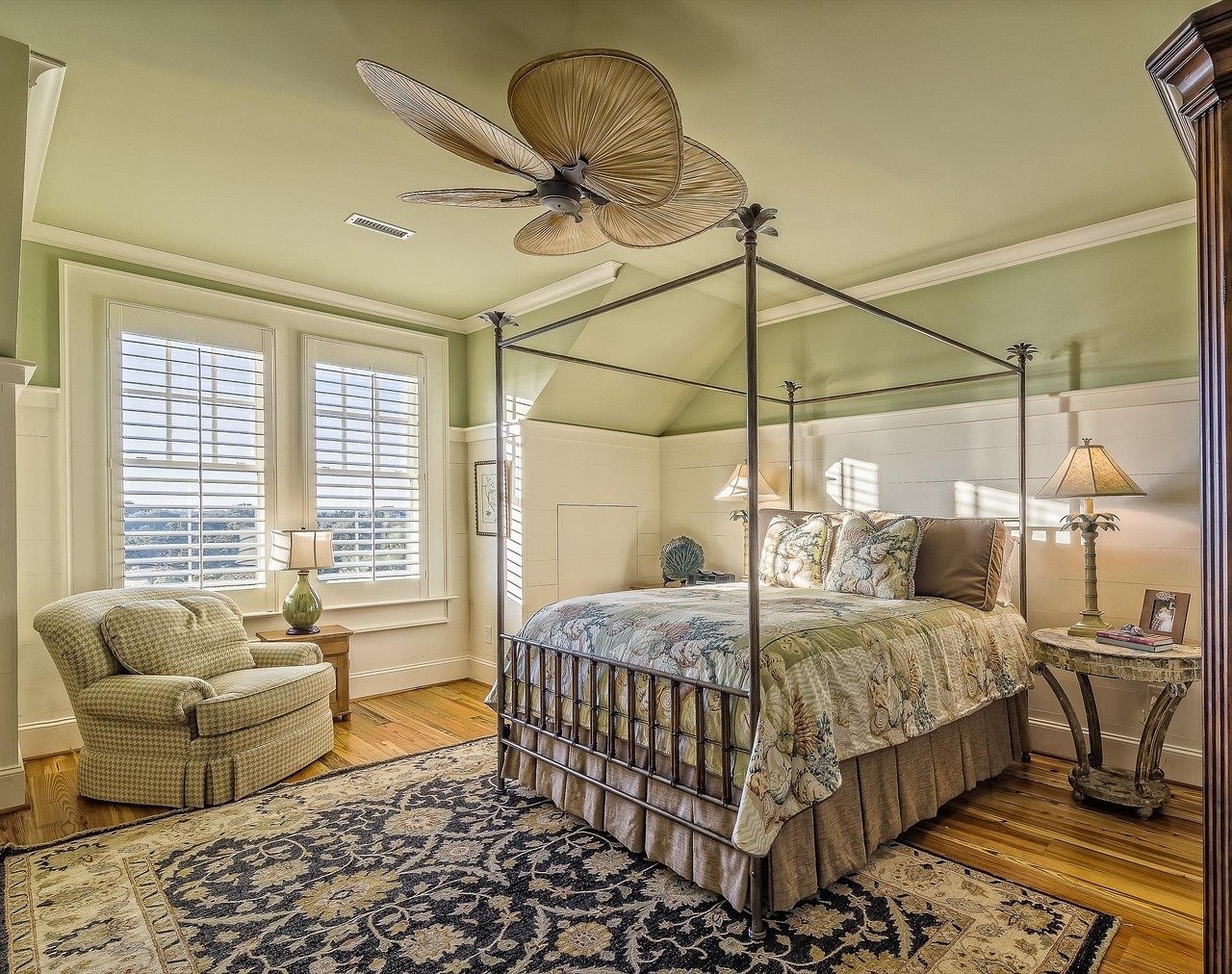
A teen who has a place to sit that is not the bed uses the room differently. A beanbag, a small accent chair, or a window seat gives friends somewhere to land and gives your teen a spot to read or scroll that is not under the covers. If you have the corner and a free weekend, our DIY window seat reading nook with storage adds seating and storage in one build.
Then hand over some control. Angi suggests starting with a vision board of colors and patterns your teen likes. A gallery wall or floating shelf for art and photos lets your teen show who they are without repainting anything.
A comfortable seat is the easy starting point. A washable-cover bean bag chair is soft, movable, and cheap enough to replace when tastes change.
How do you make a teen bedroom last through high school?
Treat it like a three-layer system. The first layer is the permanent stuff: paint, flooring, furniture shape, and built-in storage. Keep it neutral and classic. The second layer is semi-permanent: bedding, curtains, rugs, and lamps, which you can refresh every year or two. The third layer is your teen’s: posters, art, string lights, and whatever they bring home.
George Miller, home designer at Neptune, makes the same point: “Neutral colored furniture will stand the test of time as teen trends come and go.” If your teen’s room is part of a bigger reset, our guide to sleepmaxxing bedroom finds has easy add-ons that support better rest.
Frequently Asked Questions
How much sleep do teens need?
The CDC says teens aged 13 to 17 should get 8 to 10 hours of sleep a day. That makes the bedroom environment important: keep it quiet, relaxing, and cool, and turn off electronics at least 30 minutes before bed. Blackout curtains and a charging station outside the sleep zone support that routine.
How do I decorate a teen bedroom on a budget?
Start with what changes the room most for the least money: calm paint or peel-and-stick wallpaper, new bedding, a rug, and better lighting. Keep furniture simple and neutral, and let your teen pick posters and accessories. Spend on storage and a good desk lamp first, because they improve the room every day.
Should a teenager have a TV or phone in their bedroom?
The American Academy of Pediatrics recommends keeping all screens out of children’s bedrooms, especially at night, and turning them off at least an hour before bed. If your teen needs a laptop for homework, set up the study zone away from the bed and give phones a charging spot outside the sleep area.
What colors work best in a teen bedroom?
Choose a calm base your teen will not tire of, such as soft sage, warm white, dusty blush, or a muted deep tone, and keep bright color in items that are easy to swap. Designers cited above recommend schemes with longevity that can be updated with new accessories or furniture.
The strongest teen rooms this year are not the most decorated ones. Start with a study zone that has its own lamp, move the chargers out of reach of the bed, and add one piece of built-in storage. Those three changes handle most of the daily friction, and the paint, posters, and string lights can follow whenever your teen is ready to claim the space.