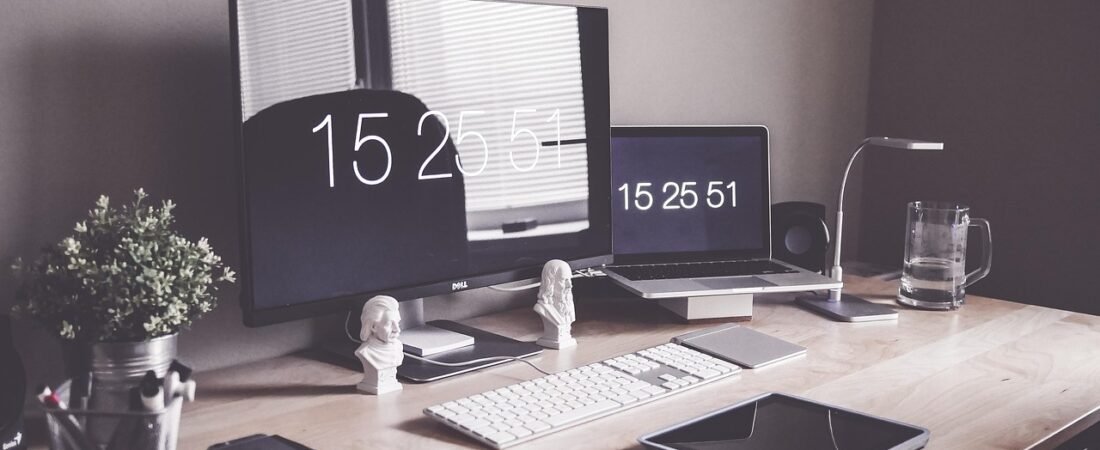
My home office started as a folding table wedged into the corner of the guest room, and for almost two years I told myself it was temporary. Then a client meeting got bumped to video with ten minutes’ notice, and I spent nine of those minutes shoving laundry out of frame before logging on. That was the moment I stopped treating my workspace like an afterthought. As an Amazon Associate, I earn from qualifying purchases, and while I was hunting for a desk that didn’t look like it belonged in a break room, I fell down a rabbit hole of what home offices actually look like in 2026 — sculptural furniture, cable systems that hide the mess instead of just relocating it, and lighting warm enough to sit under for eight hours straight. The pandemic-era desk setup has quietly grown up. Here’s what’s actually changing this year, and the specific pieces worth adding to your own setup.
1. Sculptural, Curved Desks Replace the Boxy Corner Unit
The flat-pack rectangular desk that defined the first wave of remote work is losing ground to furniture with actual shape. In its 2026 furniture trends report, Homes & Gardens spoke with several interior designers who kept circling back to the same idea. “Organic, curved silhouettes are this year’s trend with furniture. Curves bring warmth,” says Alexis Vitale of Vitale Design Group. Applied to a desk, that means rounded corners, a gently bowed front edge, or a kidney-shaped top instead of a hard rectangle — small details that soften a piece of furniture you’re parked in front of for most of the day, and that read as a real room, not a workstation, once the laptop closes.
→ Shop Curved Wood Writing Desk on Amazon: View on Amazon →
2. Ergonomic Chairs That Don’t Look Like Office Equipment
For years, a chair with real lumbar and hip support meant black mesh, visible pneumatic levers, and a silhouette that belonged in a call center, not a living space. That trade-off is fading. Design coverage of 2026 workspaces has flagged ergonomic furniture as one of the year’s defining shifts, and the shift isn’t just about support — it’s that supportive chairs are finally being built to look like upholstered furniture, with curved backs, boucle or performance-fabric seats, and wood or slim metal legs instead of a five-star plastic base. The orthopedic engineering hasn’t gone away; it’s just no longer the only thing you notice when you walk into the room.
→ Shop Upholstered Ergonomic Office Chair on Amazon: View on Amazon →
3. Cable Management Gets Designed, Not Just Hidden
Nothing undercuts a nice desk faster than a nest of charging cords spilling onto the floor behind it, and it’s the one detail that shows up on every video call whether you notice it or not. Furniture coverage of 2026 home offices has pointed to multi-functional desks with built-in cable routing as a genuine design category now, not an accessory afterthought — the goal being a desktop that stays clear and a floor that stays clear, with the actual mess rerouted somewhere you never have to look at it. For anyone not replacing a desk outright, a dedicated tray system does the same job for a fraction of the cost.
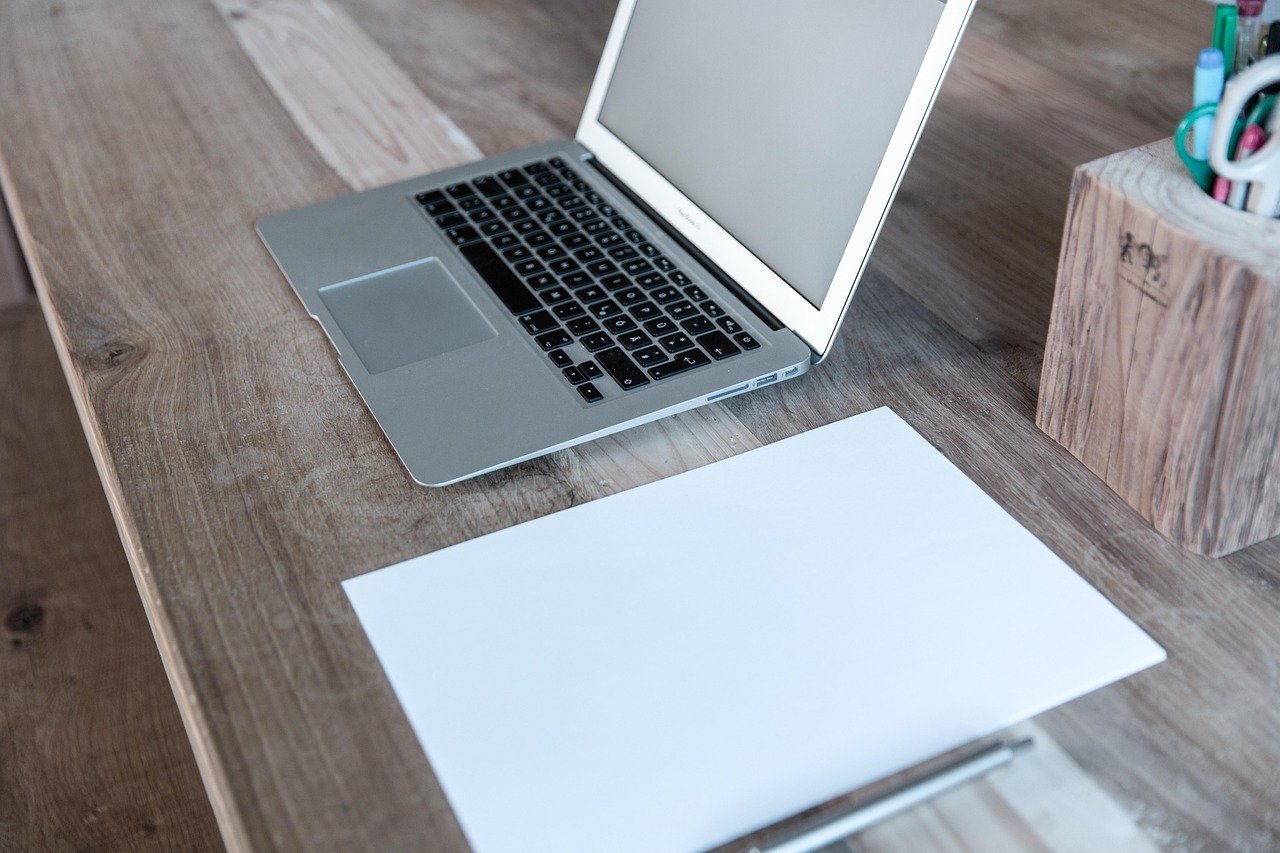
→ Shop Under-Desk Cable Management Tray on Amazon: View on Amazon →
4. Acoustic Panels Move Out of the Recording Studio
Open-plan apartments and shared bedrooms-turned-offices have the same problem: sound travels, and video calls pick up every bit of it. Soundproofing has been named as one of the standout home office trends heading into 2026, and the products behind it have caught up with the demand — felt and fabric-wrapped acoustic panels now come in shapes and colors meant to be looked at, not hidden. Arranged in a cluster on the wall behind a desk, they cut echo and absorb ambient noise while doubling as the kind of graphic wall art that makes a small workspace feel finished instead of makeshift.
→ Shop Decorative Acoustic Wall Panels on Amazon: View on Amazon →
5. Warm, Layered Task Lighting Replaces the Overhead Glare
A single ceiling fixture or a cool-white desk lamp left over from a dorm room is quietly being phased out. Coverage of 2026 workspace design keeps landing on the same conclusion: light temperature changes how a room feels to work in faster than almost anything else you can buy. The move is toward layered, adjustable lighting — a dimmable task lamp with a warm color temperature positioned to cut screen glare, paired with softer ambient light elsewhere in the room, rather than one harsh source doing all the work. It’s a small swap that makes an eight-hour workday feel noticeably less fluorescent.
→ Shop Dimmable Warm LED Desk Lamp on Amazon: View on Amazon →
6. A Real Storage Credenza Instead of a Filing Cabinet
Storage solutions built specifically for home offices have expanded well beyond the metal two-drawer filing cabinet, and 2026 trend coverage has repeatedly named better storage as one of the year’s defining upgrades. The current version is a low wood credenza that handles files, supplies, and equipment behind closed doors while doing double duty as a printer stand or a surface for a lamp and a few personal objects. It’s furniture a room can be built around, rather than a utility piece pushed into a corner and covered with mail.
→ Shop Wood Storage Credenza on Amazon: View on Amazon →
7. Biophilic Details Bring the Desk Back to Life
Biophilic design — bringing natural materials, plants, and organic texture into everyday spaces — keeps showing up on 2026 home office trend lists, and for good reason: a desk is one of the few surfaces in a home that gets stared at for hours on end, which makes it the highest-impact place to add something alive. That doesn’t require a redesign. A small planter, a stone or wood-textured organizer, and a tray to corral pens and notebooks do the job, softening a surface that’s otherwise all screen and keyboard without adding clutter.
→ Shop Ceramic Desk Planter and Organizer Set on Amazon: View on Amazon →
Bringing It Together
None of these seven upgrades require gutting a room or hiring a contractor — that’s the actual throughline of where home office design is headed in 2026. A curved desk, a chair that earns its keep twice over, cables that disappear, sound that stays contained, light that doesn’t fight your eyes, storage that closes, and one living thing on the desk. Start with whichever one is bothering you most right now — for me it was the cords — and the rest tend to follow once the workspace starts feeling like a room you chose instead of one you settled for.