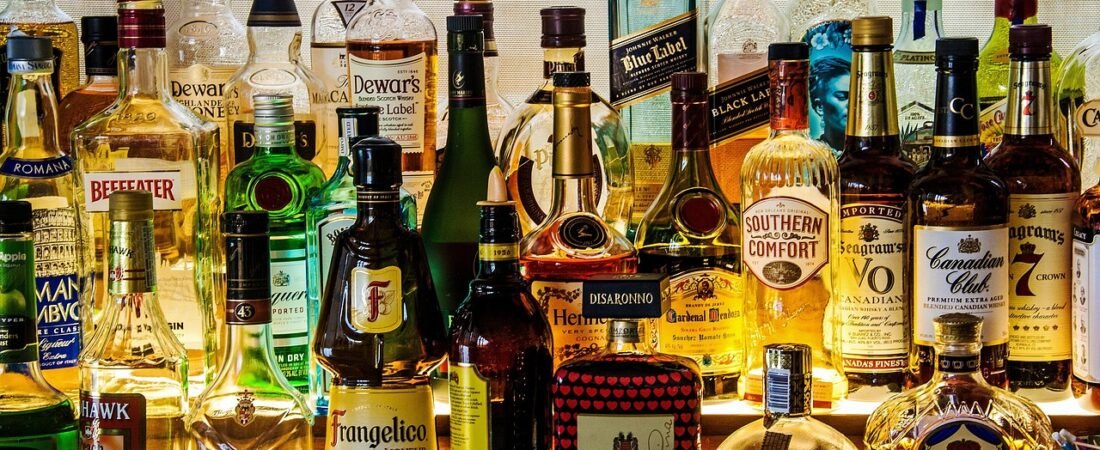
My husband and I inherited a bar cart from his aunt three moves ago, and for years it just sat in the corner of our living room doing its one job: holding a bottle of bourbon and looking slightly apologetic. Then last spring we hosted a birthday for eight people, and I spent the entire night ping-ponging between the kitchen sink, a cutting board on the counter, and that poor overloaded cart, apologizing every time I had to squeeze past someone to reach the ice. That was the night I finally understood why every design outlet is suddenly obsessed with home bars again in 2026 — not the velvet-rope, mirrored-shelf kind from a decade ago, but something quieter, better built, and actually designed to work. A few of the ideas below point to Amazon finds that make the upgrade easier to start this weekend, and as an Amazon Associate, Every Corner earns from qualifying purchases made through the Amazon links below, at no extra cost to you, which is a nice way of saying: buy the glassware, we’ll buy the ice.
The Bar Goes Behind Closed Doors
The open bar cart isn’t dead, but it’s no longer the default. According to Homedit’s 2026 home bar roundup, the bigger shift is toward bars that disappear into the room until you need them — pocket doors, hydraulic lift panels, and cabinetry fronts that look like ordinary millwork until they swing or slide open to reveal shelving, a sink, and a backlit display. Home bar and wet bar coverage from The Coolist and RAM Gameroom both point to the same move: hidden bars behind panelled doors that reveal statement colors or luxe materials when opened, turning the reveal itself into part of the entertaining ritual.
Why this matters for a normal-sized house: not everyone has a dedicated bar room, and a bar that has to double as a hallway, a mudroom wall, or the back of a bookcase needs to earn its keep the rest of the week too. A concealed bar solves the “does this look like a dorm room” problem without asking you to sacrifice square footage you don’t have. If you’re not ready for custom millwork, a cabinet-style bar with real doors — rather than open cubbies — gets you most of the effect. Look for a freestanding bar cabinet with doors and wine storage that can sit flush against a wall and close up completely when you’re not using it.
Cabinetry Trades Gold Metallics for Jewel Tones
If 2025’s bar aesthetic leaned heavily on marble and brass, 2026’s is leaning into color. Coverage of 2026 wet bar design consistently calls out deep jewel tones — emerald, teal, navy — paired against warm wood and soft pastels like sky blue and pale aqua, a shift that tracks with Zillow’s broader 2026 forecast around color drenching and expressive personalization, as cited in coverage from The Beer Babe. Instead of a bar that blends into a neutral kitchen, the cabinetry itself is becoming the boldest color choice in the room.
This matters because a bar is one of the few places in a house where a genuinely saturated color choice doesn’t read as risky — it reads as intentional, almost like a piece of furniture rather than built-in cabinetry, which makes it a lower-commitment way to experiment with color than repainting an entire kitchen. If your cabinetry is builder-grade white or oak, painting just the bar section (or the back of a hutch) in a deep emerald or navy is a weekend project, not a renovation. Pair it with brass or unlacquered hardware to keep the look from feeling too cold.
Bars Get Architecturally Built In, Not Just Added On
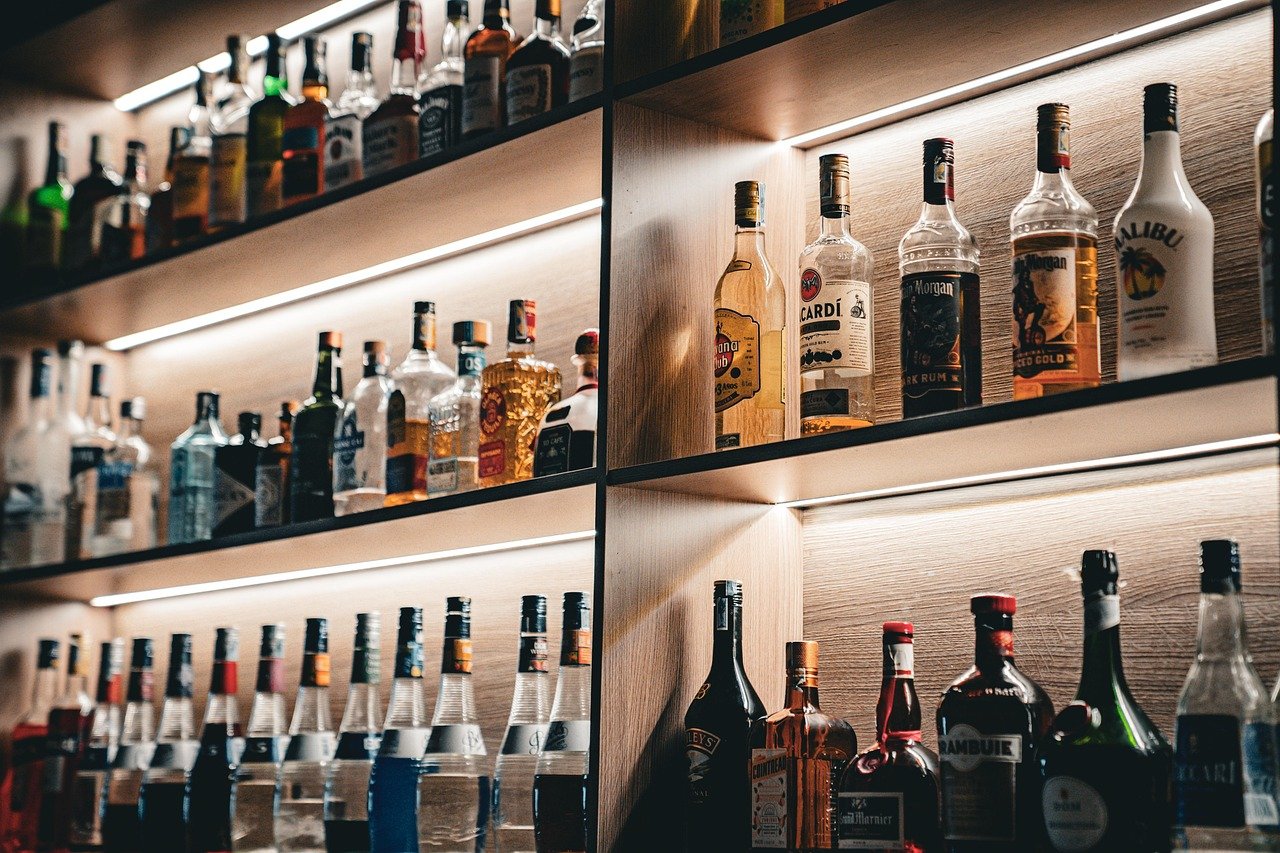
Stefan Gheorghe, founder of the design site Homedit, put this shift plainly in the outlet’s 2026 home bar coverage: “Home bars in 2026 are no longer about display. They are built into cabinetry, framed by architecture, and designed to work as part of the room rather than a feature added later.” That distinction — architecture versus accessory — shows up across the newest projects Houzz featured in its “Top 10 New Home Bars So Far in 2026” roundup, where firms like Abrams Valenti Interiors, Velène Design House, and The Guest House Studio used recessed niches, arched openings, and curved millwork to make the bar look like it was part of the original floor plan.
For most homeowners this doesn’t mean knocking out a wall. It means treating the bar the way you’d treat a fireplace surround: giving it a frame. A shallow niche between two studs, a run of picture-frame molding around the shelving, or even a simple arch cut into an existing bookcase can create that built-in feeling without structural work. The goal is proportion and consistency with the rest of the room’s trim and materials, not just stacking bottles on a shelf.
Bar Tech Finally Catches Up to Kitchen Tech
Home bars are getting the same smart-appliance treatment kitchens got a decade ago. Reporting on 2026 home bar trends from The Beer Babe describes motion-activated under-cabinet lighting, app-controlled refrigeration zones, and, for serious hosts, glycol-cooled draft lines that hold beer at a steady 36 to 38 degrees. Even at a more modest scale, dual-zone beverage coolers that keep wine and beer at their correct, separate temperatures are becoming a standard bar-build request rather than a luxury add-on.
This matters because a bar that relies on a single mini-fridge and a countertop ice bucket falls apart fast at a party of more than six people — you either run out of cold drinks or you’re constantly restocking from the kitchen. A dedicated beverage fridge sized correctly for your space fixes that instantly and keeps guests out of your actual refrigerator. If you’re building a small bar, a dual-zone beverage and wine cooler that fits under a standard 24-inch cabinet opening is one of the highest-impact single purchases you can make.
Lighting Becomes a Structural Element, Not an Afterthought
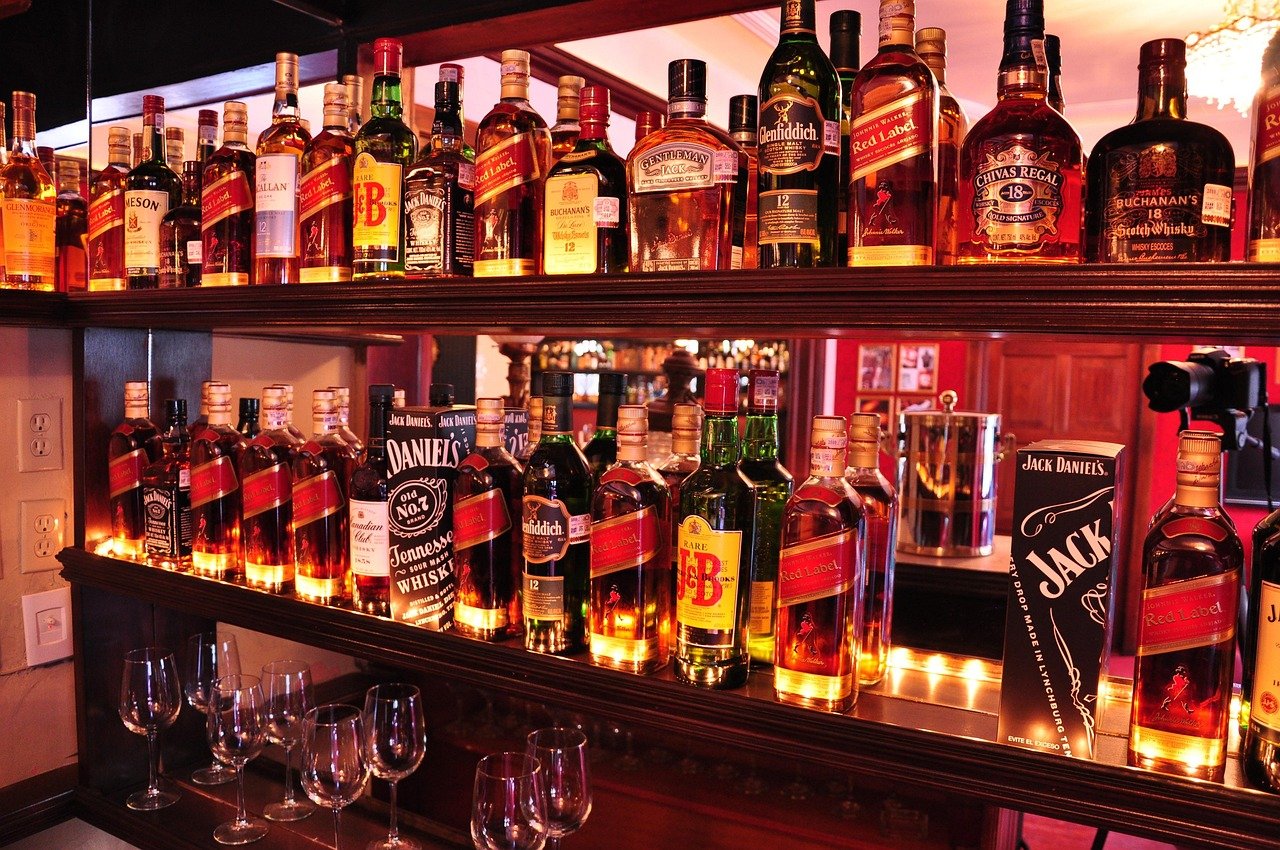
Across nearly every source we looked at, from Houzz’s featured 2026 builds to The Coolist’s wet bar design roundup, lighting comes up as its own category, not a footnote. Undershelf spotlights for gallery-style bottle display, warm sconces flanking a mirrored backsplash, and linear LED strips under floating shelves all show up repeatedly, described in The Beer Babe’s coverage as using high-CRI recessed fixtures and backlit shelving for accurate product display.
Good bar lighting matters more than good bar furniture, honestly, because dim overhead light from the rest of the room makes even a beautifully designed bar look like an afterthought, while a warm, layered light source makes even a basic cabinet look considered. The cheapest fix is a battery-powered or plug-in LED strip tucked under your existing shelving. A warm white LED strip light kit with a dimmer takes under an hour to install and changes the entire mood of the space without any electrical work.
The Bar Learns to Share the Room
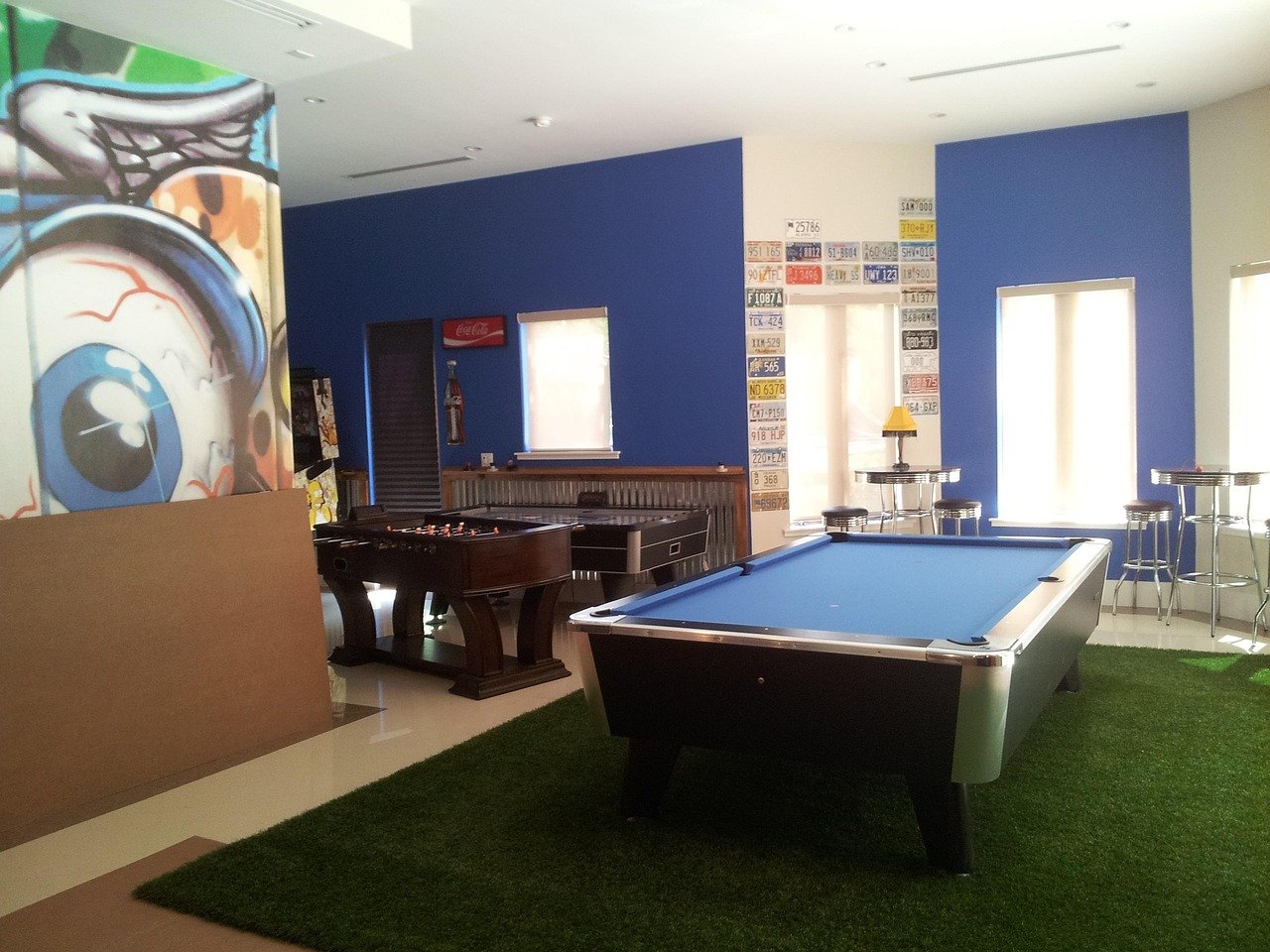
Entertaining trend coverage for 2026, including Melissa Penfold’s roundup of at-home entertaining trends, points to bars increasingly sharing space with games tables rather than sitting in isolation. Mahjong and poker tables are showing up in family rooms and multipurpose living rooms alongside built-in bars, sometimes as paired, identical tables that can expand or contract depending on the size of the group. RAM Gameroom’s 2026 home bar coverage echoes this with its call for coordinated spaces: matching bar, poker table, and game furniture collections designed to read as one cohesive room instead of a bar bolted onto a den.
This matters for anyone who doesn’t have a spare room to dedicate to entertaining alone. A bar that’s designed to coordinate with a game table — same wood tone, same hardware finish, same rug underneath — makes a multipurpose room feel intentional instead of cluttered. If you already have a games table, matching your bar cabinet’s wood finish to it is a small styling choice that pulls the whole room together far more than most people expect.
Materials Are Chosen to Last, Not Just to Photograph Well
After a few years of trend-driven bar builds, 2026 coverage shows a real swing back toward durability. RAM Gameroom’s trend report specifically flags premium materials, solid wood construction, and durable finishes valued over appearance alone, and lists timeless-over-trendy as one of its top ten trends outright, favoring classic proportions over anything that will look dated in three years. The Beer Babe’s reporting adds sustainability to that list, citing reclaimed woods, low-VOC finishes, and slip-resistant, quartz or engineered-stone countertops as the materials showing up in new 2026 builds.
Practically, this means it’s worth spending more on the two or three surfaces you touch constantly — the countertop and the cabinet fronts — and less on decorative extras that won’t hold up to spilled cocktails and ice buckets. Quartz resists staining and etching far better than a soft natural stone, which matters enormously at a bar specifically, where citrus and alcohol spills are a given rather than an occasional accident.
None of this requires gutting a room or hiring an architect. The through-line in everything we found researching 2026’s home bar moment is restraint with intention: hide the bar until it’s needed, commit to one bold color instead of five trendy ones, frame it like it was always part of the house, and spend your money on lighting and materials that will still look good after the third holiday party rather than the first. Our aunt’s old bar cart is retired to the garage now — the built-in cabinet that replaced it took a weekend, cost less than we expected, and finally gives guests somewhere to stand that isn’t directly in front of the fridge.