
Every October, my closet turns into a losing game of Tetris. Sweaters get crammed on top of tank tops, the cardigans I actually need for the first chilly mornings end up trapped behind three bins of summer sandals, and by the time I finally find my puffer coat, half the hangers have collapsed onto the floor. Two winters ago I sat down and mapped out an actual system — not just shoving bins onto the top shelf and hoping for the best, but dividing the closet into zones: active clothes at eye level, off-season pieces sealed and stored below or above, and a dedicated spot for the things that only come out twice a year. It changed how I get dressed every morning, and as an Amazon Associate, I earn from qualifying purchases from a handful of tools that made the whole rotation actually stick. Here is the zone system, and what to buy to build it.
The 2026 Closet Zone System, Explained
The idea behind zone rotation is simple: your closet only has to hold what you actually reach for right now. Zone A is prime real estate — eye-level rods and shelves for whatever season you are currently in. Zone B is off-season storage, sealed and moved to underbed space, a top shelf, or a spare closet. Zone C is transitional pieces, the light jackets and layering tops that bridge spring and fall and deserve their own labeled spot instead of getting buried in either bin. And Zone D is protection — the moth-proofing and moisture control that keeps stored clothes from coming back in rough shape six months later. Once each zone has a physical home, the twice-a-year swap stops being a weekend of dread and turns into maybe ninety minutes of actual work.
Vacuum Storage Bags for Bulky Winter Layers
Comforters, wool coats, and chunky knit sweaters are the real estate hogs of any closet rotation, and they are exactly what vacuum storage bags are built for. You pack the off-season pieces in, run a vacuum hose over the valve, and the bag shrinks down to a fraction of its original size while sealing out dust, moisture, and the musty smell that stored fabric tends to pick up. For anyone rotating a full winter wardrobe into a small apartment closet or a shared storage bin, this is the single change that frees up the most physical space, and it keeps everything ready to pull back out looking the way it went in.
→ Shop Vacuum Storage Bags on Amazon: View on Amazon →
Wheeled Underbed Storage Containers
The space under a bed is basically a second closet that most people never use properly. Low-profile, wheeled containers slide in and out without you having to crawl on the floor or drag a box across the carpet, which matters a lot when you are swapping seasonal clothes twice a year and do not want it to be a chore. Clear lids let you see what is inside without opening every bin, and the wheels mean the whole thing can come out for a quick seasonal check even if it is stored against a wall. This is Zone B’s main home for anything too bulky or too seasonal to vacuum-seal, like off-season shoes or folded jeans.
→ Shop Underbed Storage Containers on Amazon: View on Amazon →

Breathable Garment Bags for Hanging Pieces
Not everything can be folded into a bin. Wool coats, structured blazers, and anything with delicate embellishment need to stay on a hanger to keep their shape through the off-season, and that is where a breathable garment bag earns its keep. Unlike plastic dry-cleaner bags, a proper garment bag lets air circulate so fabric does not trap moisture, while a clear front or a sturdy zipper keeps dust off in the meantime. Hanging these in the back of a closet or a guest room closet during the off months means your good coats come out in spring ready to wear, not wrinkled and dusty from six months on a crowded rod.
→ Shop Breathable Garment Bags on Amazon: View on Amazon →
Cedar Blocks for Natural Moth Protection
Nothing ruins a seasonal swap faster than pulling out a favorite sweater in October and finding it full of holes. Wool and cashmere are especially vulnerable to moths during the months they sit untouched, and cedar blocks are the low-effort fix that actually works, without the chemical smell of old-fashioned mothballs. Tucked into storage bins, hung on hangers, or dropped into garment bags, cedar naturally repels the larvae that cause the damage, and a light sanding every few months refreshes the scent and the effectiveness. This is Zone D in physical form — the cheapest insurance policy for the expensive knits you are packing away.
→ Shop Cedar Blocks for Closets on Amazon: View on Amazon →

Labeled Fabric Storage Bins for Shelves
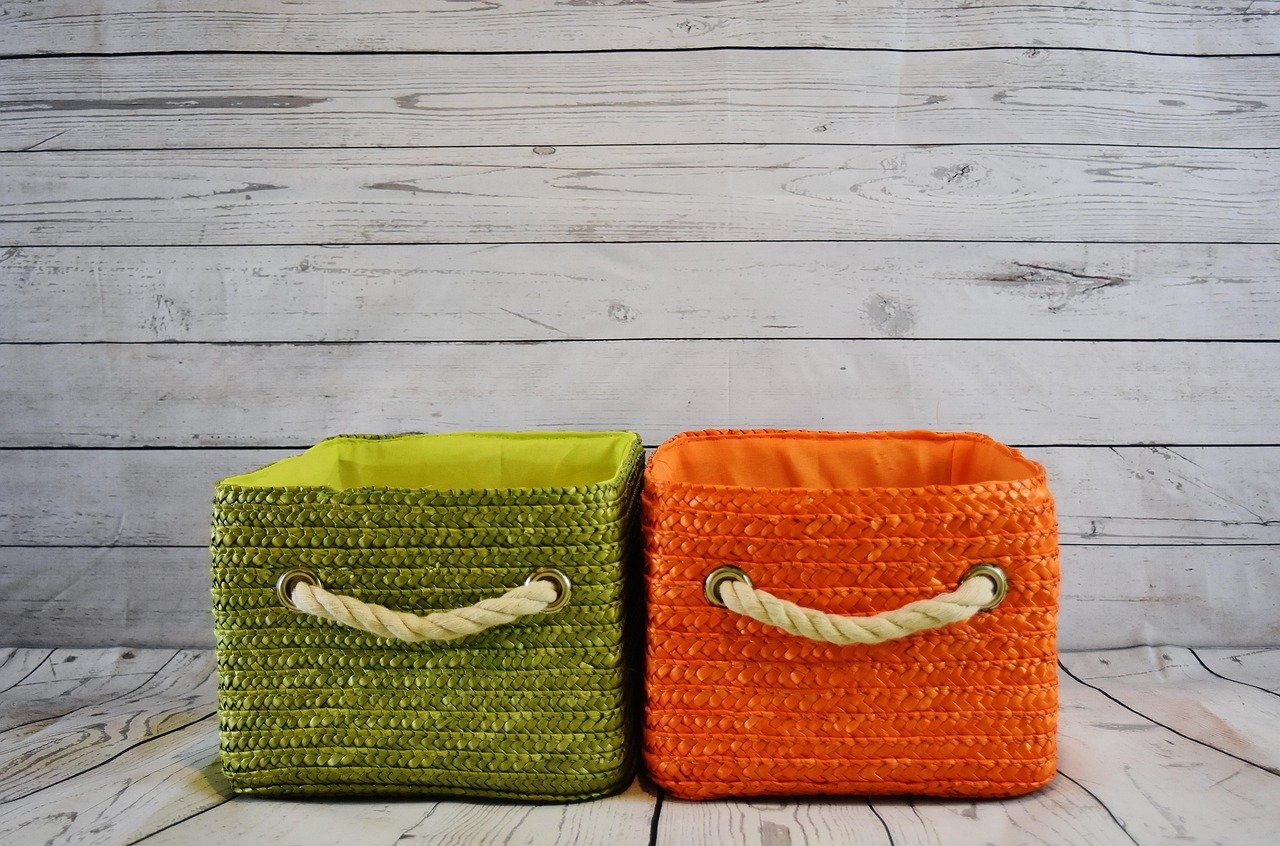
The top shelf of a closet is prime storage space that usually turns into a junk pile because nothing up there is easy to identify. Soft-sided fabric bins with lids solve that by giving each category of off-season item its own labeled home — swimwear, scarves and gloves, or extra bedding — so a quick glance tells you exactly what is where without pulling every box down. Because they are fabric rather than rigid plastic, they also collapse flat when empty, which matters when half the point of rotation is reclaiming space during the season you are not using them. Pair them with a paper or chalkboard label and the whole top shelf finally makes sense.
→ Shop Labeled Fabric Storage Bins on Amazon: View on Amazon →
Adjustable Closet Shelf Dividers
Stacked sweaters have a way of turning into a leaning tower the moment you pull one from the middle of the pile, which is exactly the mess a seasonal swap tends to create. Metal shelf dividers clip onto an existing wooden or wire shelf and split it into individual columns, so each stack of folded clothes stays upright and separate instead of toppling into its neighbor. This is a small hardware fix rather than another container, and it is what makes Zone A — the active, in-season clothes you touch every day — actually stay organized between the twice-a-year overhauls instead of sliding back into chaos within a week.
→ Shop Closet Shelf Dividers on Amazon: View on Amazon →
Over-the-Door Organizer for Transitional Pieces
Zone C, the transitional layer pieces that get worn for maybe six weeks in spring and six more in fall, does not need a bin or a bag — it needs somewhere visible so those items do not get shoved to the back of the closet and forgotten. An over-the-door hanging organizer with pockets or hooks uses space that is otherwise completely wasted, holding light jackets, scarves, or the handful of accessories that only make sense during the shoulder seasons. Because it hangs on the door itself, it adds storage without taking a single inch of rod or shelf space away from your main rotation.
→ Shop Over-the-Door Closet Organizer on Amazon: View on Amazon →
None of this requires a weekend of closet renovation or a trip to a container store showroom. Once vacuum bags, wheeled underbed bins, and cedar blocks are actually in the closet, the seasonal swap turns into an hour of moving Zone A to Zone B and back, not a dreaded overhaul that gets put off until you are digging through summer clothes in a snowstorm. Start with the zone that is causing the most pain right now — usually the bulky winter layers eating your shelf space — and build the rest of the system around it as the seasons turn.