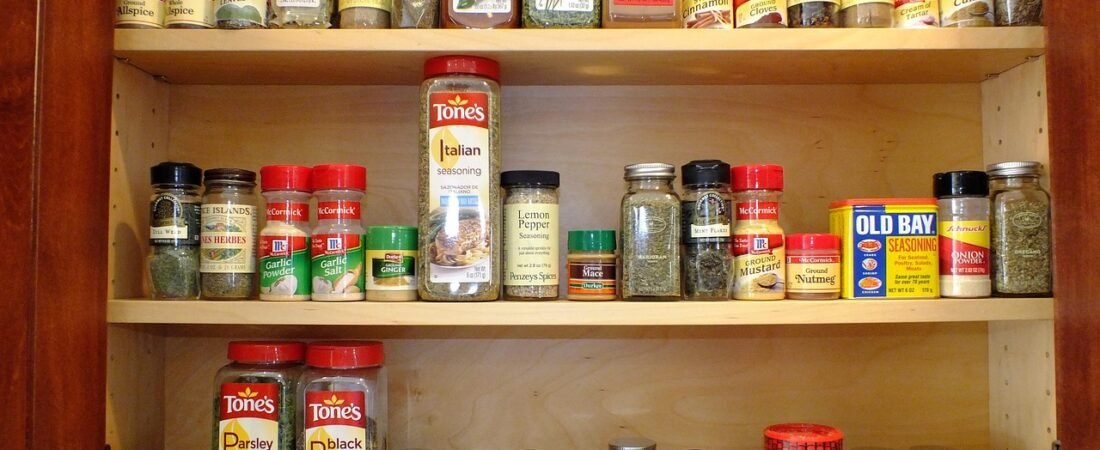
Last Tuesday at 6:45 a.m., my son needed a granola bar for the bus and I was on my knees pulling three different grocery bags off the bottom shelf, positive I’d bought a box the weekend before. I hadn’t lost the granola bars. I’d lost the entire shelf to a pile of things that had no assigned home — crackers wedged behind cereal, a lonely can of chickpeas rolling around near the paper towels. That morning is the reason this list exists, and as an Amazon Associate, I earn from qualifying purchases, so a few of the links below support this site at no extra cost to you while I show you exactly what finally fixed my own pantry. The idea isn’t more storage. It’s zones: a breakfast zone, a snack zone, a baking zone, a canned goods zone, each with its own bin, bracket, or basket so everyone in the house can find — and actually put back — what they’re looking for.
Why “Zones,” Not Just Containers
A zone system means every category of food lives in one predictable spot, at a height that matches who reaches for it. Cereal and granola bars go low, where kids can grab them. Baking staples go up top, where they’re used less often. Canned goods get a dedicated block instead of a scattered back row. The products below aren’t random pantry gadgets — each one is built to hold a specific zone together so the system survives more than one grocery haul.
Airtight Canisters for the Baking Zone
Flour, sugar, rice, and oats are the worst offenders for shapeless bags that slump over and take up double the space they need. A set of square airtight canisters solves two problems at once: it keeps pests and stale air out, and it turns odd-shaped bags into uniform blocks that stack cleanly on a shelf. Because the containers are see-through, you know at a glance when you’re down to the last cup of flour instead of finding out mid-recipe. Square shapes (instead of round) also matter more than people expect — they use the corners of a shelf that round canisters waste.
→ Shop Airtight Square Food Storage Canisters on Amazon: View on Amazon →
Stackable Clear Bins for the Snack Zone
Snack zones fail for one reason: loose bags multiply faster than anyone can corral them. Stackable clear bins with lids give every open bag of chips, pretzels, or fruit snacks a fixed footprint, and because the bins stack, you’re building upward instead of losing depth to a wall of boxes. Pick bins with a wide opening so kids can grab their own snack without you needing to referee every afternoon. This is usually the single change that stops a pantry shelf from sliding back into chaos within a week.
A Rolling Rack for the Canned Goods Zone
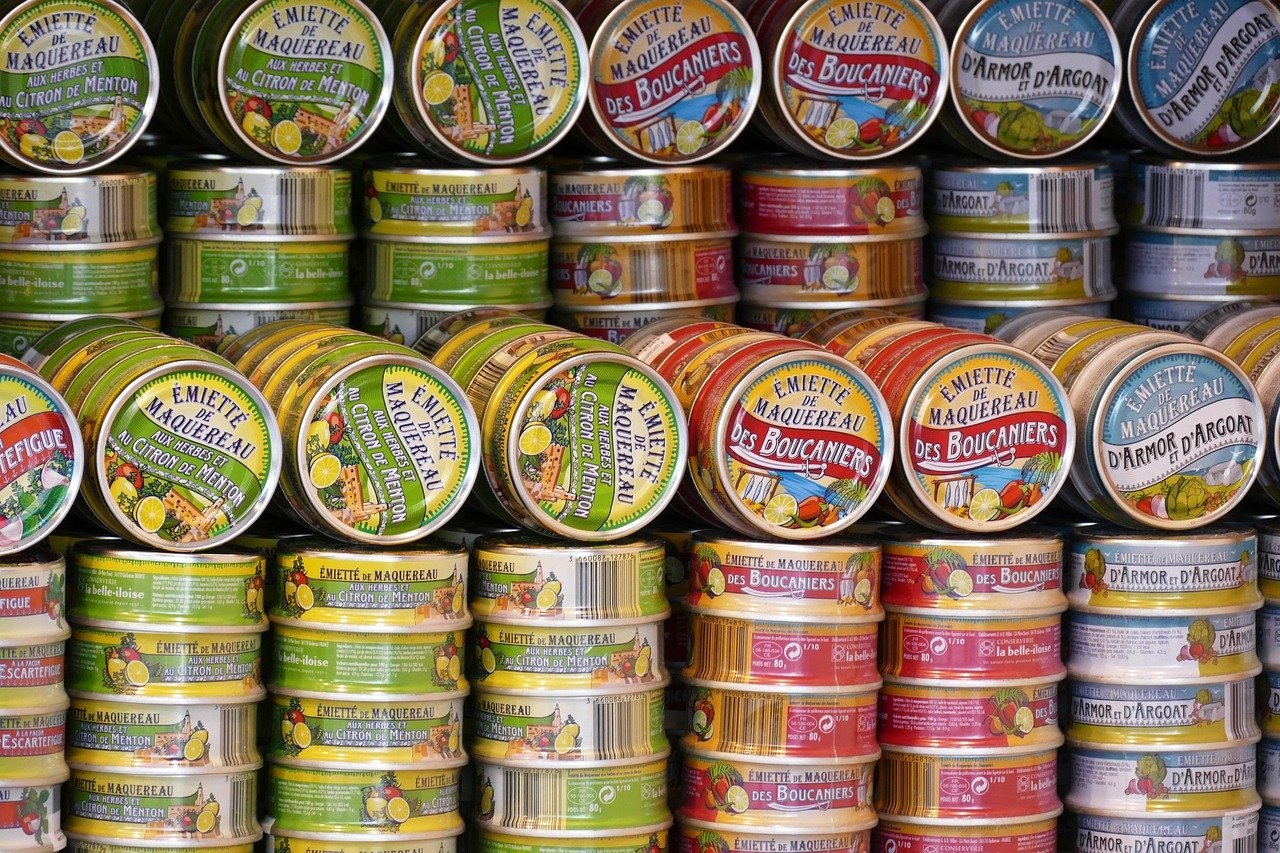
Canned goods are heavy, they roll, and in a standard cabinet the ones in back get forgotten until they expire. A rolling can organizer rack fixes this with gravity: load cans from the top, and they roll forward as you use the front one, so nothing gets buried and nothing goes stale unnoticed. It also turns a jumbled stack into a visible inventory — one glance tells you if you’re out of diced tomatoes before you’re halfway through a recipe. For anyone who buys canned goods in bulk during a sale, this is the difference between real savings and a cabinet full of mystery cans.
→ Shop Rolling Can Organizer Dispenser Rack on Amazon: View on Amazon →
A Lazy Susan for the Breakfast and Condiment Zone
Some items don’t stack well no matter what you do — syrup bottles, oils, jam jars, the honey bear that always ends up sticky-side down. A turntable solves the corner-cabinet problem and the odd-bottle problem in one move: spin it, and everything rotates into reach instead of getting shoved to the back and forgotten. Two stacked turntables can hold an entire breakfast zone — nut butters, syrups, oatmeal packets — on a footprint smaller than one deep shelf, and there’s no more reaching past four bottles to find the one you actually want.
→ Shop Lazy Susan Turntable Organizer for Pantry on Amazon: View on Amazon →
An Over-the-Door Organizer for the Small-Packet Zone
Every pantry has a category that doesn’t fit anywhere else: taco seasoning packets, gravy mixes, tea bags, single-serve oatmeal, the loose pile of things too small for a shelf but too many for a drawer. An over-the-door organizer with clear pockets claims otherwise-wasted vertical space on the back of the pantry door and gives every one of those small items a slot you can see through. It’s also the easiest zone to reset when it gets messy, since each pocket only holds one category and nothing has room to migrate.
→ Shop Over-the-Door Pantry Organizer with Clear Pockets on Amazon: View on Amazon →
Wire Baskets for the Produce and Bread Zone
Not everything in a pantry should be sealed up. Bread, onions, potatoes, and bagged produce need airflow, not an airtight lid, and that’s where open wire baskets earn their spot. They keep loose items corralled into one pull-out unit instead of loose on the shelf, and the open weave means bread doesn’t go soft from trapped moisture the way it can in a closed bin. Look for baskets with front handles so the whole basket slides forward like a drawer — that small detail is what keeps the back of a deep shelf from turning into a dead zone again.
→ Shop Wire Storage Baskets with Handles for Pantry on Amazon: View on Amazon →
A Label Maker to Make the Zones Stick
None of the above holds up without labels, and this is the step people skip. A bin without a label quietly becomes a junk drawer within a month, because everyone in the house has a slightly different idea of what counts as a snack or a baking item. A compact label maker lets you print clean, consistent labels for every canister, bin, and basket in an afternoon, and it means anyone putting away groceries — not just the person who set up the system — knows exactly where things go. This is the tool that turns a one-time organizing weekend into a system that’s still working six months later.
→ Shop Label Maker for Pantry Organization on Amazon: View on Amazon →
Putting the Zones Together
Start with the shelf you open most — for most households that’s breakfast or snacks — and get that one zone fully set up, labeled, and stocked before moving to the next. Trying to overhaul the whole pantry in one afternoon is how half-finished systems happen, with three shelves in clear bins and two shelves still in grocery bags. Work zone by zone: baking up high, breakfast and snacks at kid height, canned goods and small packets wherever they’re easiest to see, produce and bread in open baskets that breathe. Six months from now, a pantry organized this way looks less like a shelf that survived a single Saturday and more like one that quietly keeps working every single week — no more kneeling on the floor at 6:45 a.m. hunting for a granola bar that was there all along.