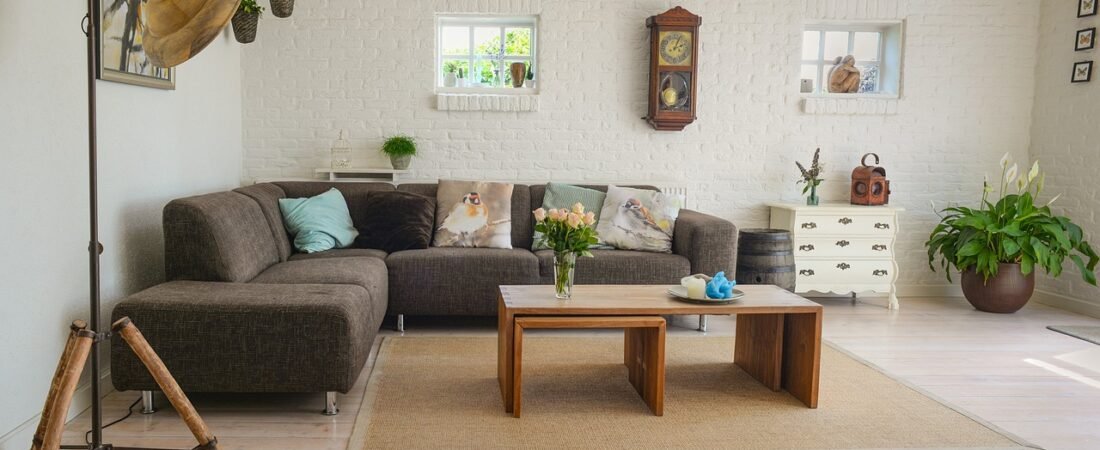
Last month I threw a game night for six people and realized halfway through that my house had nowhere for them to actually be. Two guests ended up perched on kitchen stools balancing plates on their knees, one sat on the floor by the bookshelf, and the drinks lived in a cooler by the door because there was no counter space left near the fridge. Nothing was broken, exactly. My house just wasn’t built for people to gather in it. It turns out I’m not alone: 2026 is shaping up to be the year homeowners stop treating entertaining as an afterthought and start designing around it from the studs out. Industry reports and designer surveys keep landing on the same idea in different words — the home is being rebuilt as a venue, not just a residence. Here’s what that actually looks like room by room.
1. The Arrival Moment Gets Its Own Design Budget
Entryways used to be a place to drop keys and kick off shoes. In 2026, they’re being treated as the first beat of the party. According to a roundup of hosting experts published via AOL, Pineapple Productions founder Allison Jackson put it directly: “Entryways and initial greetings should signal, ‘You’re welcome here.’” That’s translating into small, deliberate upgrades — a bench or stool for removing shoes, a catch-all tray for phones and keys, layered lighting instead of one harsh overhead bulb, and sometimes a small dish of treats or a welcome scent. It’s a shift from function-only entry design to entry design that does emotional work before a guest even reaches the living room.
2. Kitchens Are Splitting Into a “Show Kitchen” and a Prep Kitchen
This is one of the more concrete architectural shifts researchers are flagging for 2026: a dual-kitchen layout, where a polished, photogenic kitchen faces the main gathering space while a second, less glamorous prep kitchen — sometimes just a butler’s pantry with a second sink and dishwasher — handles the actual mess. The idea is that hosts can cook and clean without guests seeing dirty pans, while the visible kitchen stays camera-ready. Even homes that can’t add a second kitchen are borrowing the logic at a smaller scale: islands are gaining built-in seating and storage specifically so the cooking zone doubles as the gathering zone, instead of guests hovering awkwardly at the edge of the room.
3. Living Rooms Are Being Planned Like Event Venues
Hisense’s “How We Host: 2026” consumer report found that 56% of Americans now host at home at least monthly, with nearly one in five hosting weekly or more, and 58% having hosted a sports watch party in the past year — a habit that’s shifted from occasional to routine. The same report found 85% of respondents say the TV is the visual focal point of their living room, and 78% said atmosphere is central to a gathering going well. Hisense CMO Sarah Larsen summed up the mindset shift: “Homes have become event venues with more people experiencing JOMO than FOMO these days.” Practically, that’s pushing living rooms toward flexible, modular seating that can reconfigure for six people or sixteen, better ambient lighting on dimmers, and layouts that treat the screen as a real design element instead of hiding it.
4. Bar Carts and Wine Nooks Move to the Main Floor
A dedicated spot for drinks — whether that’s a reclaimed bar cart, a built-in beverage station, or a small wine nook off the kitchen — is showing up as a near-default feature in 2026 entertaining coverage rather than a luxury add-on. Sommelier Diana Petriella, quoted in AOL’s roundup of 2026 hosting trends, described the appeal simply: “A kitchen wine nook naturally draws guests to gather — it’s stylish, social, and low-pressure.” The logic tracks with what Hisense found too: 35% of hosts said running out of cold drinks would ruin the experience, which is nudging people to prioritize beverage storage and a proper serving surface over just cramming an extra fridge into the garage.
5. Backyards Are Being Designed as “Micro-Resorts”
Outdoor entertaining space is getting the same intentionality as the interior. Event designer Michelle Durpetti told AOL that clients increasingly “want their outdoor areas to feel transportive, like their own Tuscan courtyard,” and real estate firm SERHANT has separately reported a parallel rise in built-in BBQ islands, fire pits, and multiple small conversation zones sized for hosting rather than just for the household. Rather than a patio table and a grill, the goal is a sequence of zones — a dining nook, a lounge area, maybe a fire feature — so a backyard can host a crowd the same way a well-zoned living room does.
6. Tables Are Learning to Do More Than One Job
The traditional dinner party isn’t disappearing, but the furniture underneath it is being asked to flex. Beth Helmstetter, an event planner quoted in AOL’s 2026 trend coverage, noted that “formality has softened, but intention has not,” while Studio Mondine’s Amanda Luu described how the same table now doubles as a “shared work surface” for flower arranging, cocktail-making, or a craft night with friends — not just a place plates land at 7 p.m. That’s translating into extendable and modular dining tables, mismatched-but-curated seating instead of matching sets, and dining rooms that are just as likely to host a puzzle or a mocktail-mixing session as a formal meal.
7. Hosting Without a Reason Is Becoming the Default
Maybe the biggest shift isn’t a piece of furniture at all — it’s timing. Amanda Luu also told AOL that “people want to gather with intention, but without rigidity,” describing a move away from milestone-only entertaining (birthdays, holidays) toward casual, frequent gatherings that don’t need an occasion to justify them. That mindset is what’s actually driving the demand behind everything above: if hosting is a Tuesday-night habit instead of a twice-a-year event, the spaces that support it — the entry, the kitchen, the drink station, the backyard — stop being optional upgrades and start being the parts of the house that get used every single week.
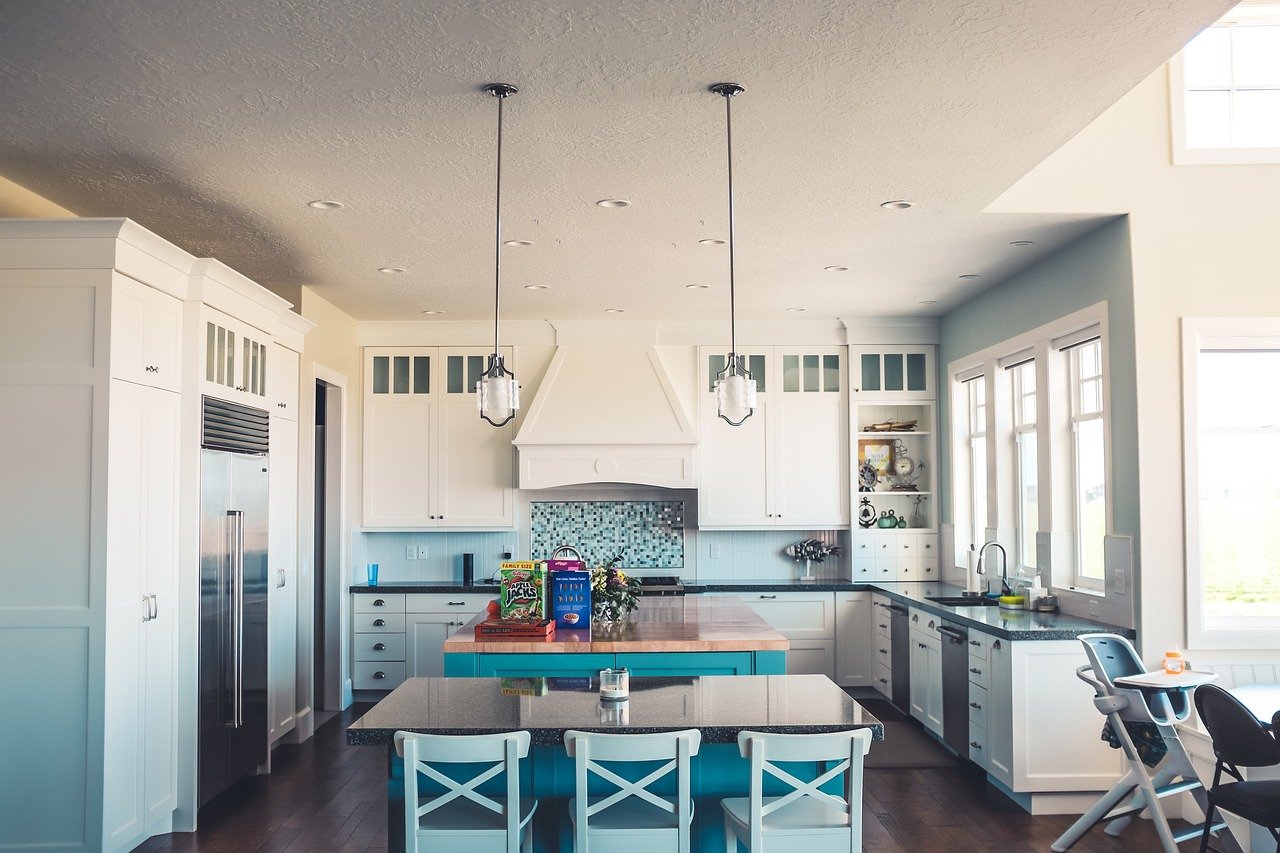

None of this means you need to gut your kitchen or build a second one. The pattern across every one of these shifts is the same: designing for the moments people actually spend at home rather than the moments a house looks good empty. Start with whichever bottleneck showed up at your last get-together — no counter space, no drink station, no comfortable spot to sit — and treat that one fix as the first step toward a home that’s genuinely ready to host, on a random Tuesday and not just for the holidays.