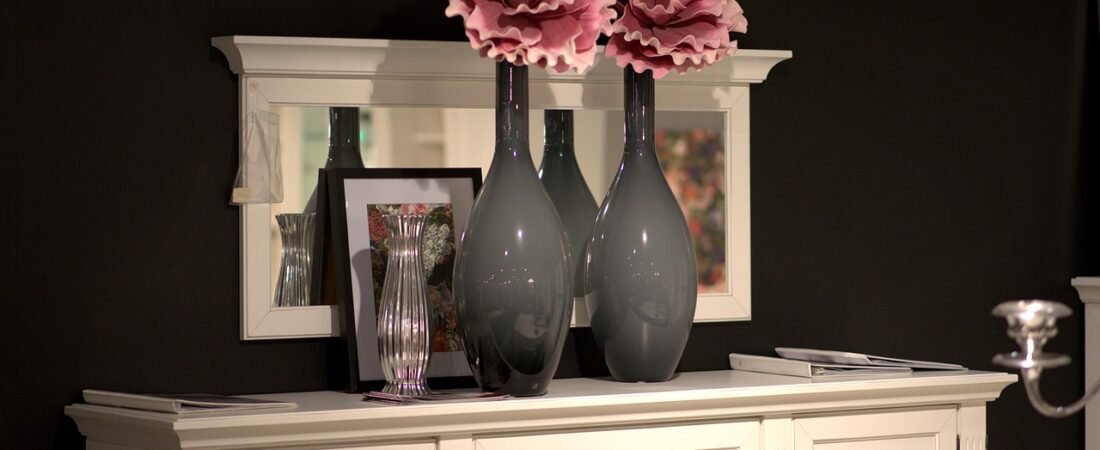
My grandmother’s mahogany sideboard sat in my parents’ garage for six years, wrapped in a moving blanket, because none of us could figure out where a piece that dark and that serious would fit into a house full of white walls and pale oak. Then in August, I watched an interior designer pull a nearly identical dresser off an estate-sale dumpster pile and turn it into the best thing in the room, glossy top and all. I texted my mom before the video even finished: don’t get rid of the sideboard. That’s roughly the emotional arc a lot of people are having with brown wood furniture right now — pieces that felt hopelessly out of step with a decade of gray and greige are suddenly the smartest, warmest thing you can put in a room. It’s not nostalgia for grandma’s dining set. It’s a real, measurable shift in what designers and shoppers are buying, and it has a name: brown furniture is back.
The Numbers Behind the Comeback
This isn’t just a vibe circulating on design TikTok. In the 1stDibs 2026 Designer Trends Survey, chocolate brown was the single most-cited color among interior designers polled about what they expect to use in the year ahead, with roughly a third of respondents naming it — putting a deep, saturated brown ahead of nearly every other paint or material trend in the survey. Antique dealers are seeing the same pattern from the buying side. Writing for Kovels, longtime antiques market observer Kele Johnson has tracked a surge of interest in pre-1920s pieces and mid-century case goods among younger buyers who grew up around flat-pack furniture and are now actively hunting for solid wood with some age on it. A circa-1770 mahogany Chippendale lowboy and a $265 Federal-era chest are both part of the same story: real wood, real grain, real weight, at almost any price point.
Why Gray-and-Greige Finally Lost Its Grip
For the better part of a decade, “resale neutral” meant pale oak floors, white oak furniture, and a living room that could belong to almost anyone. Designers are now describing the pullback from that look in fairly blunt terms. Sophie Salata of the vintage furniture marketplace Vinterior put it this way: “At Vinterior, we’re seeing shoppers gravitate towards those rich tobacco leathers, warm walnut woods, and deep chocolate textiles that defined some of the most timeless interiors of the 20th century.” One interior designer summed up the shift even more plainly in a widely shared TikTok breakdown of the trend: “Return to darker, richer materials. Dark woods replace light, Scandi oak.” The common thread isn’t a rejection of minimalism so much as a rejection of blankness — rooms that photographed well but didn’t feel like anyone actually lived in them.
Walnut, Mahogany and the New “Old Money” Wood Tones
Ask designers which specific woods are driving the trend and the same names come up again and again: walnut, mahogany, cherry, and dark-stained oak. Interior designer Mark D. Sikes, known for his warm, collected interiors, has pointed to this directly in his own seasonal color guidance, noting that “we’ve seen the return of ‘brown furniture’ in recent years; dark and medium-toned woods” are replacing the pale, painted pieces that dominated the past several years. Laura Chappetto, principal designer at Element Design Network, frames the appeal in terms of atmosphere rather than just material: “Deep ochre, warm cocoa and rich espresso hues bring such a sense of depth and comfort to a space.” The pieces themselves tend to be substantial — dining tables, dressers, sideboards, bookcases — the kind of furniture built to be handed down rather than replaced in five years.
Secondhand and Thrifted Wood Is Where the Real Action Is
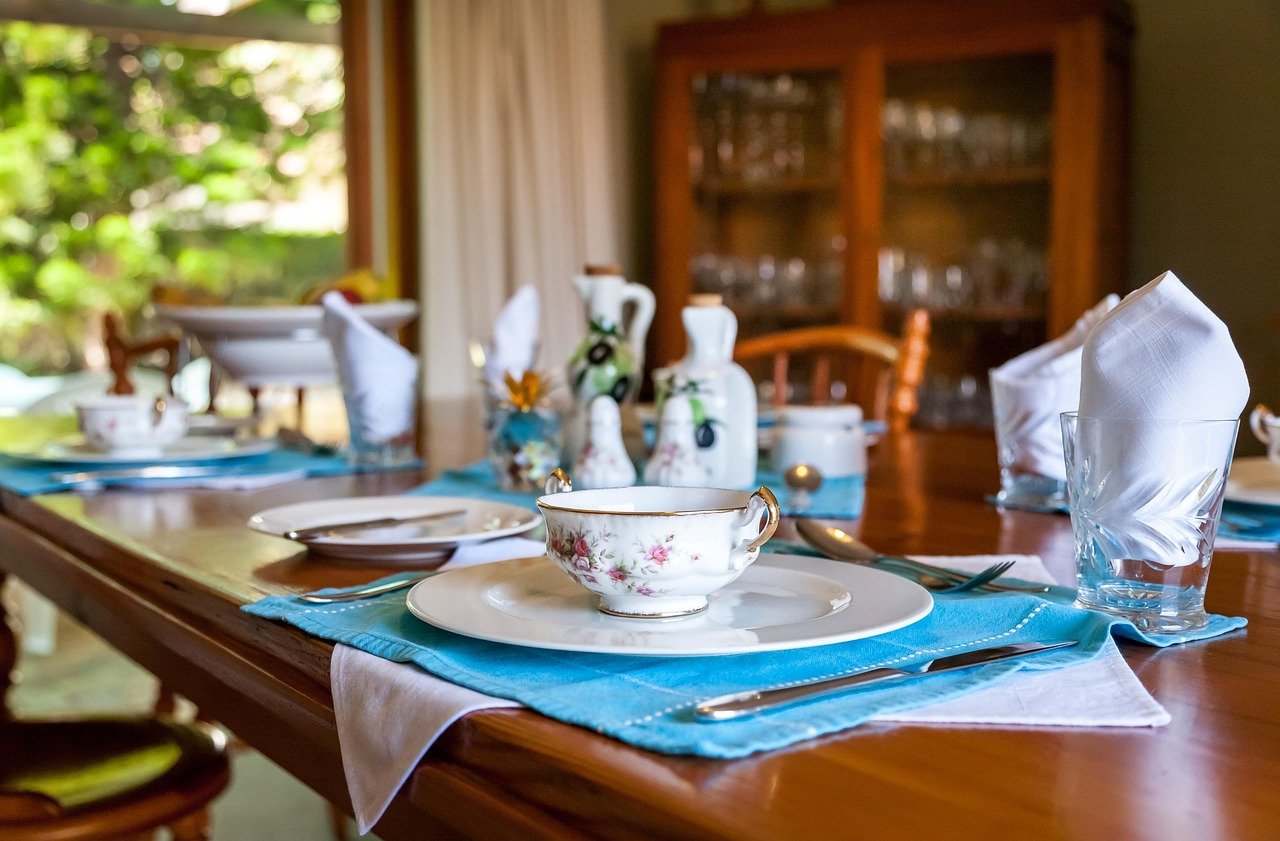
Part of what makes this trend different from a typical paint-color cycle is that so much of it is happening secondhand. Estate sales, consignment shops, and marketplace apps are full of exactly the kind of solid wood case goods that fell out of favor for years and were priced accordingly — which means the entry point for trying this look is often lower than buying new. Johnson’s reporting for Kovels points to real examples of the value gap: a 1960s Broyhill Sculptra dresser that sold for just $100 at an estate sale, while comparable pieces list for far more elsewhere once someone recognizes what they’re looking at. That gap is exactly what’s pulling in younger buyers who came of age with mass-market furniture and are discovering, often for the first time, what it feels like to own something with real joinery and a finish that can be touched up instead of thrown out.
How to Bring Brown Furniture Into a Room Without It Feeling Dated
The version of this trend designers keep warning against is the matchy-matchy approach — an entire room built from one wood-toned furniture set, which reads more like a furniture showroom from decades past than a current interior. Salata’s advice for avoiding that trap centers on contrast and layering: pairing brown furniture with lighter neutrals like cream, taupe, or warm white so the wood reads as a feature rather than the whole room, mixing tactile elements like chunky knit throws against smoother surfaces like marble or brass, and using black metal accents to add richness without visual heaviness. A single deep-brown rug can also anchor a room that’s still mostly light furniture, letting you test the look before committing to a big piece.
Mixing Wood Tones on Purpose
One of the more useful pieces of permission designers are giving right now is to stop trying to match every wood tone in a room. Jennifer McKissick, owner of Jennifer McKissick Interiors, is direct about the appeal of brown on its own terms: “I love the warmth brown brings to a space.” But the more interesting design conversation is happening around combination — pairing an inherited walnut piece with a newer oak floor, or a mahogany table with cane-and-rattan chairs, rather than forcing everything into a single matching wood family. Sara Swabb, founder and creative director of Storie Collective, describes the broader mood behind that approach: “There is a beautiful shift happening toward spaces that feel personal and enduring, layered with natural wood, handmade tile, and textured textiles.” That word — layered — is doing a lot of work across nearly every designer’s description of the trend, and it’s the opposite of the single-source, single-finish look that defined the last several years of new-build interiors.

Chocolate Brown Is Spreading Past Furniture, Too
The same appetite for deep brown is showing up beyond wood furniture, in paint, textiles, and finishes. Interior designer Eric Goranson, host of the Around the House Show, has been especially blunt about the shift: “Chocolate brown is back, and I’m genuinely glad.” He’s also cautioned against treating it as an all-or-nothing fall statement, pairing it with restraint elsewhere in a room rather than letting it take over every surface at once. Wendy Glaister, CEO and principal designer at Wendy Glaister Interiors, points to texture as the other half of the equation, singling out dark wicker and cane as materials gaining ground alongside solid wood: “Nothing brings the textured warmth and interest to a room as wicker and cane.” Together, the wood furniture, the paint color, and the woven texture are reinforcing each other rather than competing, which is a big part of why the trend feels cohesive instead of like three separate fads happening at once.
Is This a Passing Moment or a Real Reset?
It’s worth asking whether brown furniture is a fall-specific mood that will fade once the light changes, or something with more staying power. The evidence leans toward the latter. A single seasonal color story doesn’t usually come paired with measurable shifts in what younger buyers are hunting for at estate sales, or with a top-line finding in a major industry survey like 1stDibs’. What’s happening looks less like a trend cycle and more like a course correction — a return to furniture that’s built to last, bought with the expectation that it will be repaired rather than replaced, after a long stretch where “neutral” quietly came to mean “disposable.” Whether that sideboard came from a grandmother, an estate sale, or a consignment shop down the street, it’s suddenly making a lot more sense in the room than it did a year ago.
My grandmother’s sideboard is out of the garage now. It’s sitting against the dining room wall with a stack of mismatched ceramics on top and a new coat of wax on the wood, and it looks less like a relic and more like the piece the rest of the room has been quietly waiting for. If you’ve got something similar tucked away — inherited, thrifted, or just too heavy to have thrown out — this is the year it stops looking dated and starts looking like the reason people ask who did your interior design.