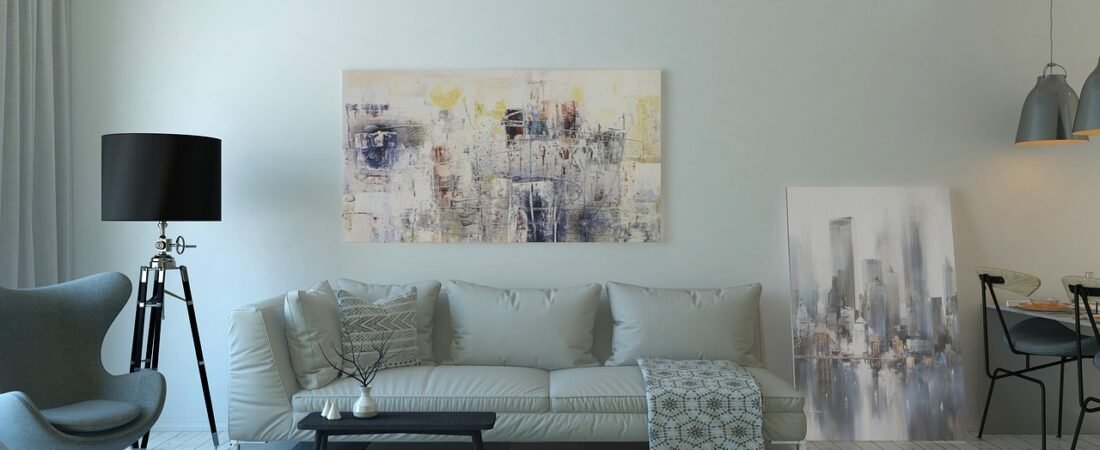
When my sister asked me to help her choose a sofa for her first apartment, I steered her hard toward the safe, oat-milk beige everyone on my feed was buying. She pushed back and sent me a photo of a deep plum velvet sectional she’d found secondhand, insisting it was “having a moment.” I laughed, because purple has always felt like the color you regret in five years — the one relegated to a single accent pillow, never a whole piece of furniture. Then I started digging into what designers are actually saying about fall 2026, and it turns out my sister was ahead of the curve. (Quick heads up before we get into it: a few of the links below point to Amazon search results, and as an Amazon Associate I earn from qualifying purchases if you shop through them.) Purple, in its deepest, most grown-up shades — plum, aubergine, eggplant, blackberry — is showing up in living rooms, paint chips, and dining rooms across the country this season, and it looks nothing like the lavender of a decade ago.
Why Purple Is Suddenly Everywhere
Purple has spent years on the sidelines of home decor, treated as too tricky to build a room around. That’s changing fast. John Maloney McNamara of Coosa told Homes & Gardens that “purple is showing up for fall, and we’re seeing it everywhere – in textile collections,” pointing to a shift that’s moved beyond throw pillows and into upholstery, cabinetry, and paint. Part of the appeal is timing: after several years of warm terracottas, greiges, and browns dominating living rooms, homeowners are craving a color that still feels rich and grounded but isn’t another shade of tan. Purple, especially in its darker, dustier forms, scratches that itch without swinging into the pastel territory that made it feel juvenile in the past.
Start Small: Purple in Your Textiles
If a whole purple room sounds like a leap, textiles are the lowest-risk entry point, and that’s exactly how most designers recommend testing the color. Nicky Emlick, creative director at sofa.com, explained to Livingetc that “used well, these hues offer the drama and timeless glamour of purple without overwhelming the space,” adding that “deep, dramatic tones like aubergine and plum are beautifully enhanced by plush velvet.”
Why this matters: a pillow cover or a throw blanket is a five-minute swap you can make without committing to anything structural, which makes it the easiest way to find out whether you actually like living with the color before you paint a wall or buy a sofa. Velvet in particular photographs and reads richer than flat cotton, so it does more visual work per square foot — a single pair of deep plum velvet pillows on a neutral sofa can shift an entire room’s mood. If you want to test the water this way, look for aubergine velvet throw pillow covers or a plum chunky knit throw blanket for the couch or bed.
The Purple Sofa Moment
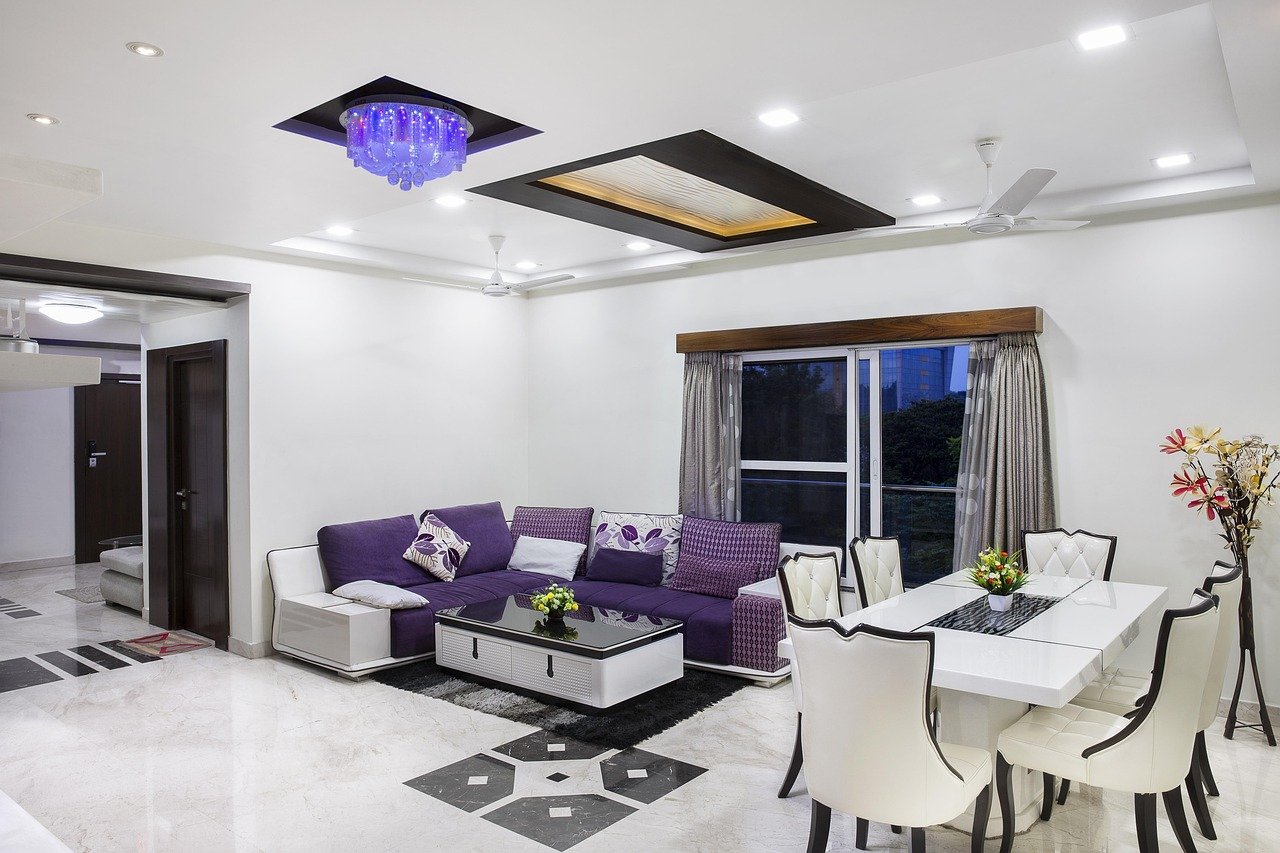
The boldest version of this trend is the purple sofa, and designers say it’s genuinely having a comeback. “Purple spent years in the ‘difficult’ category, often overlooked for being tricky or unflattering,” Greg Natale, founder of Greg Natale Design, told Livingetc. He credits its return to “the rise of neutral backdrops that call for a bold focal point, and the return of cushy, 1970s-inspired forms.” Natale also pointed out something practical: “purple is a good choice because it has the rare ability to bridge both warm and cool palettes,” which is part of why it pairs so easily with both wood tones and cooler grays.
Why this matters: most bold colors force you to pick a lane — warm or cool — and build the rest of the room around that decision. Purple’s flexibility means it won’t fight with the furniture you already own nearly as much as, say, a true red or a cool teal would. Natale did flag one caveat worth knowing before you buy: “in bright daylight, purple reads as luminous and dimensional, but in darker settings it can read as heavy or flat,” so a north-facing room with little natural light isn’t the ideal place to go all-in. If you’re not ready for a full sofa but want that same statement effect, a purple velvet accent chair delivers the impact in a smaller, more forgiving footprint.
Painting a Wall — or a Whole Room — in Plum
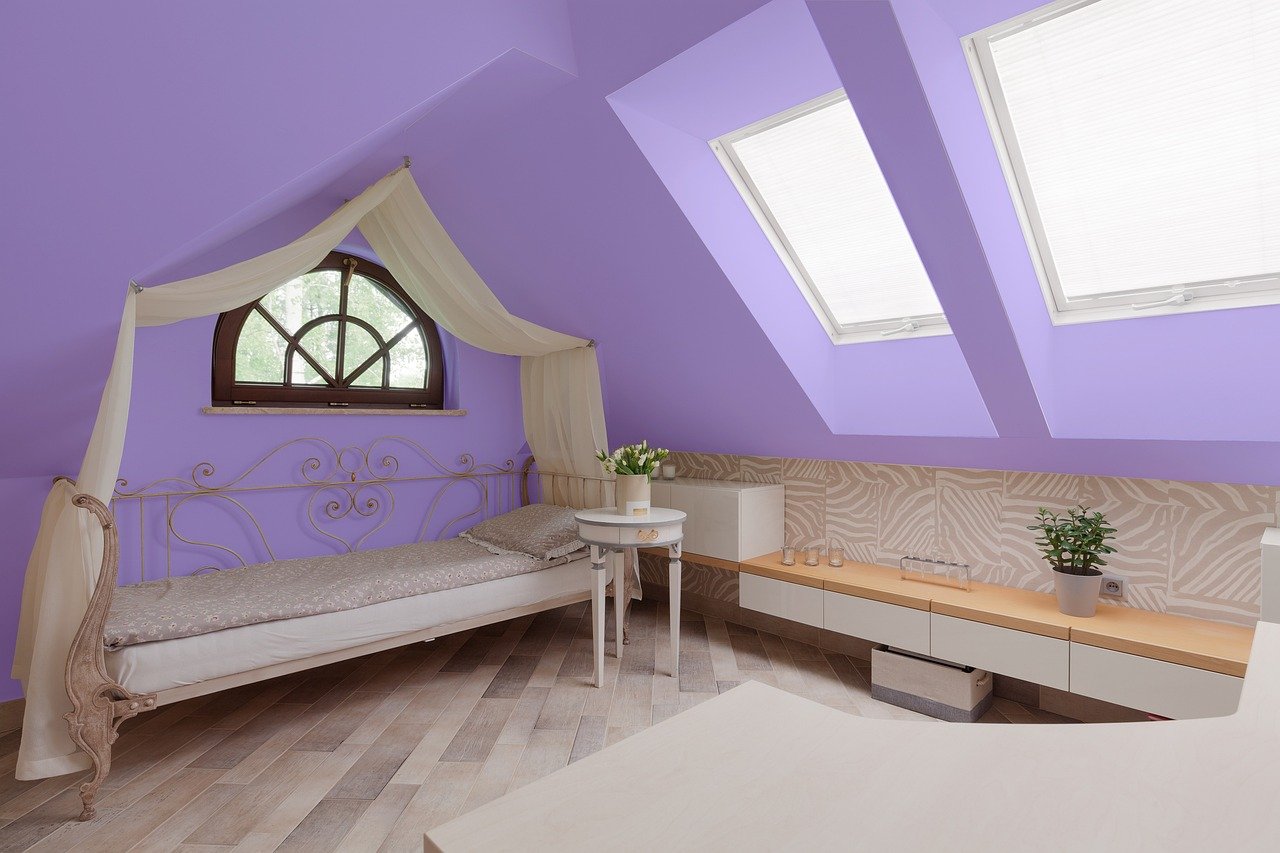
Paint experts are backing the same shift. “My color prediction for 2026 is plums and purples,” Florence Sherwood, color consultant at Georgie Wykeham Designs, told House Digest, noting that homeowners are reaching for saturated colors after years of leaning on warm neutrals. Ruth Mottershead, creative director at Little Greene, described it as part of a broader progression, saying that “for 2026, we will see a natural progression in the use of burgundy in interior design,” with red, pink, and purple tones all gaining ground as people grow more confident with bold color choices.
Why this matters: paint is the cheapest way to commit to a trend, but it’s also the most permanent-feeling one if you get the shade wrong, so it helps to know what plum actually pairs well with before you pick up a brush. According to the House Digest roundup, these deep purple tones work especially well against creams, golds, dark blues, grays, and greens — combinations that keep the color from reading as cold or gimmicky. It’s also a shade that doesn’t have to mean four walls; a powder room, a kitchen island, or built-in cabinetry are all lower-commitment ways to bring it in. For renters or anyone hesitant to commit to a full paint job, peel-and-stick plum wallpaper is a reversible way to test a whole wall.
Where Purple Actually Works Best in a Home
Not every room is an equal candidate for a saturated color like this. Bedrooms and dining rooms come up again and again in designer recommendations, and it makes sense: both are spaces meant to feel a little dramatic and enveloping rather than bright and energizing, which is exactly what deep purple does well. A home office is another strong option, since a moody accent wall behind a desk photographs beautifully on video calls and gives an otherwise plain room a sense of intention. Kitchens are trickier, but a single plum island or a run of aubergine lower cabinets against white uppers has been showing up in enough 2026 kitchen roundups to suggest it’s more than a fluke.
How to Keep Purple From Feeling Like Too Much
The line between “sophisticated” and “overwhelming” with a color this strong comes down to what surrounds it. Natale’s advice on this point is simple and applies well beyond sofas: “pair the sofa with light, airy elements so the color doesn’t dominate the room.” In practice, that means keeping walls, rugs, and larger furniture pieces neutral if your statement item — a sofa, a chair, an accent wall — is already doing the heavy lifting in purple. Natural materials help too; a light wood coffee table, a jute rug, or linen curtains all soften a deep purple’s intensity and keep the room from tipping into costume territory. The goal isn’t to build a monochrome purple room, but to let one or two confident purple moments carry a space that’s otherwise calm.
The Takeaway
My sister’s secondhand plum sectional, it turns out, wasn’t a fluke of good thrifting luck — it was ahead of a shift that designers, colorists, and furniture brands are now all pointing to at once. What makes this trend easy to try, compared to some of the more dramatic decor shifts of the past few years, is how many entry points it has: a pillow cover, a chair, a wall, or a full sofa, depending on how bold you’re feeling. If you’ve been eyeing a piece of purple furniture or a can of plum paint and talking yourself out of it, 2026 seems to be the year designers agree it’s worth the leap. I still haven’t painted anything plum myself, but I did finally admit my sister’s sofa looks better in her apartment than beige ever would have.