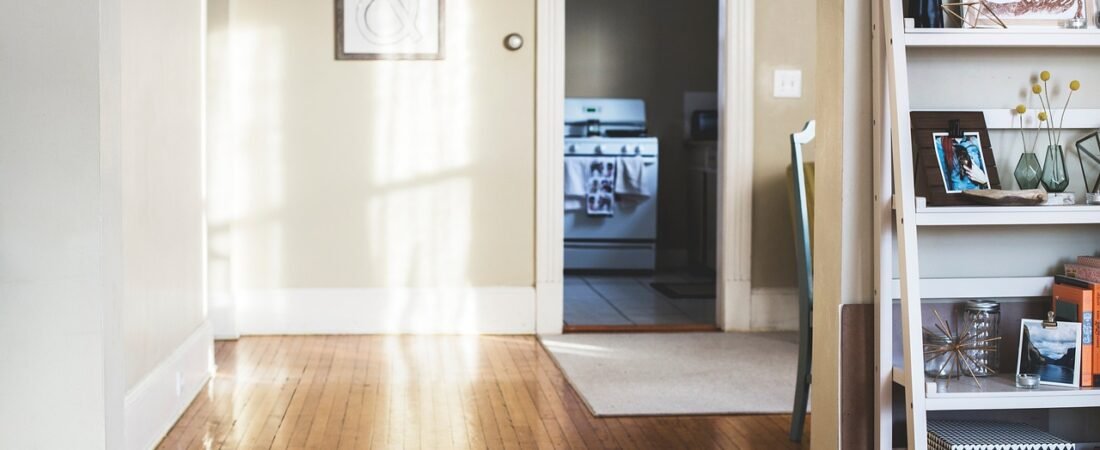
By late August, my entryway had become the place where good intentions went to die: a console table buried under a week of mail, one lone boot standing sentinel by the door for reasons nobody could explain, and a reed diffuser that had run dry sometime around the Fourth of July. Turns out I wasn’t alone. Designers spend every September fielding some version of the same question — how do you make the first six square feet of your home feel intentional again after a summer of foot traffic, sandy shoes, and propped-open doors? The fixes making the rounds right now aren’t about buying more baskets. They’re structural, seasonal, and sometimes as simple as swapping a lamp shade. Below are seven entryway moves designers are actually recommending for the second half of 2026, pulled from their own words rather than a generic checklist. A few of the products below are linked through Amazon, and as an Amazon Associate, I earn from qualifying purchases — though most of what follows is about rethinking the space itself, not shopping your way out of it.
1. Trade Freestanding Furniture for Built-In Architecture
The entryway trend designers keep circling back to this year has nothing to do with a new console table. It’s storage that disappears into the walls instead of sitting on top of the floor. “Hallways can quickly become overwhelmed by the everyday essentials of family life — shoes, bags, and coats all have a habit of gathering by the front door,” says Felix Milns of HUX London. Gail Bignell, head of design at Sharps, puts it more bluntly: “The trick is to make it feel as though it belongs to the bones of the house, rather than looking like furniture that has been squeezed in.” For homeowners who can swing a small renovation, that means built-in cubbies, a bench with drawers beneath it, or cabinetry that’s painted to match the trim rather than treated as a separate piece.
2. Lead With Scent, Not Just Sight
Interior designer Hallie Malitsky, founder of Hallie Rose Design, has made the case that an entryway’s first impression is as much about smell as it is about styling. “Scent, light, and one vessel with something nodding to fall — that’s the perfect formula,” she says. But she’s specific about what to avoid: “No pumpkin, no spiced cider, please nothing that smells like the candle aisle.” Her approach shifts with the calendar — “Late summer I want something lighter, greener and fresh smelling and as the air shifts to fall I move toward something moodier and woodier” — which is a useful reminder that a diffuser is a design decision, not an afterthought you grab at checkout.
Shop woodsy reed diffusers on Amazon
3. Swap the White Lamp Shade for Something Moodier
If your entry table still has the plain white or cream shade it came with, designer Jessica Hobson has a quick fix that costs less than a new lamp. “Swap out a white lamp shade for something moodier. Opt for a dark printed pattern; this gives you instant drama,” she says. It’s a genuinely low-effort update — the base stays, the bulb stays, only the shade changes — but it shifts the whole mood of the entry from bright and neutral to layered and a little more grown-up, especially once the afternoon light starts getting shorter and warmer.
Shop patterned lamp shades on Amazon
4. Cut Branches Instead of Buying Flowers
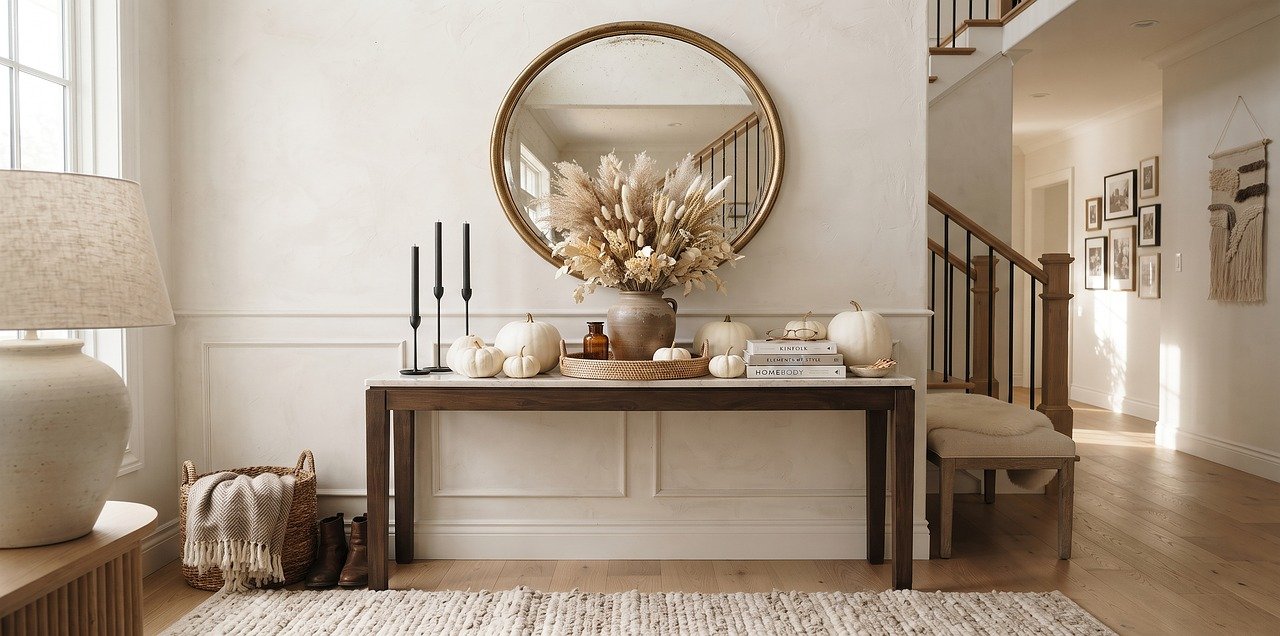
Both Malitsky and interior designer Claire Zinnecker independently point to the same fix for a stale entryway vignette: skip the fresh-cut flowers. “Trade the flowers for branches. I go out to the yard and cut something architectural, not too leafy,” Malitsky says. Zinnecker agrees, adding her own version of the idea: “Bring in something from outside. I love bringing in seasonal cuttings, think branches, grasses or late summer blooms.” The appeal is practical as much as aesthetic — branches last for weeks instead of days, they don’t need daily water changes, and they read as more architectural in a tall vase than a bunch of grocery-store flowers ever could.
Shop tall vases for branches on Amazon
5. Layer In Texture Before You Reach for More Color
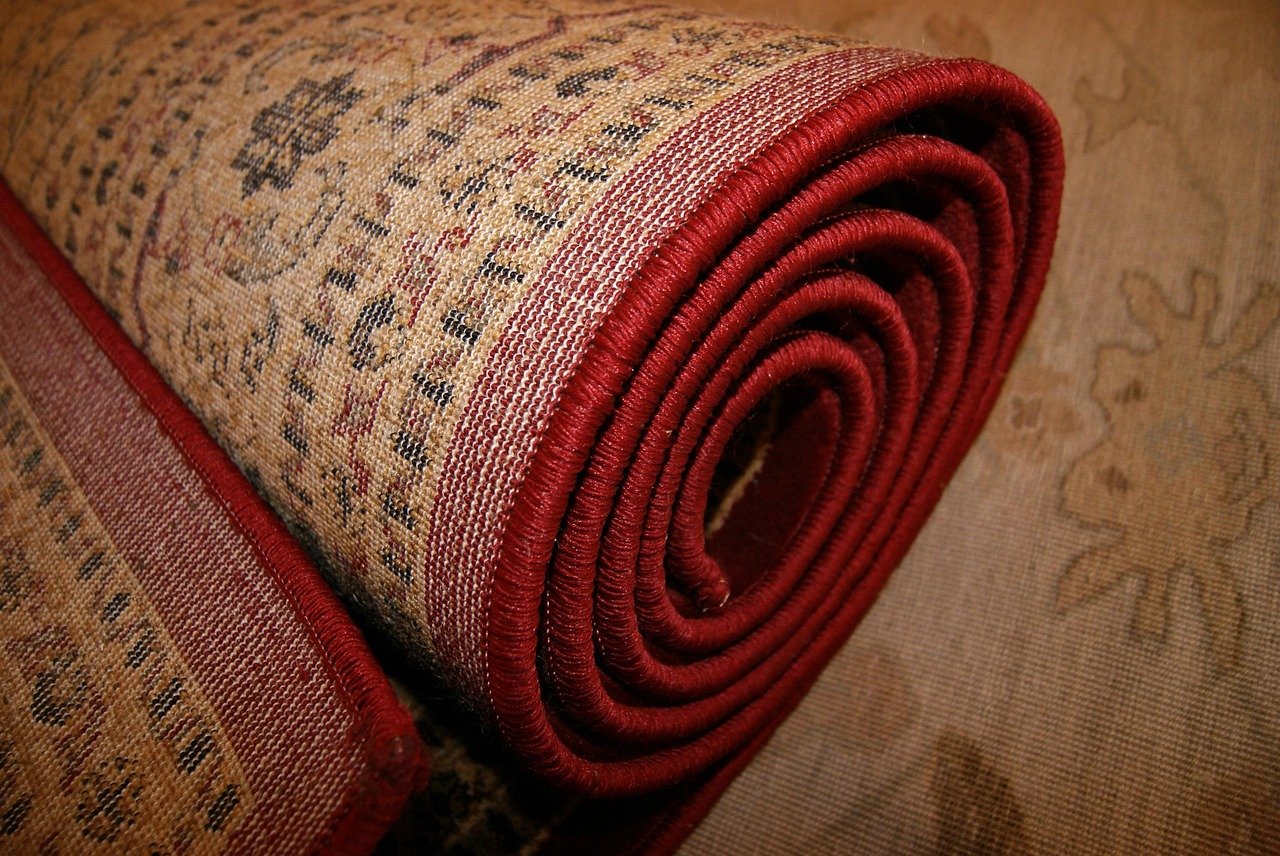
When an entryway feels flat, the instinct is usually to paint or add a bold accent piece. Claire Zinnecker suggests a different starting point: texture. “Warm up the palette with texture. I love to design with texture; it’s an amazing way to create interest without blowing the budget,” she says. In practice that means layering a woven runner over a jute base, mixing a rattan bench with a woven basket, or hanging a textured mirror frame instead of a smooth one — changes that add depth to a small, high-traffic space without requiring a full repaint or a big furniture purchase.
Shop jute runner rugs on Amazon
6. Use Every Inch of Vertical Wall Space
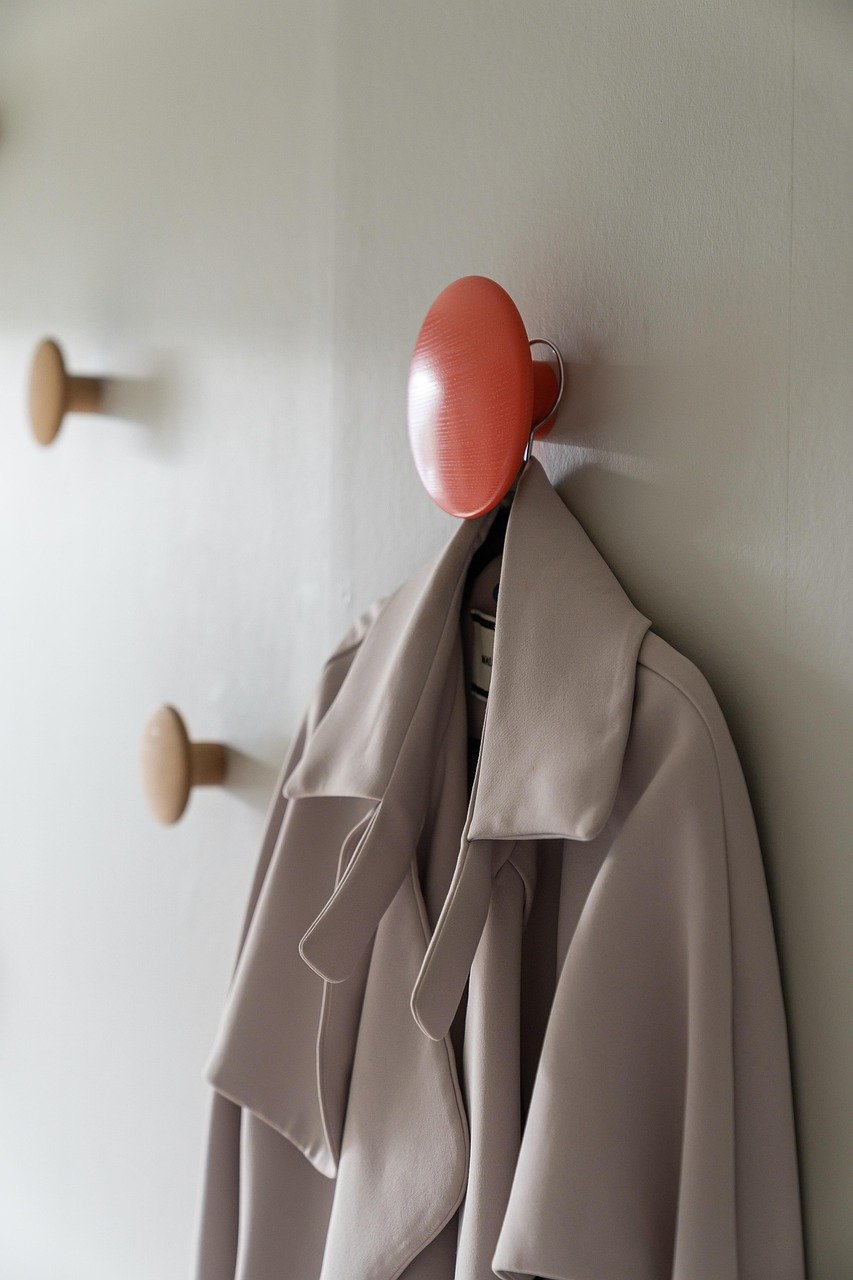
Most entryways are narrow, which is exactly why designers keep pushing storage upward instead of outward. “Making the most of a hallway’s vertical height is key to maximising every inch of available space,” Felix Milns notes, pointing to stacked hooks, a shelf above the coat rack, or cabinetry that runs closer to the ceiling than most furniture-store consoles do. Gail Bignell adds a planning tip worth taking seriously before a renovation: “My biggest tip is not to treat entryway storage as an afterthought.” A wall-mounted rack of hooks at two heights, one for adults and one lower for kids, does more real work than a single coat closet ever will.
Shop wall-mounted hook racks on Amazon
7. Let the Entryway’s Mood Follow You Into the Next Room
The last update is less about a single product and more about not treating the entryway as its own isolated stage set. “Carry the feeling past the door. Whatever you do in the entry, repeat one element of it again in the adjoining room,” Malitsky advises. That could mean the same warm bulb temperature in the hallway lamp as the living room floor lamp, a matching wood tone between the console and the nearest bookshelf, or simply not stopping the seasonal styling right at the threshold. It’s the difference between an entryway that looks staged for five minutes a day and one that actually feels like part of the house.
The Bottom Line
None of these seven updates require gutting the entryway or spending a renovation-sized budget in one weekend. A lamp shade swap and a scent change can happen on a Saturday afternoon; built-in storage and vertical hooks are worth planning for over a few months. What ties them together is that every one of them came from a working designer describing what they’re actually specifying for clients right now, not a generic seasonal refresh list. My own entryway still has a mail problem, but the diffuser is refilled, the flowers are branches, and the lamp shade is no longer white — which, according to the people who do this for a living, is most of the battle.