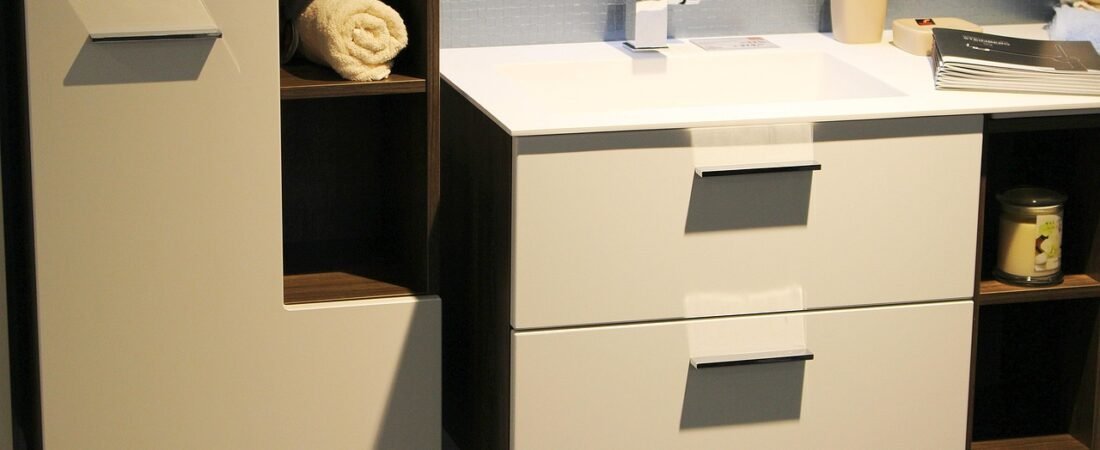
My bathroom drawer used to be a crime scene. Three half-used retinol serums, a vitamin C that had turned the color of weak tea, and a jar of eye cream I couldn’t remember opening — all crammed together under the sink, getting hit with steam every time someone showered. It wasn’t until a $68 serum stopped working after four months that I actually looked into why, and the answer had nothing to do with the product and everything to do with where I was keeping it. This post contains Amazon links — as an Amazon Associate, I earn from qualifying purchases, at no extra cost to you. That rabbit hole led me to what dermatologists and professional organizers are now calling the “skincare sort” — a bathroom organizing shift built specifically around how skincare actually degrades, not just how it looks on a shelf. Here’s what they actually recommend, and why most of us have been storing our products all wrong.
Why Every Bathroom Counter Looks Like a Skincare Store Now
If your vanity has quietly filled up with more bottles than it had two years ago, you’re not imagining it. Multi-step routines with dedicated serums, treatments, and actives have become the default rather than the exception, and the storage industry has noticed. Demand for dedicated beauty refrigerators — small units built to keep skincare cool and out of light — was valued at roughly $146.67 million in 2022 and is projected to grow at a compound annual rate of 8.4% through 2030, according to Grand View Research’s market analysis. That is not a niche appliance category anymore; it is a direct response to how much product the average bathroom is now expected to hold, and how badly most bathrooms are built to hold it.
The problem is that bathrooms are, by design, the worst possible environment for the ingredients we’re spending the most on. Steam, humidity, and direct light hit the counter first, which is exactly where most people keep their most expensive products for convenience. The skincare sort isn’t about buying more bins. It’s about rethinking where and how skincare gets stored so the money you already spent doesn’t evaporate before the bottle is empty.
Trick 1: Get Everything Off the Open Counter
The single biggest correction dermatologists point to is also the simplest: stop storing active products in direct light and heat. Dr. Hannah Kopelman, a dermatologist at Kopelman Aesthetic Surgery, explains that “heat and light can degrade active ingredients in many products, especially those containing retinoids, vitamin C, and peptides.” A sunny windowsill or a counter next to a hot shower is doing quiet damage every single day, even when nothing looks visibly wrong with the bottle.
This is the piece most people skip because it means giving up the “shelfie” aesthetic in favor of a closed drawer or cabinet. It’s worth the trade. A shallow, dark drawer organizer keeps bottles upright, separated, and out of direct sun without making your routine any less accessible — you’re still opening one drawer, not digging through a cabinet. Look for one with adjustable compartments so it can grow with a routine that’s still evolving.
Why this matters: retinoids and vitamin C are two of the most expensive, most effective, and most notoriously unstable ingredients in any routine, and both break down faster with light and heat exposure. Moving them into a closed, cool drawer is a free upgrade that directly protects the investment you already made — no new product purchase required, just a different home for the ones you have.
Shop adjustable drawer organizers on Amazon

Trick 2: Sort by Routine, Not by Brand
Once products are off the counter, the next mistake is grouping them the wrong way — by brand, by size, or by whatever fits the shelf, instead of by when and how they’re actually used. Alexis Pfropper, founder of äesthetik skincare, recommends arranging items “in order they’re used. Cleansers first, followed by toners or tonics, serums, moisturizers, and SPF for daytime.” Dr. Annabelle Garcia, a board-certified dermatologist at Sonterra Dermatology, backs up the sequencing logic from a formulation standpoint: “the thinnest products should be applied first, and your routine should end with the thickest product. The order typically goes from cleanser, toner, and serum to moisturizer and sunscreen. Storing your products in this order can help you to avoid skipping a step, allowing for the most effective skincare routine.”
In practice, that means splitting storage into three loose groups — morning, evening, and occasional treatments — rather than one big jumble. A tiered acrylic organizer does this well because each level can hold one stage of the routine, and the clear sides mean you can see what’s running low without opening every bottle to check. It also removes the guesswork on mornings when you’re moving too fast to think about sequencing.
Why this matters: skincare only works as well as it’s applied, and applying a heavy moisturizer before a lightweight serum can physically block the serum from absorbing at all. Sorting by step rather than by aesthetics turns your storage into a built-in instruction manual, which matters most on the groggy mornings when you’re least likely to remember the correct order on your own.
Shop tiered acrylic skincare organizers on Amazon
Trick 3: A Mini Fridge, If (and Only If) You Use It
The beauty fridge is the most visible part of this trend, and also the most overhyped. Not every product needs refrigeration — most cleansers, sunscreens, and basic moisturizers are perfectly stable at room temperature in a closed drawer. But certain formulas genuinely benefit from it: vitamin C serums, gel-based eye creams, and sheet masks all last measurably longer and feel noticeably better on the skin when kept cool, which is why dedicated mini fridges have moved from niche appliance to a real product category almost overnight.
The trick is treating the fridge as a small, curated shelf for two or three products that actually need the cold, not a second storage unit for everything you own. A compact model that holds eight to twelve bottles is plenty for a real routine and takes up less counter space than most people expect — many are designed to tuck into a corner of the vanity or a closet shelf.
Why this matters: refrigeration slows the oxidation that breaks down vitamin C in particular, meaning the same $60 serum can stay effective for weeks longer than it would sitting in a warm bathroom. For products you’re only using a few times a week, that difference in shelf life can be the gap between finishing the bottle and throwing half of it away.
Shop mini skincare fridges on Amazon
Trick 4: Track Opening Dates Like a Pro Organizer
Almost nobody actually checks the small jar symbol printed on the back of skincare packaging — the one with a number and an “M,” indicating how many months a product stays good after it’s opened. Jolene Monaco, a certified professional organizer with Habitually Organized, points to this exact gap: “with skin care, you’ll often see an expiration date or a symbol. This lets you know the product will lose effectiveness ‘X’ number of months after opening. We recommend adding an expiration date sticker such as these on Amazon to keep track of when you open the product.”
The fix takes about thirty seconds per bottle. The moment you open something new, write the date on a small sticker and place it on the lid or the side of the bottle. It sounds almost too basic to matter, but it turns a vague guess (“I think I bought this in spring?”) into a fact you can check in one glance, which makes it much easier to actually use products before they expire instead of finding them, untouched, a year later.
Why this matters: unopened skincare can sit on a shelf for years without issue, but the clock starts the moment it’s opened and exposed to air. Most active ingredients are only guaranteed effective for six to twelve months after that point. Dating your products removes the guesswork entirely and stops you from applying a serum that’s technically still full but has quietly stopped doing anything.
Shop expiration date stickers on Amazon
One More Rule: Separate Anything Medicated
This part gets overlooked because it’s less about aesthetics and more about safety. Dr. Garcia is specific about it: “you should have a system to separate these products if you’re using them at different times. You can store them in different drawers or use dividers for a clearer visual distinction. This is especially helpful if you have an ointment or topical medication that needs to be applied at a certain time to treat conditions such as dermatitis or eczema.” If your routine includes a prescription retinoid, a steroid cream, or anything time-sensitive for a skin condition, it deserves its own labeled section — not a spot next to the everyday moisturizer where it’s easy to grab by mistake.
A simple set of drawer dividers solves this without requiring a full drawer swap. Use one section exclusively for medicated or prescription products, label it if anyone else uses the bathroom, and keep it visually distinct from the rest of the routine.
Shop expandable drawer dividers on Amazon
The Bottom Line
None of this requires renovating a bathroom or buying a full matching organization system. It requires moving products out of direct light and heat, grouping them by when you actually use them instead of how they look, being honest about which two or three items genuinely need refrigeration, and writing a date on the lid when you open something new. My own drawer went from a guessing game to something I can restock accurately in under a minute, and I haven’t tossed a half-used serum since I started dating them. The skincare sort isn’t a trend that needs a full weekend or a new drawer system to pull off — it’s a handful of small habits that finally match how these products actually work, not just how they look sitting on a shelf.