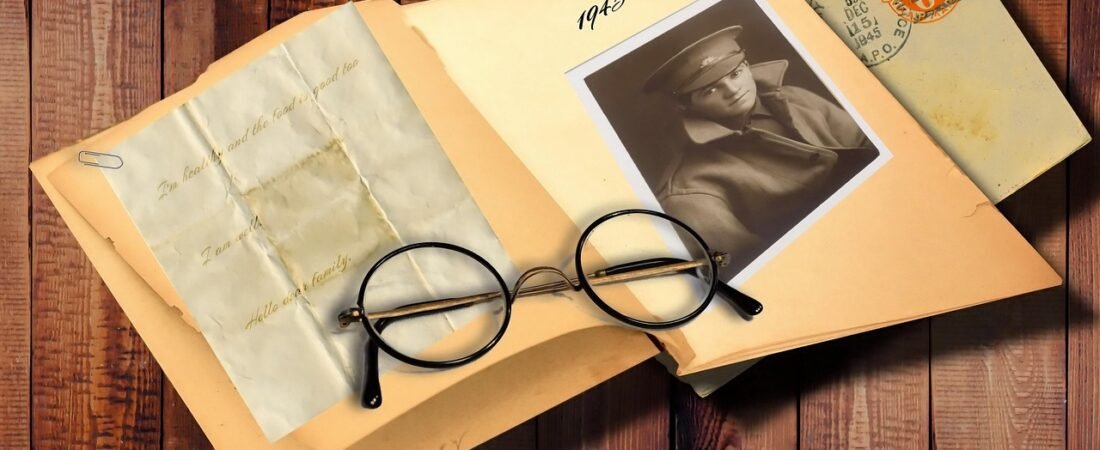
I still have the shoebox. It’s been in my closet through three moves, and inside it is a birthday card from my grandmother, a hospital bracelet from the day my daughter was born, and roughly forty ticket stubs from concerts I barely remember attending. Every time I declutter, I open that box, feel a wave of guilt for even considering it, and put the lid back on without removing a single thing. As an Amazon Associate, I earn from qualifying purchases, and it turns out I’m not the only one who’s been stuck on this particular category of stuff — Apartment Therapy just wrapped its annual “Decluttering Cure” series for 2026, and for the first time in years, the advice isn’t “get rid of it,” it’s something closer to permission to keep some of it, on purpose.
Why 2026’s Decluttering Advice Finally Deals With the Emotional Stuff
Most organizing content treats sentimental items like a logistics problem — fold this, label that, stack it vertically. But in a piece published September 25, 2026, Apartment Therapy’s Lifestyle Director Stephanie Nguyen tackled the category that logistics can’t touch: the keepsakes, cards, and kid art that make people freeze up mid-declutter. Her framing is the whole shift in one line — she writes that “letting go of an object doesn’t mean letting go of the person or memory attached to it.” That distinction matters more than it sounds like it should. A lot of us treat the object and the memory as the same thing, which means every decluttering session turns into a referendum on how much we loved someone, instead of a simple decision about a box of paper and fabric.
The “Maybe” Box Rule, and Why It Works
The piece that’s been getting the most attention out of this year’s series is a method called “box and banish,” also from Nguyen, published the following day. The rule is simple: anything you’re unsure about goes into a box, the box gets sealed and stored out of sight, and you’re allowed to retrieve anything you actually go looking for over the next six weeks. Whatever’s still untouched after that window gets donated or tossed, unopened. As Nguyen put it, “what I love about the ‘box and banish’ method is that it makes you live with less and bring back only items you care about.” It’s a clever workaround for the fact that most of us can’t make a good decision about an item while we’re staring directly at it and feeling guilty — distance and time do the sorting that willpower can’t.
This isn’t just one organizer’s personal trick, either. In a separate Apartment Therapy roundup published the same week, Paul Tis, president of the junk removal company Junk King, made almost the identical point about the broader “someday” impulse that fills up closets and garages: “‘I might need this someday’ may sound practical until you apply it to every area of the house.” A sealed box with a deadline forces that “someday” logic to actually prove itself instead of just sitting there indefinitely. If you want to try the method without raiding your recycling bin for a box that won’t hold up for six weeks, a sturdy stackable bin with a locking lid works well, since it needs to survive sitting untouched on a shelf or under a bed for well over a month.
Curate the Pile Instead of Keeping All of It
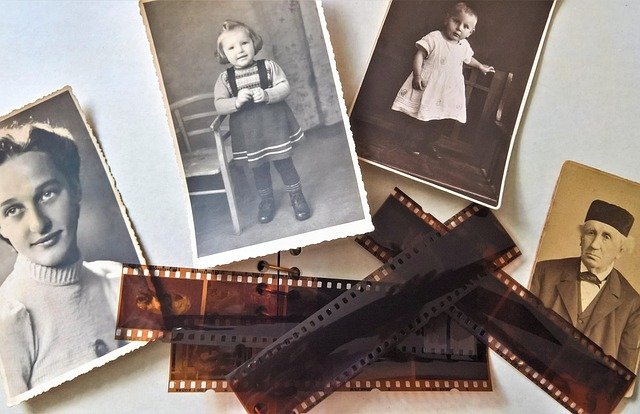
Once you’ve separated out what’s genuinely sentimental from what just ended up in the same drawer, the next step Nguyen recommends is curating within that smaller pile rather than keeping every single piece. Her advice is specific: reduce duplicate photographs, and if you have a stack of shirts that all mean something, pick your actual favorites instead of keeping the whole collection intact. The goal isn’t minimalism for its own sake — it’s making sure the handful of things you do keep actually get seen and appreciated instead of disappearing into an overstuffed box you never reopen. For photos specifically, a dedicated acid-free storage system keeps the ones you choose protected far longer than a shoebox or a drawer. An acid-free photo storage box with dividers is built for exactly this kind of long-term keeping, with photo-safe materials and index cards so you’re not just trading one chaotic pile for a slightly tidier one.
Turn a Few Pieces Into Something You’ll Actually Use
Nguyen’s piece also makes a case for repurposing instead of just storing: turning a collection of meaningful shirts into a quilt, framing concert tickets as a small piece of wall art, or sliding a few photos into a book as bookmarks you’ll actually see again. It’s a reframe worth sitting with — a memory box in a closet does nothing for you day to day, but a quilt on the back of the couch or a framed collage on the wall keeps the same object doing something, instead of just existing in the dark. If you’ve got a pile of t-shirts with no plan for them, a t-shirt quilt kit is a realistic weekend project even if you’ve never sewn one before, and it solves the “I can’t throw this away but I never look at it either” problem for good.
Store What’s Left Out of Sight, Not Out of Mind
Whatever doesn’t get repurposed still needs somewhere to actually live, and the “always-organized” crowd has opinions here too. Adam Kutner, VP of marketing at Storage King USA, put it plainly in the same Apartment Therapy roundup: “Many organized homeowners use storage strategically for seasonal items, keepsakes, or belongings they don’t need every day.” The point isn’t that keepsakes should be hidden out of shame — it’s that something you touch twice a year doesn’t need to compete for space with things you use daily. Debbie Rosemont, a productivity consultant and owner of Simply Placed, added a longer-term piece of advice that applies directly to a memory box: “organizing and staying organized is a process, not an event,” meaning the box deserves a check-in every year or two, not a single decluttering session and then never again. A clearly labeled keepsake storage bin that fits under a bed or on a closet shelf makes that periodic check-in painless instead of a full excavation, and a basic label maker means you’ll actually know what’s inside each box without opening every single one first.

My Shoebox Is Still Here, and That’s Fine Now
I went back to my shoebox after reading all of this, and I didn’t throw anything away — I did something closer to what Nguyen describes. I pulled out the eight concert ticket stubs I actually remember the night of, recycled the other thirty-two, and moved the birthday card and hospital bracelet into a small labeled box that now lives on a closet shelf instead of jumbled in with everything else. Nothing I loved is gone. What’s gone is the version of the box that made me feel vaguely guilty every time I opened it, because it was really just unsorted paper standing in for a decision I kept avoiding. That’s the actual shift in this year’s advice: sentimental clutter was never really about the stuff. It was about finally being allowed to decide, on purpose, what gets to stay.