
A friend of mine turned 34 this summer and threw herself a small party with a theme she found genuinely funny: “still renting.” She has a stable job, a decent 401(k), and zero interest in giving up. What she does not have, and does not expect to have anytime soon, is a house with her name on the deed. Talking to her made me start paying closer attention to a number I kept seeing in housing coverage this year: 40. That is now the median age of a first-time homebuyer in the United States, according to new data from the National Association of Realtors. A decade ago it was in the low 30s. Before the 2008 crash, first-time buyers made up nearly 40 percent of the market. Today they are 21 percent, the lowest share ever recorded. This is not a blip. It is a full recalibration of when, and whether, homeownership happens, and it is reshaping how an entire generation thinks about moving, saving, and settling down.
The Numbers Behind the Shift

NAR’s 2026 Profile of Home Buyers and Sellers, released this spring, found that first-time buyers accounted for just 21 percent of all home purchases over the past year, down from 24 percent the year before and roughly half the share they held in 2007. Meanwhile, baby boomers now make up 42 percent of all buyers and 55 percent of all sellers, making them the single most dominant generation on both sides of the transaction.
Dr. Jessica Lautz, NAR’s deputy chief economist, put it plainly in the report: “For many younger households, affordability challenges and limited inventory are still making homeownership difficult to achieve.” She has also noted elsewhere that the first-time buyer share has effectively contracted by about half since 2007, a shift that has been building for nearly two decades rather than happening overnight.
The generational breakdown inside the report is even more telling. Among younger millennials, the share who were first-time buyers dropped from 71 percent to just 60 percent in a single year. That is a fast erosion of what used to be the most predictable homebuying cohort in the country.
Why the Math Stopped Working for Young Buyers
Orphe Divounguy, a senior economist at Zillow, frames the problem as an income gap that keeps widening. “They have to have a much higher income than they used to, to grab onto the first rung of the homeownership ladder,” he said. Wages for many entry-level and mid-career workers have not kept pace with home prices, insurance costs, or property taxes, all of which have climbed sharply since the pandemic.
Chen Zhao, head of economic research at Redfin, points to a longer trend line rather than a single bad year. “The median age of a first-time homebuyer is somewhere in the mid-30s, and it seems like it’s risen quite a bit for the last 20 years,” she said, describing a slow, steady climb rather than a sudden spike tied to any one downturn or policy change.
Not everyone agrees on why. Edward Pinto of the American Enterprise Institute’s Housing Center argues the story is less about buyers changing and more about the product itself changing. “What’s actually going on is houses have gotten more expensive. The age hasn’t changed particularly,” he said, pointing to construction costs, land prices, and local zoning rules that have made smaller, cheaper homes harder to build in the first place.
The Vanishing Starter Home
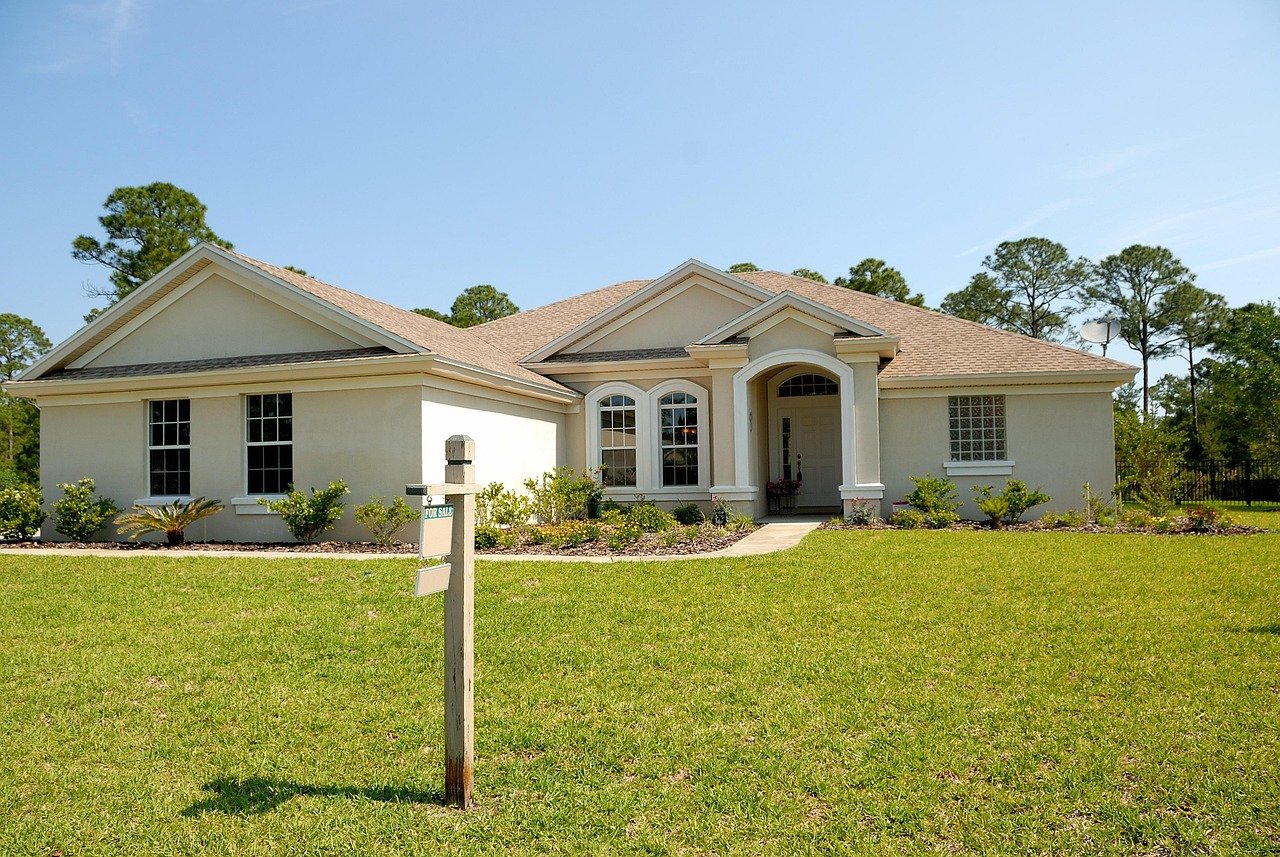
Part of what makes this trend feel so different from past slowdowns is that the entry-level home itself has largely disappeared from new construction. Builders have shifted toward larger, higher-margin homes, and the smaller three-bedroom houses that once served as a first step now sell for prices that would have been considered mid-tier a decade ago.
NAR’s Shannon McGahn has quantified what that delay actually costs. Pushing homeownership from age 30 to age 40, she has noted, can mean losing roughly 150,000 dollars in equity on a typical starter home over that decade, money that would otherwise have been quietly building in the background while a mortgage payment replaced rent.
The buyers who do manage to purchase are compensating in ways that would have looked unusual a generation ago. The median down payment among first-time buyers hit 10 percent this year, the highest share since 1989, funded overwhelmingly by personal savings and, increasingly, by financial assets like retirement or investment accounts rather than gifts from family.
What Waiting Longer Actually Looks Like

For the growing share of Americans who are not buying in their 20s or early 30s, life is not on pause. Rentals are being furnished and decorated with the same care once reserved for owned homes. Roommate arrangements are stretching well past the traditional college years, and multi-income households, whether roommates or partners, are increasingly treated as a deliberate financial strategy rather than a stopgap.
That shift in mindset is showing up in how people talk about wealth building, too. Ashley Russo, a wealth management advisor at Northwestern Mutual, offers a line that would have sounded almost heretical in the housing market of ten years ago: “Owning a home is not the only way to build wealth.” More young adults are directing savings toward retirement accounts, brokerage investments, or simply staying liquid while they wait for prices or rates to move in their favor.
For those who do eventually buy, the payoff of patience is still real. Mike Fratantoni, chief economist at the Mortgage Bankers Association, points to what happens once someone finally closes: “With a fixed-rate mortgage, homeowners lock in their housing costs and can build up significant wealth over time.” The delay is real, but so is the eventual benefit for those who get there.
A Market Increasingly Run by Repeat Owners
One consequence of fewer first-time buyers is a market that leans more heavily on people who already own. Sellers in this year’s NAR data had owned their previous home for a record 11 years before listing it, meaning the typical seller is not a young family trading up but a longer-tenured owner making a more deliberate, less urgent move.
With boomers accounting for both the largest share of buyers and the largest share of sellers, a significant amount of housing activity in 2026 is effectively happening within a single generation, trading homes among itself while a much smaller share of transactions involve someone stepping onto the ladder for the very first time. That concentration has ripple effects on everything from the types of homes being listed to the neighborhoods where turnover is happening at all.
What This Means Going Into 2027
The age-40 first-time buyer is not a temporary statistic tied to one rough year of mortgage rates. It is the product of two decades of prices outrunning wages, a construction industry that stopped building starter homes, and a generation that has adjusted its financial priorities in response. Some of that adjustment is reluctant. Some of it, judging by how confidently people like my friend talk about renting well into their 30s, is closer to a genuine reordering of what counts as a milestone.
What seems unlikely to change soon is the underlying math Divounguy and Zhao both point to: incomes would need to rise faster, or home prices would need to soften more meaningfully, for the median first-time buyer to get noticeably younger again. Until one of those shifts, expect the waiting era to keep defining how a large share of American adults think about renting, saving, and eventually, buying.