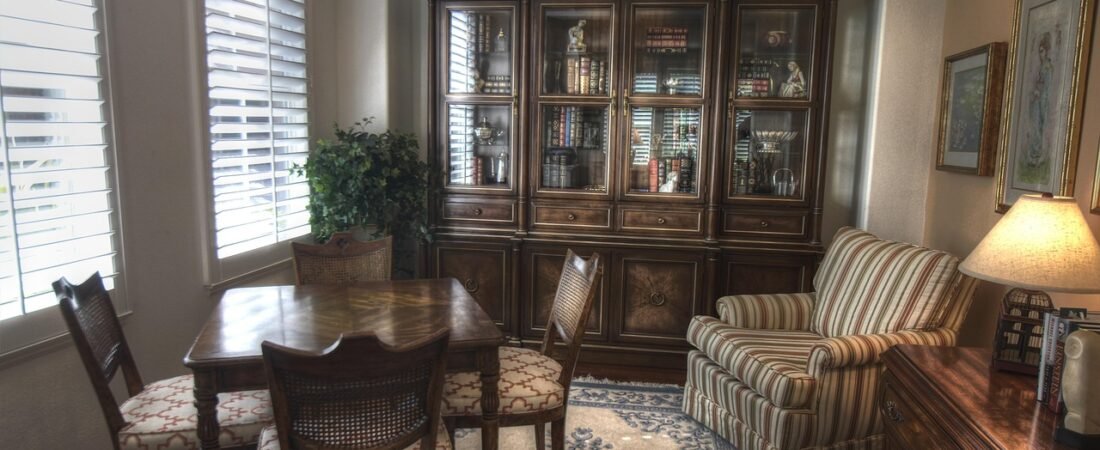
The lamp had a scratch across the brass base and a shade that didn’t match anything else in my living room. I’d pulled it from a curbside pile on trash day in my neighborhood, mostly on a whim, and for months I felt vaguely embarrassed about it sitting next to furniture I’d actually paid for. Then a friend who works in design walked in, stopped, and asked where I’d found it — not out of politeness, but because she genuinely wanted one just like it. That was the moment it clicked: the flawless, everything-matches look I’d been chasing for years wasn’t actually what made a room feel good. The scratched lamp was the only thing in that room with a story attached to it. As it turns out, I’m not the only one who’s noticed. Interior designers across the country are naming this shift outright, and it now has a name of its own: found luxury.
What “Found Luxury” Actually Means
Found luxury is the term interior designers are using right now to describe a home filled with objects that were collected slowly over time, rather than sourced all at once from a single store or a single mood board. Homes & Gardens, which broke the trend down in detail this year, defines it plainly: “More than an interior design trend, found luxury is a mindset we can all follow when decorating our homes. Achieved by slowly collecting objects over time, its thoughtful layers make it feel luxurious and all the more livable.” It’s being framed as the direct successor to quiet luxury, the restrained, monochromatic, everything-coordinated aesthetic that dominated the past few years.
Olivia Needham, Senior Interior Designer at Sims Hilditch, put the contrast this way: “While quiet luxury focused on restraint, quality and understated elegance, it could sometimes feel overly polished or indistinct.” Found luxury is the correction. Needham’s advice for anyone trying it: “Focus on objects that feel collected rather than prescribed — pieces that are inherited, sourced over time, or chosen for their craftsmanship and longevity.”
The Numbers Behind the Shift
This isn’t just a handful of designers speaking anecdotally — there’s real data behind it. A 2026 survey from 1stDibs, the online marketplace for vintage and antique furniture, found that 36% of the pieces designers sourced for their projects in the past year were vintage or antique, the highest share the platform has recorded since 2021. Eighty-five percent of designers surveyed had sourced at least one vintage piece (defined as furniture made between the 1920s and the 2000s), and 63% had used a true antique made before the 1920s — up from 56% just two years earlier.
Anthony Barzilay Freund, Editorial Director at 1stDibs, connected the shift to a broader mood in the design world: designers, he said, “are embracing the future by beginning to adopt AI tools for efficiency while also looking back to vintage and antique furniture for inspiration and quality craftsmanship.” In other words, as more of daily life starts to feel automated and identical, the objects people choose to live with are moving in the opposite direction.
Why Nothing Is Supposed to Match Anymore
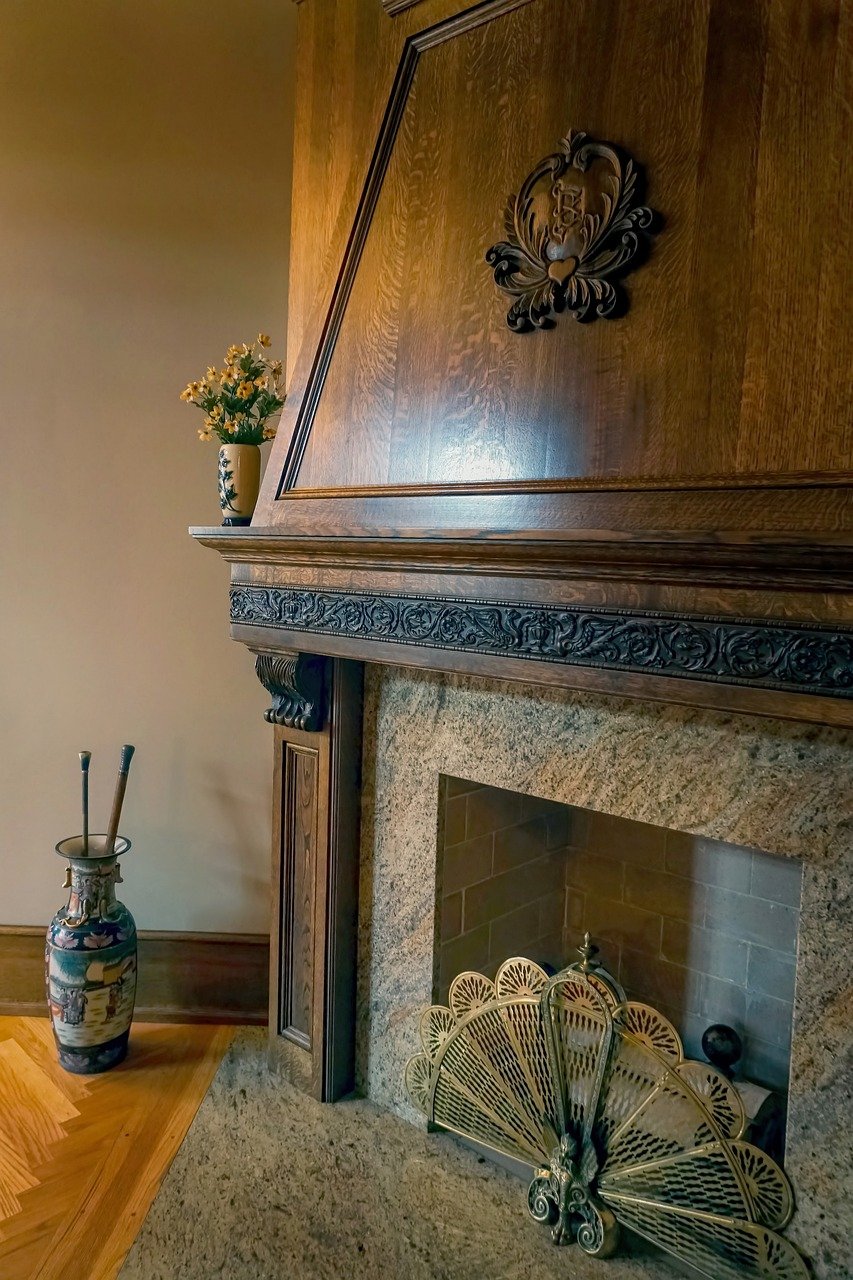
If quiet luxury was about a tight, controlled palette, found luxury runs on contrast, and designers are explicit about that being the point, not a mistake to fix. “Quiet luxury stripped things back, while found luxury brings the soul back in,” says interior designer Lauren Saab. “A room without contrast falls flat, but the moment you introduce it, the space comes to life.”
Lauren Sullivan, Founder & Curator of Well x Design and Well Found, frames it as less about a look and more about how people are actually living day to day: “I think it’s a more honest direction. ‘Quiet’ luxury always felt a bit polished and controlled,” she says. “‘Found’ luxury is more about how people actually live — layering pieces over time, mixing old and new, and not needing everything to match or feel finished all at once.” That last part is arguably the most freeing piece of the whole trend for anyone who’s ever felt behind on decorating a room “correctly.”
Where to Actually Start Collecting
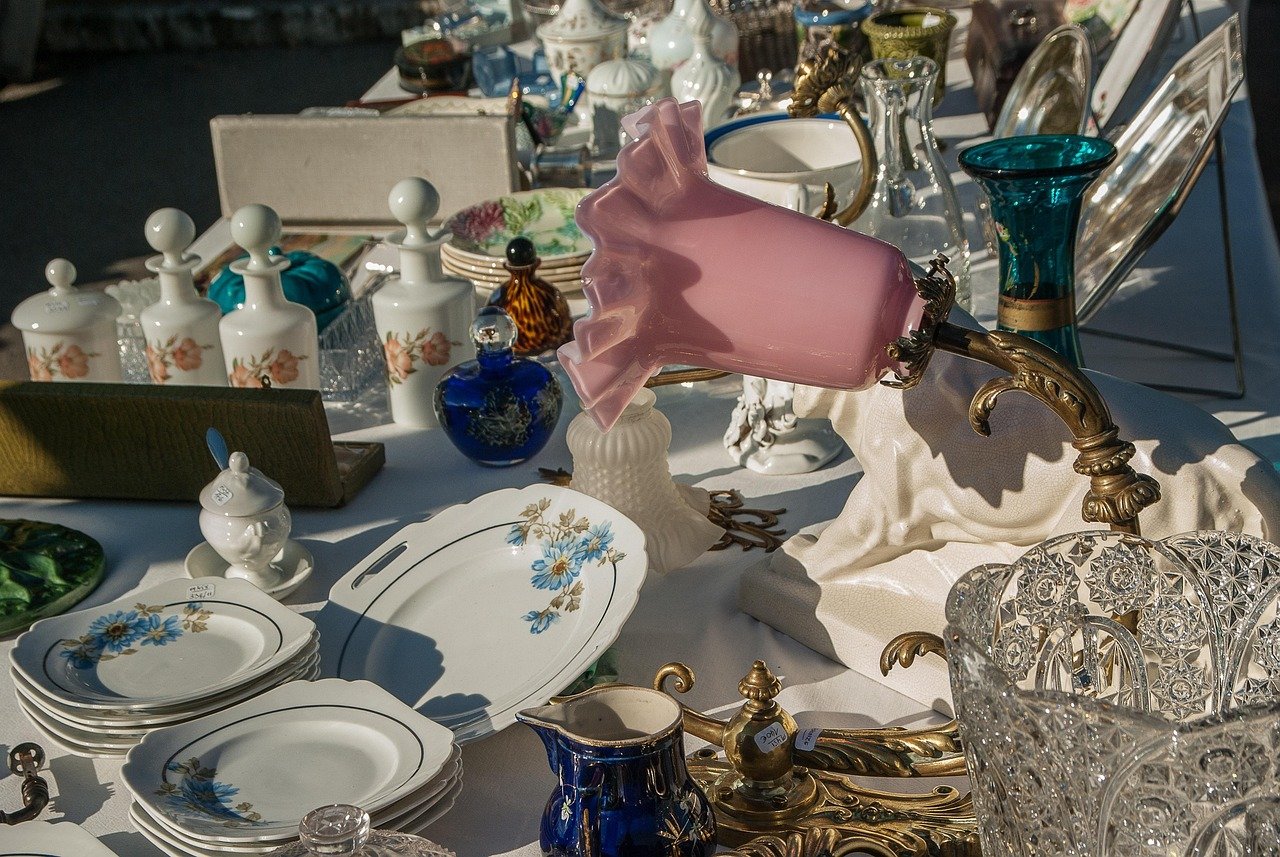
The trend sounds appealing in theory, but it raises an obvious question: where do these pieces actually come from? Designers pushing found luxury keep pointing to the same sources — estate sales, flea markets, antique malls, inherited furniture from family members, and secondhand marketplaces, rather than a single retailer’s new collection. Interior designer Shani Core is one of the trend’s most enthusiastic proponents. “I am thrilled with the concept of ‘found luxury’ as this has always been my philosophy on decorating and always will be,” she says. Her approach to sourcing is unapologetically eclectic: “I find the more unusual the better!”
Practically, that can mean something as small as a single chipped ceramic bowl on a shelf or as involved as reupholstering a worn armchair found secondhand instead of buying new. The common thread is craftsmanship and material that ages well — solid wood, natural stone, brass that’s allowed to tarnish, leather that’s allowed to crease — over anything designed to look pristine indefinitely.
It’s Not Anti-Quality — It’s Anti-Disposable
Not every designer agrees that found luxury and quiet luxury are even opposites. Jen Baxter, Founder of Baxter Hill Interiors, pushes back on the framing a little: “I’d push back gently on the idea that one is replacing the other,” she says. Her read on what’s actually changing is more specific than a stylistic pendulum swing: “The opposite of Found Luxury isn’t Quiet Luxury, it’s disposable luxury.” That distinction matters, because it reframes the trend as less about a particular look and more about a values shift — away from flat-pack furniture bought to fill a room quickly, and toward pieces bought (or found) with the expectation that they’ll still be around, and still loved, in twenty years.
Room by Room, It Looks Different Everywhere
Found luxury doesn’t have a single uniform look, which is part of why it’s spreading across every room of the house rather than staying confined to one style category. In a living room, it might show up as a single worn leather club chair pulled up next to an otherwise contemporary sectional. In a dining room, it’s often the table itself — an inherited wood table with visible knife marks and water rings, kept instead of replaced. In an entryway, it can be as simple as a chipped ironstone pitcher used to hold umbrellas, or a tarnished brass hook rack salvaged from an old building. The common rule designers keep repeating is that the piece should feel chosen for a reason, whether that’s a family connection, an unusual material, or simply the fact that it’s survived decades of use without falling apart.
The Resale Market Was Already Getting Ready for This
None of this happened overnight. Vintage furniture marketplace Chairish has tracked a steady climb toward secondhand home goods for years, with a resale report finding that 70% of interior designers said they were buying more vintage pieces than the year before, and 98% said they now incorporate vintage furniture or art into their projects in some form. “Resale is the sustainable, stylish, and practical way to shop,” Chairish co-founder and CEO Gregg Brockway has said of the shift. “In short, buying vintage just makes sense and is now mainstream.” Found luxury, in that sense, isn’t a trend that appeared out of nowhere this year — it’s the moment the design world finally gave a name to something homeowners and designers alike had already been quietly building toward, one flea market find at a time.
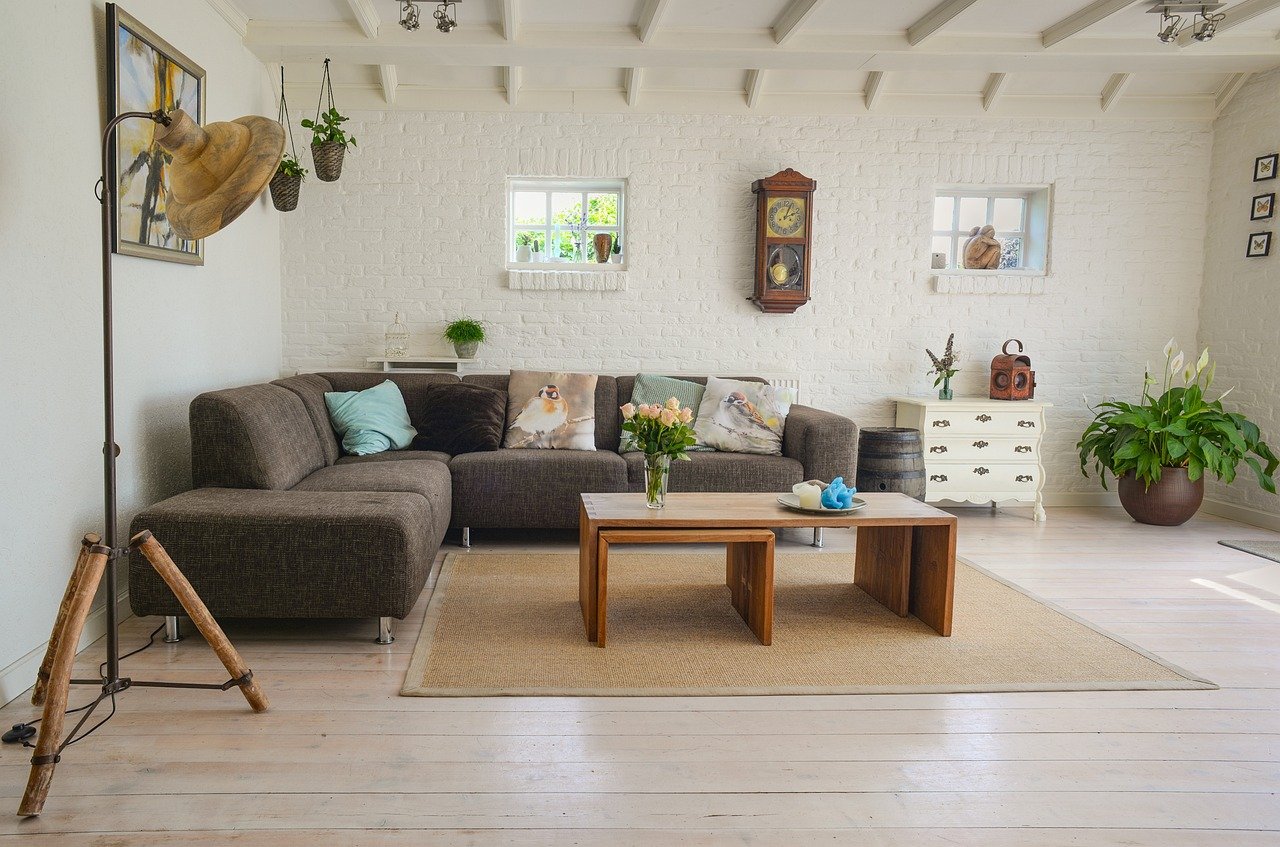
That brass lamp is still sitting in my living room, scratch and all, and at this point I’ve added a few more pieces around it that don’t match it or each other — a stack of secondhand books with someone else’s initials inside the cover, a small clay dish I found at a yard sale that I still don’t know the original purpose of. None of it looks like a showroom. All of it looks like mine. If found luxury has a lesson worth taking into any home, it’s that the room doesn’t need to be finished to feel right — it just needs a few things in it that actually mean something.