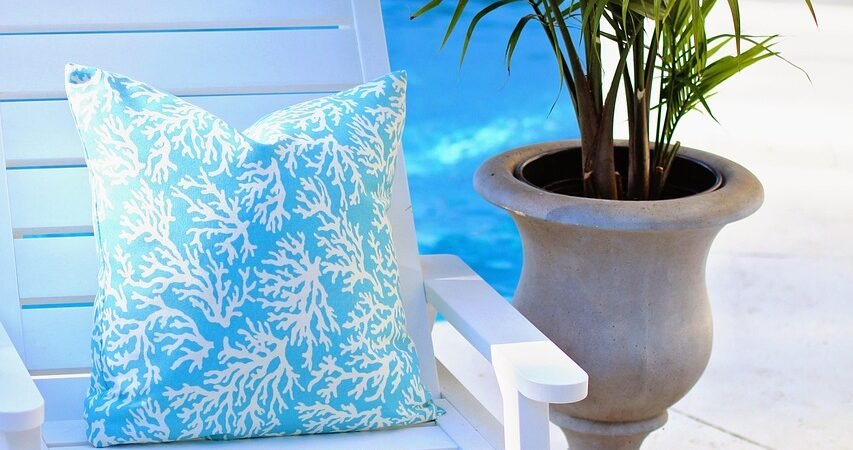
Last weekend I counted 34 pots crammed onto my patio, and realized with a small jolt of panic that overnight lows were about to dip into the 40s. That’s the exact moment most of us start the annual houseplant shuffle: hauling pothos, monstera, and a very large Meyer lemon tree back through a doorway that was clearly not designed for plants this size. It turns out I wasn’t early or late this year, I was right on schedule. According to a September 16, 2026 guide from Raffaele Di Lallo, founder of the plant-care site Ohio Tropics, most tropical foliage plants like pothos, philodendron, and monstera should come indoors once nighttime temperatures approach 50°F, with real damage risk starting below 45°F. (This post contains Amazon affiliate links, and as an Amazon Associate, I may earn a small commission on qualifying purchases, at no cost to you.)
What makes this fall different is that the timing of the move indoors is colliding with a fresh wave of houseplant trends for 2026, the kind that shape not just how we arrange what’s already crowding our windowsills, but what we’re tempted to add to the collection once everything is back under one roof. Between a real temperature chart worth pinning to the fridge and a handful of design shifts actually worth following, here’s what’s driving the indoor plant conversation this September and October.
The Temperature Chart Worth Saving
Di Lallo’s guide draws a distinction that most of us never learned: the difference between “chill injury” and “freeze injury.” Chill injury happens gradually, in the 35°F to 50°F range, and shows up days later as blackened leaf edges or sudden leaf drop, even though nothing looked wrong on the night it happened. Freeze injury is the one everyone already fears, immediate cell rupture at or below 32°F. The practical upshot is that waiting for an actual frost warning before moving plants indoors is already too late for a lot of tropical species.
The thresholds vary more by plant type than most people expect. Succulents and cacti can usually tolerate nights down to 40°F before needing to come in, while a Phalaenopsis orchid wants to be inside well before then: the American Orchid Society notes that Phalaenopsis prefer nighttime temperatures above 60°F, though they can tolerate a brief dip to 50°F without lasting harm. Citrus trees, including the Meyer lemon that’s currently blocking my back door, are more cold-tolerant than their reputation suggests, handling 50–55°F reasonably well, but true damage sets in once temperatures approach freezing. The New York Botanical Garden’s Mertz Library recommends easing plants into a cooler room, around 55°F, rather than moving them straight from a 70°F porch into an 80°F living room, since the temperature swing itself can stress a plant almost as much as the cold did.

If you’ve been eyeballing the forecast and guessing, a dedicated outdoor thermometer takes the guesswork out of exactly when your specific plants hit their threshold, instead of reacting the morning after a surprise cold night. A simple wireless outdoor thermometer mounted near the patio door means you can check overnight lows from the couch instead of walking out in slippers to find out the hard way.
2026’s Houseplant Trends Are Shaping What Comes Back Inside
While the temperature math is about survival, the design side of 2026’s houseplant moment is about what people are actually choosing to keep and display once everything is indoors for the season. Ginny Henry, Creative Director at UK plant retailer Patch Plants, told Livingetc that the defining shift this year is toward what she calls “plant maximalism,” saying, “In 2026, we’ll likely see a move towards ‘plant maximalism,’ not just more plants, but more personality.” She added that trailing varieties are doing a lot of the visual work: “Trailing plants will be a big part of this, softening shelves, bookcases, and walls.”
That layered, personality-driven look is a departure from the single-specimen minimalism that dominated a few years ago, and it happens to be a genuinely practical fit for fall, when plants that spent the summer scattered across a patio all need to find indoor real estate at once. Rather than fighting that crowding, the 2026 trend embraces it: a cluster of trailing pothos on a high shelf, a cascading string of pearls near a window, and a cluster of smaller pots grouped on a plant stand instead of spaced out individually.
Monique Kemperman, a horticultural expert with the Plants and Flowers Foundation Holland, pointed to a deeper motivation behind the trend in the same piece: “A rising generation of urban professionals is demanding stylish, fuss-free plants and flowers.” Her read on where that’s heading is less about aesthetics alone and more about intent: “What we’re seeing is a shift toward intentional greenery, plants chosen to soothe, energise, or reconnect us with nature.” For a lot of apartment dwellers, that means the indoor plant collection is doing double duty this fall, both decor and a small daily ritual.
Orchids Are Having a Real Comeback
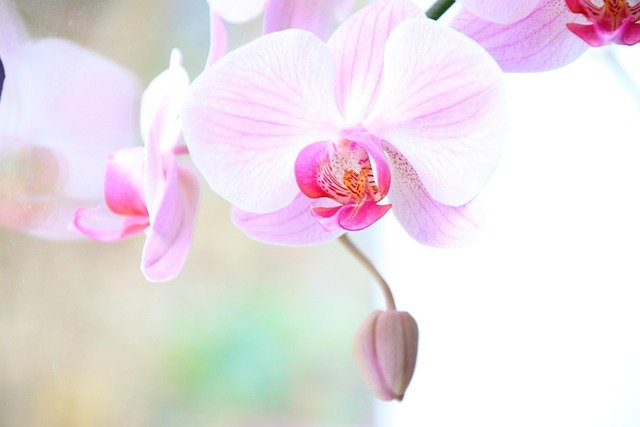
One specific plant getting singled out for 2026 is the orchid, which has spent years being treated as a gift-shop impulse buy rather than a serious houseplant. Rachel Horton, Retail Lead at Patch Plants, told Livingetc that’s changing: “Orchids are definitely having a bit of a comeback.” Part of the appeal, she explained, is accessibility for newer plant owners: “They’re an affordable way for people to experiment with being a plant parent.”
Orchids also happen to be one of the more temperature-sensitive plants on Di Lallo’s fall chart, which makes this an unusually good moment to pay attention if you’ve picked one up recently. Bringing a Phalaenopsis in before nights dip much past 55–60°F, and giving it bright, indirect light once it’s indoors, makes a bigger difference to whether it reblooms than almost anything else you can do for it.
Checking for Pests Before They Move In With You
The least glamorous part of the fall plant migration is also the most important one: checking every pot for hitchhikers before it crosses the threshold. Aphids, spider mites, and mealybugs spend all summer multiplying quietly outdoors, and a single infested pot brought inside can spread to an entire windowsill collection within a couple of weeks, especially once the dry heat of indoor winter air kicks in.
The usual advice, inspect the undersides of leaves, rinse the foliage with a strong spray of water, and let the top inch of soil dry out before the move, catches most problems. But for anything that already looks questionable, a gentle insecticidal soap spray labeled safe for houseplants is worth keeping on hand as a quarantine-week treatment, applied a few days before the plant actually comes inside rather than after pests have already settled in on the carpet.
Replacing Lost Light With Purpose, Not Guesswork
Kemperman’s point about “intentional greenery” shows up again once plants are actually indoors for the winter, specifically around light. Shorter days mean even a bright south-facing window delivers a fraction of the light a plant got outdoors all summer, and the usual symptom, leggy new growth reaching toward the glass, often doesn’t show up until well into November, by which point the plant has already lost a lot of ground.
Rather than waiting to see which plants sulk through winter, a lot of 2026’s “purpose-driven planting” crowd are adding a small full-spectrum grow light to whichever shelf is getting the least natural light, on a basic timer so it runs for a few extra hours each afternoon. It’s a small enough addition that it doesn’t compete with the room’s decor, but it’s often the difference between a fern that limps along until spring and one that actually keeps growing.
The Pots Are Getting Louder, Too
The accessory side of the 2026 trend list leans away from the neutral terracotta that’s dominated plant styling for years. Henry’s “more personality” framing extends to the containers themselves, with bold colors and sculptural shapes showing up as a deliberate counterpoint to the quieter, more muted interiors that have been popular elsewhere in the house. It’s a low-commitment way to participate in the trend: swapping a plastic nursery pot for something with real color doesn’t require buying a single new plant, just a better home for the ones already crowding the porch.
A bold ceramic planter in a saturated color, dropped under a trailing pothos or a newly repotted orchid, does more to update a shelf for fall than most other five-minute changes available right now.
What I’m Actually Doing With My 34 Pots
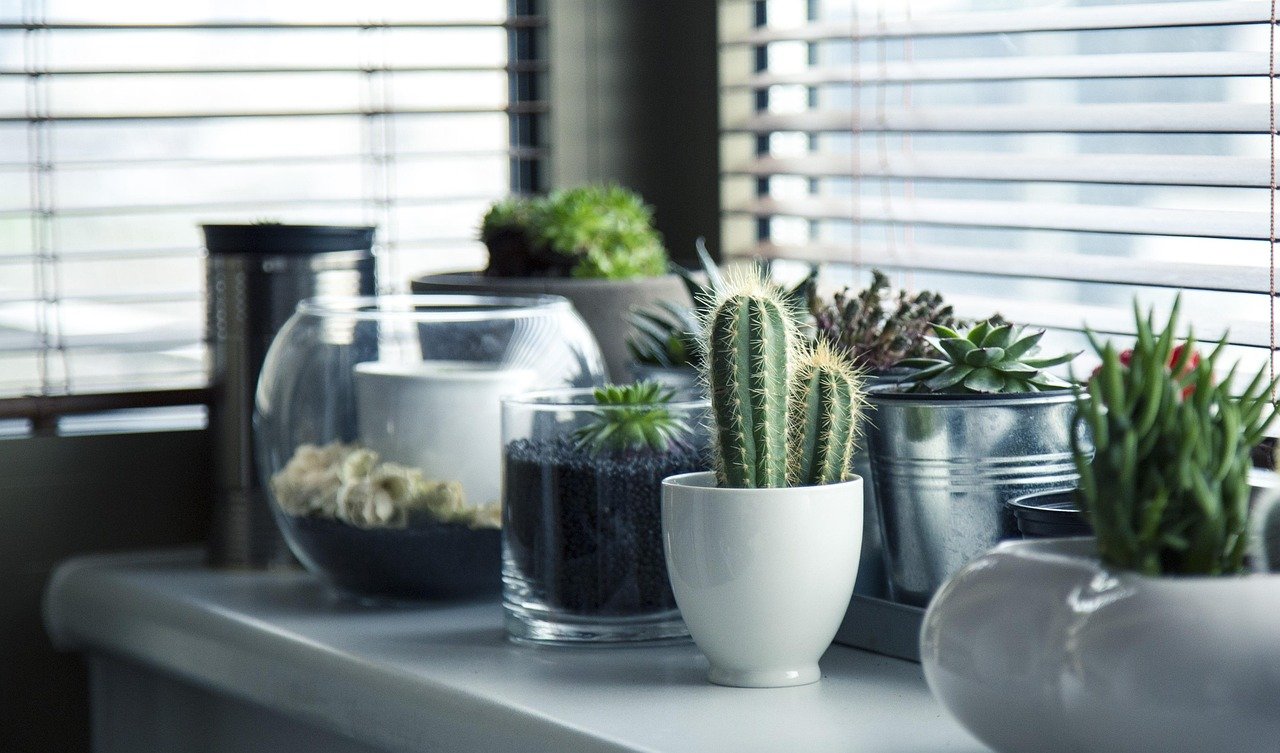
I didn’t bring everything in at once, and neither should you. The citrus and the orchids went first, days before my thermometer even flirted with their thresholds, because they’re the least forgiving of the group. The succulents are still out on the porch as I write this, since 40°F is a few weeks off yet in my zone. Everything else got a water rinse, a soil check, and a spot under the new grow light until I can tell whether this is the winter my fiddle-leaf finally makes it to spring. The plants were never the problem. I was just moving them in on the calendar’s schedule instead of theirs.