
Two summers ago, our “outdoor kitchen” was a rusting cart grill parked six feet from the back door, next to a folding table that lived permanently under a tarp. This year I finally rebuilt it properly, and the difference in how often we actually cook and eat out there has been almost embarrassing — we used to grill maybe once a week; now it’s most nights the weather allows. Some of the products I mention below are ones I bought myself, and as an Amazon Associate, I earn from qualifying purchases if you shop through my links, but I only included things I’d genuinely put in my own backyard.
Why Outdoor Kitchens Are Having a Moment in 2026
Outdoor kitchens aren’t a new idea, but the way people are building them in 2026 is different. Instead of a grill bolted to a stone counter as an afterthought, designers are treating the backyard cooking space the way they’d treat a real kitchen — with proper storage, durable surfaces, shade, and personality. According to Homes & Gardens, the shift is partly about how much time people are now spending at home, and partly about homeowners simply wanting their backyards to work as hard as their interiors do. I felt that shift firsthand — once I stopped thinking of our patio as an accessory to the kitchen and started thinking of it as its own room, everything about how we planned it changed.

1. Build the Grill Under a Pergola, Not Out in the Open
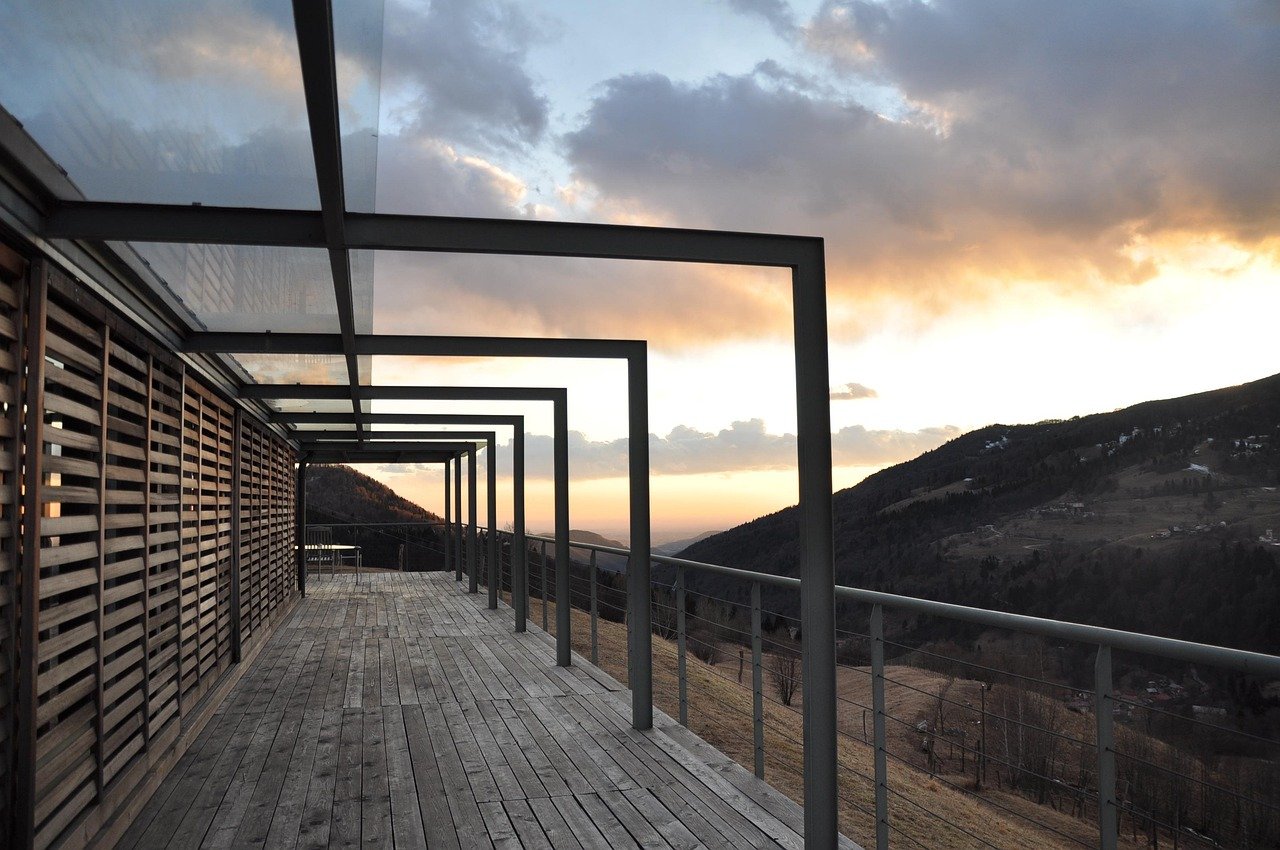
The single biggest change we made was adding a pergola over the cooking zone, and it turns out that’s exactly what designers are seeing everywhere this year. Burcu Ercetin of Design & Curations told Homes & Gardens, “One outdoor kitchen trend I expect to see even more of this summer is the integration of covered outdoor cooking and dining spaces, particularly outdoor kitchens paired with pergolas.” She adds that climbing plants like jasmine soften the structure and bring in fragrance — something I’m now attempting with a trellis of star jasmine along one post, with mixed results so far. A pergola kit made the whole project far less intimidating than building one from scratch.
2. Go Modular So the Layout Can Grow With You
We didn’t have the budget to build the full outdoor kitchen we wanted in one go, so we started with a single modular unit and added to it over two summers — which, as it turns out, is exactly how designers recommend approaching it now. Sabah Mansoor explained to Homes & Gardens that “one trend in this area is the use of modular stations and cabinets. These modular pieces are proving popular because they allow for layout customization to meet needs and the use of upgraded materials.” Adam Arya of Arya Douge, quoted in a separate Homes & Gardens piece, put it even more plainly: “The appeal isn’t simply that the kitchen is modular; it’s that it allows outdoor living to evolve gradually rather than all at once.” Karen Haas of IKEA US added that “the beauty of a modular kitchen is that you don’t have to do everything at once” — which is precisely the reassurance I needed before we committed to any of it. We started with a modular outdoor kitchen island.
3. Let the Tile Do the Talking
I used to think outdoor tile had to be neutral and forgettable so it wouldn’t clash with the landscaping. Lesley Taylor, interior designer and founder of Baked Tiles, disagrees. She told Homes & Gardens, “Within outdoor kitchens, one of the biggest shifts is how much more attention is being paid to the surfaces,” adding that “I do not think there is one particular tile trend everyone needs to follow, because that is the whole point — it should feel personal.” That gave me permission to use a hand-painted blue-and-white tile as a backsplash behind our grill instead of the plain gray stone I’d originally planned, and it’s become the thing every guest comments on. Look for weatherproof outdoor tile rated for freeze-thaw cycles if you’re anywhere that gets real winters.
4. Swap the Stainless Cart for Real Cabinetry
Al Bruce, founder of Olive & Barr, sees the same shift I noticed when I started shopping: “Outdoor kitchens are becoming increasingly sophisticated, with homeowners moving away from temporary, budget-friendly setups and instead investing in kitchens designed to stand the test of time,” he told Homes & Gardens, pointing specifically to Shaker-style cabinet fronts moving outside. We ended up choosing marine-grade polymer cabinetry in a soft sage that echoes the Shaker look without the maintenance headache of painted wood outdoors. If you want the same look, weatherproof outdoor cabinets hold up far better than anything we tried indoors-turned-outdoors the first time around.
5. Choose Materials That Look Better With Age
Grazzie Wilson, head of creative at Ca’ Pietra, made a point that stuck with me: “The outdoor kitchen trend we are backing for summer is the kind that looks as though it has already hosted a long lunch, even if the first pizza has only just gone in the oven,” she told Homes & Gardens, describing a pull toward natural, slightly imperfect materials like limestone and reclaimed timber. Claire Sá, co-founder of De Rosee Sa, echoed this in the modular-kitchen piece, noting that “natural stone and beautifully worn materials make all the difference” in an outdoor setting. We went with a honed granite counter instead of the glossy polished slab we’d originally picked out, and I’m glad — it hides water spots and citrus rings from the (many) margaritas far better.
6. Add Appliances That Do More Than Grill
Jackie Armour, founder of JMA Interior Design, told Homes & Gardens that “one outdoor kitchen trend I expect to be big this summer is the rise of multifunctional outdoor kitchens that go far beyond a traditional grill,” pointing to pizza ovens, built-in smokers, and drawer refrigeration as the pieces homeowners are now budgeting for from the start rather than adding later. We added a small countertop pizza oven and a pair of outdoor-rated fridge drawers, and between the two, we’ve cut our trips back inside during a dinner party down to almost nothing.
7. Treat the Backyard Like an Extension of the House, Not a Separate Space
Fred Horlock, design director at Neptune, framed the bigger trend simply: “The garden is being treated more like an extension to the home, rather than somewhere to have an occasional BBQ,” he told Homes & Gardens, describing more color, pattern, and considered furniture arriving outdoors the way it would inside. That’s the mindset shift that mattered most for us — once we started choosing outdoor cushions, rugs, and lighting with the same care we’d use indoors, the whole space stopped feeling like a work zone bolted onto the yard. A set of outdoor pendant lights over the island did more for the “finished room” feeling than almost anything else we bought.
What I Actually Changed
Out of everything designers are talking about for 2026, the pergola and the modular approach were the two upgrades that changed our daily habits the most — the shade meant we could actually stand at the grill in July without frying, and building in stages meant we never had to choose between doing it right and doing it now. The tile backsplash and the honed granite were the parts I was most nervous about and now love the most, which is probably a lesson in itself. If I could go back, I’d have started with the pergola first instead of last — everything else we added only got used because we finally had a reason to be out there in the first place.