As an Amazon Associate, I earn a commission from qualifying purchases made through the links in this post.
I pulled my linen closet apart for its fall reset last weekend, and it was the first time in years I actually looked at the clear plastic bins stacked on every shelf. Half of them had gone cloudy and brittle at the corners. One had a hairline crack I’d been ignoring since spring. I’d bought them because they were cheap, stackable, and let me see what was inside without opening a lid — but standing there, I realized I hadn’t questioned that setup once in nearly a decade.
Then, this week, a new household chemicals study made headlines, and it pushed me to finally look into what professional organizers have quietly been recommending instead. It turns out there’s a real, growing shift away from the ubiquitous clear tote, and it’s not just an aesthetic preference. Here’s what’s replacing it, room by room, and why the swap is worth considering even if you’re not ready to toss every bin you own.
Why Plastic Bins Are Suddenly Under Scrutiny
On September 29, 2026, CNN Health reported on a sweeping new analysis of the PlastChem database, which found that roughly 93% of the nearly 3,600 plastic-related chemicals studied pose meaningful health risks, including links to cancer, hormone disruption, and heart disease. The categories tested ranged from food-contact plastics to textiles and everyday household items. Dr. Philip Landrigan, one of the researchers behind the broader push for plastics research, put it bluntly: “We simply do not have a clue what harm those chemicals might be causing us and our kids.”
To be clear, the biggest concerns in that research center on food-contact plastics and synthetic textiles, not sealed closet bins sitting on a shelf. But the timing lined up with something organizers and interior designers had already flagged as a 2026 direction: a move toward durable, natural-material storage as basic household infrastructure rather than disposable plastic. Interior stylist Di Ter Avest, discussing 2026 storage trends, noted that natural materials “feel warmer, last longer, and look intentional rather than purely functional” — a pretty direct contrast to a stack of foggy plastic totes.
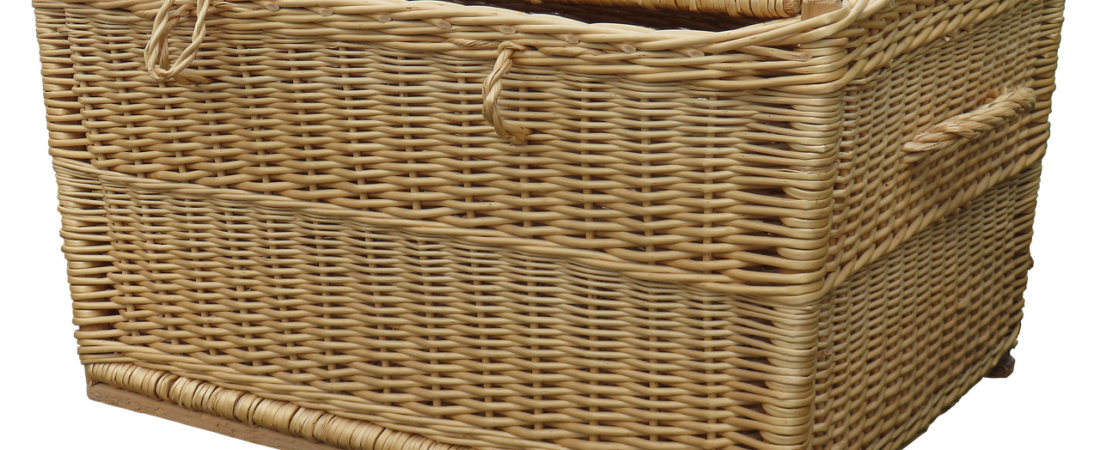
1. Woven Rattan and Seagrass Baskets for Closets and Open Shelving
This is the easiest swap to start with because it solves two problems at once: it replaces a plastic bin and it looks finished enough to leave in plain sight, which means you can pull items off a closet shelf and out of a cabinet and put them on display instead of hiding them behind a door. Woven baskets breathe, so they’re genuinely better than sealed plastic for anything that benefits from airflow, like folded towels, off-season blankets, or shoes. They also don’t warp or discolor the way thin plastic does after a few years of handling.
Browse seagrass storage baskets with handles on Amazon
2. Unbleached Cotton Canvas Bins for Drawers and Kids’ Rooms
Canvas bins solve the soft-storage problem that rattan can’t: things like loose toys, craft supplies, or rolled socks that need a bit of give rather than a rigid frame. They fold flat when empty, which plastic totes never do, so they’re actually easier to store out of season. For kids’ rooms specifically, fabric bins are lighter and quieter than plastic when little hands are digging through them, and they don’t crack or send sharp plastic shards flying if they get stepped on or thrown, which — if you have small children — is a real and recurring scenario.
Shop canvas storage bins on Amazon

3. Glass Canisters for the Pantry
This is the one swap where the material genuinely changes function, not just looks. Borosilicate glass is non-reactive, so it won’t absorb odors or oils from dry goods the way some plastic containers do over time, and it holds up to going straight from pantry to microwave or fridge without leaching anything into food, which matters more than almost any other storage decision in the house given that food-contact plastics were flagged as one of the higher-risk categories in this week’s research. Glass also lets you see exactly how much flour, rice, or pasta is left at a glance, which is the whole point of decanting in the first place.
Find airtight glass pantry canisters on Amazon
4. Wood and Bamboo Drawer Dividers
Wood dividers solve a problem plastic inserts create without meaning to: cheap plastic trays tend to slide, warp slightly in humid bathrooms, and eventually crack at the corners where they’re stressed the most. A solid bamboo or acacia divider set sits flush, doesn’t shift when you open the drawer quickly, and actually looks intentional if a drawer gets left open. They also work across more drawer types — junk drawers, dressers, bathroom vanities, even desk drawers — so one purchase covers several rooms instead of needing a different plastic tray for each.
See bamboo drawer dividers on Amazon
5. Stainless Steel Caddies for the Bathroom and Laundry Room
Humidity is where plastic organizers age the worst, which is exactly why bathrooms and laundry rooms are full of yellowing, brittle bins after a couple of years. Stainless steel doesn’t absorb moisture, doesn’t stain, and wipes clean in seconds, which matters in a room that deals with steam, splashes, and cleaning product residue daily. A steel caddy under the sink or on top of the washer also tends to outlast several generations of the plastic version, so while the upfront cost is higher, it’s a buy-it-once situation rather than a replace-it-every-two-years one.
Look at stainless steel storage caddies on Amazon
What’s Worth Keeping in Plastic
This isn’t an all-or-nothing renovation, and treating it that way is how people end up abandoning the whole project. Sealed, labeled plastic totes still make sense for things like holiday decorations in the attic, long-term document storage, or anything that needs to be fully weatherproof in a garage or basement — situations where you genuinely need an airtight seal against moisture and pests more than you need the material to breathe. The research driving this shift is focused overwhelmingly on food-contact plastics and synthetic textiles, not sealed storage totes sitting in an attic, so there’s no need to panic-replace bins that are doing a job plastic is actually good at.
The more useful way to think about it: reserve plastic for sealed, out-of-sight, weatherproofing jobs, and let natural materials take over anything you see or touch daily — closets, pantries, drawers, and bathroom cabinets.
Starting Small
I didn’t replace every bin in my linen closet this week, and you don’t need to either. I started with the pantry, because that’s where the glass swap actually changes something beyond looks, and picked up two rattan baskets for the shelf my guests actually see when they open the closet door. The plastic totes holding off-season blankets in the attic aren’t going anywhere — they’re sealed, out of sight, and doing exactly the job they should. That’s really what this trend comes down to: matching the material to the job instead of defaulting to plastic for everything, one shelf at a time.