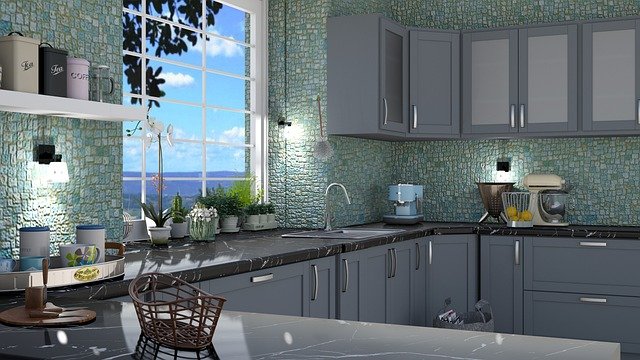
I spent last weekend staring at my kitchen backsplash, the same builder-grade white subway tile that’s been in this house since we bought it. It’s fine. It’s also exactly like every other backsplash I’ve seen in the last decade, and lately I can’t stop noticing how flat and forgettable it feels next to the kitchens popping up on my Pinterest feed. Those kitchens have warmth. Texture. A little swagger. When I finally traced the thread, it led back to a trend I wasn’t expecting to miss: tile that actually looks like it belongs to an era, not a showroom.
As an Amazon Associate, I earn from qualifying purchases, and a few of the picks below link out to Amazon so you can see exactly what I mean by “retro tile” without needing a contractor’s catalog in front of you.
Floor & Decor’s 2026 design forecast put a name to what I was seeing: “Retro Rhapsody,” a 70s-inspired tile revival built on deep ambers, soft burgundies, and smoky neutrals. Ashley Biscan, design and trend expert at Floor & Decor, told press that “we’re craving the comfort of nostalgia. Vintage-inspired tile is surging, especially styles that nod to the 70s with warm tones, textures, and patterns.” It’s not a costume-party version of the decade, either. Biscan was clear that “what makes this revival feel current is the balance against clean lines and modern installation, so it feels intentional and pays homage, as opposed to feeling dated.” That distinction is the whole trend in one sentence, and it’s why this one feels worth paying attention to instead of waiting out.
What the 70s Tile Revival Actually Looks Like
Why this matters: Most people hear “70s decor” and picture orange linoleum and avocado appliances, which is exactly the wrong mental image and why so many homeowners dismiss this trend before trying it. The 2026 version is closer to what a design-savvy friend would actually put in their own kitchen: saturated but grounded colors, tactile glazed surfaces, and geometric shapes used with restraint rather than everywhere at once. Understanding that distinction matters because it changes how you shop. You’re not looking for kitsch. You’re looking for tile with depth of color and a slightly irregular, handmade glaze, paired with straightforward grid or brick layouts that keep the overall look calm.
If you want to get a feel for the palette before committing to anything, ordering a few loose tile samples is the cheapest way to test colors against your actual cabinets and lighting. Amber glazed ceramic tile samples and burgundy zellige-style tile are both easy to find and give you a true sense of how the glaze catches light at different times of day, which photos never quite capture.
Scalloped and Fish-Scale Shapes Are Replacing Plain Rectangles
Why this matters: Shape does more visual work than color in a small space, and scalloped or fish-scale tile is the single easiest way to make a backsplash or accent wall read as “designed” rather than “installed.” These curved-edge shapes catch shadow along every row, which creates natural texture even in a single-color application. That’s important if you’re nervous about color commitment: a fish-scale tile in a muted neutral still looks intentional and current, while a plain rectangle in the exact same shade can read as an afterthought. It’s a low-risk way to borrow the trend’s energy without going full amber kitchen.
Fish-scale and scalloped tile shows up in both full ceramic form and in peel-and-stick versions that are renter-friendly and genuinely convincing from a few feet away. Fish-scale mosaic tile works well as a focal strip behind a range or sink, while scalloped peel-and-stick tile is worth a look if a full renovation isn’t in the budget this year.
Amber, Burgundy, and Smoky Neutrals Are Replacing All-White
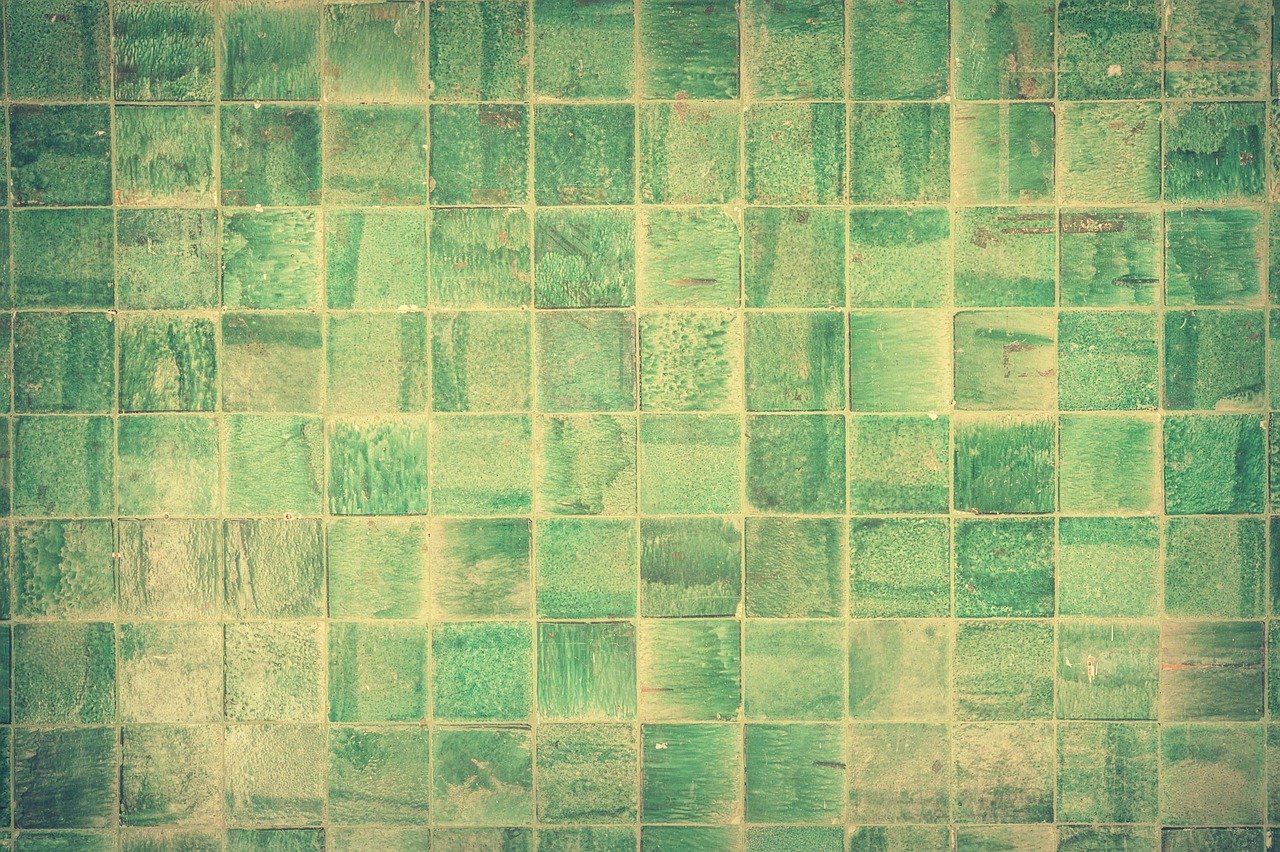
Why this matters: The all-white kitchen has dominated for so long that a lot of homeowners forgot color could function as a neutral. Warm, saturated tile tones do something white can’t: they hide daily wear, read as cozy rather than clinical under evening light, and make wood cabinetry or brass hardware look intentional instead of mismatched. Designers searching for tile contractors has reportedly spiked as homeowners chase exactly this shift, which tells you it’s not a fringe preference. If your kitchen has warm-toned wood floors or cabinets, an amber or burgundy backsplash won’t fight them the way a stark white one often does.
You don’t need to retile an entire kitchen to test the palette. A single accent wall, a tiled range hood surround, or even swapped cabinet hardware in a warm tone can shift the whole room’s temperature. Amber glass pendant lighting and burgundy ceramic accessories let you live with the color scheme before any tile goes on a wall.
Small-Format Mosaics and Watercolor Glazes Are Taking Over Bathrooms
Why this matters: Bathrooms spent the last several years defaulting to plain white subway or large-format porcelain, which is practical but forgettable. The retro bathroom trend flips that by using small 1×1 and 2×2 inch mosaics in glazes with natural variation, so no two tiles look exactly alike and the wall reads almost like watercolor. Designer Liz Hoekzema has described using a solid color base with an all-white floor specifically to create a visual break that lets a bolder patterned wall become the room’s focal point, rather than competing with it. That layering principle — one calm surface, one expressive one — is worth borrowing even if you don’t copy the exact colors.
Small-format mosaic sheets are widely available and install in far less time than you’d expect for the visual payoff. Small-format mosaic tile sheets are a good starting point for a shower niche or accent panel if you’re easing into the look rather than retiling an entire shower.

How to Try the Trend Without a Full Renovation
Why this matters: Not everyone is ready to rip out a functioning kitchen or bathroom for a trend, however well-researched, and that’s a reasonable instinct. The good news is that 70s-inspired tile reads strongly even in small doses, because the shapes and glazes do most of the visual work. A single tiled shelf backsplash behind a stove, a tiled bar cart nook, or even a framed panel of leftover tile as wall art can carry the aesthetic into a room without committing to a full project or a contractor’s schedule.
Peel-and-stick tile has genuinely improved in recent years and is a legitimate low-commitment entry point, especially for renters. Peel-and-stick terracotta-look tile and a grout refresh pen can update an existing plain backsplash’s tone without removing a single tile, which is the cheapest version of this trend you’ll find.
Where to Use It Beyond the Backsplash
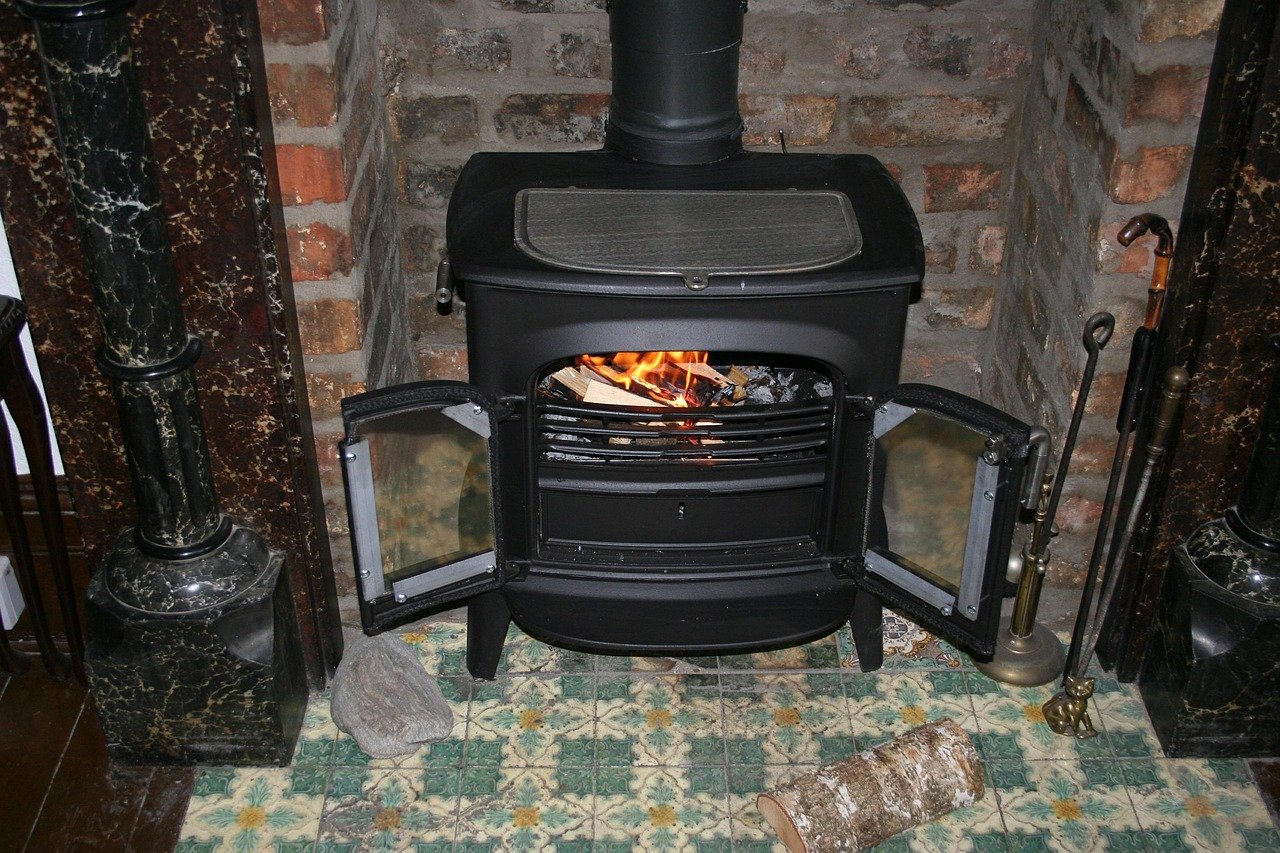
Why this matters: Limiting this trend to kitchen backsplashes undersells it. Floor & Decor’s forecast specifically calls out tiled walls showing up in dining and living rooms as statement pieces, which is a meaningful shift from tile being purely a wet-area material. A tiled fireplace surround, a tiled bar wall, or a tiled entryway niche all borrow the same warmth and texture without needing plumbing or a kitchen-scale budget. It’s also a smart way to add color to a rental or a room you’re not ready to paint, since tile can be removed or covered far more easily than people assume.
If you’re experimenting outside the kitchen, start with a contained area rather than a full wall. Fireplace surround tile kits and amber glassware for open shelving both let the trend show up in a living or dining room without a renovation-sized commitment.
My Takeaway
I’m not retiling my whole kitchen this year. What I am doing is ordering a handful of amber and burgundy samples to hold up against my cabinets, and I’m seriously considering a small fish-scale panel behind the stove instead of extending the same subway tile I’ve been staring at for years. That’s really the appeal of this particular trend: it doesn’t ask for an all-or-nothing renovation. A few well-chosen tiles, tested in your own light, against your own cabinets, can tell you within a weekend whether this is a direction your house wants to go — and unlike a lot of decor trends, this one seems built to actually outlast the year it arrived in.