My neighbor spent most of August tearing out an outdoor kitchen she’d finished building just two summers earlier — a built-in grill station with a mini-fridge, two side burners, and a pizza oven she admits she used twice all season before the sun started peeling the finish off the cabinets. She’s not an outlier. After a few years of backyards competing to pack in every feature at once, landscape designers say 2026 is the year that impulse finally breaks. Homes & Gardens asked a group of landscapers and designers which backyard trends they’re actively talking clients out of right now, and the answers read less like a style preference and more like a course correction: smaller fire features instead of built-in stations, naturalistic planting instead of chemical-fed lawns, intentional lighting instead of string lights draped over everything, and furniture that looks collected over time instead of ordered as a matching set. I’ve been slowly working through my own backyard with that list in hand, and a few of the swaps below — as an Amazon Associate, I earn from qualifying purchases on the ones I link to — turned out to cost a fraction of what my neighbor spent finishing, and then un-finishing, that kitchen.
The Over-Built Fire Pit Is Shrinking Down
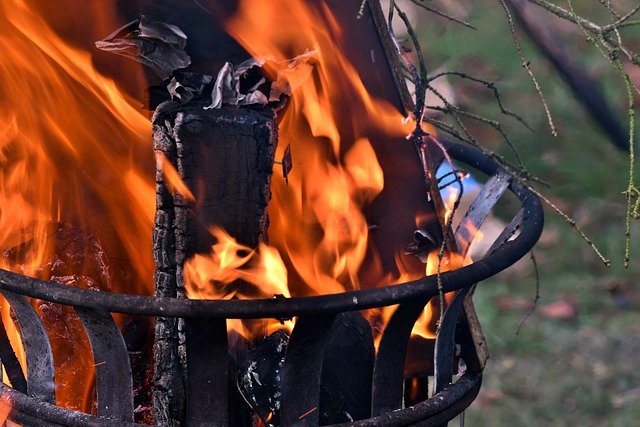
Elaborate, fully plumbed fire pit installations — the kind with a built-in gas line, a surrounding stone ledge, and enough seating for a dozen people — are the first thing designers say they’re steering clients away from. “We are seeing some movement away from over-built fire pits. They tend to dominate the outdoor space and rarely get used,” says Dawn De Feo, a landscaping expert at Landscape Barn. Landscape designer Oliver Burgess describes the same shift from the design side: “I’ve seen a big move away from gardens that try to cram everything in… many clients prefer a smaller fire bowl or chiminea, leaving more room for planting and seating.” The logic tracks with what actually happens in most backyards — a fire feature gets used a handful of nights a year, and the rest of the time it just eats square footage that could be a flower bed or a second seating area.
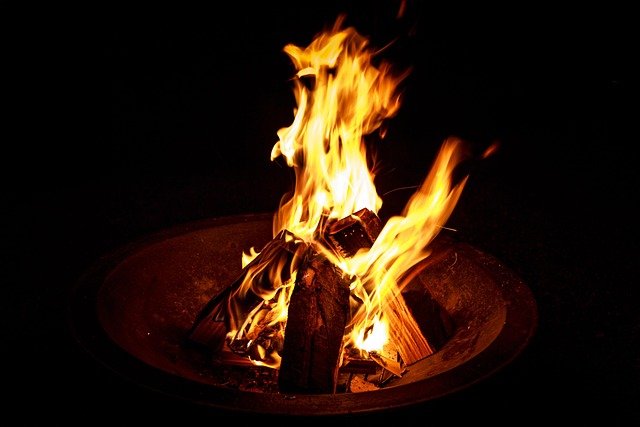
If a full fire pit rebuild isn’t in the budget or the plan anymore, a cast-iron or steel portable fire bowl gives you the same evening ritual without a single yard of concrete poured. It also means the feature can move if your landscaping plans change, which a built-in pit never allows.
Flawless, Chemical-Fed Lawns Are Losing Ground
The perfectly striped, weed-free lawn that used to be the default goal of a backyard is also on the way out, according to certified professional horticulturist Sue Goetz. “Over-manicured, chemical-laden lawns are high maintenance and damaging to the environment,” she says, pointing to a broader shift toward naturalistic planting design built around native species. In practice that looks like partial lawn removal, with ornamental grasses and perennial mixes filling in the sections of turf that mostly existed for appearances rather than actual use. It’s not about letting the whole yard go wild — it’s about being honest with yourself about which parts of the lawn you walk on and which parts were only ever there to look tidy from the street.
For the sections you do keep as lawn, a push toward lower-input turf also means fewer chemical treatments and more reliance on a healthy root system. A simple soil test kit is a cheap way to figure out whether your lawn actually needs the fertilizer program you’ve been running on autopilot, or whether the grass itself just needs to be swapped for something more suited to your yard’s actual sun and soil.
String Lights Are the First Thing Coming Down
Few backyard trends had a longer run than string lights, and designers say that run is ending. “String lights were once charming, but the trend has become very visually noisy,” says Lydia Beaumont, a garden expert at Gardeners Yards. Landscape designer Dave Marciniak is more blunt about the functional side of the problem: “String lights look sloppy in installations and rarely illuminate effectively. Path lights and flush pavement lights work better.” The replacement isn’t less lighting, it’s more deliberate lighting — subtle uplighting on a tree, low path lights marking the route to the seating area, and warm LEDs used to define one or two specific zones instead of draping the entire yard in the same string from corner to corner.
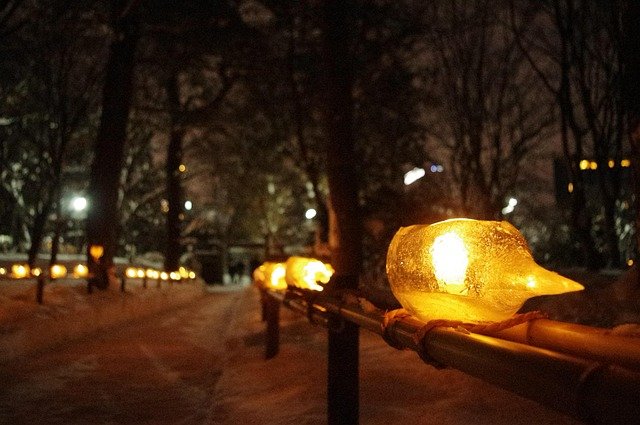
Swapping overhead string lights for a set of low solar path lights is one of the cheapest changes on this whole list, and it solves a real problem the string lights never did — actually lighting the ground you’re walking on after dark.
Matching Furniture Sets Are Giving Way to Mixed Textures
The ornate, everything-matches patio set is another casualty of this shift. “We love the idea of mixing wicker with aluminum because it adds texture to what would normally be flat,” says Michelle Weisman, a design expert at Chair King, describing a move toward pairing different materials in the same seating area instead of buying one coordinated collection. Mike Fretto, creative director at Neighbor Outdoor Furniture, frames it as a move away from mass production entirely: “Fewer mass-produced LEGO blocks, and more ‘custom’ modular furniture that looks thoughtful and bespoke.” The appeal is the same reason a mismatched bookshelf looks more interesting than a matching one — furniture that was clearly chosen piece by piece reads as more considered than furniture that arrived in one box.
You don’t need to replace a whole patio set to get this look. Adding one or two modular outdoor seating pieces in a different material than your existing set — a metal accent chair next to a wicker sofa, for example — gets you most of the effect for a fraction of a full furniture replacement.
Hardscape-Only Yards Are Adding Sculptural Greenery Back In
The last shift is almost the opposite problem — yards that went so hard on pavers, gravel, and poured concrete that there’s barely a living plant left in them. “Hardscape-focused, starkly minimalist landscapes dominate, but without greenery they’re uninviting,” says garden designer Michele Chambliss of Perennial Garden Consultants. Her fix isn’t a return to dense, traditional planting beds, though — it’s adding multi-trunk trees and sculptural plants, like cacti and larger succulents, that complement a modern hardscape instead of fighting it. It’s a middle ground between an all-concrete courtyard and a cottage garden, using a handful of architectural plants to soften hard surfaces without requiring the upkeep of a full perennial border.
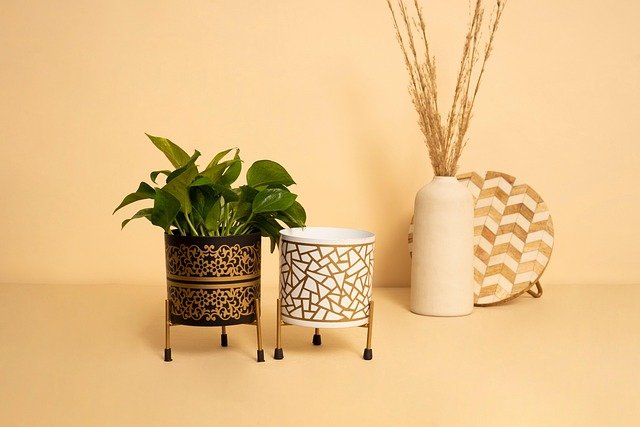
A tall, weather-resistant large outdoor planter is the easiest way to test this look before committing to anything in the ground — drop a single sculptural plant into a corner of a paved patio and see whether it changes how the whole space feels.
The Through-Line Is Restraint, Not a New Style
None of these five shifts are really about changing your backyard’s aesthetic — they’re about not building more than you’ll actually use. My neighbor’s outdoor kitchen wasn’t ugly, it was just oversized for how often she cooks outside. The same logic runs through every trend on this list: a smaller fire bowl instead of a built-in pit, a patch of native planting instead of the whole lawn, two or three well-placed path lights instead of a hundred feet of string, one mixed-material chair instead of a whole new set. If you’re only going to change one thing this fall, start with whichever feature in your own yard gets used the least — that’s almost always the one worth downsizing first.