Two years ago I ripped every label off my pantry jars because I was so sick of maintaining a “matching container” system that looked perfect for exactly nine days before someone grabbed the wrong lid. I went back to plain boxes, felt vaguely embarrassed about it, and figured that was just the compromise you make when you have an actual life. So when I sat down last week to plan a linen closet refresh and stumbled on Homes & Gardens’ brand-new storage trend report, I nearly closed the tab out of habit — until I read the phrase “organization that feels as good as it functions” and realized the whole conversation around storage has quietly shifted under our feet. This post contains a few product links, and as an Amazon Associate, I earn from qualifying purchases.
The Trend Report That Started This
On September 25, 2026, Homes & Gardens published “7 Storage Trends for 2027 That Bring Style and Smart Organization to Every Room,” and it’s already the piece every organizing account I follow is quoting. The trend getting the most attention is what designer Genna Jacobs Freeman calls “dopamine storage” — she describes it simply as “organization that feels as good as it functions.” That’s a real reversal from the last few organizing cycles, which were mostly about hiding everything behind a uniform front so a space would photograph as calm and neutral.
Doors Off, Personality On
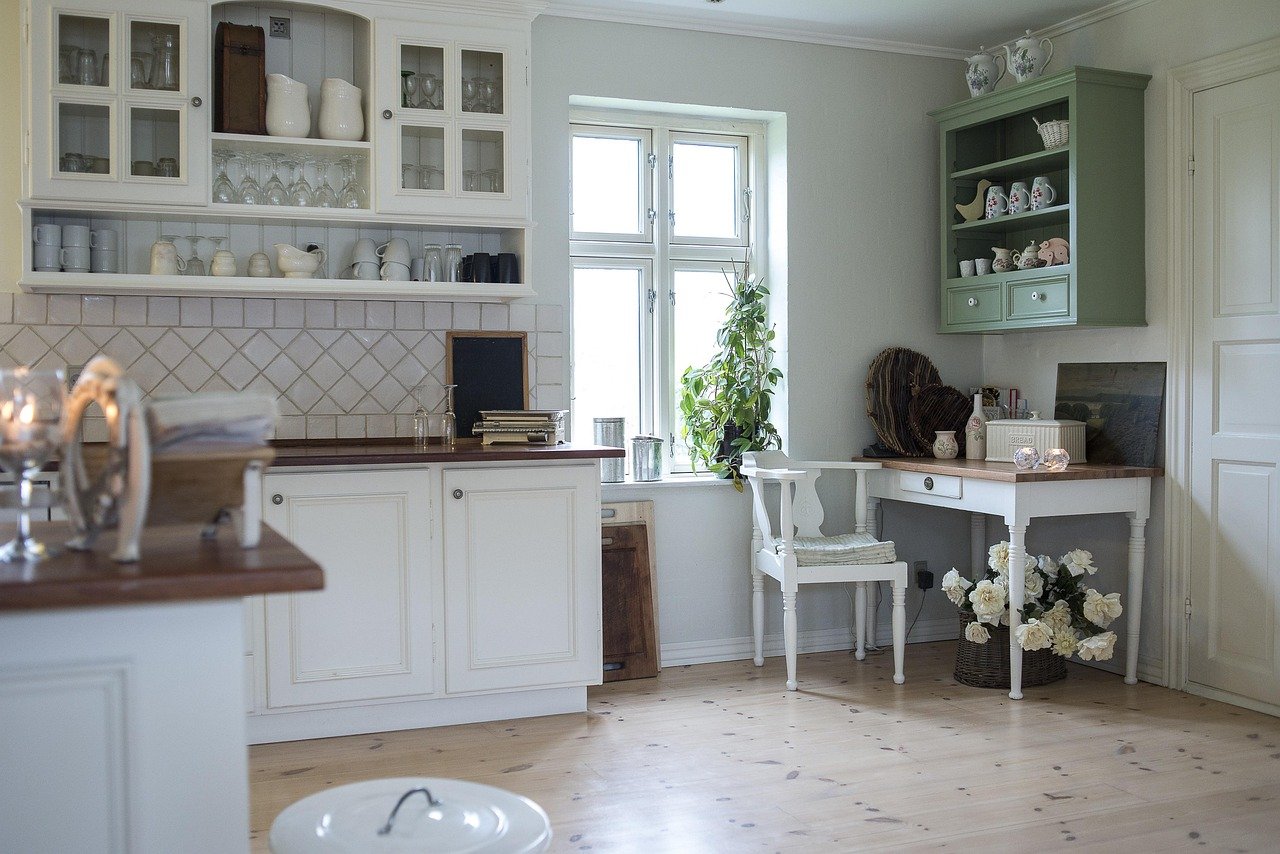
The report also flags a specific, concrete shift happening in pantries and closets right now: cabinet doors are coming off entirely. Designer Diane Luna told Homes & Gardens that “the ‘doors-off’ decorative pantry has been a hot trend this year,” and it lines up with something I noticed on my own street this summer — three separate neighbors pulled the doors off their pantry cabinets over one long weekend, like it was contagious. Instead of concealment, the goal is a curated, almost boutique-style display where the storage itself becomes part of the room’s decor rather than something to apologize for.
Letting Collections Do the Organizing
What struck me most in the report is designer Courtney Klinger’s take on what she calls sculptural storage: “allowing collected items to be tastefully shown while hiding the mess.” That’s a genuinely different instruction than “declutter until nothing is visible.” It’s permission to keep the stack of cookbooks, the ceramic bowls, the stack of woven trays — as long as they’re arranged with intention instead of just accumulated. For anyone who has ever felt guilty that their open shelf doesn’t look like a catalog spread, this is a real mental shift, not just a styling trick.
Baskets Are Back, But They’re Doing More Work
The report’s sixth trend is refreshingly low-tech: baskets, and a lot of them. Designer Courtney B. Smith explained that “baskets offer an organic layer that adds depth and warmth” that plastic bins simply can’t replicate. I tested this in my own entryway with a couple of woven bins for shoes and mail, and it’s a small change that made the whole corner look intentional instead of like overflow storage. If you want to try it, a set of natural-fiber storage baskets is an easy, inexpensive place to start:
Shop woven storage baskets on Amazon
Why This Feels Different From the Bin-Buying Era
This isn’t the first time organizing culture has tried to move away from sterile matching systems, but the timing here matters. A separate Livingetc trend forecast published earlier this year already noted the industry moving toward “less aggressive” decluttering, and this new Homes & Gardens report reads like the next chapter of that same story: instead of forcing every object into a bin so it disappears, the emerging approach is to display what you actually use and love, and only tuck away what genuinely needs to be hidden. It’s less about buying a system and more about editing what you already have until the visible parts feel good to look at.
Starting Small With Dopamine Storage
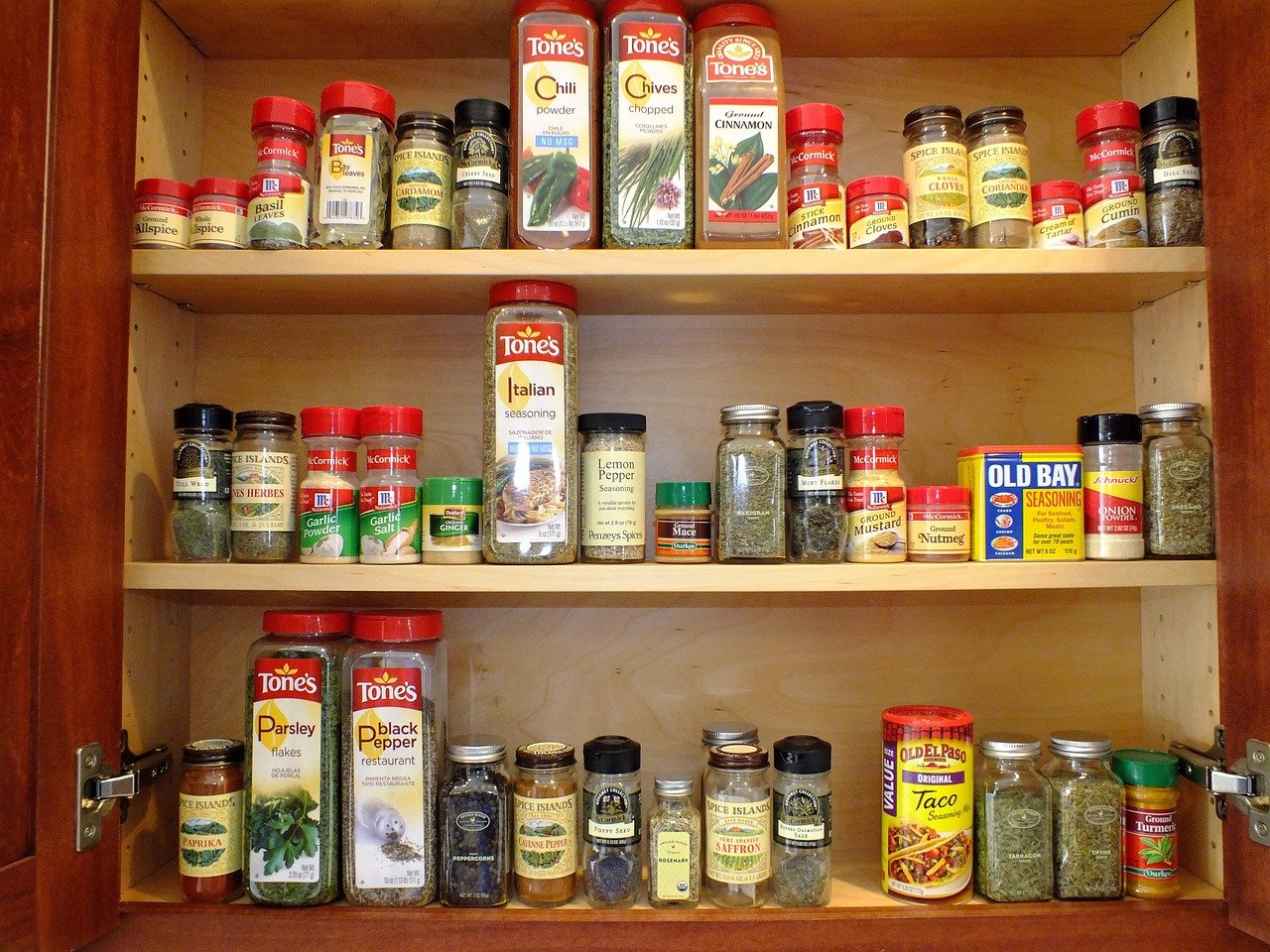
None of this requires ripping out cabinetry. The easiest entry point is picking one shelf, one drawer, or one small stretch of counter and asking a different question than usual: not “how do I hide this,” but “does this arrangement make me happy to look at.” A few open glass canisters for pantry staples you actually reach for daily, a tray that corrals what used to be loose clutter, or a single basket that adds texture instead of another beige lid, can be enough to feel the shift without an overhaul. If you want a canister set that works for both function and display, look for ones with wide mouths and simple lids so refilling stays easy:
If you rent, or you’re just not ready to commit to removing cabinet doors, you can borrow the same logic in smaller doses. Swap one shelf of stacked plastic bins for a single tray with three or four objects you actually like looking at. Group items by color or material for a weekend instead of buying an entire matching system. Pick one “hero” object — a ceramic pitcher, a stack of cloth napkins, a row of cookbooks — and give it the best-lit spot on the shelf instead of tucking it in a drawer. Small, reversible changes like these are exactly how most of the professional organizers behind this report say their clients are starting, long before they commit to a full pantry renovation.
Shop glass pantry canisters on Amazon
I still haven’t relabeled those pantry jars, and honestly, I don’t think I’m going to. What I did instead, after reading through this report, was pull my grandmother’s old ceramic mixing bowls out of a cabinet and stack them on the open shelf where my “organized” matching containers used to sit. It’s not tidier in the strict, Instagram-grid sense. But it’s the first time in years that opening that cabinet has made me smile instead of feel like I’m behind on a chore, and apparently that’s exactly the point.