Two Septembers ago I spent a Saturday transferring my entire pantry into matching glass canisters I’d watched a TikTok organizer decant on repeat. It looked incredible for exactly one grocery haul. Then I ran out of oat flour mid-recipe with no box to check the “best by” date, spent twenty minutes hunting for the right-size lid after washing containers, and realized I’d bought eleven jars I didn’t actually need. This year, when I went looking for a refresh, I found out I wasn’t the only one having second thoughts. Professional organizers are now saying out loud what a lot of us have been quietly feeling: some of the prettiest organizing trends of the last few years are the hardest to actually live with. A few of the tips below link to specific products on Amazon, and as an Amazon Associate, Every Corner earns from qualifying purchases made through those links below, at no extra cost to you, which helps us keep testing this stuff so you don’t have to guess.
Why Organizing Got a Reality Check in 2026
For the last several years, home organizing content has rewarded one thing above all else: how a space photographs. Matching canisters, labeled everything, and color-blocked closets became shorthand for “put together,” and TikTok and Instagram made that aesthetic feel achievable in a weekend. But 2026 is shaping up to be the year the pendulum swings back toward function. Livingetc spoke with working professional organizers about the TikTok trends that make them wince, and the throughline in their answers wasn’t about taste. It was about whether a system survives contact with an actual, busy household. A setup that only works when you have twenty extra minutes a week to maintain it isn’t really organized; it’s just staged.
The Storage-First Trap Still Trips People Up
The single biggest mistake organizers say they see is buying containers before deciding what’s actually staying in a space. Amy Bergman, founder of Amyzing Spaces and a professional organizer with two decades of related nonprofit experience, told Livingetc that “buying beautiful bins and boxes before paring down belongings often leads to simply hiding clutter rather than reducing it.” Instead, she said, “I often suggest not buying any containers until after we have decluttered the area, decided what items are staying.”
Why this matters: it’s tempting to treat a shopping trip as the first step of getting organized, because it feels productive and it’s the fun part. But a bin bought before you’ve sorted through what you own almost always ends up either too small, too big, or filled with things you would have tossed if you’d looked at them honestly first. Skipping straight to containers also means you’re guessing at your own habits instead of designing around them. If you do need bins once you’ve actually sorted a space, look for ones flexible enough to be repurposed elsewhere in the house rather than single-use novelty shapes, like these stackable storage bins with lids.
Why So Many Pantries Are Getting “Un-Decanted”
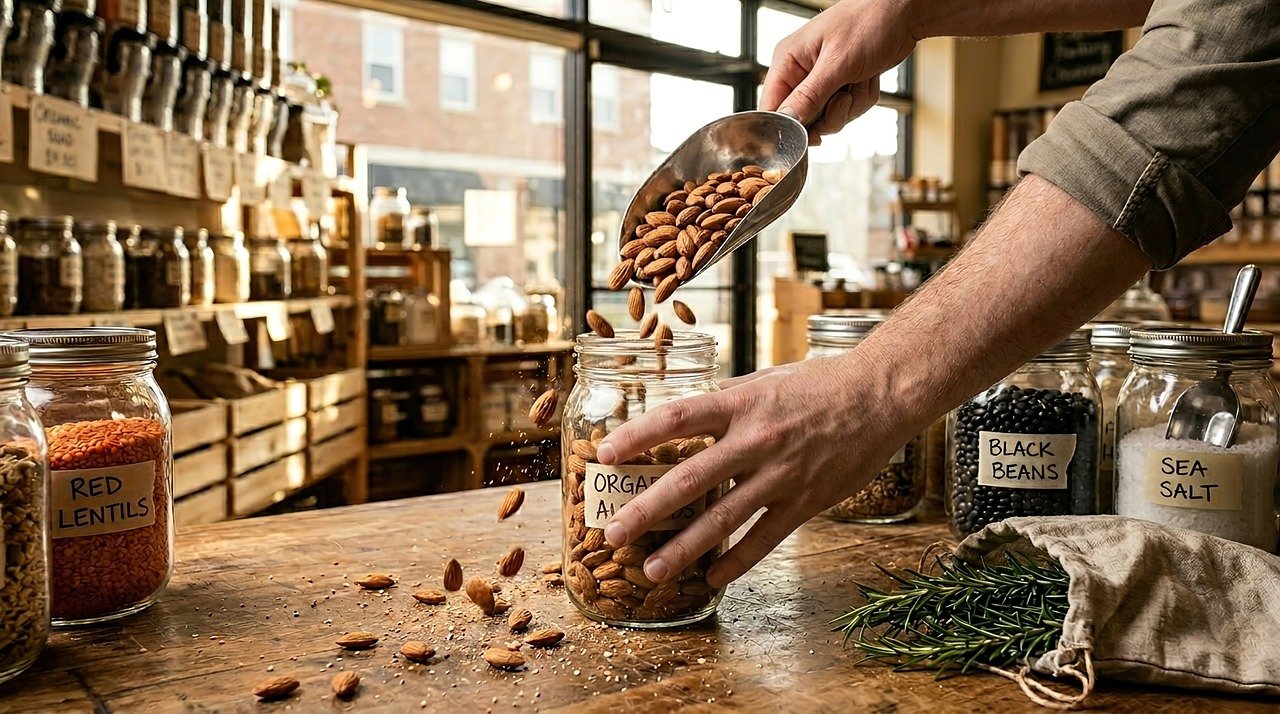
Pantry decanting, transferring cereal, flour, pasta, and snacks out of their original packaging into uniform containers, has been one of the defining organizing looks of the last few years. It’s not going away entirely, but the conversation around it has gotten a lot more honest. Lucy Milligan Wahl, founder of the San Francisco organizing company LMW Edits, still defends the visual case for it: “We eat with our eyes, and if you find your pantry visually appealing, you’ll be more likely to cook from it,” she said, adding that decanting “also keeps ingredients visible, which is helpful in any organizing system.” Martha-Carol Stewart, founder and CEO of Chaos Organizing and co-author of Southern Chaos: Organizing the Southern Home, points to a practical upside too: airtight decanters “can minimize this risk while also preventing other insects such as weevils, ants or moths.”
But the pushback is just as real. Maria Patisso, founder of Organise My Life, put it plainly: “the best pantry is not necessarily the prettiest one. It is the one that saves time.” Belle Harte, founder of The Organised Abode Co, added that “not everyone has the time and budget to decant everything, and that’s totally fine too.” Between them, a clear consensus emerges: decanting works when you cook from a routine and can keep up with relabeling, washing jars, and tracking expiration dates by hand, but it becomes another chore when your schedule doesn’t allow for that upkeep.
Why this matters: the cost of a fully decanted pantry isn’t just the containers, it’s the ongoing labor of maintaining a system that has no built-in expiration tracking or nutrition label. If that’s not realistic for your week, a hybrid approach, decanting only your highest-use staples like flour, sugar, rice, and pasta while leaving boxed and canned goods in their original packaging, gets most of the visual and functional benefit without the full-time upkeep. If you go that route, look for containers with wide mouths that are actually easy to fill and clean, such as airtight stackable pantry containers.
The Tiny Bin Epidemic Professional Organizers Can’t Stand
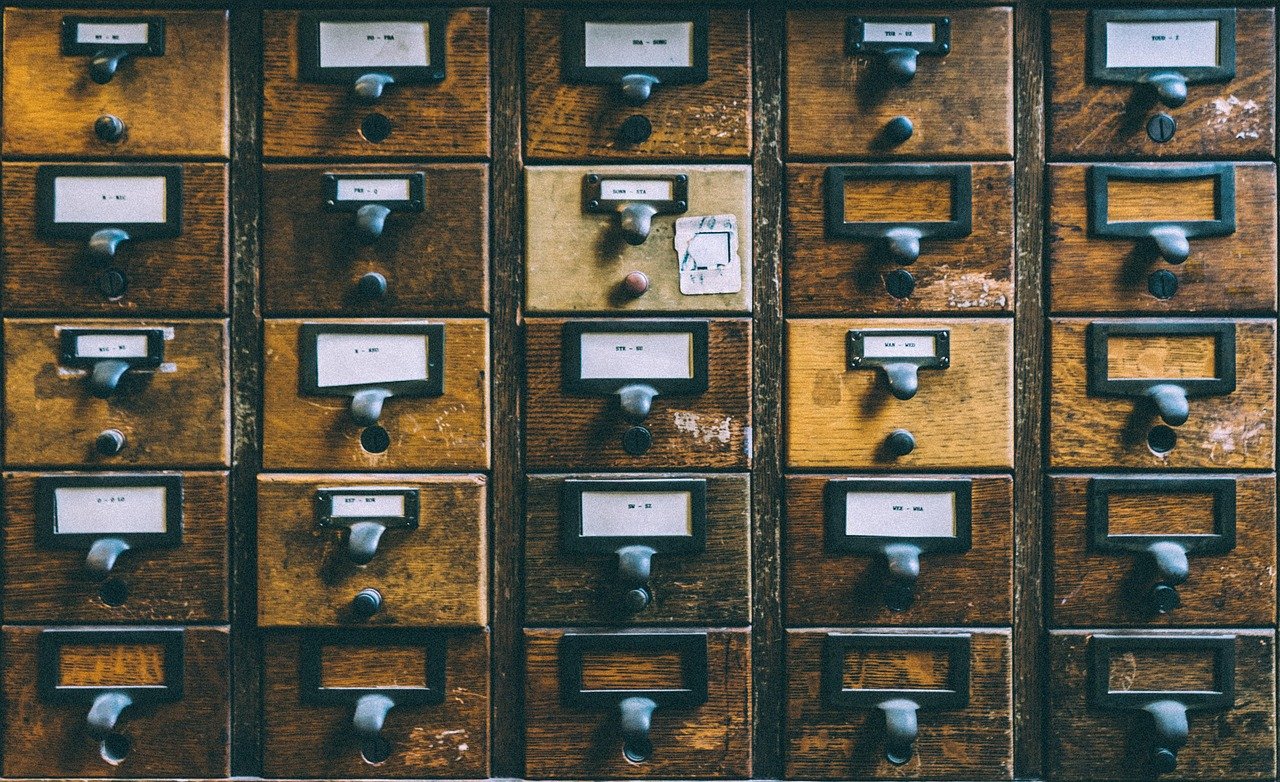
The second trend organizers keep flagging is the drawer full of tiny, individual bins, one for each category of item, no matter how small. Robin Westerling, a storage specialist and founder of the luxury packaging company Longvadon, told Livingetc, “I don’t love the trend of using tiny bins for every single drawer. It just always seems to create more clutter.” Her recommendation is to swap the miniature containers for a smaller number of larger dividers that group similar items together instead of isolating every single one.
Why this matters: a drawer with eight tiny bins looks meticulous in a photo, but in daily use, it means eight separate compartments to remember, eight separate things to put back in the exact right spot, and eight opportunities for the whole system to fall apart the first time you’re in a hurry. Fewer, larger divisions are more forgiving because there’s more room for error before the drawer looks messy again. For most junk drawers, desk drawers, and bathroom vanities, a set of adjustable drawer dividers does the same organizing job as a dozen tiny bins with a fraction of the daily maintenance.
Extreme Color-Coding Is Losing Its Shine
The last trend Westerling called out is sorting everything, books, clothes, pantry items, by color rather than by category or frequency of use. “This trending organization trend is pretty much impossible to maintain,” she said. “Not to mention, it’s going to take a lot longer.” Her alternative is to organize by how often something gets used, keeping daily items at eye level and within easy reach, rather than by how the shelf looks from across the room.
Why this matters: color-coding requires everyone in the household to re-sort every item back into its color slot every single time, which is a lot to ask of a family, roommates, or even just a tired version of yourself on a weeknight. Organizing by frequency of use instead means the system degrades gracefully. Even if things get a little jumbled, the stuff you reach for constantly stays accessible, which is ultimately the point of organizing a space in the first place.
What Function-First Organizing Actually Looks Like
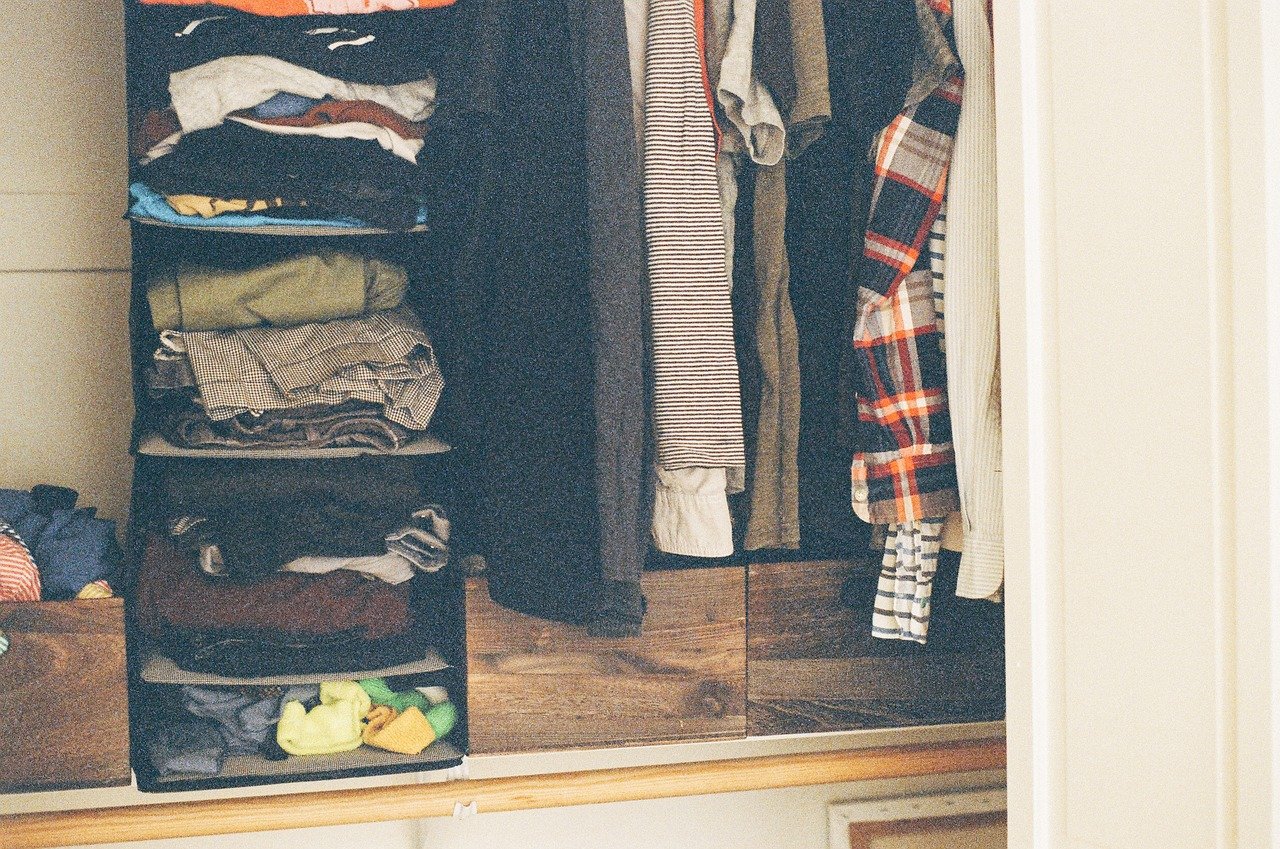
Putting these expert opinions together, the shift isn’t a rejection of organizing itself, it’s a rejection of organizing for an audience instead of for your own life. That means decluttering before buying anything, choosing fewer and larger storage solutions over a system with dozens of tiny parts, sorting by how often you use something rather than by color, and being honest about how much maintenance you’ll actually keep up with six months from now, not just this week. It also means giving yourself permission to leave some things in their original packaging if decanting them would just create a new chore. None of that requires a full weekend overhaul or an expensive haul; it mostly requires slowing down before you buy anything and asking whether a system fits your actual routine.
In practice, this looks less dramatic than a TikTok reveal and more like a series of small, boring decisions. Before you buy anything for a pantry, closet, or drawer, take everything out first and sort it into keep, donate, and toss piles, then measure the empty space so you’re shopping with real numbers instead of guessing. Pick one storage format per zone rather than mixing bin sizes and shapes, since a uniform system is both easier to shop for and easier to maintain when something needs replacing. And build in a five-minute reset, once a week, rather than expecting a system to stay perfect on its own; even the most forgiving setup still needs someone to put the pasta back where it goes. The households that keep their spaces looking good long after the initial organizing weekend tend to be the ones who designed for their actual Tuesday, not their best-case Saturday.
The Bottom Line: Function First, Pretty Second in 2026
The decanting backlash isn’t really about decanting, or tiny bins, or color-coding on their own. It’s a broader correction against organizing systems designed to be photographed rather than lived in. The experts quoted here don’t agree on every detail, Wahl and Stewart still make a real case for decanting done well, while Patisso and Harte argue it’s optional, but they land in the same place: a system only counts as organized if you can keep it up on an ordinary Tuesday, not just the day you finished setting it up. That’s a more forgiving standard than what organizing content has pushed for the last few years, and honestly, a much more achievable one.