
Three weeks ago I was standing in the storage aisle of a big-box store with four clear bins in my cart, filming a shaky “get organized with me” clip for absolutely no one, when the woman next to me glanced at my cart, then at her own identical one, and said out loud, mostly to herself, “we already have bins at home, we just can’t find them.” She put two of hers back. I stood there a second longer than I’d like to admit before I put two of mine back too. That tiny, slightly embarrassing moment in a Target aisle is, it turns out, happening to a lot of people right now — and it has a name. It is called underconsumption-core, and this fall it has quietly become the organizing trend actually changing how people clean out their homes, not just how they photograph them.
What “Underconsumption-Core” Organizing Actually Means
Underconsumption-core started on TikTok back in the summer of 2024 as a pushback against “get ready with me” haul culture, and it has held on far longer than most trend cycles because the reasoning behind it never really went away. Instead of showing off a fresh shopping bag of matching bins, creators film themselves using containers until they fall apart, decanting cereal into a jar they already own instead of a new acrylic one, and — most relevant for organizing specifically — sorting through closets, garages, and kitchen cabinets using only what is already in the house. TikTok creator @sabrina.sustainable.life summed up the mood well in a widely shared clip: “I think it’s a reaction to the constant overconsumption that is pushed on us.” Another creator, @chloeisag, described the appeal this way: “I see it as celebrating products that have served me well over a long period of time.”
What makes this different from the minimalism and decluttering trends the internet has cycled through before is the target. Minimalism was mostly about getting rid of stuff. Underconsumption-core organizing is about not buying the stuff in the first place, including the organizing products themselves — the bins, the label makers, the matching bulk-food canisters that flood social feeds every January. It is decluttering with the shopping cart left at the door.
Why It’s Everywhere Right Now
Part of the timing is economic. Grocery and housing costs have stayed high enough for long enough that “do I actually need this” has become a genuine budgeting question rather than a minimalist affectation, and organizing content has followed the same instinct as grocery and clothing content before it. But there is also a retail story underneath it that most organizing articles skip: The Container Store, long the default answer to “where do I go to get organized,” spent 2025 climbing out of a bankruptcy filing and in April 2026 launched a nationwide “Store Changing” event across 98 locations, liquidating roughly 30 percent of its own inventory in some categories as it merges operations with Bed Bath & Beyond. A company that built its entire identity on selling you the container for your clutter is, right now, discounting its own shelves. It is hard not to read that as a small, real-world echo of the same shift happening in living rooms — people are simply buying fewer organizing products than they used to, and the businesses that sell them are feeling it.
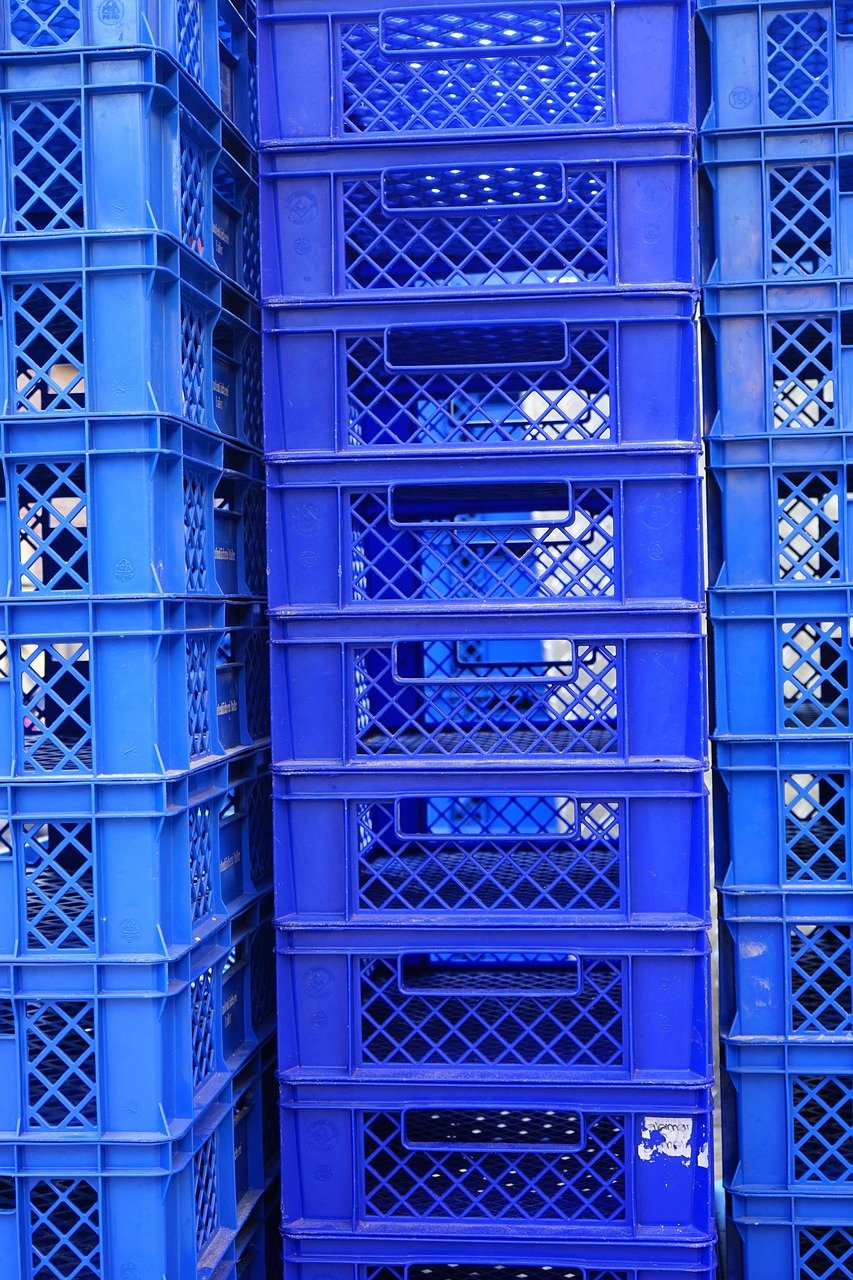
The “Shop Your Stock” Method, From Someone Who’s Been Saying It For Years
Professional organizer Bonnie Borromeo Tomlinson, author of the aptly titled book “Stop Buying Bins,” has been making a version of this argument to clients for years, long before it had a TikTok name attached to it. Speaking about her approach, she put the core philosophy simply: “I want to get you to a place where you can find what you are looking for and live free and comfortable.” Her point isn’t that containers are bad — it’s that they’re rarely the actual problem. “I have seen what happens when people are surrounded by stuff they can’t get rid of: they are unhappy,” she has said, and her fix starts with a question most of us skip on the way to the store: “think of shopping from your stock” first.
That reframe — shop your stock before you shop the store — is really the whole method underconsumption-core organizing borrows from professional organizers, whether the TikTok creators posting it know her name or not. Before buying anything new, the idea is to fully empty the space, group what you already own by category, and only then notice what’s genuinely missing. Tomlinson also pushes back on sentimental over-storage, the instinct to keep containers, gadgets, or inherited items out of guilt rather than use: “just because it is mine doesn’t mean my grandchild must keep it. You need to let go of assigned value.” Often, she says, an overflow of belongings is standing in for something else entirely: “when you have too many things, you are compensating for something you are holding onto. It can be an emotion but it has nothing to do with the item.”
How to Actually Try It This Weekend
If the whole idea sounds nice in theory but vague in practice, here’s how the trend actually plays out in the videos and in real closets, broken into steps you can copy without buying anything new to start.
1. Empty the space completely before you sort it. Pull everything out of the cabinet, drawer, or closet onto the floor or a table. You cannot see what you actually own — or how much of it is duplicate — while it’s still stacked inside a dark shelf.
2. Group like with like, then count. Water bottles in one pile, extension cords in another, half-used candles in a third. Most households discover they own three or four of something they thought they were “missing,” which is usually what triggers the next Target run.
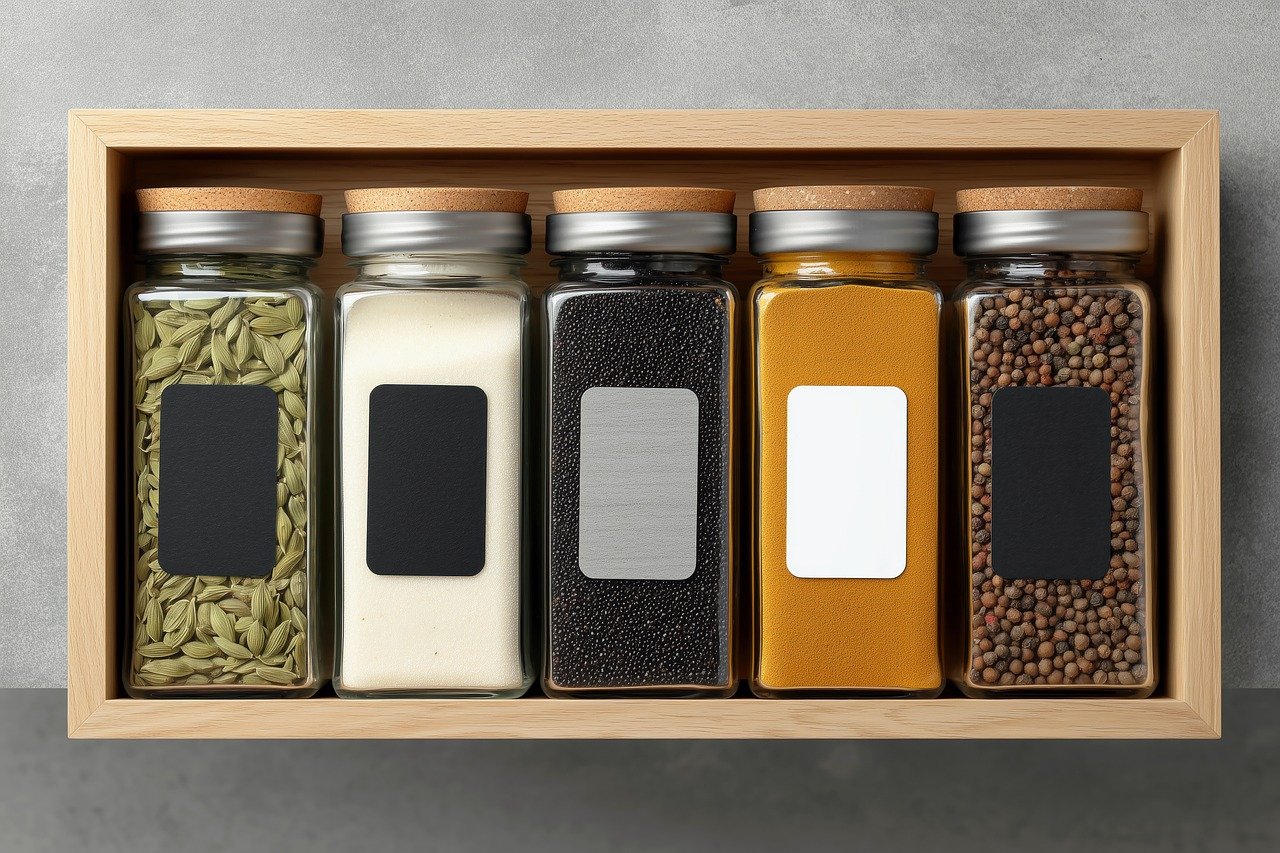
3. Rehome the containers you already have before buying more. Shoeboxes, gift bags, glass jars, the box your last delivery came in — these are the actual raw material of underconsumption-core organizing. A shoebox lined with a placemat photographs almost as well as a matching bin, and it costs nothing.
4. Make a short, specific “actually missing” list. Not “storage for the pantry” — that’s vague enough to justify buying ten things. Instead: “one container tall enough for spaghetti.” Specificity is what keeps this from turning into another haul.
5. Buy the one or two workhorses, and only those. Underconsumption-core isn’t a zero-spend challenge — it’s a permission slip to buy less, not nothing. If, after sorting, you genuinely need a tall airtight canister for flour, get it. The trend is about sequence, not deprivation.
6. Donate or resell what didn’t make the cut immediately, not “eventually.” A bag that sits by the door for three weeks tends to quietly migrate back into the closet.
Where It Falls Short — and Where It’s Genuinely Useful
It’s worth being honest that underconsumption-core has its own critics, including people who point out that skipping purchases is easier when you already own a closet full of nice things to reuse — a fair critique that applies to a lot of aesthetic trends dressed up as ethics. It’s also not a trend that works for every space; some organizing problems, like a genuinely broken closet system or a garage with zero shelving, really do need new equipment, not creative repurposing. The useful version of this trend isn’t “never buy organizing products.” It’s “sort first, buy last, and buy specifically” — which happens to be advice professional organizers have been giving for years under a much less catchy name.
Putting the Bins Back on the Shelf
I never did finish that shaky “get organized with me” video. What I did instead was go home, pull every container out of my own hallway closet, and discover I already owned exactly the right size shoebox for the tangle of chargers I’d been about to buy a bin for. It didn’t make for great footage. It did make for a closet that’s stayed organized for three weeks now, which is longer than any bin I’ve ever bought managed on its own. The next time you’re standing in that aisle with a cart full of good intentions, it might be worth doing what that stranger did first — go home, look at what you’ve already got, and let the store be your last stop instead of your first.