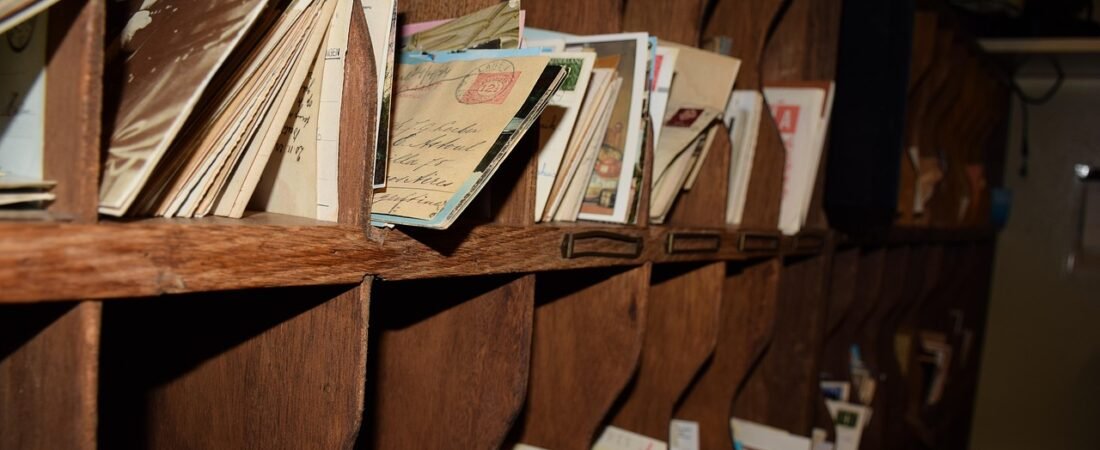
The drawer under my kitchen counter used to be a time capsule of paper I never meant to keep: a car insurance renewal from two years ago, a stack of pizza coupons for a place that closed, three different drafts of a form I eventually just signed in person. Every few months I’d dump it out, feel a wave of guilt, and shove most of it right back in because sorting felt harder than ignoring it. So when Apartment Therapy published a piece specifically about paper clutter on September 19, 2026, as part of its 2026 Decluttering Cure series, I actually sat down and read it instead of scrolling past. It’s not a vague “go paperless” pep talk — it’s a five-category sorting system from Lifestyle Director Stephanie Nguyen that treats paper the way you’d treat laundry: sort first, then deal with each pile on its own terms. A few of the fixes below are things I ended up buying myself once I saw how much of my own pile fit neatly into just two of those five categories, so I’ll say upfront: as an Amazon Associate, I earn from qualifying purchases, at no extra cost to you. Here’s the actual system, plus what to buy for each category so it doesn’t pile back up in a month.
The Five-Category System That Actually Works
Nguyen’s piece doesn’t start with containers — it starts with five honest categories, and the instruction is to sort everything into one of them before buying a single organizer. Trash and recycling comes first: envelopes, ads, expired coupons, anything with no reason to exist past this week. For anything with your name, account numbers, or other identifying details on it, she’s specific about not just tossing it loose — “use a shredder, scissors, or your hands to destroy the identifying details before discarding them.” The second category is short-term items: bills to pay, forms that need a signature, anything with a deadline attached. The third is long-term records — tax returns and documents that need to exist somewhere safe but out of daily view. The fourth is leisure reading (magazines, catalogs, the stuff you actually want to flip through), and the fifth is sentimental paper, which gets set aside for a separate pass later rather than forcing a decision on the spot.
What makes this different from the junk-drawer-style “just get a bin” advice is that it’s not one system for all paper — it’s five smaller decisions instead of one overwhelming one. That distinction matters more than it sounds like it should: a professional organizer quoted in a separate Homes & Gardens piece on household clutter, Courtney Cummings of The Stylish Organizer, put it plainly when she said “paper clutter is one of the biggest challenges that I see with clients when working in basements and office spaces.” If it’s genuinely one of the hardest categories for the pros too, a five-way sort instead of a single catch-all bin is a reasonable place to start.
Give Short-Term Paper an Actual Landing Spot
The short-term category is the one that actually needs daily contact, so it’s the one worth spending the most thought on. Nguyen recommends keeping it “in a tray, bin, or paper sorter near your workspace or entryway,” organized loosely by how urgent each item is. The key is picking a spot you already walk past every day — a mail pile that lives in a spare room you rarely enter will just become a second time capsule. If your current system is a growing stack balanced on a counter corner, a tiered desktop sorter with labeled slots gives bills, forms, and action items their own compartment instead of one leaning tower. A mail and file organizer with labeled slots is sized to sit on a counter or mount to a wall near the door, so the short-term pile has a real home instead of just a flat surface.
Shred Before You Toss the Sensitive Stuff
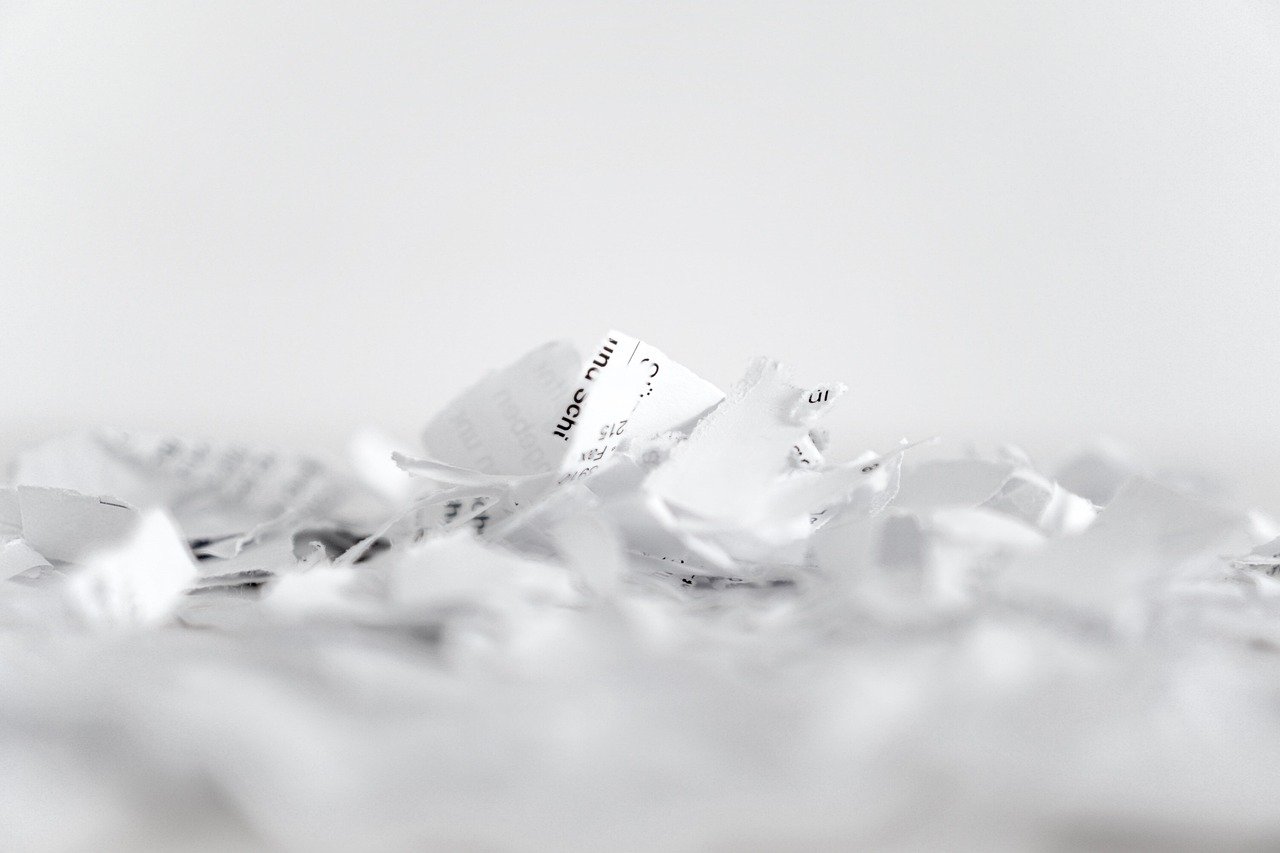
The category most people skip is the shredding step, mostly because digging out a shredder for one envelope feels like overkill — so the envelope goes in the trash whole instead, account numbers and all. Nguyen’s advice to “destroy the identifying details before discarding them” doesn’t require a full home-office shredder if you don’t already have the desk space for one; it just requires making destruction easier than skipping it. A compact cross-cut small paper shredder that fits on a shelf or under a desk turns this from a special errand into a ten-second step you do while standing at the counter sorting mail, which is really the only way it sticks long-term.
Keep Long-Term Records Somewhere You’ll Actually Find Them
Long-term paper is the category people either over-solve with a full filing cabinet they don’t have room for, or under-solve by stuffing tax returns into a kitchen drawer next to the takeout menus. Nguyen’s guidance is simpler than either extreme: keep these records in a dedicated spot, and don’t let the pile grow forever — she recommends discarding bills older than five years, since most households don’t actually need to keep utility statements from a decade ago. For anyone without a spare filing cabinet or a home office to put one in, an accordion-style file box with labeled dividers holds a surprising amount of paperwork in a single container that fits on a closet shelf, which is often enough for a household that just needs tax returns, warranties, and insurance paperwork sorted by year rather than a full office setup.
Let Leisure Reading Live Somewhere Visible
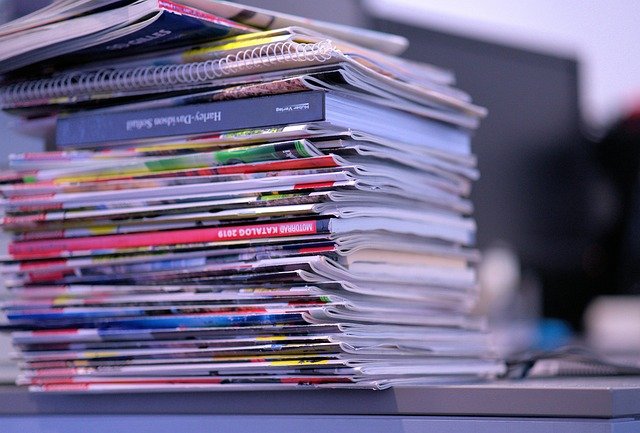
Not every piece of paper in the house is clutter waiting to be solved — the fourth category, leisure reading, is explicitly meant to stay out and accessible, not filed away. Magazines, catalogs, and newsletters you actually want to flip through belong somewhere you’ll naturally pick them up, whether that’s a basket by the couch or a stand next to the bathtub. The goal here isn’t minimalism, it’s giving the “fun” paper a boundary so it doesn’t quietly merge with the pile of bills on the counter. A simple magazine and catalog holder keeps that stack contained and upright instead of sliding into a flat pile that starts looking like clutter again within a week.
Sentimental Paper Gets a Pass for Now, Not Forever
The fifth category exists specifically so you don’t have to make a hard emotional call while you’re in the middle of sorting bills — kids’ report cards, handwritten letters, ticket stubs, and anything else with a memory attached gets set aside rather than forced into “keep” or “toss” on the spot. That’s a deliberate choice in the Decluttering Cure framework, since sentimental items genuinely need a slower, separate pass later instead of competing for a decision with a cable bill. The only real rule for this pile is that it needs a container of its own so it doesn’t quietly scatter back across the house while you’re not looking — the goal isn’t to solve it today, just to contain it until you’re ready to.
Where This Actually Gets You
My own drawer, once I actually sorted it instead of just restacking it, turned out to be about 70 percent trash, 20 percent short-term action items I’d been avoiding, and almost nothing that was genuinely long-term or sentimental — which is probably closer to the real breakdown for most households than we’d like to admit. The point of Nguyen’s system isn’t that paper clutter disappears forever after one sort; it’s that five small, honest categories are easier to maintain weekly than one overwhelming pile is to tackle twice a year. Pick the one category that’s currently taking over a flat surface in your house, give it its own container this week, and let the other four wait their turn.