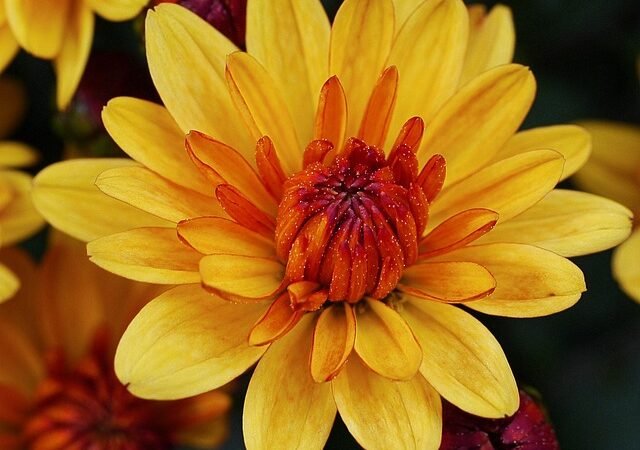
Every October I buy the same thing: one plastic pot of mums from the grocery store, set it by the front steps, and watch it look great for about two weeks before it starts dropping petals and flopping sideways. I always assumed that was just what mums did. Then, scrolling through gardening coverage this past week, I kept running into the same two names attached to a very different approach — porch displays that look closer to a florist’s arrangement than a single sad pot. It turns out there’s an actual shift happening in how professional designers are styling fall mums for 2026, and it has almost nothing to do with buying a fancier mum. (This post includes links to Amazon; as an Amazon Associate, I earn from qualifying purchases, at no extra cost to you.)
The Shift: One Pot of Mums Isn’t Enough Anymore
The idea driving this fall’s porch trend comes largely from Jim Sutton, Associate Director of Display Design at Longwood Gardens, and Calvert Crary, founder of FlowerSchool New York, both quoted extensively in Homes & Gardens this September. Their core advice: stop treating mums as the whole display and start treating them as one ingredient in it. Sutton recommends a specific three-plant combination — chrysanthemums, ornamental grasses, and ornamental peppers — as the formula professional designers reach for. “Both ornamental peppers and grasses are a great addition for those who are looking to elevate their style,” he said, adding that “ornamental grasses go hand-in-hand with chrysanthemums too, adding height to otherwise low-level displays.”
That height is the part most home porches are missing. A single mum pot tops out around a foot tall, so it reads as a small, flat spot of color rather than an actual arrangement. Mixing in grasses or trailing peppers gives the eye something to travel up and down, which is the difference between a display and a decoration you forgot was there.
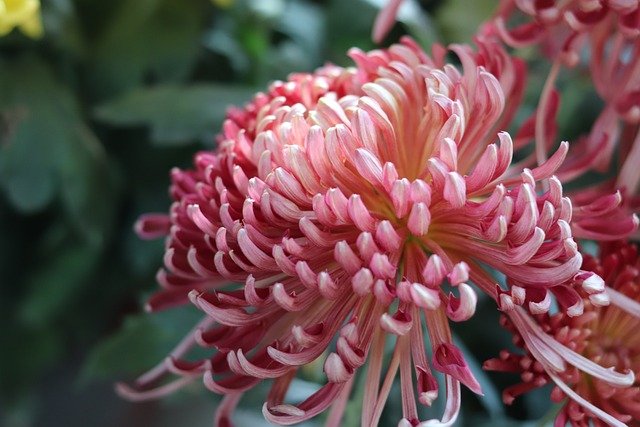
If you want to try the exact combination designers are using, a few ornamental grass plants tucked behind your usual mum pot is the fastest way to test this without redoing the whole porch.
Why Your Mums Look Cheap (and the Easy Fix)
The second piece of advice from this year’s coverage addresses something I didn’t realize was a fixable problem: the container itself. Crary’s fix, also from the Homes & Gardens piece, is almost embarrassingly simple. “Plant your store-bought mums in standard black pots and place those pots inside a larger vessel,” she advised in a related article on styling mums to look more expensive. In other words, you never have to repot the mum at all — the flimsy plastic nursery pot just gets hidden inside something nicer, and you can swap it out again in a few weeks once the bloom fades.
Crary also stressed color discipline over variety: “An elevated design is one with impact, achieved by using all one color or sticking to the same color family,” she said, noting that color consistency reads as intentional while scattering several different bloom colors in one display tends to look accidental. Sutton’s version of the same advice leans practical — he suggests coordinating the mum color with your front door, so the whole entry reads as one composed scene instead of a plant plus a door that happen to be near each other.
A set of matching large outdoor planters solves both problems at once — it hides the nursery pot and gives you the same vessel shape across your whole porch, which Crary specifically calls out as more cohesive than mixing styles and sizes.
The Counter-Trend: Some Gardeners Are Skipping Mums Entirely
Not everyone is on board with chrysanthemums at all this fall, which is its own small trend worth knowing about before you buy anything. Garden writer Teo Spengler argued in Gardening Know How this September that mums “demand lots of watering, and may drop their petals or flop long before the season’s over” — exactly the problem I’ve had every year. Her alternative isn’t to abandon fall color, just to build it around foliage and drought-tolerant plants instead of a bloom that’s basically designed to peak and die within a month.
Her suggested combinations lean on texture over flower count: purple fountain grass with golden sedum and trailing elephant bush for a sun-drenched spot, or caladiums and dragon wing begonias for a shadier porch. The common thread across her five combos is that none of them require deadheading or daily watering to look presentable through late October.
If low-maintenance foliage sounds more realistic than a flower you’ll be watering daily, a few drought-tolerant fall plants can anchor a porch pot that still looks finished in six weeks, not six days.
Five Styling Rules to Steal This Weekend
Whether you keep the mums or skip them, the styling logic from both camps overlaps more than it first seems. A few rules that came up across every source:
- Group in odd numbers. Three pots read as a composed arrangement; two reads as leftover inventory.
- Vary height, not color. Keep the palette tight (one or two shades) but let grasses, branches, or trailing stems break up the flat line of a single mum pot.
- Match your vessel shape. Crary’s advice applies even if you only own one style of pot — buying two more in the same shape beats mixing three random ones you already had.
- Add something architectural. Sutton points to branches, dogwood stems, and grapevine as the easiest way to make a mum display look designed rather than purchased.
- Coordinate with your door. It’s the one tip that costs nothing — just pick a mum or foliage color already in your existing palette instead of grabbing whatever’s cheapest at the garden center.
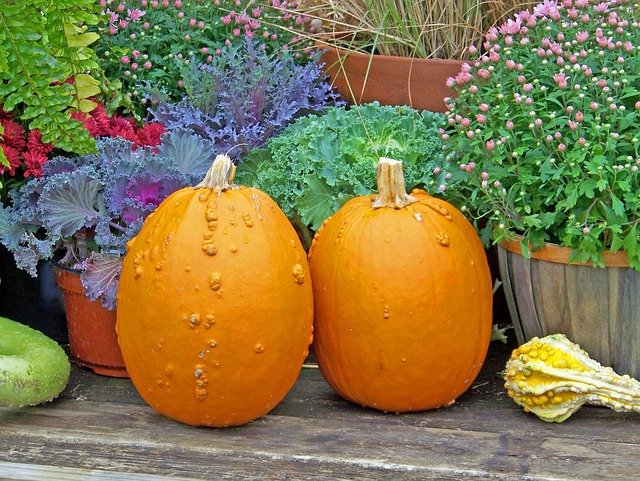
A few decorative branch stems are the cheapest way to test the “architectural” tip without buying a single new plant — tuck a few into your existing mum pot and see if it reads differently.
What I’m Actually Changing on My Own Porch
I’m not swapping out my mums completely — I like the color too much to skip them — but I am finally doing the hidden-pot trick instead of setting the nursery container straight on the steps, and I’m adding one grass behind it for height before the bloom even opens. That’s the real takeaway from this year’s advice: none of it requires more money or more gardening skill, just a different order of operations. The plant was never the problem. It was always going in the display alone.