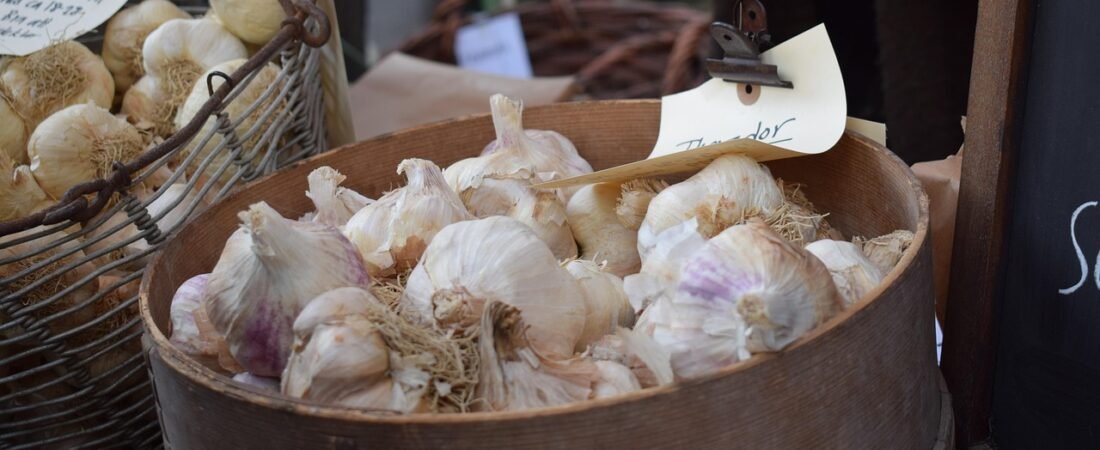
Last October I stood in my garden holding a bag of garlic cloves and a trowel, with no idea whether I was early, late, or just right. I had planted garlic once before, in a panic in December, and harvested bulbs the size of walnuts. This time I wanted to get it right, so I spent a weekend reading extension guides and almanacs on when to plant garlic and how to plant it. The good news is that garlic is one of the easiest crops you can grow, and fall is when it wants to go in the ground. A few cheap supplies help, and I link to them below. As an Amazon Associate, I earn from qualifying purchases, but you can do all of this with a trowel and a bag of leaves.
When Is the Best Time to Plant Garlic?
Plant garlic in fall, about 4 to 6 weeks before the ground freezes, or roughly 1 to 2 weeks after your first killing frost. That means September in the far north, October across most of the country, and October through November in the South. The cloves need time to root, then a cold winter to form full bulbs.
The Old Farmer’s Almanac puts it simply: plant “after the weather has cooled but before the ground freezes.” Its garlic guide adds that fall planting, from September to November in most areas, works because garlic needs cold temperatures to develop a proper bulb. Fall-planted garlic is usually ready the following summer, typically in June through August.
Garlic planting dates by USDA zone
Epic Gardening lays out a zone-by-zone schedule that matches what most extension offices recommend:
- Zones 0 to 4: September
- Zones 5 to 7: October
- Zones 8 and 9: October or November
- Zones 10 and 11: December or January
If you are not sure of your zone, look up your ZIP code on the USDA hardiness zone map. Then watch the weather, because the real trigger is soil that has cooled down, not a date on the calendar.
Why timing matters so much
Garlic needs roughly 4 to 8 weeks of temperatures below 40°F, a process called vernalization, to split into the cloves we cook with. Plant too early and the cloves send up top growth that winter can burn. Epic Gardening warns that “the shoot dies, and the clove doesn’t have enough energy for spring,” and the clove can rot or get eaten by rodents. Plant too late and the roots never get established before the freeze.
My own rule is to aim for the middle of that window. In my zone 6 yard that means the second or third week of October, right when the maples finish dropping leaves.
Which Garlic Should You Plant: Hardneck or Softneck?
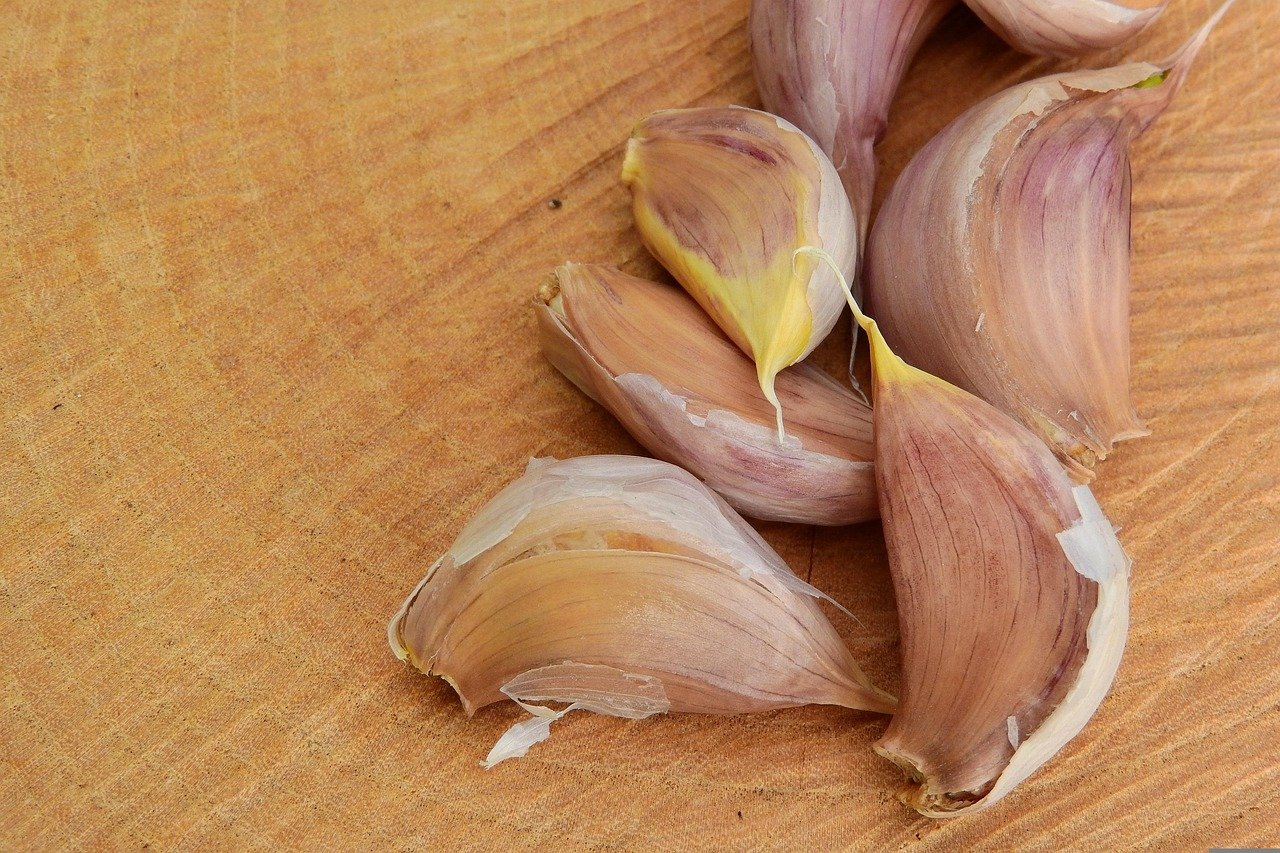
Hardneck garlic suits cold winters, makes bigger cloves, and sends up edible flower stalks called scapes. Softneck garlic suits mild climates, stores longer, and has more, smaller cloves. If you live where winters regularly dip below freezing, go with hardneck. Warm-winter gardeners in zones 8 and up usually do better with softneck.
Either way, buy seed garlic rather than grocery store bulbs. The Old Farmer’s Almanac recommends you “choose large, firm, disease-free bulbs from a reputable nursery, garden center, or seed supplier.” Supermarket garlic is not selected for your climate, and you cannot be sure of the variety. The University of Illinois Extension suggests ordering seed garlic early, in June, from garden centers, catalogs, or online suppliers.
Seed garlic is the single purchase that decides your harvest, so it is worth getting good stock. Look for plump, firm bulbs with the papery skins intact, and check the seller’s notes on whether the variety is hardneck or softneck. You can browse options through a quick search for hardneck garlic seed bulbs, and be sure to check the current price and shipping dates, because many sellers only ship in fall.
Pick the biggest cloves
Crack the bulb apart a day or two before planting, and keep the skin on each clove. Plant the largest, healthiest cloves and eat the small ones. Big cloves grow big bulbs, and over several seasons you can save your own best heads for seed.
How Do You Plant Garlic Step by Step?
Planting garlic takes about an hour for a small bed. Follow these steps once the soil has cooled.
Step 1: Choose a sunny, well-drained spot
Garlic needs full sun, at least 6 to 8 hours a day, and soil that drains well. Soggy winter soil invites rot, which is why the Old Farmer’s Almanac suggests raised beds for heavy clay or poorly drained ground. If your yard is heavy clay, grow garlic in a raised bed. If you are short on space, our guide to small-space and vertical growing ideas shows how to fit more crops into tight corners, and garlic fits happily into a container.
Step 2: Loosen the soil and add compost
Work a few inches of compost into the top 6 to 8 inches of soil. The University of Illinois Extension advises you to “plant in full sun into well-drained soil amended with compost.” Rake the bed level and remove weeds and stones, so cloves can push roots straight down.
A sturdy hand tool makes this job faster, and a bulb planter or trowel gives you even holes every time. A trowel with depth markings takes the guesswork out of the right planting depth.
Step 3: Plant cloves pointy side up
Plant each clove 2 to 3 inches deep with the pointed end facing up, the flat root end down. The Old Farmer’s Almanac recommends “2 to 3 inches deep” and spacing “about 4 to 6 inches apart.” The University of Illinois Extension gives a slightly shallower range of 1 to 2 inches in its own region, with rows 15 to 18 inches apart. In colder zones, go for the deeper end so the cloves are better insulated.
Cover the cloves with soil, pat down lightly, and water well. A deep watering settles the soil around each clove and encourages roots to start growing before winter.
Step 4: Mulch heavily
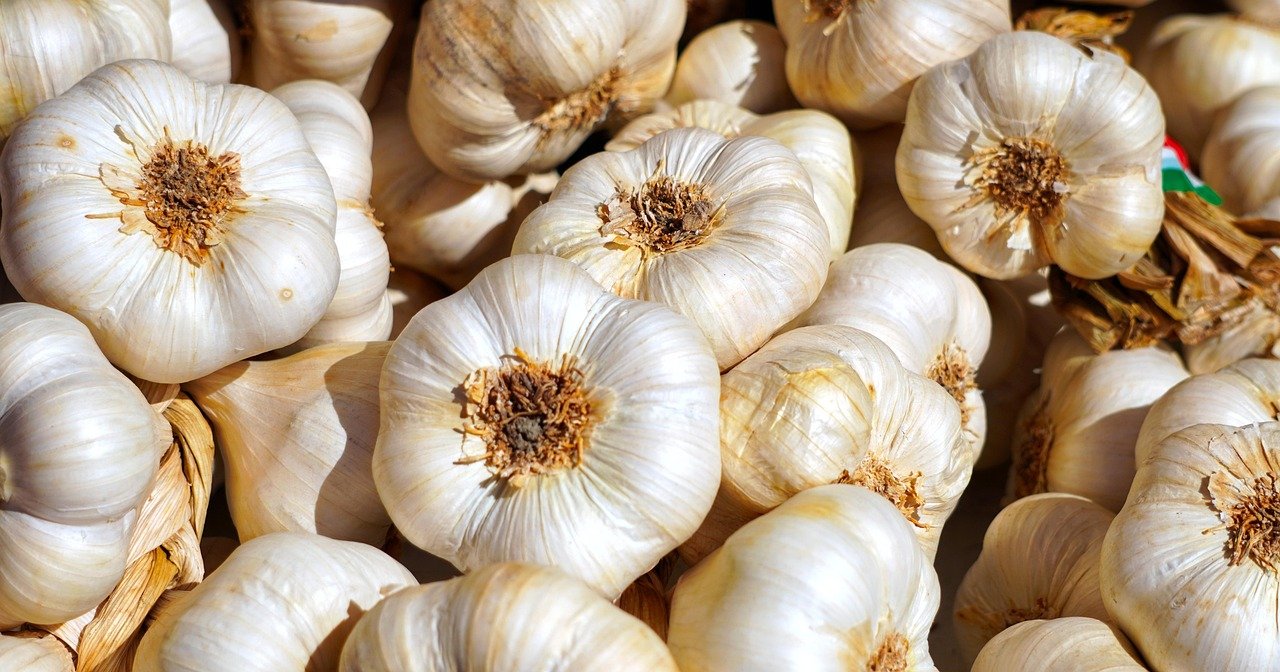
After planting, spread 4 to 6 inches of straw or shredded leaves over the bed. The University of Illinois Extension is blunt about why: “Mulch with straw to prevent frost heaving.” Heaving happens when soil freezes and thaws repeatedly, pushing cloves up to the surface where they dry out.
If you have a pile of fallen leaves, you already have free mulch. Our post on why experts say to leave the leaves explains how shredded leaves protect soil and feed it as they break down. Straw also works, and it is easy to find at feed stores or in bales online. Shopping for it? Try a search for straw mulch for the garden, and check the current price against what your local feed store charges.
One caution: mulch can hide pests. If you are worried about insects in your beds, read about Asian needle ants in mulch before you pile it on, and keep it clear of your house foundation.
What If You Live in a Warm Climate?
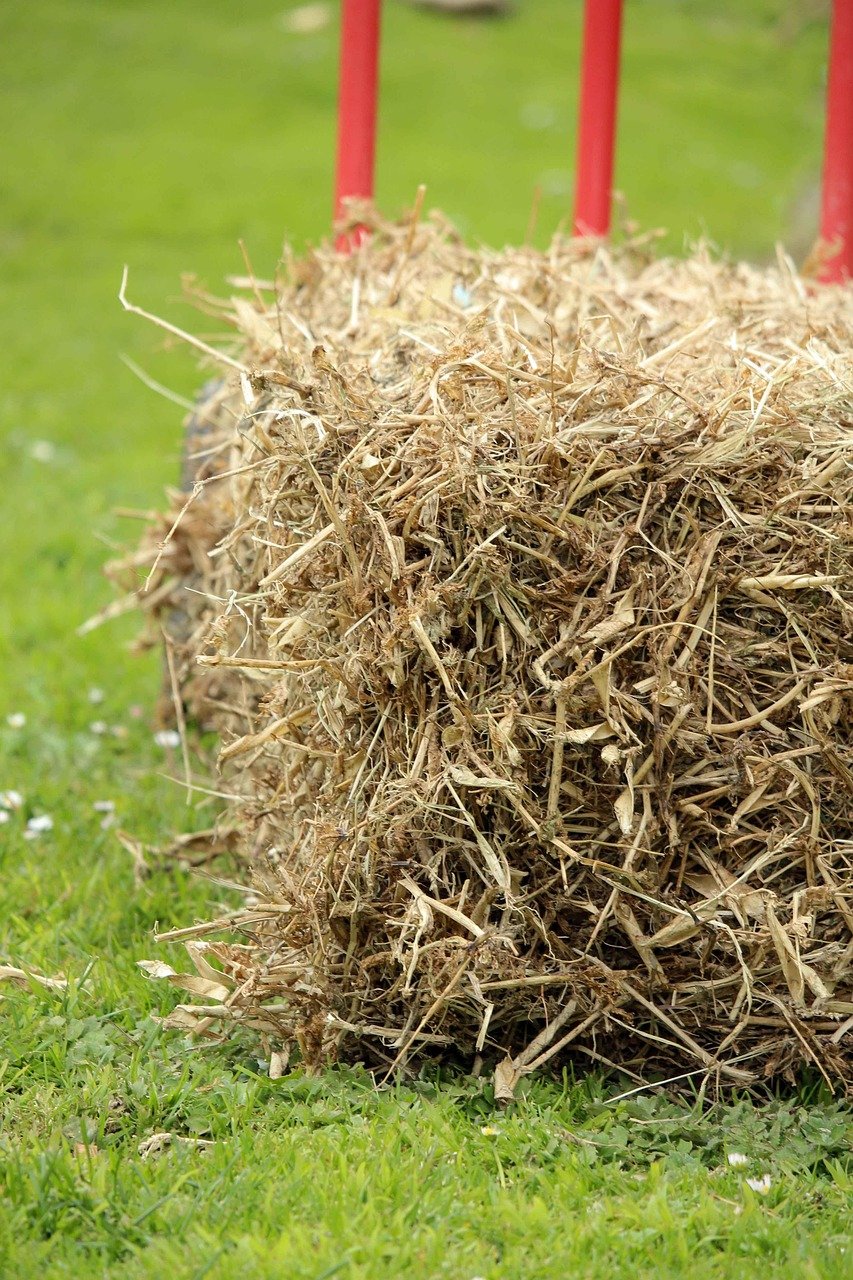
Gardeners in zone 8 and warmer often do not get enough cold for garlic to bulb up. The fix is to chill the cloves yourself. Epic Gardening recommends refrigerating softneck cloves for 5 to 8 weeks and hardneck cloves for 10 to 12 weeks at “around 33-39°F” in a dry paper bag, away from fruit.
After chilling, plant in November or December and expect smaller but still delicious bulbs. In zones 10 and 11 it is common to plant in December or January and harvest in late spring.
How Do You Care for Garlic in Spring?
Garlic needs very little work, but a few spring tasks make a big difference. Do these as the shoots emerge.
- Pull back heavy mulch. The Old Farmer’s Almanac says to “loosen or pull back heavy, matted mulch so the shoots can emerge easily.”
- Feed once. Side-dress with a nitrogen-rich fertilizer when active growth resumes, then stop once bulbs start to form. A soil test tells you if you need it at all.
- Water evenly. Keep the bed evenly moist during spring growth, especially as bulbs begin to form, then ease off as harvest approaches.
- Weed gently. Garlic has shallow roots and does not like competition.
If you grow hardneck garlic, snip off the scapes in late spring. Removing them sends more energy to the bulb, and the tender scapes are great in pesto, scrambled eggs, or grilled whole. Watch your beds for pests while you are out there, because jumping worms can strip mulch and topsoil quickly in infested yards.
Gloves and a good watering tool also help in spring. A pair of breathable garden gloves saves your hands during weeding, and a watering wand lets you soak the soil without splashing the leaves.
When Is Garlic Ready to Harvest and How Do You Cure It?
Harvest when about one-third to one-half of the leaves have turned yellow or brown, while several upper leaves are still green. In most of the country this lands between June and August. Waiting too long makes the wrappers split and the cloves separate, which shortens storage life.
Lift the bulbs gently with a fork rather than pulling them by the stem. Then cure them for 2 to 4 weeks in a warm, dry, shady place with good airflow, as the Old Farmer’s Almanac advises. Illinois Extension says curing can take 4 to 6 weeks in a well-ventilated structure out of the sun. When the necks are dry and papery, trim the roots and store the bulbs in mesh or paper bags in a cool, dry spot, where they can keep for several months.
Can You Plant Garlic in a Bed With Other Crops?
Yes. Garlic fits well into kitchen plots because its narrow leaves leave room beside it for lettuce, spinach, or strawberries. If you are planning a productive yard, see our overview of edible plots, containers and borders for layout ideas that mix vegetables with flowers. Many gardeners plant garlic right after pulling summer tomatoes, which makes good use of a bed that would otherwise sit empty.
Fall is also bulb season in general. If you are already out there with a trowel, you can tuck flowering bulbs in at the same time, and our guide on when to plant spring bulbs covers the timing for tulips and daffodils.
Frequently Asked Questions
Can I plant garlic from the grocery store?
You can, but results are unreliable. Grocery bulbs are not selected for your climate, and you rarely know the variety. Seed garlic from a nursery, garden center, or seed supplier is sold for planting and usually labeled hardneck or softneck. Authorities such as the Old Farmer’s Almanac recommend choosing large, firm, disease-free bulbs from a reputable supplier.
Is it too late to plant garlic in November?
Not usually. If the ground is not frozen, you can still plant garlic in November, and in zones 8 and 9 it is a normal planting month. Plant right away, mulch heavily, and expect slightly smaller bulbs. If the soil is already frozen solid, wait and try again in early spring with cloves chilled for about 8 weeks.
How deep and how far apart do you plant garlic cloves?
Plant cloves 2 to 3 inches deep with the pointed end up, spaced about 4 to 6 inches apart, according to the Old Farmer’s Almanac. Illinois Extension suggests 1 to 2 inches deep and 4 to 5 inches apart in its region. In cold climates, plant on the deeper end and add a thick layer of straw mulch.
How long does garlic take to grow?
Garlic planted in fall is typically ready the following summer, roughly 8 to 9 months later. In most regions that means harvest between June and August, once about a third to half of the leaves turn yellow or brown. After harvest, allow another 2 to 4 weeks for curing before you store it.
The bottom line is simple: this month is your window. Check the ground temperature, buy firm seed garlic, plant the biggest cloves pointy side up 2 to 3 inches deep, and bury them under a thick blanket of straw or leaves. Then forget about them until the green shoots appear next spring, and you will be curing your own bulbs by midsummer.