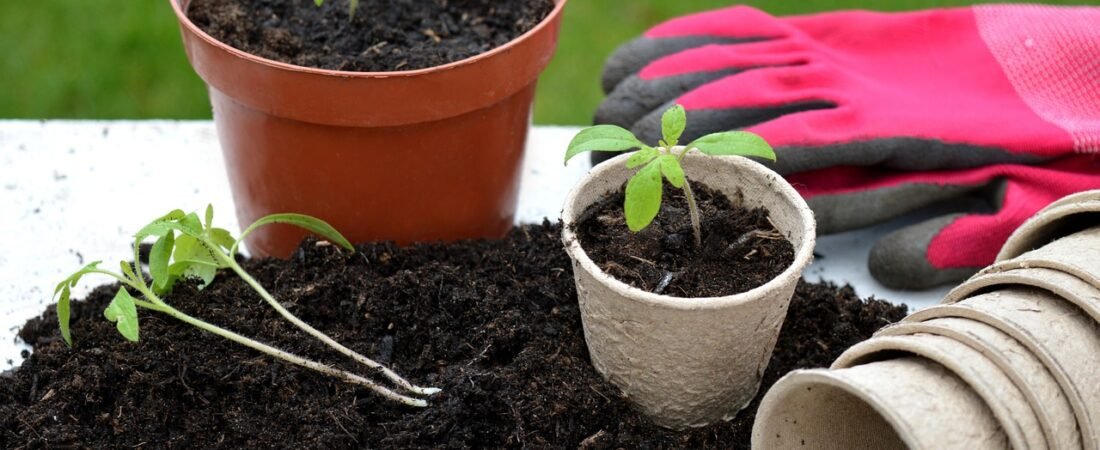
My father-in-law has grown the same six tomato plants in the same square patch of dirt every summer for as long as I’ve known him, and every summer he complains they take up too much space and produce too little. Last spring I talked him into moving three of them into large containers on his deck instead, closer to the kitchen door, tucked between a border of low stone edging he’d been meaning to install for a decade. He harvested more tomatoes off those three deck plants than off the other three still in the ground. That small experiment is basically the whole 2026 garden story in miniature: smaller, closer, more intentional beats bigger and further away.
As an Amazon Associate, I earn from qualifying purchases.
Edible Plants Keep Expanding Past the Vegetable Patch
Katie Tamony, chief merchandising officer at Monrovia, has watched food gardening grow more adventurous every year: “The expansion we’re seeing in the edibles trend shows home gardeners are getting more adventurous and more world-aware.” That means fewer gardens limited to tomatoes and basil, and more experimenting with vegetables and herbs tied to specific cuisines — shishito peppers, lemongrass, Thai basil — planted in with ornamentals instead of segregated into a separate vegetable bed.
Container Gardening Is Having Its Biggest Year Yet
Tamony points directly at where the growth is happening: “There is more interest than ever in gardening on decks and patios. We’re seeing the biggest increase in container gardening interest.” For anyone without a yard, or without the time to maintain a full in-ground bed, a handful of well-placed containers by the back door delivers most of the harvest with a fraction of the maintenance — and they can be moved to chase sun as the seasons shift, something a fixed garden bed can never do.
→ Shop Self-Watering Raised Garden Container on Amazon: View on Amazon →
Thoughtful Borders Replace the Straight-Edge Lawn
Adam Millhouse, of Millhouse Howell Landscape Company, ties container gardens to a companion trend: defined edges. “Small spaces feel bigger when they are well defined,” he explains. “Details like stone borders help to delineate lawn and planting areas.” A simple stone or brick border does more than mark a property line — it gives a planting bed a finished look even mid-season, when the plants inside it are still filling in and would otherwise read as messy.
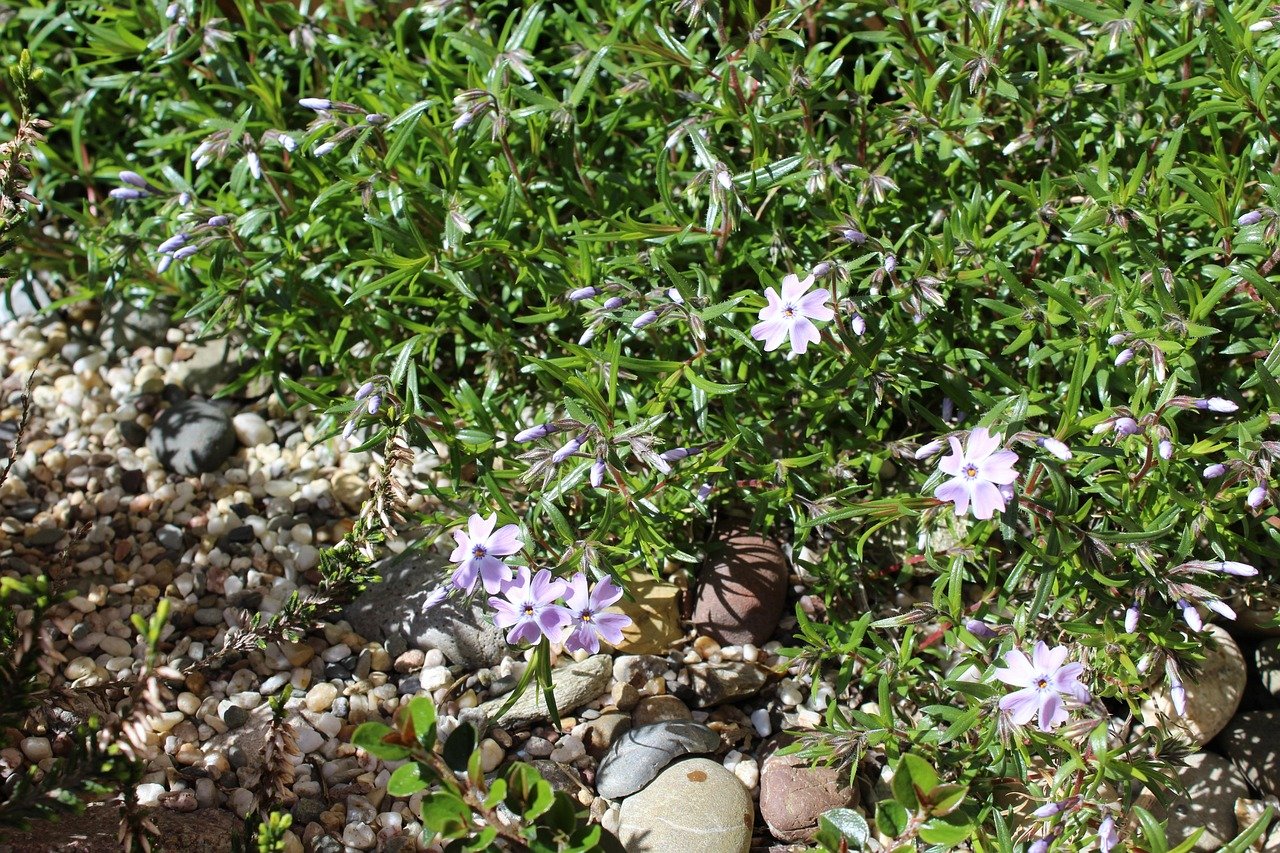
→ Shop Natural Stone Garden Edging Border Kit on Amazon: View on Amazon →
Micro Gardens Distill the Whole Yard into One Corner
The Southern Living Plant Collection describes a related shrinking-down of scale: “Everything is distilled into smaller, smarter, and more intentional formats.” Instead of one sprawling bed that’s hard to maintain, more gardeners are building one small, dense, carefully chosen corner — a few containers, a border, a single trellis — and getting it right, rather than spreading the same effort thin across a much larger footprint.
Purposeful Evergreens Anchor the Off-Season
Millhouse also flags a shift toward planting for structure, not just bloom: “Year-round blooms are fun, but equally as interesting are plantings in shades of green with various leaf-textures.” Boxwoods, hollies, and other evergreens planted alongside seasonal flowers keep a container or border looking intentional in the months when nothing is blooming, which matters most for the small, high-visibility spaces this year’s trend keeps returning to.
Choosing Plants That Actually Fit a Container’s Realities
A container is a smaller, more exposed root environment than an in-ground bed, which means afternoon sun can bake a pot dry by evening even when the surrounding lawn still feels damp. Gardeners getting the most out of this trend are choosing varieties bred specifically for container life — compact tomato cultivars, dwarf pepper plants, herbs that tolerate drying out between waterings — rather than simply shrinking a standard garden-bed plant list down into pots and hoping it holds up the same way.
Starting Small Without Losing the Point
None of this requires a full landscaping crew. One large container by the door, planted with something edible and something evergreen, does more for a small space than an ambitious in-ground bed that gets neglected by August. A short run of stone edging around an existing bed can be laid in an afternoon and instantly makes the whole yard look more deliberate, even before anything new is planted inside it.
My father-in-law still keeps his original in-ground tomatoes, out of stubbornness more than logic at this point, but he added two more containers to the deck this spring without me suggesting it. Sometimes the whole trend really does come down to moving the plant six feet closer to where you actually spend your time.