Last weekend I was stacking firewood against the side of the garage when I noticed something odd smeared across three of the logs: a grayish-brown patch that looked, honestly, like a splash of dried mud someone had flicked at the wall. I almost wiped it off with a rag and moved on. Then I remembered a headline I’d scrolled past a few days earlier about spotted lanternflies entering their fall egg-laying season, and I stopped. That smear wasn’t mud. It was an egg mass, and it had 30 to 50 more lanternflies packed inside it, waiting for spring. If you’ve spent any part of this September outside — stacking wood, moving patio furniture, loading the car for a weekend trip — there’s a real chance you’ve walked past one of these without knowing it. Here’s what’s actually going on right now, and what to do about it before winter sets in.
Why late summer and fall are the critical window
Spotted lanternflies aren’t a new problem — the invasive insect has been spreading across the U.S. since it was first detected in Pennsylvania back in 2014, and it’s now confirmed in more than 19 states. But late summer through early winter is a specific, narrow window that matters more than any other time of year, because it’s when adult females lay their eggs. Leland Rudner of American Pest, speaking to Northern Virginia Magazine in late August 2026, put it plainly: “Adults are going to be at large this time of year. … There’ll be more flying around.” Those adults aren’t just a nuisance buzzing around your porch light — every one you see now is a potential source of dozens more insects next spring, which is exactly why extension offices from Connecticut to West Virginia have been pushing out fresh guidance this September urging homeowners to start checking their own yards.
What an egg mass actually looks like
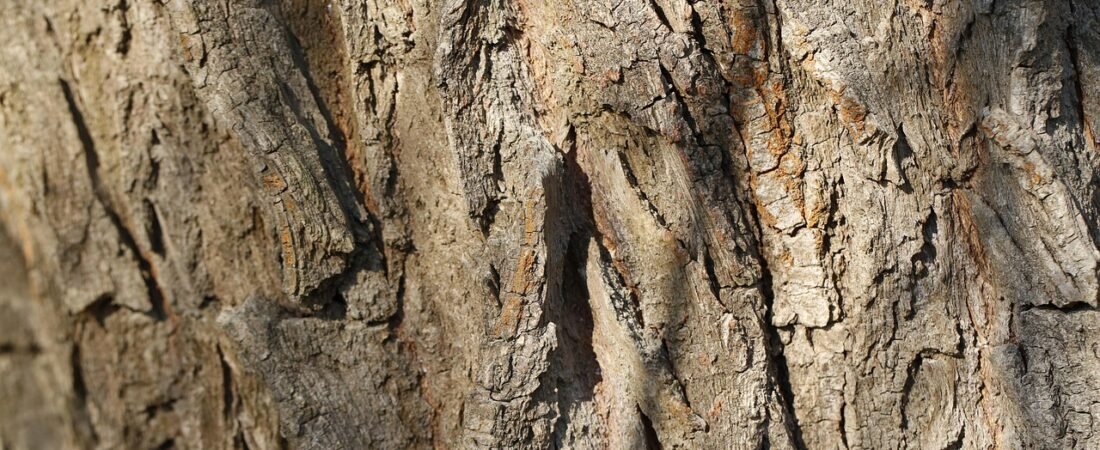
This is the part most people get wrong, because a spotted lanternfly egg mass doesn’t look like an insect at all. According to Rudner, the masses run about an inch and a half long, with a brownish-gray color that closely resembles a smear of dried mud — the exact texture and color of something you’d normally scrape off a boot sole without a second thought. Each one holds somewhere between 30 and 50 eggs. Extension researchers at UConn, in guidance published September 9, 2026, note that these masses show up on flat vertical surfaces: tree bark, stones, the sides of vehicles, patio furniture, grills, and firewood stacks — basically anywhere a female lanternfly can find a still, protected surface between now and December. Because they blend in so well, the single most useful habit you can build this fall is simply slowing down and actually looking at the surfaces you touch every day outside, instead of assuming any dried-mud-looking smudge is harmless.
How to actually remove an egg mass
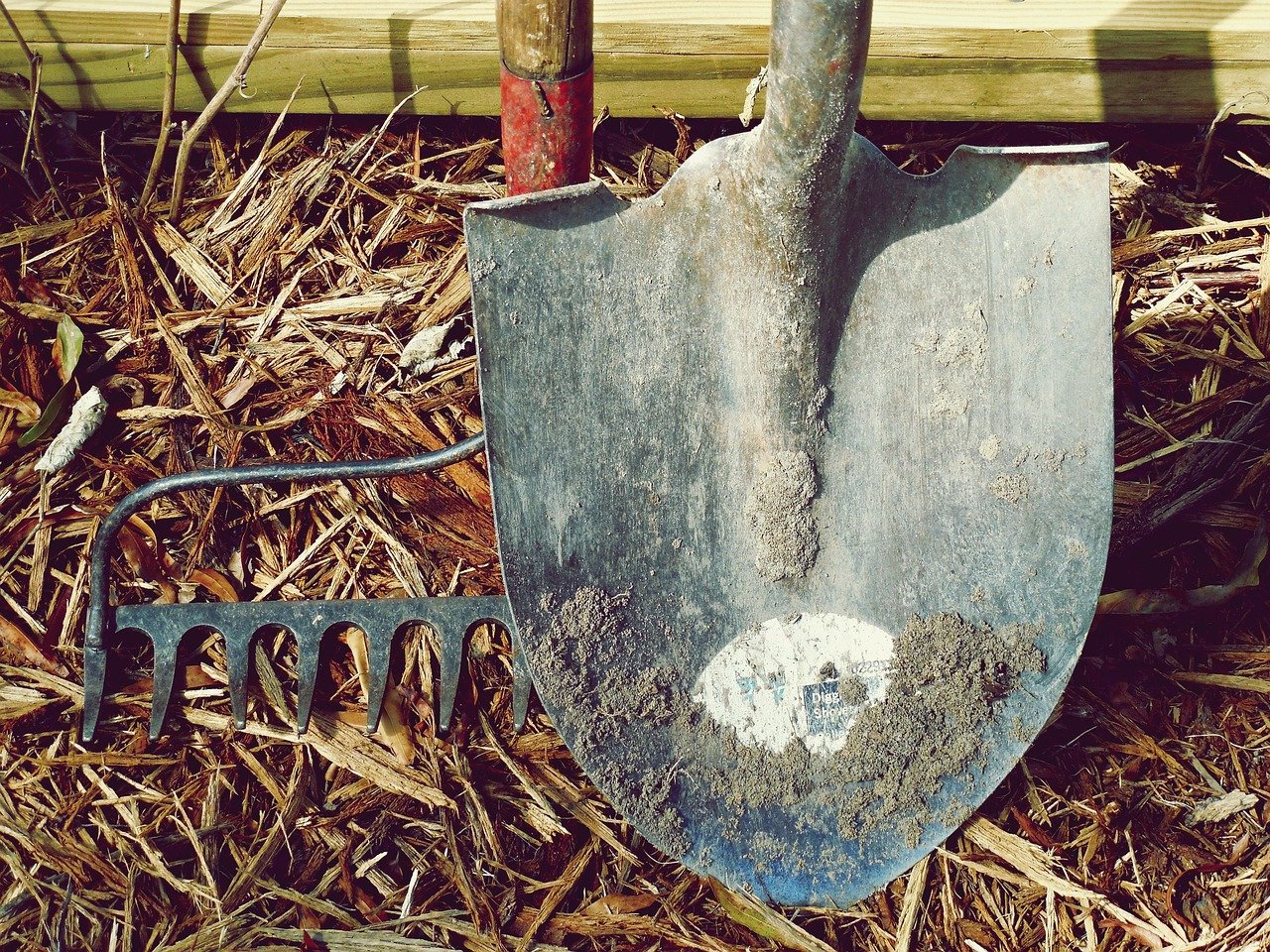
The good news is that dealing with an egg mass, once you’ve spotted one, doesn’t require special equipment or a call to pest control. Rudner’s recommendation, echoed by Penn State Extension’s own removal guidance, is straightforward: “Scraping them off of whatever host they’re attached to … is the way to go.” Use a flat, stiff object — a putty knife, an old credit card, or a plastic scraper — to lift the entire mass off the surface in one motion. The critical second step is what you do next: don’t just knock the mass onto the ground, because the eggs can still survive and hatch there. Instead, drop the scraped mass directly into a container of rubbing alcohol or hand sanitizer, which kills the eggs on contact. Dr. Jim Fredericks, a board-certified entomologist and senior vice president of public affairs at the National Pest Management Association, has explained that the insects “feed on the host plant’s sap, which leads to weeping wounds” and that “eggs are laid in the autumn, then hatch when weather warms in spring” — which is exactly why every mass you destroy now is one less colony emerging in April or May.
The tree that’s making this worse: tree-of-heaven
If you’re dealing with a recurring lanternfly problem year after year, there’s a good chance the real culprit isn’t in your yard at all — or rather, it is, but it’s a tree you may not have thought twice about. Spotted lanternflies have a strong preference for tree-of-heaven (Ailanthus altissima), a fast-growing, weedy tree that’s itself invasive and common along fence lines, vacant lots, and property edges. Rudner noted that the insect “really heavily relies on the tree of heaven in order to breed,” and even described how the chemistry works against the lanternfly’s predators: feeding on tree-of-heaven “becomes a bitter taste, and predators tend to not like that,” which is part of why the insect has been able to spread with so few natural checks in the U.S. His advice for anyone with a confirmed tree-of-heaven on their property is direct — “the best thing to do is cut the tree down and then remove the stump and the roots” — though it’s worth having a professional confirm the identification first, since tree-of-heaven can be mistaken for native sumac or black walnut, both of which you’d want to leave alone.
Protecting vines, fruit trees, and ornamentals
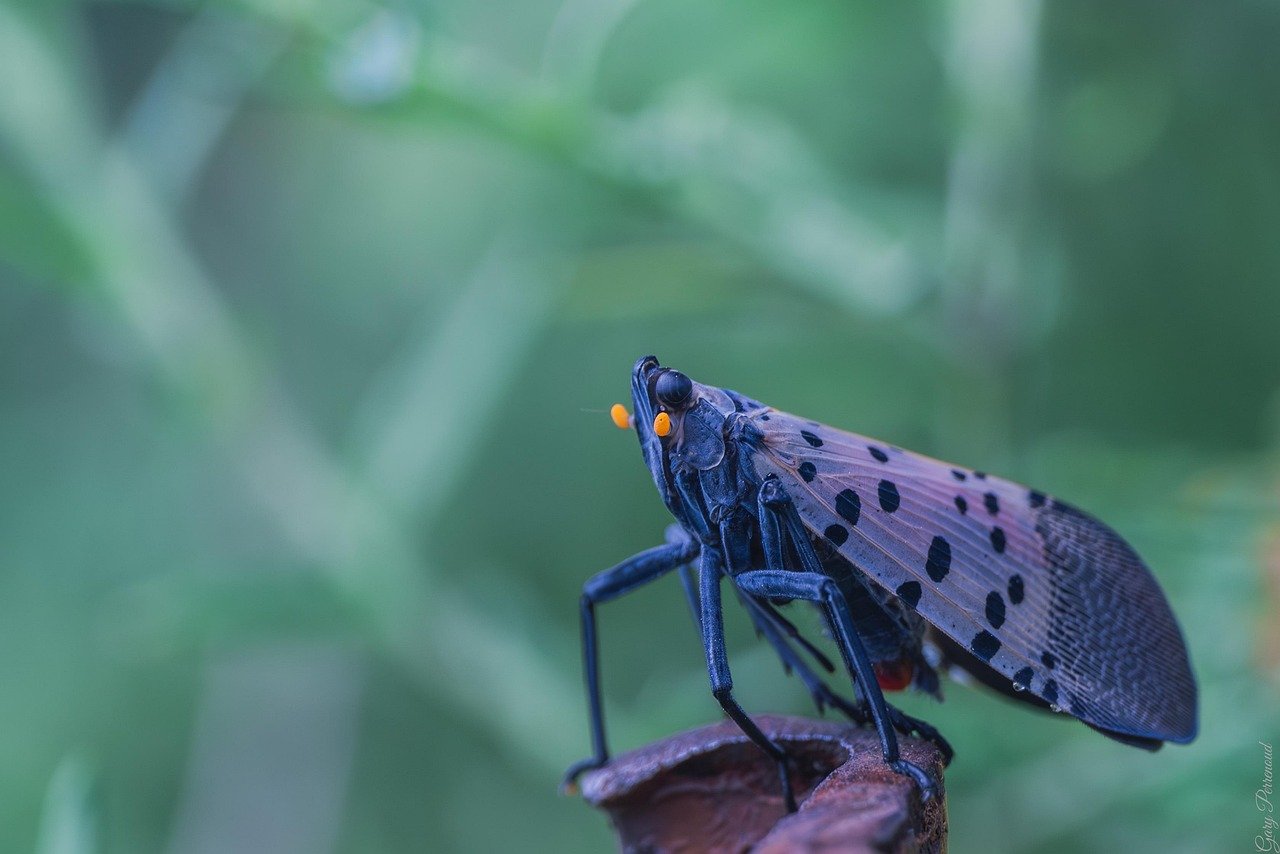
Even if you never find tree-of-heaven on your property, spotted lanternflies feed on more than 60 different plant species, and grapevines are currently the top concern for the damage they can cause — a single heavy infestation can seriously weaken or kill a mature vine over a couple of seasons. Apple, peach, plum, cherry, and apricot trees are also on the host list, along with plenty of ornamentals. The feeding itself creates a sticky honeydew residue on leaves and anything underneath the plant, which in turn promotes sooty mold that coats leaf surfaces and cuts down on photosynthesis — so the damage compounds even after the insects themselves have moved on. Casey DeLoe, branch manager of tree and lawn services at JP McHale Pest Management, cautioned that broad-spectrum pesticides should be used carefully and ideally avoided during peak lanternfly activity specifically “to protect pollinators,” adding that targeted treatment “won’t completely eradicate the issue” but will meaningfully “help reduce activity” on high-value plants. If you have grapevines or fruit trees you’re trying to protect through the fall, that’s a reasonable case for calling in a licensed pest control service rather than reaching for a broad spray yourself.
Report what you find
One habit worth building into your fall garden routine: report confirmed sightings, especially if you’re in a state where the insect’s range is still expanding. Most affected states run some version of an online reporting tool through their agricultural extension or department of agriculture — Connecticut residents, for example, can report through the Connecticut Agricultural Experiment Station’s system, and similar tools exist in Pennsylvania, New York, Ohio, Virginia, and elsewhere. A photo, a location, and a date are usually all that’s needed. It feels like a small, almost bureaucratic step compared to physically scraping an egg mass off your fence post, but the aggregated data from thousands of individual reports is exactly what lets entomologists track how fast the insect’s range is actually moving each year, and where to focus containment resources next.
What this means for your yard right now
None of this requires you to overhaul your fall garden routine. It just means adding one more thing to the mental checklist you’re probably already running through as you move wood, furniture, and equipment around the yard this month: stop, look at flat surfaces for a dried-mud-colored smear, and scrape anything you find into alcohol before you toss it. Do that consistently between now and the first hard frost, and you’ll meaningfully cut down on how many of these insects are waiting to emerge on your property come spring — which is a far easier fight to win in September than it will be next June, once the nymphs are already out and feeding.