As an Amazon Associate, I earn from qualifying purchases.
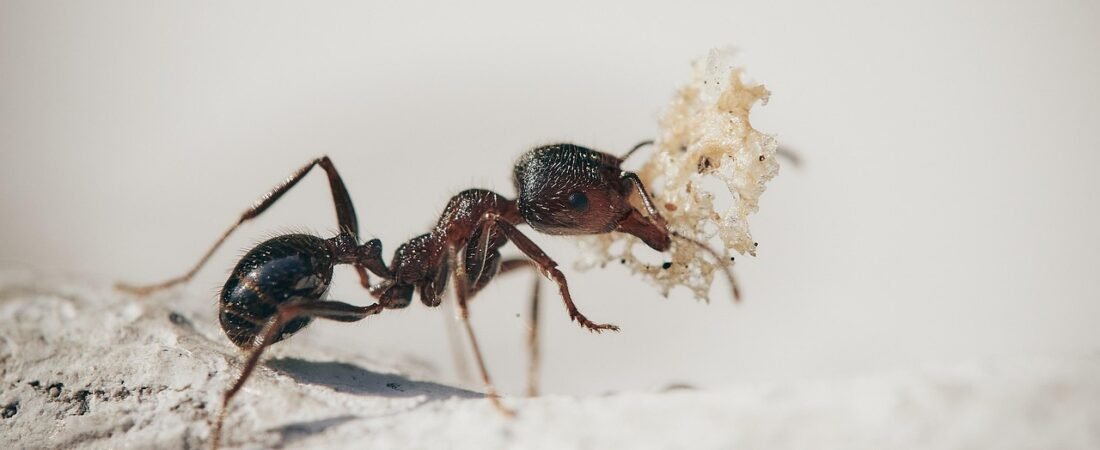
Last weekend I finally tackled the flower beds along the back fence, the ones I had been ignoring since August. I pulled on an old pair of cotton gloves, grabbed a bag of mulch I had picked up at the hardware store, and started turning over the top layer of the bed to pull weeds before topping it off for fall. Within a few minutes, something stung the inside of my wrist, a sharp, burning sensation that did not feel like the mosquito bites or hairline splinters I am used to. I brushed off a small, shiny black ant, barely a quarter inch long, and thought nothing of it until the pain kept pulsing back for the next hour.
A little research turned up the likely culprit: the Asian needle ant, an invasive species that has now been confirmed in 22 U.S. states and is especially active this time of year, right when most of us are elbow-deep in fall cleanup, raking leaves, and spreading fresh mulch. It turns out my mid-yard sting was not an isolated fluke. Entomologists have been warning about this ant for a couple of years now, and fall garden chores are exactly when people are most likely to cross paths with it.
What Exactly Is the Asian Needle Ant
The Asian needle ant, scientifically named Brachyponera chinensis, is native to Japan, Korea, and China and is believed to have arrived in the United States by ship sometime around or before the 1930s. For decades it stayed relatively under the radar, but it has expanded aggressively in recent years and is now considered abundant across the Southeast, with populations documented as far north as Massachusetts. It struggles in arid climates, so it is rarely seen west of Missouri, but within its range it is increasingly common in yards, gardens, and wooded lots.
Unlike fire ants, which build obvious mounded nests and swarm in visible pheromone trails, Asian needle ants are much harder to spot. They nest in damp wood, rotting logs, leaf litter, and mulch rather than in soil mounds, and instead of laying scent trails, worker ants physically carry nestmates to new food sources. James Vogt, an entomologist with the U.S. Forest Service, has described just how thoroughly they can colonize wooded areas: “In needle ant-infested areas, if you go out and pick up a piece of wood, the overwhelming possibility is it has Asian needle ants in it.”
Why the Sting Is Worth Taking Seriously
What sets this ant apart from the itchy-but-brief sting of a fire ant is both the sensation and the medical risk. Christopher Hayes, an entomologist at NC State University, has compared the feeling to having fiberglass under the skin, a sharp, lingering pain rather than a quick burn. It can also recur intermittently, sometimes flaring back up hours after the initial sting, which is exactly what happened to me that evening.
More concerning is the allergic reaction risk. Research on the species suggests roughly a 2 percent chance of anaphylaxis in its native range, notably higher than the 0.5 to 1.5 percent typically cited for fire ants. Dan Suiter, with the University of Georgia Cooperative Extension, put it bluntly when describing the risk of a single sting: this tiny little creature right here could have consequences. Anyone with a known history of insect-sting allergies should be especially cautious around suspected nests this fall, since there is no reliable way to know sensitivity until after a sting occurs.
How They End Up in Your Yard in the First Place
The most common route into home landscapes is mulch. These ants nest in old, decaying trees, and when that wood is chipped and bagged for sale, colonies can hitch a ride straight into residential flower beds. Once established, they spread quietly, workers carrying larvae and nestmates from bag to bed to the damp spot under a flowerpot, without the visible trails that make fire ant colonies easy to trace back to a single mound.
That is part of why fall is such a relevant moment for this story. Millions of gardeners are buying mulch right now to insulate perennial beds before the first hard freeze, and raking or turning over existing mulch and leaf litter as part of routine cleanup, activities that put bare hands directly into the ant’s preferred habitat.
What to Do During Fall Cleanup This Year
1. Inspect mulch before you bring it home
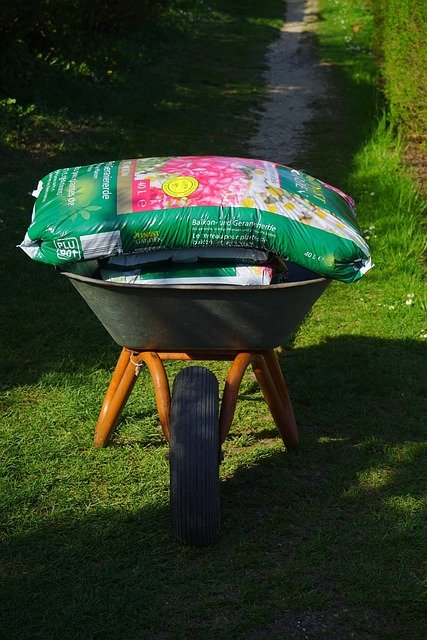
This is the single most effective prevention step available to home gardeners, and it costs nothing beyond a minute of attention. Christopher Hayes recommends checking mulch bags before loading them into your car: “If you go to a big box store and purchase mulch, my recommendation is that you inspect that mulch before you take it home.” Look for small, dark, shiny ants moving along the inside seams of the bag or on the surface of loose mulch piles, and ask to swap the bag if you spot them. Buying from a source with good turnover, and avoiding bags that have been sitting outdoors in a damp corner of the lot for weeks, also reduces risk.
2. Wear real gardening gloves, not cotton ones
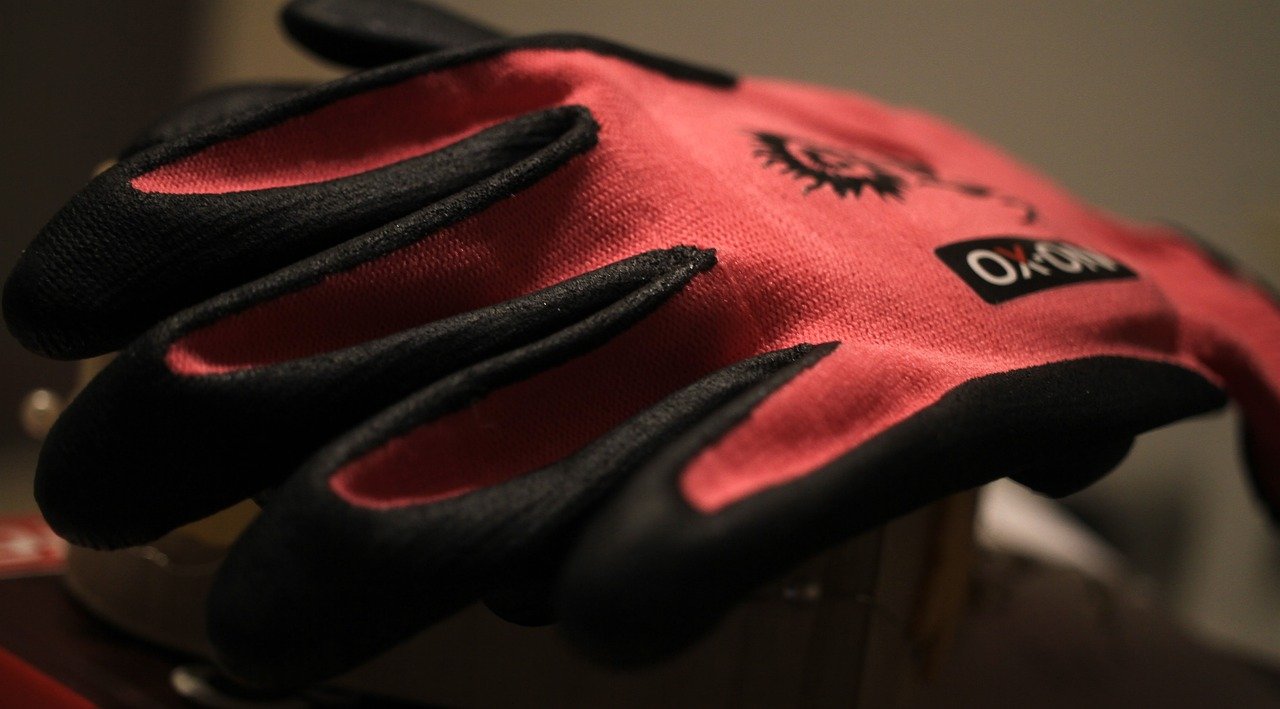
My thin cotton gloves did nothing to stop that sting, and it turns out that is fairly typical. These ants usually sting defensively, when they are crushed against skin inside a glove or sleeve rather than attacking outright, so a glove that lets you feel them before they are pinned against your hand matters more than one that just keeps dirt off your nails. A sturdier pair with reinforced, puncture-resistant palms gives you both a physical barrier and a bit more warning time to shake off an ant before it stings.
Shop puncture-resistant gardening gloves on Amazon
3. Turn mulch and leaf litter with a tool, not bare hands
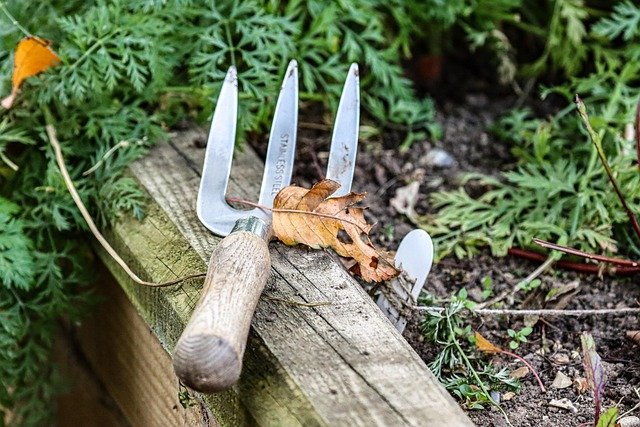
Because Asian needle ants prefer the moist zone just beneath the surface, digging in with bare fingers is exactly the wrong move during fall bed prep. A long-handled garden fork or hand cultivator lets you lift and check leaf litter and mulch before your skin ever gets close. Christopher Hayes recommends exactly this approach for beds that already have mulch down: go turn the mulch over, since they often nest just under the top layer where the moisture can be the highest. Turning it over first, from a distance, gives you a chance to spot activity before you start weeding or raking by hand.
Shop garden hand cultivators on Amazon
4. Keep a sting-relief kit within reach
Because the pain from this ant’s sting is often described as sharper and more persistent than a typical insect bite, and can flare back up hours later, it is worth having basic relief on hand before you head outside for a fall cleanup session. A small kit with an antihistamine, a topical sting and itch treatment, and an instant cold pack will not prevent a reaction, but it takes the edge off a painful sting immediately instead of leaving you searching the medicine cabinet with a throbbing wrist. Anyone with a known history of severe allergic reactions to insect stings should also keep their prescribed emergency medication accessible whenever working in mulch or leaf litter.
Shop insect sting relief kits on Amazon
5. Treat a confirmed infestation, do not just ignore it
If you turn over a bed and find an active colony, letting it be is not a neutral choice the way it might be with a harmless native ant. Hayes has warned that populations left alone tend to grow quickly rather than stay contained: if you do nothing, the population could explode and the problem could become even worse. Outdoor bait stations formulated for ground-nesting ants, placed near confirmed activity and away from pets and children, are a reasonable first step for a small, isolated colony. For anything more established, or for anyone uneasy about handling the ants directly, a licensed pest control professional experienced with invasive ant species is worth the call, since Asian needle ant colonies can be harder to eliminate than more familiar backyard pests.
Shop outdoor ant bait stakes on Amazon
A Reasonable Way to Handle Fall Cleanup This Year
None of this means fall mulching or bed cleanup should be skipped this year, and James Vogt, the Forest Service entomologist tracking the species, has said he generally leaves the ants alone outdoors and simply weighs the health risk before deciding whether to act. That is a reasonable baseline for most yards: a little more caution, not a change in plans. Check your mulch before you buy it, turn beds with a tool instead of bare hands, keep a sting kit nearby, and call a professional if you find an established colony rather than trying to clear it yourself. My own sting healed within a day, but it was enough to change how I approach a chore I used to do without thinking twice, and with this ant now confirmed across 22 states, it is worth a few extra minutes of care before you dig in this fall.