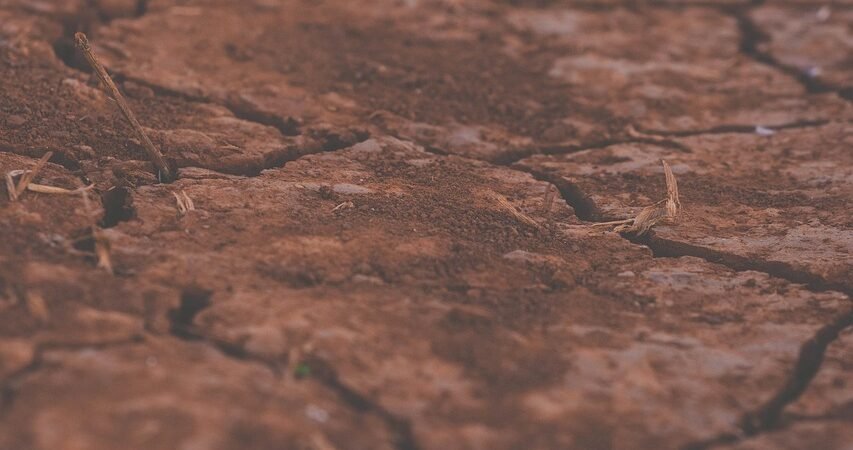
By the third week of September, the bed along my back fence looked like someone had dumped a sack of used coffee grounds across it — crumbly, dry, and strangely lifeless despite weeks of rain. I had planted hostas there in the spring, and half of them were yellowing at the edges for no reason I could point to. It was not until I pushed a trowel in and watched something thrash out of the soil like a severed cable that I understood what I was actually looking at was not ordinary garden trouble. It was jumping worms — an invasive species quietly working its way through backyards from Minnesota to the Carolinas this fall, and one I had never even heard of a year earlier. (Quick note, since a few of the tools below are ones I ended up buying to deal with mine: as an Amazon Associate, I earn from qualifying purchases, at no extra cost to you.)
What Jumping Worms Actually Are
Jumping worms (genus Amynthas, sometimes sold or nicknamed “Alabama jumpers,” “crazy worms,” or “snake worms”) are not the same as the common earthworm most gardeners grew up welcoming into compost bins. They have a smooth, milky-white band (the clitellum) close to the head, and when disturbed they do not curl calmly — they thrash, flip, and can even detach part of their tail to escape, moving more like a startled snake than a worm.
They arrived in the U.S. decades ago in nursery soil and fishing bait, but 2026 has brought a wave of new local reporting as they show up in states that had not documented them before. As Brent Crain, a horticulture educator with Michigan State University Extension, put it plainly: “No one knew that they were a threat. No one understood that they were invasive.”
Why September Is When You Notice Them
Jumping worms are annuals. Adults die with the first hard frost, but not before laying dozens of microscopic cocoons in the top few inches of soil — which is exactly why late summer and early fall is when populations peak and damage becomes obvious, and also the best window to act before the ground freezes. Brad Herrick, who directs the Lakeshore Nature Preserve at the University of Wisconsin-Madison and has studied the species for years, says the soil itself is usually the first clue: “The first indication of jumping worms is this change in what the soil looks like.”
The Test That Actually Confirms an Infestation
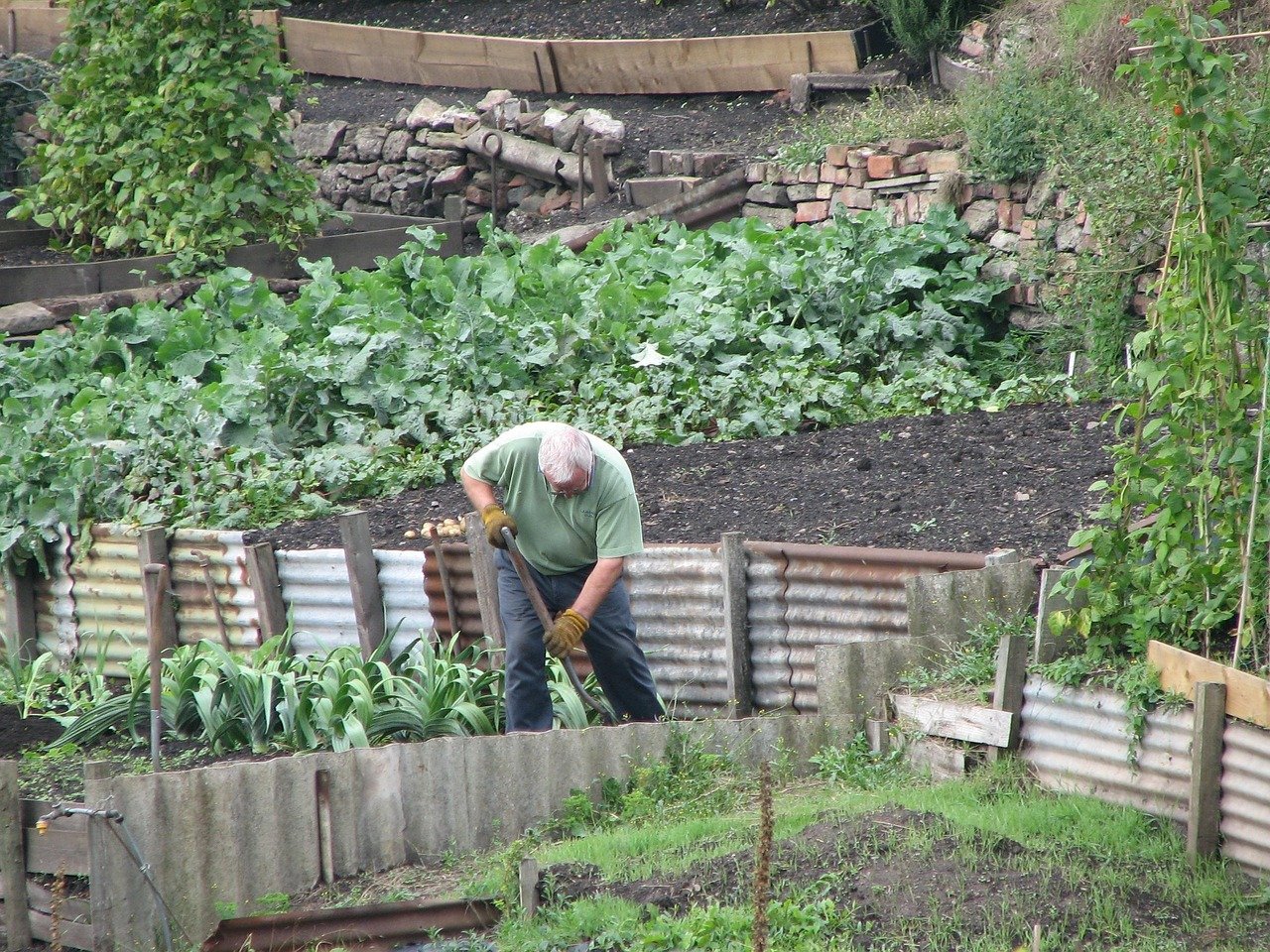
You do not have to guess. The standard method extension offices recommend is a mustard pour test: mix about a third of a cup of ground yellow mustard seed into a gallon of water and pour it slowly over a square foot of soil. The mustard irritates worms without killing them, and any jumping worms present will surface within a few minutes, thrashing distinctly enough that you will not confuse them with earthworms.
Doing this properly means using enough mustard powder to actually irritate the soil, and honestly the ground mustard seed sold in small spice jars at the grocery store runs out fast if you are testing more than one bed. A bulk bag makes it realistic to test the whole yard in one afternoon instead of rationing it, and it keeps for seasons if you store it dry. Shop ground mustard seed powder on Amazon.
What They Do to Your Garden
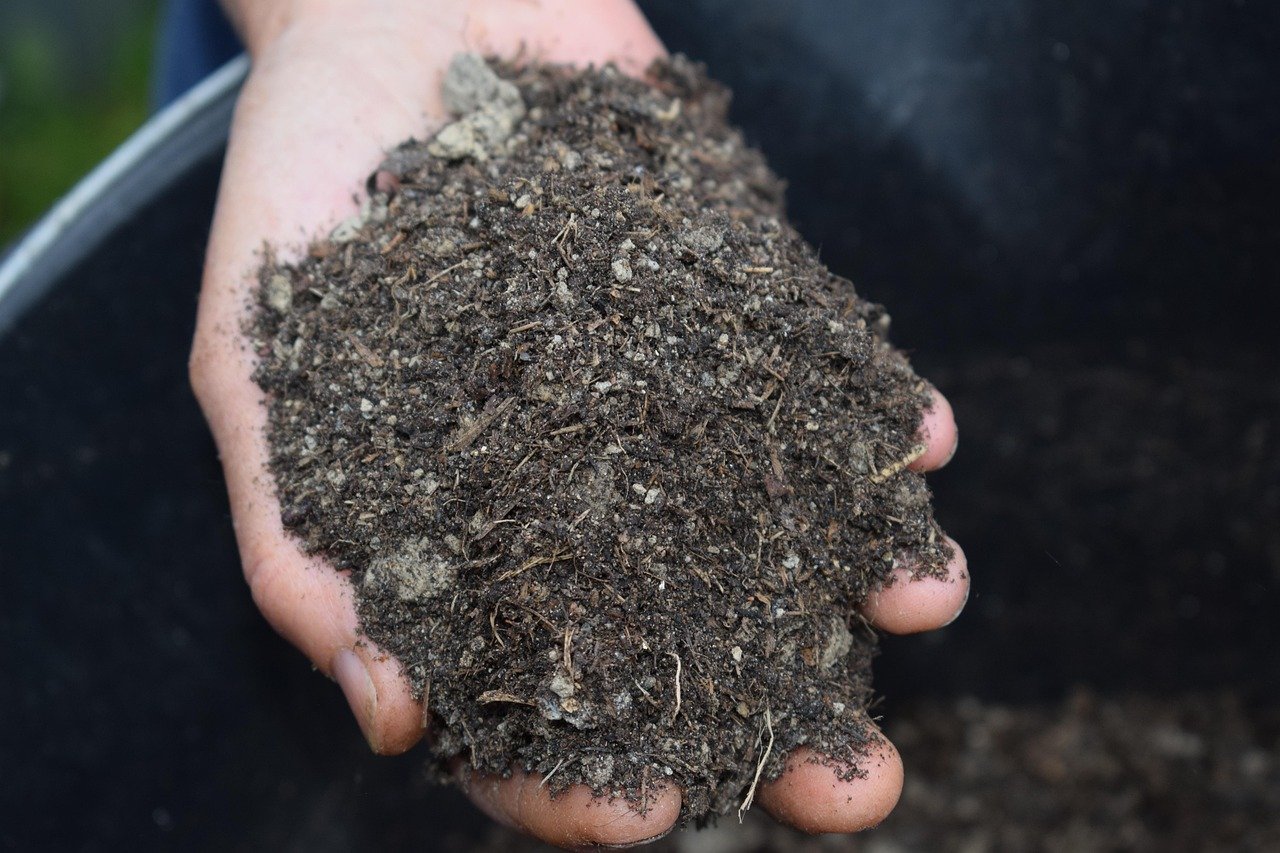
Regular earthworms mix and aerate soil in ways gardeners generally welcome. Jumping worms do the opposite. They feed voraciously in the top layer, stripping out organic matter and leaf litter far faster than native decomposers, and leave behind soil that looks like dry coffee grounds — loose, granular, and prone to washing or blowing away. Ulric Chung, a master gardener with Michigan State University Extension, described the texture this way: “It’s very crumbly, but it’s not like regular garden soil, which kind of sticks together.”
That structural change matters most for shallow-rooted plants. Herrick notes that “species that are annual, that have shallow roots, those are the ones that we expect to probably suffer,” which tracks with what I saw in my own hostas. Lawns, seedlings, and newly divided perennials are especially vulnerable, and in wooded areas researchers have documented jumping worms wiping out the leaf litter that native ferns, salamanders, and ground-nesting birds depend on.
Stopping the Spread Before Winter
There is no product that eliminates jumping worms from an infested yard entirely — the cocoons are too small and too widespread for that. What actually works is containment: keeping worms and their cocoons from hitching a ride to a new bed, a neighbor’s yard, or a friend’s planting swap.
Solarizing a bed is one of the few treatments with real research behind it. Covering damp soil with clear plastic so it traps heat can push the top few inches above 104°F for several days, which kills cocoons before they overwinter. It only works if you can actually confirm the temperature you are hitting, since guessing leaves you unsure whether you treated the soil or just baked the surface. A simple soil probe thermometer takes that guesswork out and works for plenty of other jobs too, like checking if compost is hot enough or if it is safe to direct-sow in spring. Shop soil thermometers on Amazon.
The other real risk is moving cocoons around on tools, tires, and potted plant roots without realizing it. Crain was direct about how fast that happens: “A single worm will begin producing cocoons, producing these eggs, and they can spread very rapidly.” Mary Spies of the St. Louis Native Plants Society, who has dealt with jumping worms in plant-sale donations, put the fix simply: “You have to wash the roots off and get rid of all of the dirt.” A stiff bristle brush kept by the shed door makes that a 30-second habit after digging in an infested bed instead of a task people skip. Shop garden tool cleaning brushes on Amazon.
What Not to Do
Do not buy worms labeled as fishing bait, vermicompost starter, or soil amendment without checking the species — jumping worms are still sold under names like “Alabama jumpers” in some bait shops. Do not add adult worms or worm-castings-looking soil to a compost pile that will later be spread elsewhere unless it has been heated through a full hot-composting cycle. And do not assume a bag of mulch or a gifted perennial from a plant swap is automatically safe; ask where the soil came from, or rinse the roots before planting, the same way Spies recommends for donated plants.
Ulric Chung, who has been managing an infestation in his own Michigan garden for several seasons, offered maybe the most honest long-term outlook of anyone I read while researching this: “I’m kind of becoming more resigned to the fact that we’re gonna have to live with them.” That is not defeatist so much as realistic — jumping worms are not going away, but a yard that gets tested, solarized where it matters, and kept clean of hitchhiking cocoons stays in far better shape than one nobody checked at all.
My Yard, Six Weeks Later
I ended up solarizing about a third of that back bed — the section closest to where the mustard test turned up the most worms — and left the rest alone to compare. It is not a scientific trial, but the solarized patch already looks less powdery than it did in September, and I moved my hostas to a raised bed with fresh, bagged soil rather than fighting for their roots in place. If your soil suddenly looks like it lost its structure this fall and nothing you are doing explains it, do the mustard test before you blame drought, drainage, or your own watering schedule. Jumping worms are quiet until they are not, and by the time the coffee-ground texture is obvious, they have usually been there for at least one full season already.