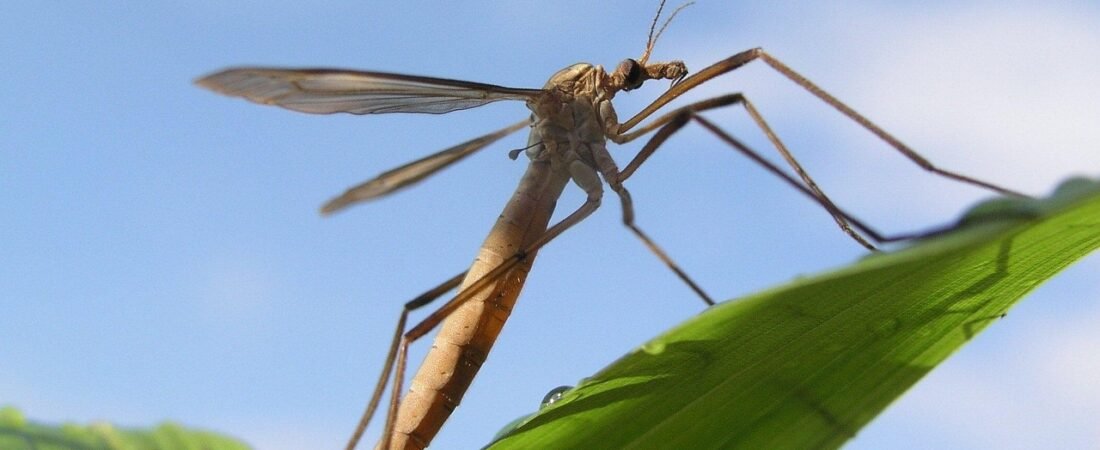
Around dusk this week, I noticed a cloud of what I first assumed were oversized mosquitoes wobbling drunkenly around my porch light. They weren’t mosquitoes — they were crane flies, those harmless, long-legged bugs everyone calls “daddy longlegs” or “skeeter eaters.” Harmless to me, maybe, but I’d just read that every one of those females can lay up to 300 eggs directly into damp lawn soil before she dies, and those eggs are what turn into the actual problem: grub-like larvae called leatherjackets that spend the next several months quietly chewing through grass roots underground. I went down a rabbit hole trying to figure out whether my own yard was about to become a leatherjacket nursery, and what I found is genuinely worth passing along right now, while there’s still time to do something about it. A couple of the products below are things I’d actually buy from Amazon to deal with this, so a quick disclosure: as an Amazon Associate, Every Corner earns from qualifying purchases made through the Amazon links below, at no extra cost to you, and I only linked to the two tools that kept coming up in university extension guidance.
What’s Actually Happening: Leatherjackets Are Hatching Right Now
This isn’t a vague seasonal worry — it’s a specific, dated biological event happening in lawns across the country this month. According to Oregon State University Extension, adult European crane flies lay their eggs “in mid-September” in areas with high soil moisture, and “the winter generation of European crane fly hatch in early October,” meaning the larvae doing the damage right now started as eggs laid in the last few weeks. Once hatched, those larvae — called leatherjackets for their tough, leathery-looking skin — live underground for roughly 11 months, feeding on grass shoots, crowns, and roots the entire time.
The timing explains why this is suddenly a hot topic among lawn-care writers and homeowners: it’s a narrow window where prevention actually works, and it closes fast. Jonathan Davis, a grass expert at UK lawn-care company Lawnsmith, told Tom’s Guide this month that “although small, these grubs can be a nightmare for your lawn. An infestation can undo all the hard work you’ve put in and leave you with nothing.” He specifically flagged September as the critical month because it’s peak egg-laying season, with eggs hatching as soon as cold, wet weather arrives — which, depending on where you live, could be any week now.
Where This Is Actually Showing Up in the U.S.
Leatherjackets aren’t a coast-to-coast problem the way, say, grubs or chinch bugs are. According to NC State Extension, crane flies are “generally more of an issue in the northeast, particularly in cool-season grasses,” and control measures are rarely even needed in a state like North Carolina. So if you’re growing warm-season turf in the Deep South or Southwest, this one probably isn’t your fight. But if you’re in the Pacific Northwest, the upper Midwest, New England, or anywhere else with cool, moist falls and cool-season grasses like Kentucky bluegrass, perennial ryegrass, or fine fescue, this is exactly the kind of pest that can quietly wreck a lawn between now and April without you noticing until it’s too late. Oregon State’s extension office treats European crane fly as one of the more consequential turf pests in its region for precisely that reason.
How to Tell If Your Lawn Actually Has Them
The frustrating thing about leatherjackets is that the damage you’d notice — thinning turf, brown patches, bare soil — doesn’t show up until months after the eggs hatch. NC State Extension notes that damage is “most visible in late fall and spring when overwintered larvae resume feeding,” and OSU Extension is blunter about it: visible symptoms progress from thinning grass in February to complete turf loss by April and May in bad cases. By then, the larvae have already done their damage and are about to pupate into next year’s crane flies.
So the smarter move is checking now, before symptoms appear. Extension guidance recommends scouting from November through January, when larvae are large enough to find but haven’t finished feeding. The classic method is a soap flush: mix a couple tablespoons of dish soap into a gallon of water, pour it over a suspect patch of lawn, and watch for the larvae to wriggle to the surface within a few minutes. If you see more than a handful per square foot in a damp, shaded, low-lying section of yard, you likely have an active population worth treating.
What to Do to Your Lawn This Month
Both OSU and NC State agree on the same starting point: healthy, well-drained turf is far less hospitable to egg-laying females than wet, compacted lawn. OSU Extension specifically recommends reducing irrigation around Labor Day to discourage crane flies from choosing your yard to lay eggs in the first place, since females are drawn to visibly moist soil. If you’re reading this in mid-to-late September, that window has mostly passed for this year, but improving drainage now still matters for reducing how hospitable the ground is to the larvae already there.
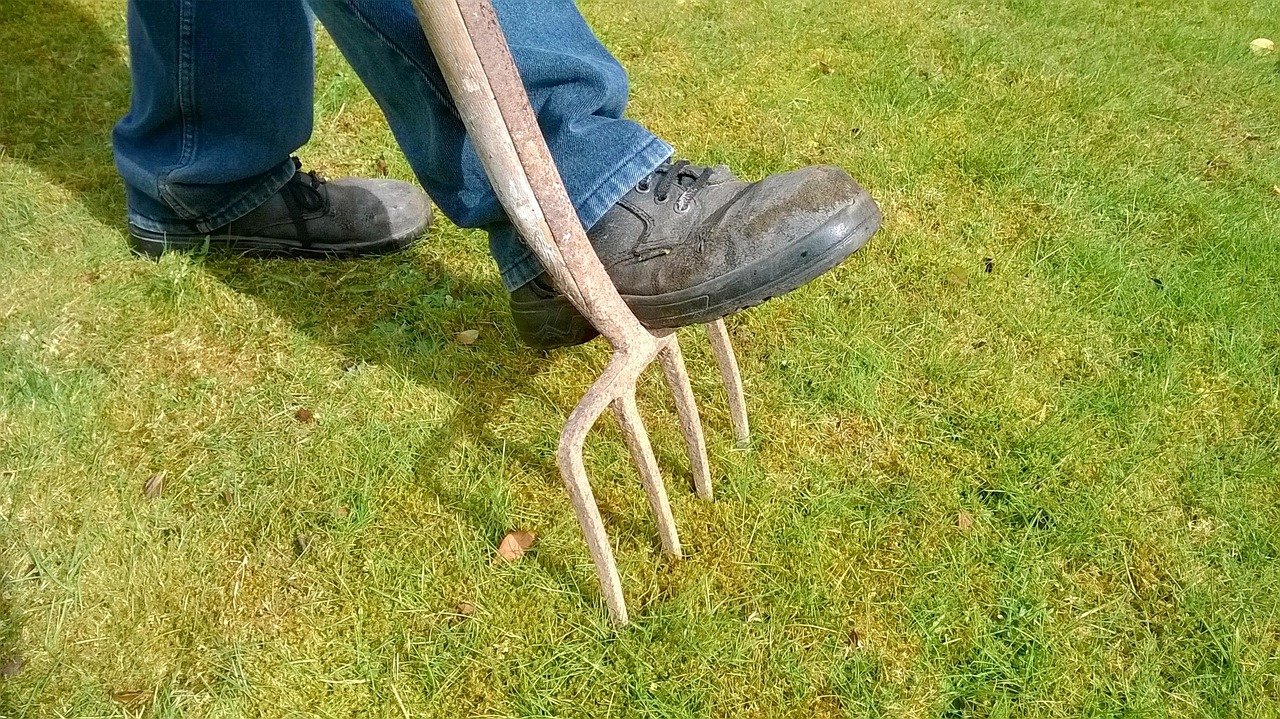
This is where aeration earns its keep. Compacted soil holds more surface moisture and gives leatherjackets a cozier place to overwinter, so breaking it up mechanically improves drainage and lets grass roots recover faster from any feeding damage that does happen. It’s also just good fall lawn maintenance regardless of pests. A basic core aerator or aerating tool is worth having on hand before the ground gets any colder and harder to work.
Shop manual lawn aerators on Amazon
Should You Treat With Nematodes, or Just Wait?

This is where the advice actually splits a bit, and it’s worth understanding why before you spend money on a treatment. OSU Extension recommends applying insecticide “in the winter months, before you see damage,” because by the time spring symptoms appear, “spring applications will not prevent damage” — the destruction has already happened underground. NC State Extension, meanwhile, points to a more targeted biological option: the beneficial nematode Steinernema feltiae, which can provide “up to 50% reduction when properly applied” against crane fly larvae, and notes that chemical control is “rarely necessary in most areas” outside the hardest-hit regions.
Beneficial nematodes are microscopic worms that seek out and infect soil-dwelling larvae with a bacteria that kills them, and they’re a reasonable middle option if you’d rather not reach for a synthetic insecticide on a lawn your kids or pets use. They need to go down while soil is still workable and reasonably warm, so fall — not the dead of winter — is actually the better application window than OSU’s winter insecticide timing, which matters if you’re trying to avoid chemical treatments altogether. A 50% reduction won’t eliminate an infestation outright, but paired with better drainage and healthy mowing habits, it’s often enough to keep a lawn from tipping into the kind of bare, dead patches that take a full growing season to recover from.
Shop beneficial nematodes for lawn grubs on Amazon
Preventing a Repeat Next Fall
Because leatherjackets favor exactly the same conditions year after year — damp, shaded, compacted, low-lying turf — the long-term fix is the boring one: keep mowing at the right height, keep thatch under control, and keep water moving off your lawn instead of sitting on it. NC State’s guidance specifically calls out removing excess thatch, since it gives larvae a cozy layer to hide and feed in close to the surface, and both extensions point to proper fertilization as a way to help grass simply outgrow whatever feeding damage does occur. If you’ve got a chronically soggy low spot in the yard where water pools after rain, that’s the exact microhabitat this pest is hunting for every September — regrading or adding a French drain there will do more for next year’s lawn than any single treatment will do for this year’s.
The Bottom Line for This September
If you live somewhere with cool-season grass and a damp fall, the crane flies buzzing around your porch light right now aren’t just a nuisance — they’re laying the eggs that become next spring’s bare patches, and the next few weeks are genuinely the best window you’ll get to do something about it. Run a soap flush test on a suspicious patch of lawn, ease off on watering low spots, get the soil aerated before it hardens for winter, and decide now whether you want to go the nematode route or wait for a winter insecticide application. Skip all of it, and you likely won’t notice a thing is wrong until your lawn is thinning out in February with no obvious cause.