As an Amazon Associate, I earn from qualifying purchases.
My neighbor spent three weekends this August re-sodding a patch of lawn that the summer heat had scorched to straw. I spent mine walking barefoot across a strip of clover I planted two years ago, which stayed soft and green through the same drought without a single pass of the sprinkler. That contrast is exactly why so many homeowners are rethinking the classic grass lawn heading into fall 2026. It is not about letting the yard go wild or giving up on curb appeal. It is about choosing ground covers that do the job grass used to do, minus the mowing, the fertilizer, and the water bill. Here is what is actually replacing turf this year, and why landscapers say it is sticking around.
Why Traditional Lawns Are Losing Ground
The classic monoculture lawn has quietly become one of the highest-maintenance features in the average yard, and more homeowners are noticing. “The anti-lawn trend is a movement that encourages homeowners to replace traditional grass lawns with more sustainable and low-maintenance landscaping options,” says Max Thomas, a professional landscaper. “It aims to reduce water usage, minimize chemical inputs, and create a space that requires less upkeep while still being beautiful and enjoyable.”
Part of the problem is how little a standard lawn actually offers beyond looking tidy. Nick Woodhouse, creative director at design studio Woodhouse & Law, points out that “most lawn mixes tend to have no more than a small handful of different grass varieties within them, offering very little variety to sustain wildlife, pollinators or soil-enriching organisms.” A single-species lawn is essentially green pavement to most pollinators.
Kevin Lenhart, design director and licensed landscape architect at Yardzen, sees this shift reflected directly in client requests. “The traditional lawn is being replaced by more dynamic, resilient ground cover plants,” he says. “Clover blends, native grasses, and groundcovers are taking their place.” That shift shows up in nurseries too, where clover and native seed mixes are increasingly stocked alongside standard turf seed rather than tucked away as a niche item.
The Lawn Alternatives Homeowners Are Actually Planting
None of these swaps require ripping out an entire yard in one weekend. Most landscapers recommend converting one section at a time, which makes the switch far less intimidating and far cheaper.
1. White Clover and Microclover
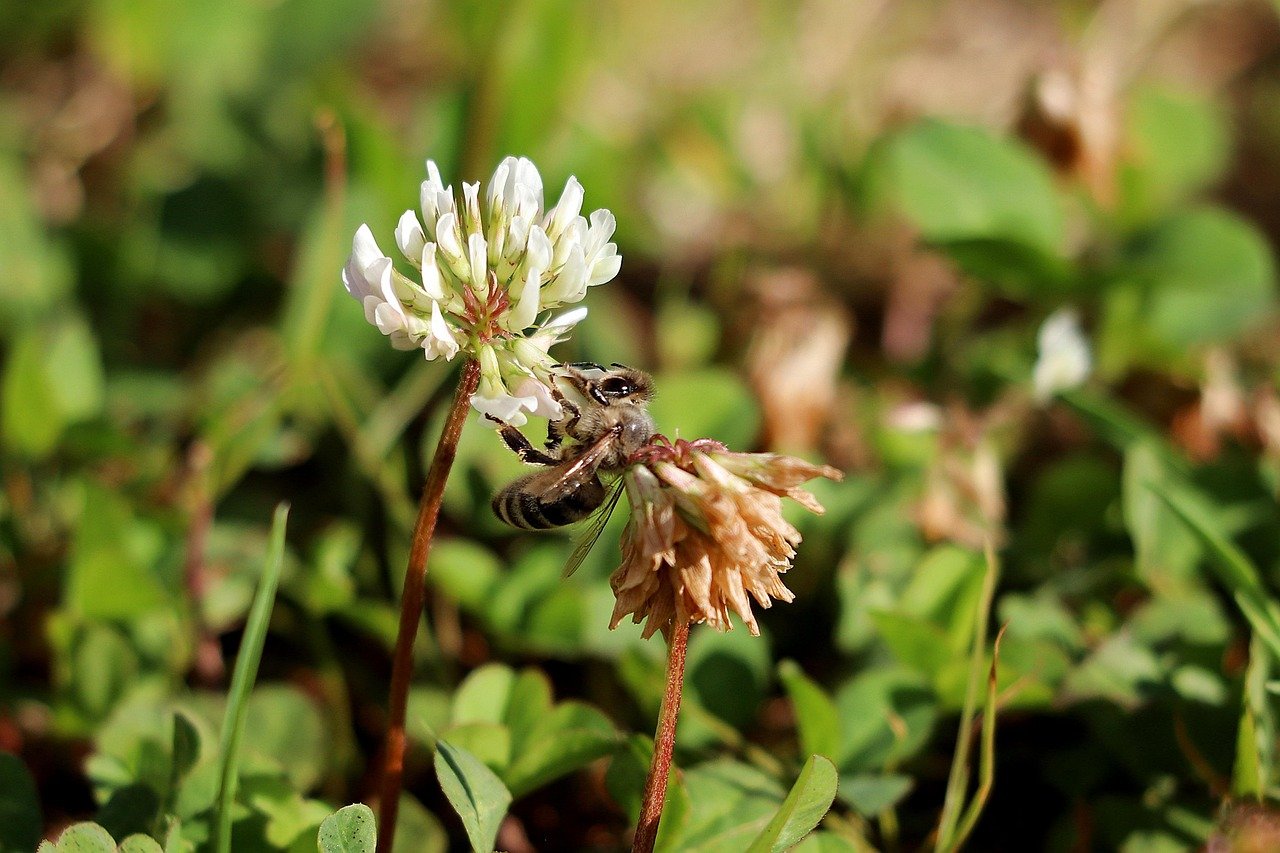
Clover is the alternative getting the most attention this year, and for good reason. “A clover lawn is a type of grass-alternative lawn made of clover plants,” explains Jeremy Yamaguchi, CEO of Lawn Love. He notes it also improves the soil underneath it: clover lawns “can also provide natural nitrogen fixation, adding nutrients back into the soil which helps other garden plants grow healthily.” Diana Cox, a gardening expert at The Gardening Talk, adds that clover’s root system does the heavy lifting during dry spells: “Clover has a deep root system that allows it to retain moisture and survive through periods of drought.” Because it grows low, upkeep drops sharply too. “Instead of mowing, you can simply rake the lawn to keep it tidy,” Cox says. Hannah Bryce, founder of Minnow and Wolf Flowers, adds that the payoff extends beyond the yard itself: “White clover especially, is an essential pollen and nectar source for honey bees.” For planting, Bryce recommends a simple approach: “Mix your clover seed with soil or fine sand and spread over your desired area.” A wide-coverage seed option like white clover lawn seed is enough to overseed an existing lawn or start a new patch from bare soil.
2. Creeping Thyme
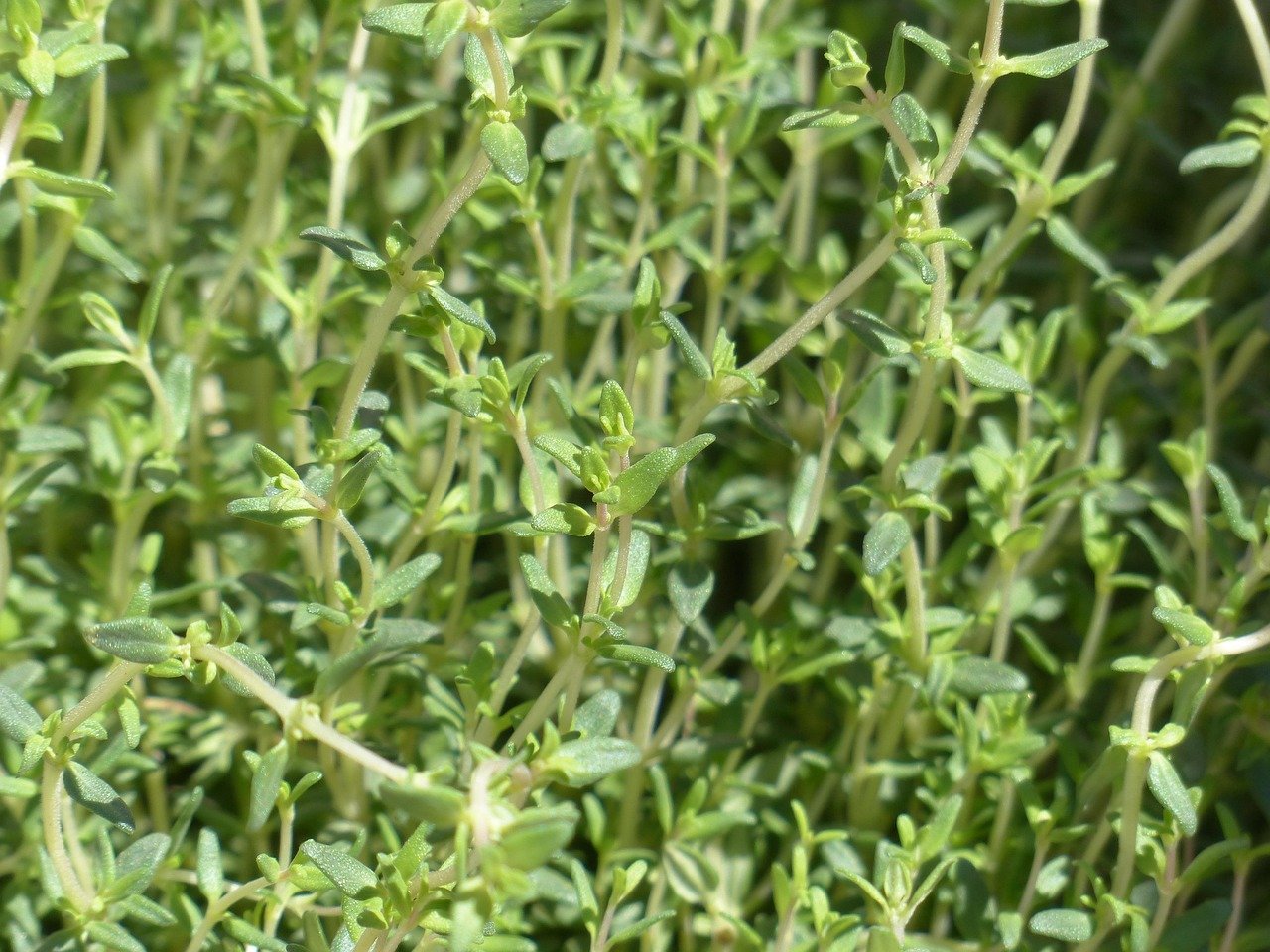
For a drier, sunnier spot where clover struggles, creeping thyme is the go-to substitute among the designers pushing the “living rug” look this year. It forms a dense, evergreen mat that releases a light herbal scent when walked on, and it tolerates foot traffic far better than most ground covers its size. It also needs almost no irrigation once established, which is why it keeps showing up in xeriscaped front yards and between stepping stones. A tray of creeping thyme plug plants covers a surprising amount of ground within a single growing season.
3. Chamomile
Chamomile lawns have a soft, springy texture underfoot and stay green through drought stretches that would brown out standard turf. It is slower to establish than clover, so it works best in smaller, lower-traffic areas like a side yard or a path border rather than a full backyard replacement. The upside is a lawn that also smells faintly of apples when it is disturbed, which is not something a bag of fescue seed can offer. Chamomile lawn seed blends are widely available for anyone testing the look on a small patch first.
4. Native Wildflower Mixes
Robin Trott, an extension educator with the University of Minnesota, frames this option as a way to turn a yard into working habitat rather than just decoration. “Adding features like water sources, brush piles, and layered plantings turns your yard into a vibrant ecosystem,” she says. “Even small changes, like swapping a patch of turf for native flowers, can make a big difference.” A wildflower strip along a fence line or side yard requires almost no mowing after the first year and draws in pollinators that a grass lawn never will. A regionally suited native wildflower seed mix is the easiest starting point, since it is pre-blended for a full season of staggered blooms.
5. Native Grasses and Sedges
For homeowners who still want the look of a lawn but not the upkeep, low-growing native grasses and sedges are the middle ground Lenhart pointed to. Species like buffalo grass or certain native sedges form a soft, walkable surface but grow slowly enough that mowing drops to a few times a season instead of weekly. They also root deeper than standard turf grass, which means better drought resilience without extra watering once they are established.
6. Rock Gardens and Dry Creek Beds
Not every alternative involves planting something new. In yards with poor drainage or heavy shade where nothing green thrives easily, a rock garden or a dry creek bed handles runoff and eliminates mowing entirely. Paired with drought-tolerant plantings along the edges, this approach turns a problem area of the yard into a deliberate design feature instead of a bare or muddy patch.
Start Small: You Don’t Have to Replace the Whole Yard
Every expert quoted here points to the same practical advice: this does not need to be an all-or-nothing renovation. Overseeding a corner of the lawn with clover, swapping one dry strip for creeping thyme, or turning a fence line into a wildflower border are all ways to test the look before committing the whole yard. As Trott puts it, even a small swap “can make a big difference,” both for water bills and for the pollinators that depend on what grows in home landscapes.
The Bottom Line
The shrinking-lawn trend taking hold in 2026 is not about abandoning a tidy, green yard. It is about picking ground covers that hold up to heat, drought, and foot traffic with far less input than grass demands. Whether that means a full clover lawn, a thyme-lined path, or a wildflower corner, the yards adapting fastest right now are the ones swapping a single-species lawn for something with more texture, more resilience, and more reasons for bees to stop by.