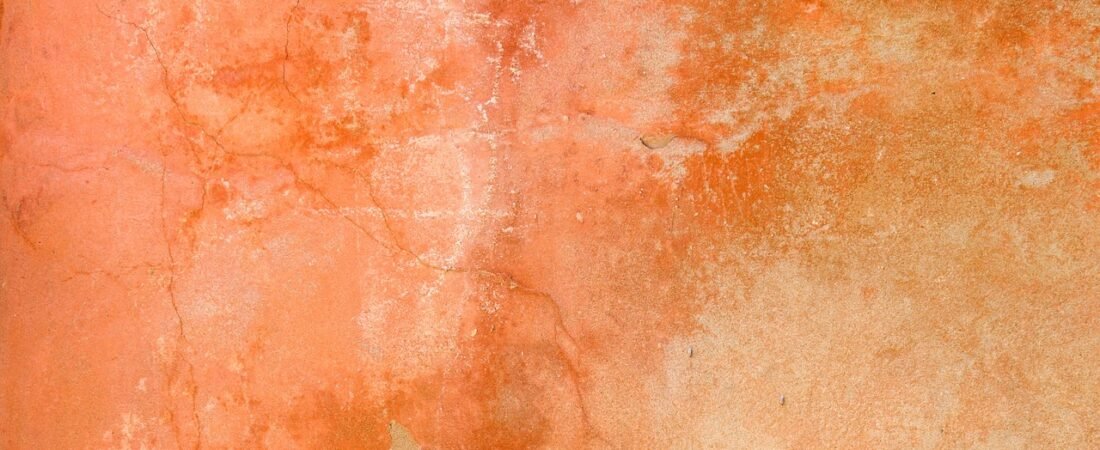
I repainted my living room wall three times last spring before I admitted the problem wasn’t the color — it was the paint itself. Every shade, from greige to sage, went up flat and stayed flat, and no amount of styling made the room feel finished. Then I saw a friend’s newly renovated bathroom: a soft, cloudy plaster in warm white that seemed to shift from matte to faintly luminous depending on where you stood. It wasn’t paint at all. It was limewash, and it was the first wall finish in years that actually made me stop and touch it. That reaction is exactly what’s driving one of 2026’s biggest shifts in home design: walls are no longer just a backdrop for furniture. Limewash, tadelakt, terracotta tones and raw plaster are pulling texture back into rooms that spent the last decade going flatter, whiter and more uniform. Here’s what’s actually behind the trend, and how to bring it into your own home.
Why Flat Walls Are Losing Their Grip
For most of the last fifteen years, a fresh coat of flat or eggshell paint was the default answer to “how do I update this room.” It’s fast, it’s cheap, and it’s forgiving. But that same predictability is exactly what’s pushing homeowners toward something with more depth. Lauren Saab, founder of Saab Studios, put it plainly in a recent interview: flat paint feels too predictable for 2026, and she says people want walls that look alive, with depth, movement, and a handmade feel. That’s the throughline across every finish in this trend — limewash, plaster, clay — they all move and catch light differently depending on the hour, the season, even the weather outside. A flat wall looks the same at 8 a.m. and 8 p.m. A textured one doesn’t, and that small bit of unpredictability is exactly what people are chasing after years of matching everything to a swatch.
Limewash Paint Is Having a Real Moment
Limewash is a centuries-old technique made from crushed limestone, water and natural pigment, and it’s become the entry point for most homeowners trying textured walls for the first time. Unlike regular paint, it doesn’t sit on top of the wall in a single uniform layer — it’s absorbed into the surface, which is why it develops soft clouding, faint brushstrokes and subtle variation from one patch of wall to the next. No two walls ever look identical, even with the same can of product. Interior designer Lily Flatley used it in a primary bedroom specifically because of that effect, describing how it can create an all-encompassing sense of quiet movement on every wall as the light changes through the day. It reads as intentional imperfection rather than a mistake, which is a big part of the appeal after so many years of designers chasing a perfectly smooth, factory-flat finish.
Limewash also works with a wider color range than most people expect. Interior designer Kelley Kolettis has described the current mood in wall finishes as being about layering old-world character into modern spaces, and limewash does exactly that whether it’s applied in a warm white, a dusty terracotta, or a deep charcoal. Darker, moodier limewash tones in particular have been showing up in dining rooms and primary bedrooms, where the slight variation reads more like aged plaster than paint.
Tadelakt: The Moroccan Plaster Everyone’s Talking About
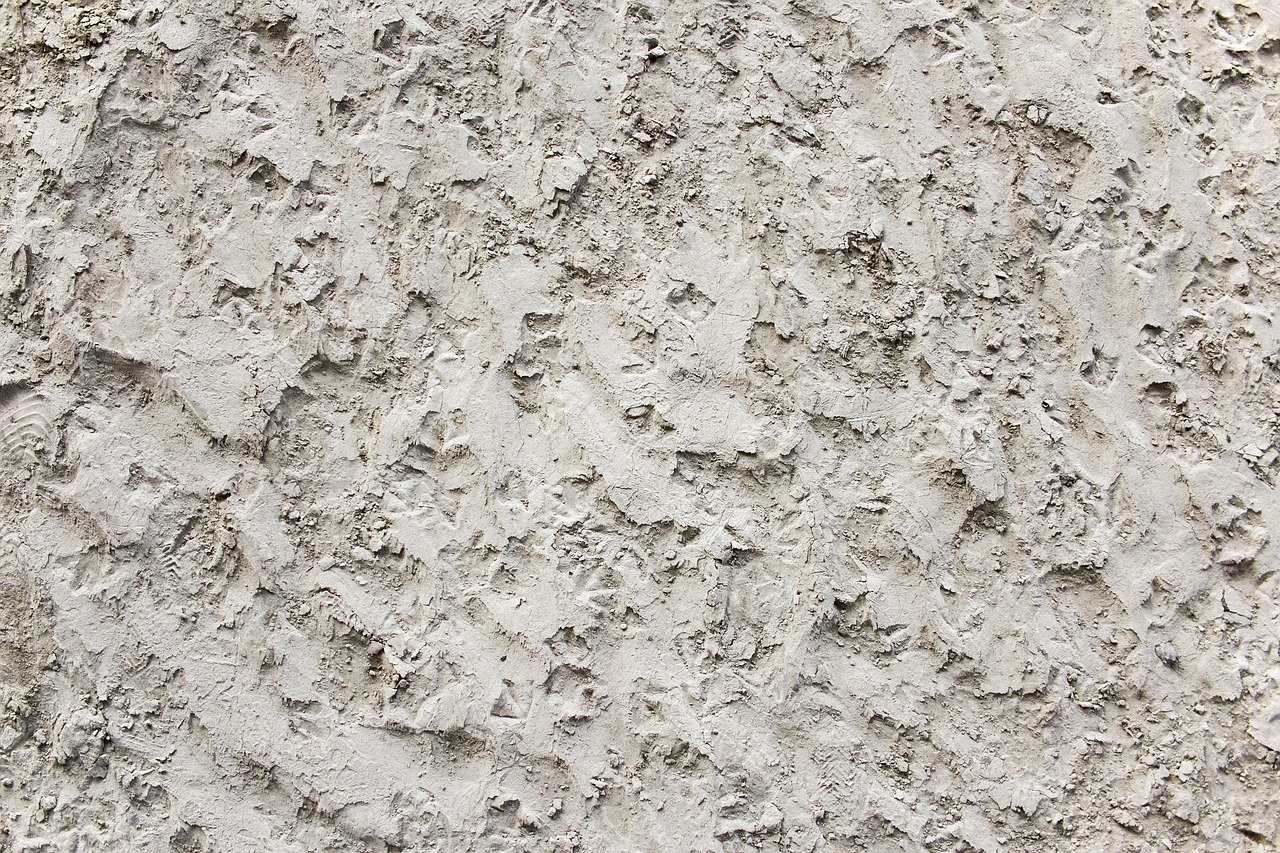
If limewash is the gateway finish, tadelakt is where the trend gets serious. It’s a traditional Moroccan lime plaster, historically used to waterproof hammams and riads, that’s applied by hand and then burnished with a smooth stone and sealed with black soap, which leaves behind a soft, almost wax-like sheen. Because it’s naturally waterproof, tadelakt has become especially popular in bathrooms and showers as an alternative to tile, since it wraps a whole room in one continuous surface with no grout lines to scrub.
Amy Morgenstern, co-founder of Kamp Studios, describes the appeal beyond its practicality: the real charm of tadelakt, she says, lies in its tactile sensation — a silky, earthen, waxy feel that transforms ordinary surfaces into extraordinary sensory experiences. Bill Caleo, co-founder of The Brooklyn Home Company, has pointed to the same seamlessness that makes tadelakt stand out from more traditional materials: a white tadelakt finish creates a clean, bright, monolithic look, he says, and it’s hard to get that same effect with tile or slabs of marble because of grout lines and seams. That monolithic, poured-from-one-material look is exactly why the finish has moved beyond spa-style bathrooms into kitchen backsplashes, shower niches and even full accent walls in living spaces.
Because it’s labor-intensive and genuinely difficult to apply well, real tadelakt is usually a job for a trained plasterer rather than a weekend project, which has also made it something of a status finish — a sign that a renovation invested in craft rather than just a product from a big-box store.
Terracotta Tones Are Warming Up Walls
Alongside the textured finishes themselves, terracotta and other warm clay tones have become the color story of the moment, often applied through the same limewash and plaster techniques described above. Brynne Flowers, founder of John Martine Studio, says she loves terracotta as a whole, calling it a color with so much history behind it, tied to centuries-old pottery and tile floors. Designers Paulo Valcic and Stefan Relic of Rôck&Villa have chosen the color specifically because it adds depth and character without feeling overly bold or trend-driven, which is part of why it’s shown up everywhere from kitchen cabinetry to full plaster walls this year.
Designer Zoë Feldman notes that terracotta has an earthy quality but can also read as quite bold and saturated, so pairing it with natural materials keeps it grounded — which is exactly what happens when the color is applied as a textured limewash or clay-based plaster instead of a flat paint. The texture softens the saturation, so a wall that might feel intense in glossy paint instead reads as warm and lived-in.
Venetian Plaster and the Raw, Exposed-Wall Look
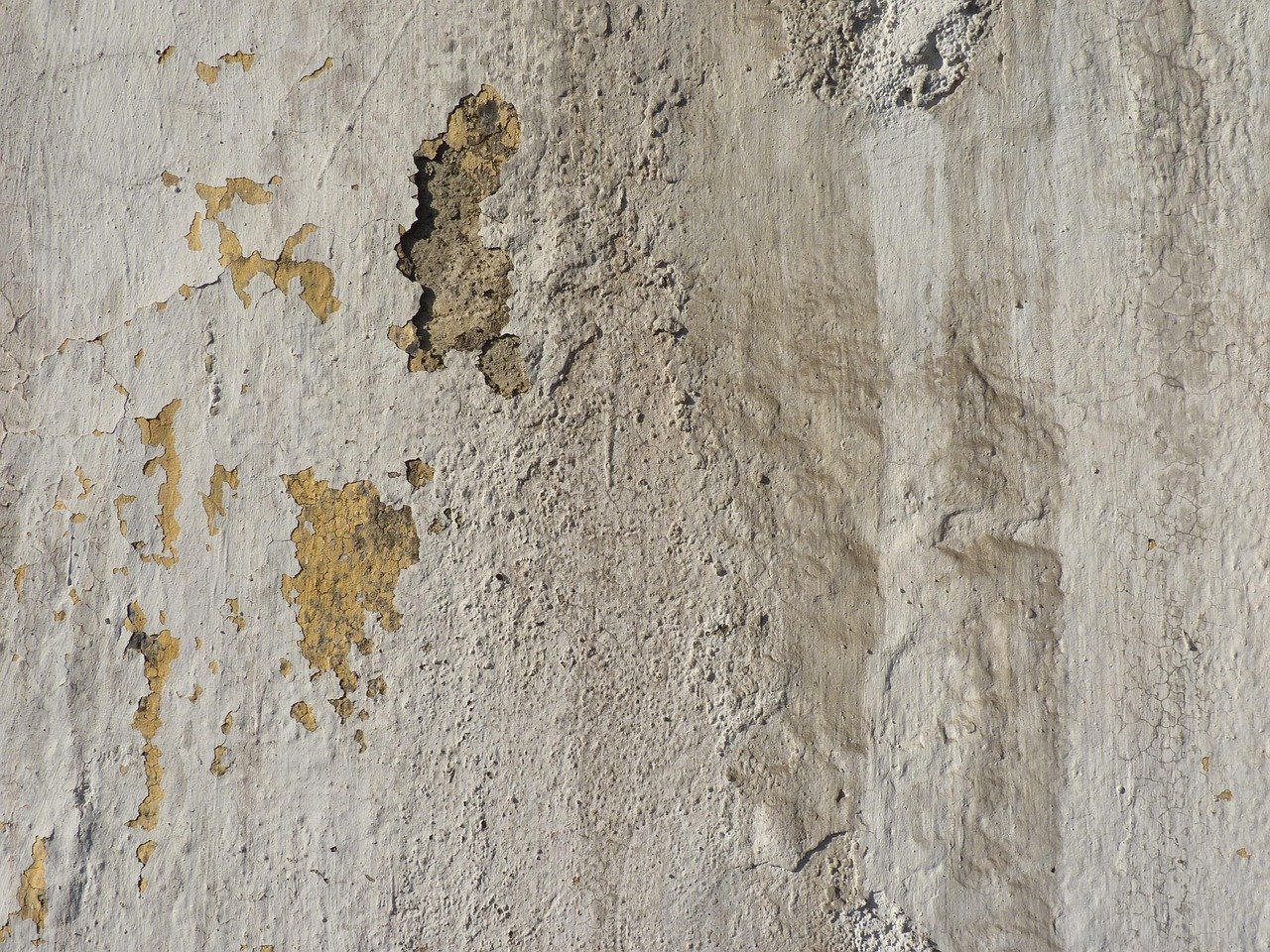
Venetian plaster, another ancient technique layered thin and burnished to a soft polish, has moved from formal, high-gloss applications into a much more relaxed, matte version this year. Instead of the mirror-like shine it was known for in past decades, 2026’s version leans into visible trowel marks, cloudy variation and a more matte, stone-like finish that reads closer to raw concrete or aged limestone than to polished marble.
That same appetite for imperfection has fueled interest in exposed or “raw” plaster walls, where a skim coat is left intentionally unpainted, showing every trowel pass and slight color shift in the material itself. It’s the same instinct behind exposed brick a decade ago — letting a structural or utilitarian material be the finished surface instead of covering it up. In a design landscape that’s been leaning toward personal, story-driven spaces over anything that looks staged, a wall with visible hand-applied texture does a lot of that storytelling on its own.
How to Get the Look Without Hiring a Plasterer
The good news is that limewash is genuinely DIY-friendly, even for a first-timer. Ready-mixed limewash and mineral paint products are widely available now, and the technique is forgiving of small mistakes since brush marks and blotchiness are part of the intended look rather than something to sand out. A large natural-bristle or masonry brush, applied in loose, overlapping X-shaped strokes rather than smooth rolled coats, is typically all it takes to get an authentic-looking result on a feature wall, over a fireplace, or in a small powder room where the softer light hides any unevenness.
Tadelakt and true Venetian plaster are a different story. Both require specific tools, curing conditions and burnishing techniques that take real practice to get right, and a failed attempt on a bathroom wall is far more expensive to fix than a bad paint job. For those finishes, most designers still recommend hiring a plasterer experienced specifically in that technique, then treating the wall as a long-term investment rather than a weekend refresh. A limewashed accent wall, on the other hand, is one of the lowest-risk ways to test whether the whole textured-wall look is right for a home before committing to anything more permanent.
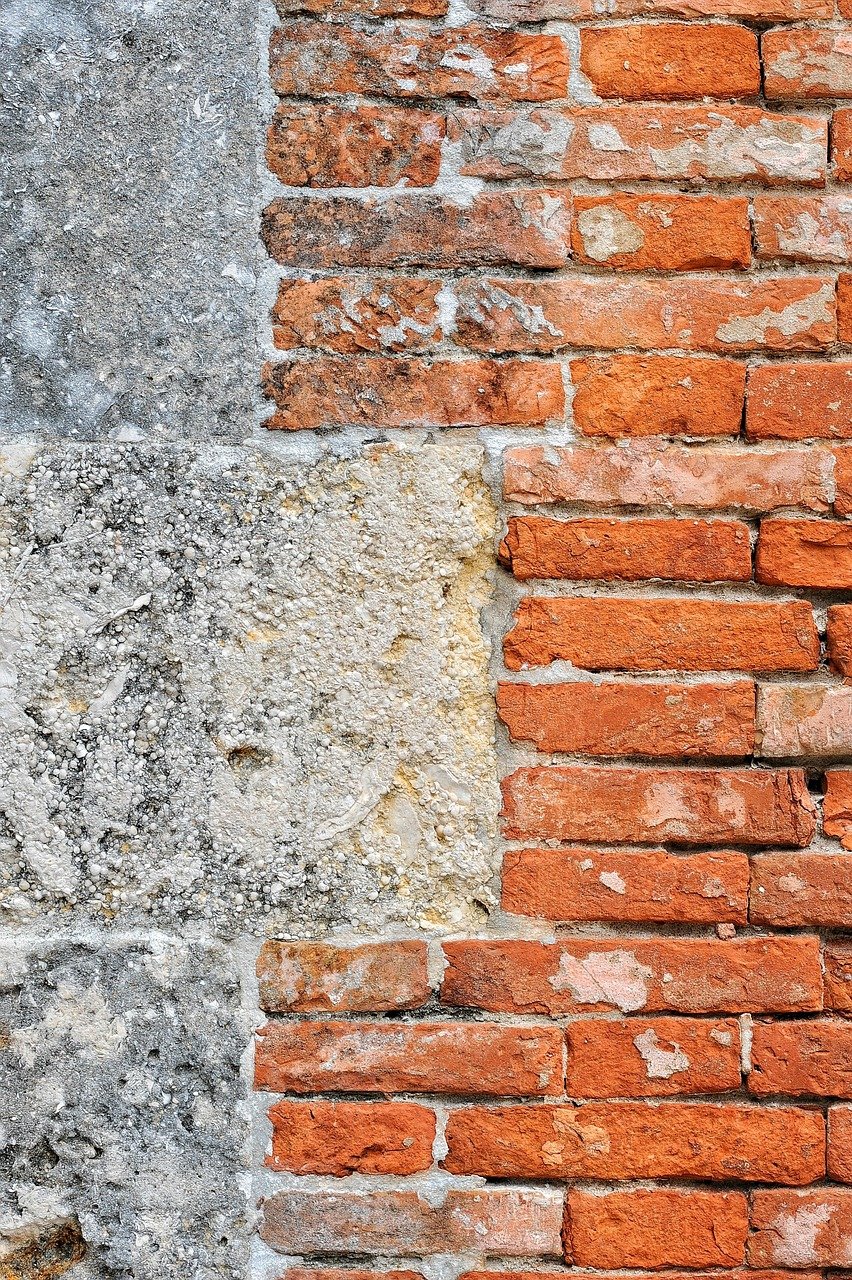
What ties limewash, tadelakt, terracotta and raw plaster together isn’t a single color or technique — it’s a shared rejection of the flat, uniform wall that’s dominated homes for years. Whether it shows up as a $40 can of limewash on a powder room wall or a professionally burnished tadelakt shower, the goal is the same: a surface that looks handmade, changes with the light, and doesn’t look like it came out of the same five paint colors as everyone else’s house.