Last spring I finally gutted my tiny primary bathroom, and every mood board I pinned during demo used the word “wellness room” — usually next to a photo of a walk-in sauna and a cold plunge tub that cost more than my car. I don’t have the square footage or the budget for either, and for a while that made me feel like I was doing the wellness trend wrong. Then I started reading what designers are actually building into 2026 homes, and it turns out the biggest shift isn’t a sauna at all — it’s something quieter. Designers are calling it “invisible wellness”: health-minded choices about light, air, sound, and scent that live inside the walls and fixtures you already have, instead of a single spa-labeled room. I ended up spending a weekend and a few strategic online orders instead of a contractor’s deposit, and since a handful of the picks below are ones I tracked down and bought myself, I’ll say upfront that as an Amazon Associate, Every Corner earns from qualifying purchases made through the Amazon links below, at no extra cost to you. Here’s what the research — and my own bathroom — taught me about faking a five-star wellness suite with what fits in a linen closet.
What “Invisible Wellness” Actually Means in 2026
For the past few years, “wellness at home” mostly meant a dedicated room: a home gym, a meditation nook, maybe a steam shower if you were renovating anyway. Designer Jennifer Worts describes the 2026 shift as “an evolution of the atmosphere that houses them,” where health-minded design stops being confined to one labeled space and instead becomes part of “a circadian-optimized sanctuary” running through the whole house. Grant Kirkpatrick of KAA Design Group puts it similarly, noting that “older ideas of living well — walking paths, bathing rituals, connection to landscape” are being reinterpreted for modern homes that are “designed to regulate light, air, acoustics, and temperature naturally.” Architect Arancha Gonzalez Bernardo, cofounder of the firm Odami, sums up the underlying attitude bluntly: “Wellness is no longer an extra room; it has become a main consideration.”
In practice, that means the trend isn’t asking you to build anything new — it’s asking you to notice things you probably haven’t thought about since you moved in. What color is your overhead light at 9 p.m.? What’s actually in the air in your bedroom? Does your bathroom bounce sound like a locker room? Those are the questions invisible wellness design answers, and almost none of the fixes require a permit.
Let Your Lighting Set the Rhythm First
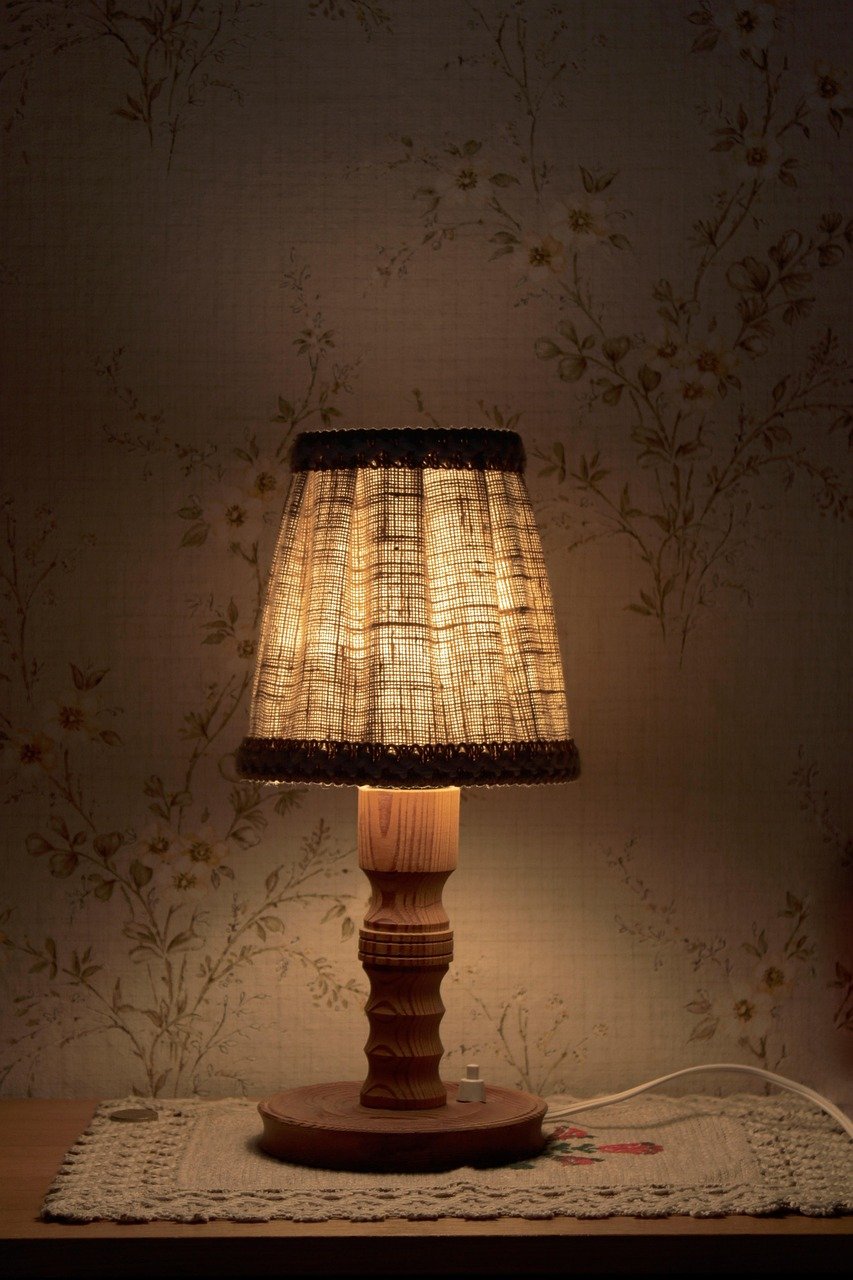
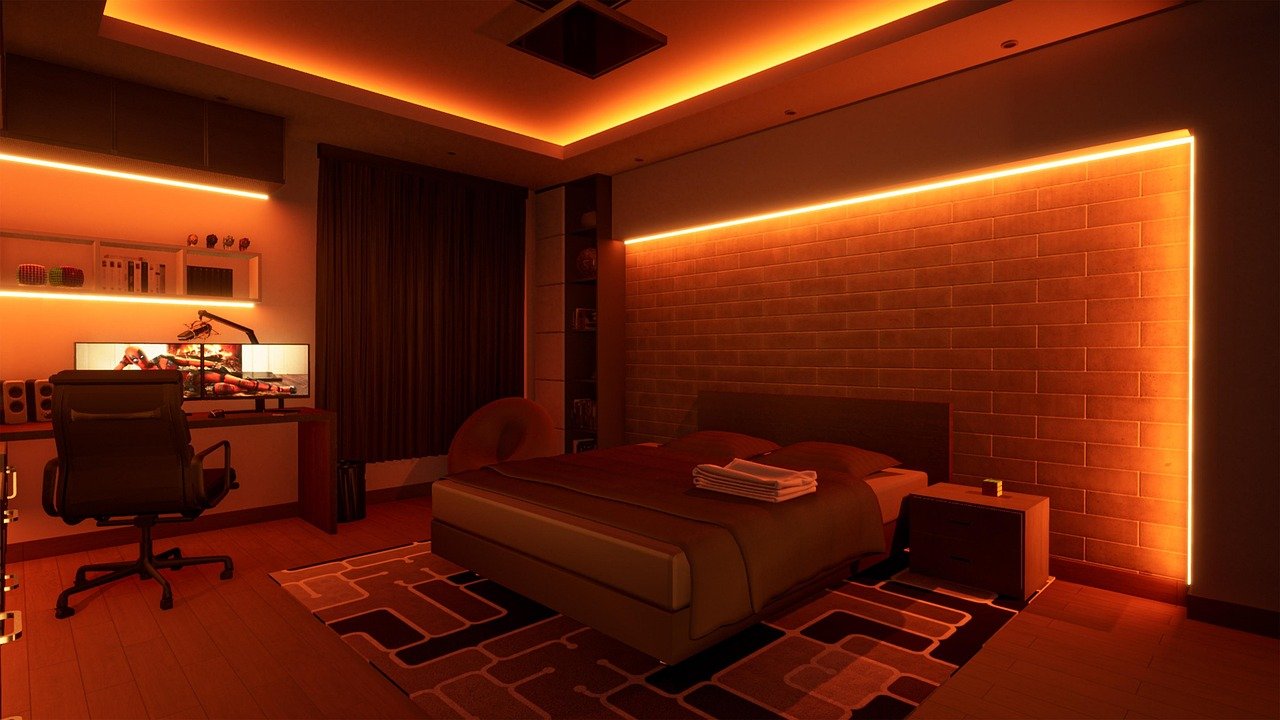
Of everything designers mentioned, lighting came up the most. Worts advocates for fixtures that “gently usher us into the day” rather than blasting a flat, cool-white glow the second you flip a switch, while designer Karen Wolf of K+Co Living describes tuning a home’s light to be “bright and energizing in the morning, warmer and more calming as the day winds down.” That’s essentially circadian lighting: color temperature that shifts through the day the way sunlight naturally does, instead of staying locked on one setting from 7 a.m. to midnight.
Why this matters: most of us light our homes for tasks, not for our sleep cycles, and a single cool-white bulb running all evening can quietly work against your body’s wind-down signals. You don’t need to rewire anything to fix this — a tunable smart bulb that shifts from warm amber in the evening to brighter, cooler light in the morning does the job in the fixtures you already own, and a proper sunrise alarm clock can replace a jarring beep with a slow, warming glow that mimics dawn. If you’re curious where to start, tunable circadian smart bulbs are an easy first swap, and a dawn-simulator sunrise alarm clock is the single change I noticed the most from, once I stopped waking up to a phone screen.
Clean the Air Before You Decorate It
Air quality is the part of invisible wellness you can’t see at all, which is exactly why designer Kathryn Hunt calls it “the next wellness frontier,” pointing to growing interest in materials — even things like bio-reactive concrete — that actively improve indoor air rather than just avoiding harmful off-gassing. Designer Lisa Galano approaches the same problem from the paint can, recommending mineral-based, nontoxic paint formulations for walls that don’t slowly leach volatile organic compounds into a room long after the “new paint smell” fades.
Why this matters: indoor air is often more polluted than outdoor air, thanks to synthetic finishes, off-gassing furniture, and rooms that don’t get enough airflow — and it’s an easy category to ignore because there’s no visual cue that anything’s wrong. Two low-effort fixes cover most of it: repainting with a low-VOC or zero-VOC formula next time a wall needs a refresh, and running an actual HEPA air purifier in whichever room you spend the most stationary time in, usually the bedroom. Look for low-VOC or zero-VOC paint the next time you’re covering a wall, and if you want a device that’s doing something while you sleep, a true HEPA air purifier sized for your bedroom is worth the counter space.
Turn Down the Volume: Acoustic Softness
Sound is the sense most home design ignores completely, and it’s a running theme in how designers describe their 2026 wellness projects. Worts specifically calls out acoustic plaster with a soft, earthy finish and even leather-wrapped gym equipment as ways to dampen the mechanical hum and hard-surface echo that make a home feel more stressful than it needs to. Kirkpatrick’s point about homes “designed to regulate light, air, acoustics, and temperature naturally” applies just as much here — a room that bounces every footstep and blender whir off tile and drywall is working against the calm the rest of your decor is trying to create.
Why this matters: hard, minimal surfaces look sleek in photos but behave terribly acoustically, and constant low-level noise is a documented stressor even when you’ve stopped consciously noticing it. You don’t need to plaster a ceiling to get the benefit — soft, sound-absorbing materials in the rooms you actually relax in do most of the work. A set of upholstered fabric acoustic wall panels can double as art in a bedroom or home office, and layering in a thick area rug and heavier curtains in your main living space cuts reverb more than most people expect from soft goods alone.
Layer In Scent, Deliberately
Karen Wolf’s contribution to the invisible wellness conversation is a concept she calls “scent stacking” — building a home’s fragrance in intentional layers rather than relying on one diffuser to do everything, so a space smells considered rather than like it’s masking something. It’s a small idea, but it maps onto how hotels and spas have always worked: a signature scent near the entry, something calmer in the bedroom, something brighter near a bathroom or kitchen.
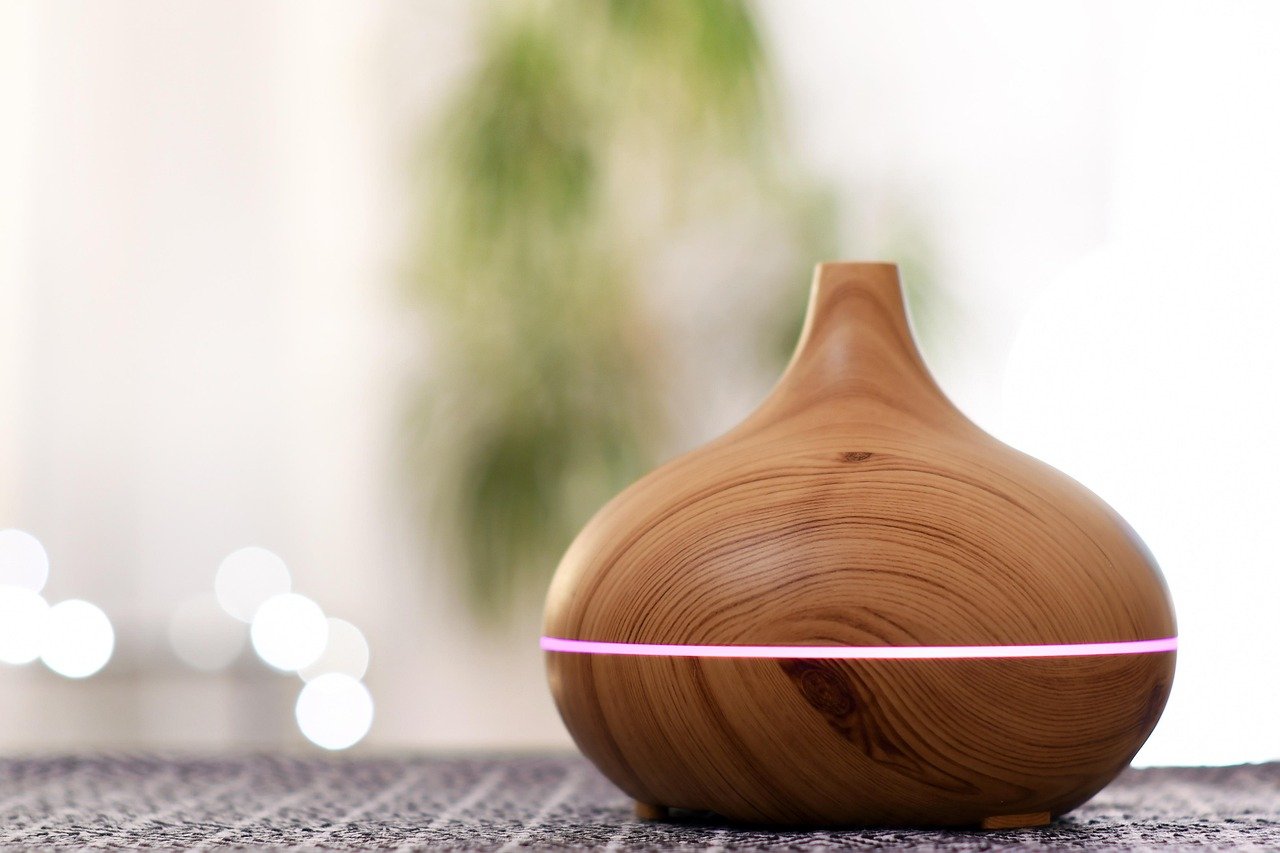
Why this matters: scent is one of the fastest ways to change how a room feels, and it’s also one of the cheapest to experiment with compared to lighting or paint. Rather than one diffuser doing double duty for the whole house, try designating different notes to different rooms — something warm and woody where you unwind, something cleaner and brighter near the entry. A simple ultrasonic essential oil diffuser in a bathroom or bedroom is an easy place to start stacking scent the way Wolf describes, without committing to a whole-home fragrance system.
You Don’t Need a Sauna to Borrow the Feeling
None of this dismisses the bigger installations — designers agree those are part of the trend too. Ali McQuaid Mitchell, creative director at Future Studio, says clients now regularly ask for cold plunges, saunas, breathwork zones, and phone-free rooms, explaining that “clients aren’t just asking for homes that look good; they want homes that feel good.” Veteran designer Clodagh notes that homeowners increasingly expect hotel-quality amenities like saunas and steam rooms built right into a house. That’s a real, well-documented part of 2026 design — but it’s also genuinely out of reach for most renovation budgets.
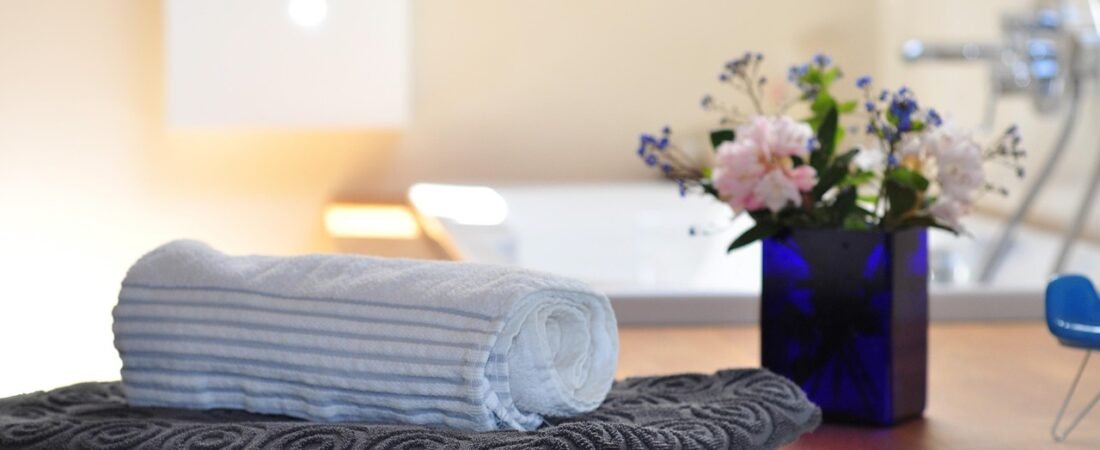
Why this matters: the spa-caliber installations get the headlines, but the designers describing “invisible wellness” are explicit that the bigger shift is philosophical — treating the whole home as a wellness tool, not just one room. A heated towel rack turns an ordinary bathroom into something closer to a spa locker room every single morning, and it’s a fraction of the cost and disruption of a steam room build-out. If a full renovation isn’t in the cards this year, a wall-mounted heated towel rack is the closest thing I found to borrowing that hotel-spa feeling without touching plumbing.
I never did get my sauna, and honestly, I’ve stopped feeling like that’s the point. What actually changed how my bathroom and bedroom feel this year wasn’t one big installation — it was swapping a light bulb, running an air purifier I actually remember to turn on, hanging a rug that absorbs sound instead of bouncing it, and picking one scent for one room instead of letting everything smell like nothing in particular. That’s the real story behind invisible wellness as a 2026 trend: it was never really about the sauna, it’s about treating every ordinary room in your house like it’s allowed to make you feel better, one small, mostly unglamorous decision at a time.