The Lego brick under my heel at 6 a.m. is what finally did it. Not the toy bins spilling out of the closet, not the art supplies mixed in with the dolls — the actual physical pain of a stray brick was the moment I admitted the playroom “system” we’d been using (one giant toy box, dump everything in) had never really been a system at all. As an Amazon Associate, I earn from qualifying purchases, and in the process of rebuilding this room from scratch I ended up buying a few things that made the difference between a playroom my kids could reset themselves and one only I could ever put back together.
1. Start With a Real Toy Edit, Not a Bigger Bin
Before any bin, shelf, or label goes into a playroom, something has to leave it. Professional organizer Alison Moulder of Simplicity and Style, who documented a five-hour playroom overhaul for Apartment Therapy, put it simply: “The hardest part of any project is the edit.” Most families try to solve playroom chaos by buying more storage first, which just means the same overwhelming volume of toys gets spread across more containers instead of actually reduced. The edit is the unglamorous step that makes every other step in this list work — donate what’s outgrown, toss what’s broken, and only then figure out where the rest goes.
A set of clear, stackable bins makes the edit itself easier, because you can actually see what you’re sorting instead of digging through an opaque toy chest: clear stackable storage bins with lids.
2. Zone by Activity, Not by Toy Type
Once the edit is done, the next mistake is organizing by category alone (all cars here, all dolls there) without thinking about how the room is actually used. Vicky Silverthorn, a professional organizer known as You Need a Vicky, told Homes & Gardens: “If your system is too complicated, or has too many steps, kids (and adults!) won’t stick to it.” Grouping toys into a small number of activity zones — building, pretend play, art, and reading — gives kids a mental map of the room instead of a wall of identical bins. Moulder’s own playroom project used exactly this approach, splitting the space into four zones: toys, art supplies, games and puzzles, and a reading corner.
Low, open cube shelving lets each zone stay visually separate while staying within reach of even a toddler: kids’ cube storage organizer shelf.
3. Make Labels a Child Can Actually Read
Labels only work if a pre-reader can use them without an adult translating. Professional organizer Julie Onstot of Sort Well Organizing Co. recommends keeping categories broad rather than hyper-specific: “Stick to generic categories, such as ‘vehicles’, rather than ‘fire engines’, ‘police cars’ etc.” That single shift — fewer, broader categories — is often what separates a labeling system a five-year-old maintains from one that quietly falls apart within a week. Picture labels do the rest of the work for kids who aren’t reading fluently yet, pairing a simple photo or icon with the word.
A picture-and-word label set (or a small label maker with icon templates) turns any bin into something a child can put away without help: picture labels for kids storage bins.
4. Give Art Supplies Their Own Rolling Station
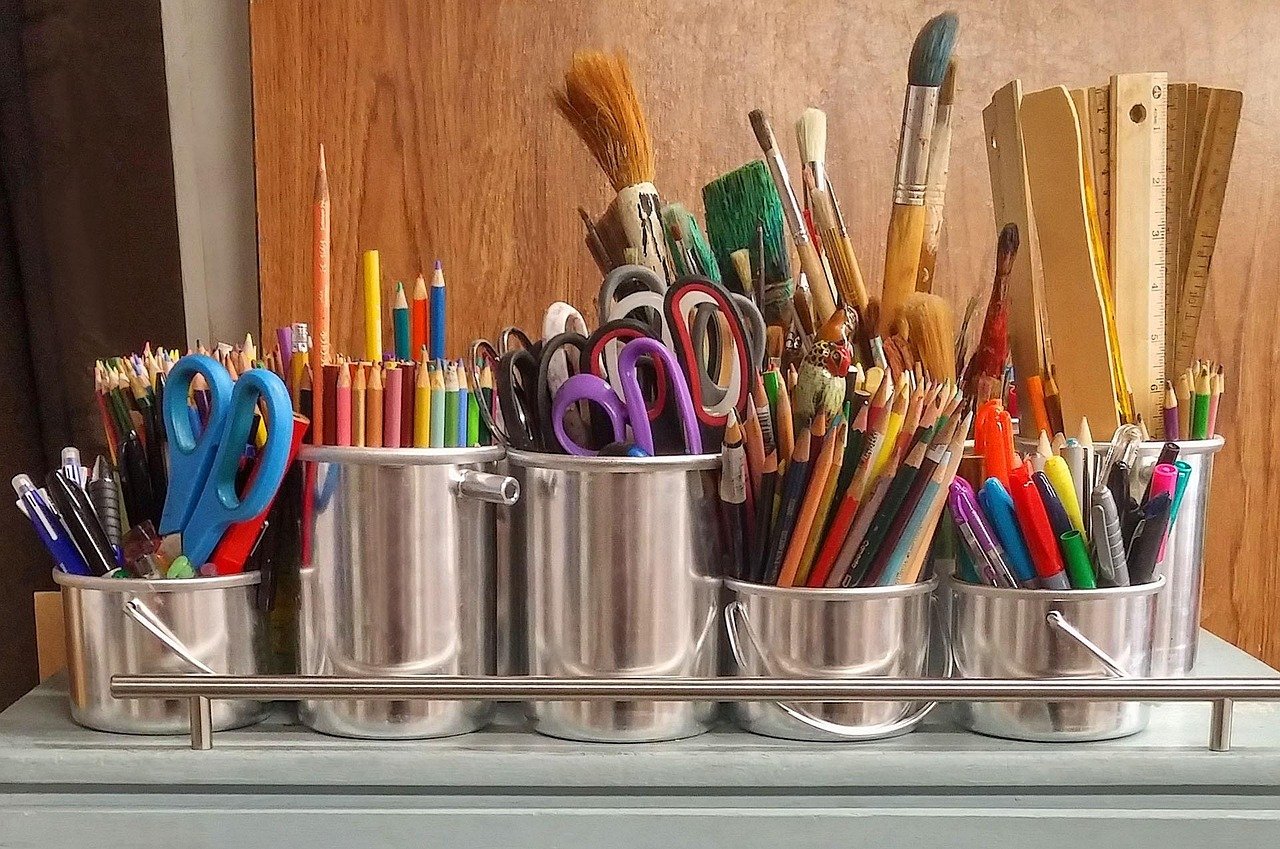
Art supplies are the category most likely to migrate onto every surface in a house — markers on the kitchen table, glitter on the living room floor — because they rarely have one fixed home. A rolling cart solves that by making the entire art zone portable: it lives in the playroom by default, but it can roll to the kitchen table for a project and roll right back when the mess needs to disappear before dinner. It’s the exact fix Moulder’s project used, sorting art supplies onto a tiered metal utility cart instead of leaving them loose in a drawer.
A three-tier rolling utility cart keeps markers, paper, and glue corralled and mobile: 3-tier rolling utility cart for art supplies.
5. Build a Front-Facing Reading Corner
Bookshelves with spines facing out are efficient for adults and nearly invisible to young kids, who recognize books by their cover art long before they can read titles. Homes & Gardens’ round-up of playroom organizing tips specifically calls out front-facing shelving paired with a soft, dedicated seating spot as one of the most effective ways to get young kids actually choosing books instead of ignoring a shelf entirely. It doesn’t need to be elaborate — a low ledge shelf and a floor cushion accomplish the same goal as a built-in reading nook.
A wall-mounted front-facing bookshelf turns even a narrow stretch of wall into a browsable little library: front-facing bookshelf for kids.

6. Contain the Loose-Piece Chaos With a Build-and-Stow Mat
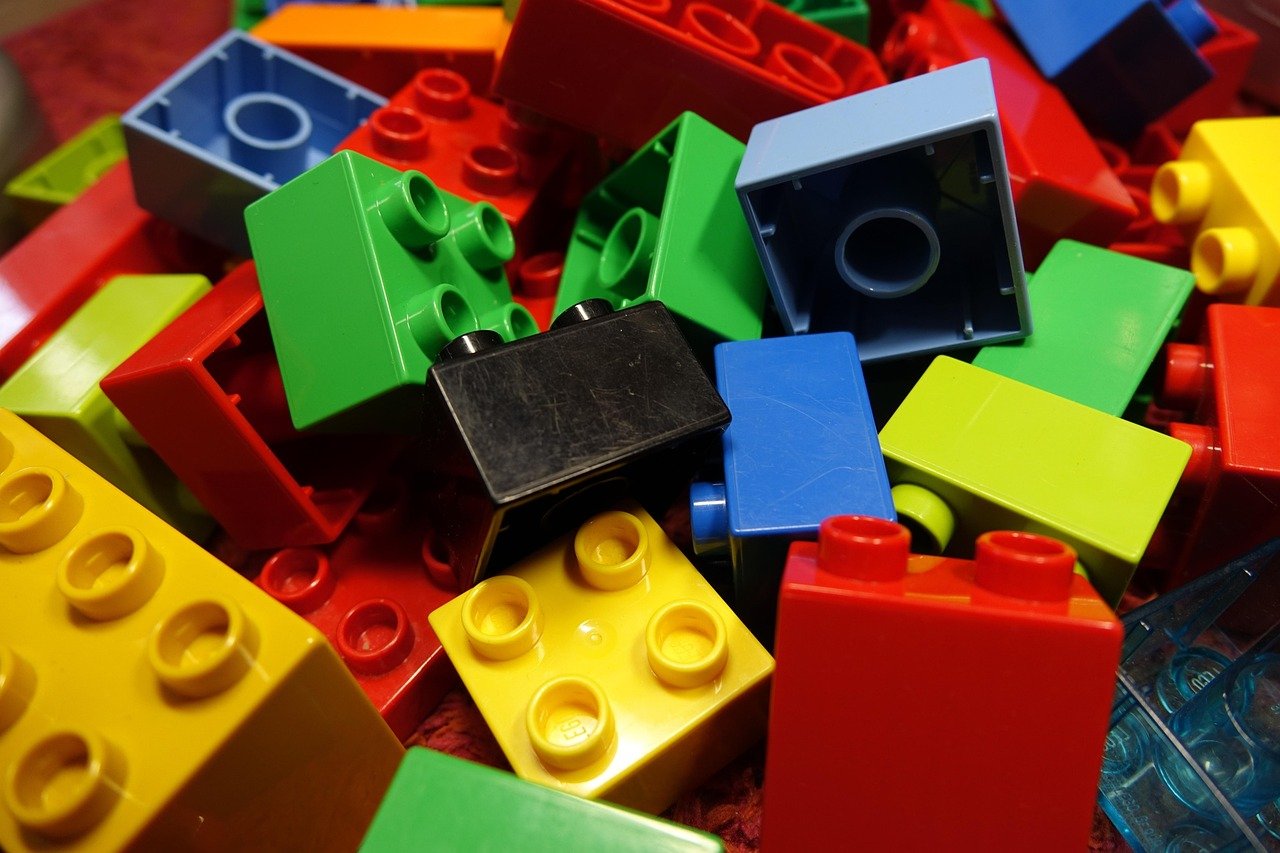
Small building pieces are the single biggest source of both mess and household injury in a playroom, and a bin alone doesn’t fix that — kids dump the pieces onto the floor to build, and the floor is where they stay. A play mat that doubles as a drawstring storage bag changes the physics of the problem: building happens directly on the mat, and cleanup is one motion, cinching the cord and lifting the whole project (loose pieces included) off the floor in seconds.
A round drawstring building-brick mat is built specifically for this — sturdy enough to build on, portable enough to store: building block storage bag play mat.
7. Rotate the Overflow Out of the Room Entirely
Even after a real edit, most families own more toys than any single room can display well — and a shelf crammed with every toy a child owns is, paradoxically, harder for kids to actually engage with than one showing a curated third of it. Sian Pelleschi, conference director of the Association of Professional Declutterers and Organisers, told Homes & Gardens: “The phrase ‘out of sight, out of mind’ applies; if children can see what’s in a box they’re more likely to play with it.” A rotation system — a portion of toys stored elsewhere and swapped in every few weeks — keeps what’s on display genuinely visible and wanted, rather than background noise a child has stopped seeing.
Labeled, lidded bins built for closet or under-bed storage make the “off-duty” rotation stock easy to swap in and out without a full reorganization each time: labeled storage bins for closet toy rotation.
The Zone System, Not the Toy Box, Is What Sticks
None of these seven pieces work in isolation — the edit is what makes the zones meaningful, the zones are what make the labels legible, and the rotation is what keeps the whole room from filling back up within a month. What finally got our own playroom under control wasn’t a single product; it was accepting that a five-year-old can absolutely put away “vehicles” in a labeled bin on a low shelf, but can’t be expected to sort a mountain of undifferentiated toys back into one overstuffed chest. Scandiborn founder Grace Tindall’s advice is worth carrying into every step of this: when making any changes to a playroom, be sure to involve your child in the process so they feel like the space is their own. Build the zones with them, not just for them, and the system has a real chance of surviving past the first weekend.