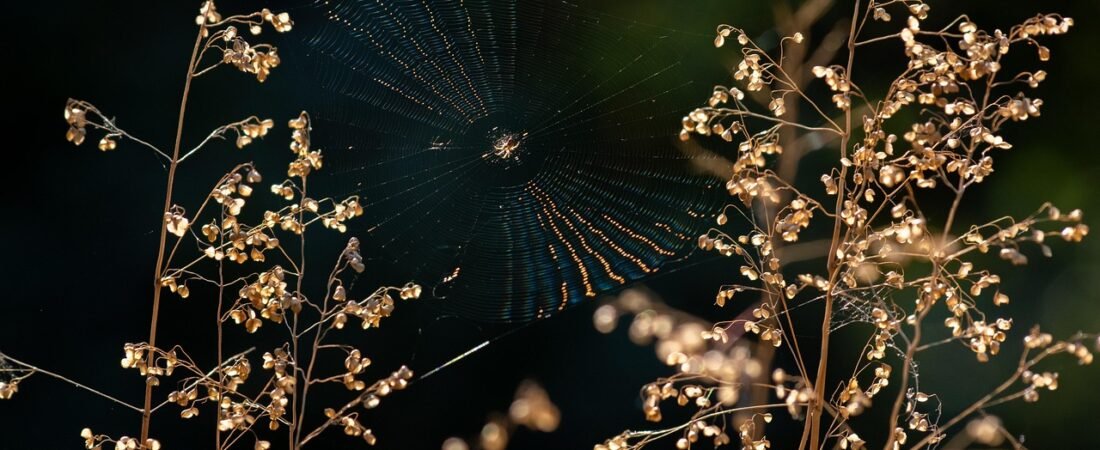
On September 7, 2026, a driver on James White Parkway in Knoxville, Tennessee, spotted a spider the size of her palm anchored in a web strung between two trees along the roadside. She was not alone. Over the past few weeks, golden webs the width of a car door have shown up on the University of Tennessee’s Hill, at the Knoxville Botanical Garden and Arboretum, and in ordinary backyards from Bearden to West Hills. This is the Joro spider’s season, and if you garden anywhere from Georgia to Maryland, you have probably already met one, or you’re about to. This article contains a few product links to help you handle the season without panic; as an Amazon Associate, I earn from qualifying purchases.
Why Joro Spiders Are Suddenly Everywhere in Gardens
Every late summer, the Joro spider (Trichonephila clavata) reaches full adult size right around the time most gardens are at their fullest, which is exactly why it feels like an invasion. The species, native to East Asia and first documented in the United States in Georgia in 2014, spends spring and early summer as a nearly invisible speck. By August and September, females balloon into palm-sized adults with black-and-yellow banded legs and vivid yellow, gray, and blue-black bodies, and they spin the enormous, gold-tinted webs that have become a late-summer fixture across the Southeast. In Tennessee alone, citizen scientists have logged 1,294 sightings on iNaturalist this year, with 1,241 already confirmed. Nationally, the volunteer tracking project Joro Watch logged an 835 percent jump in reports in a single recent year, gathering more than 3,600 verified records across 112 counties.
How Far Have They Spread in 2026?
The map keeps growing. Established populations are now documented in Alabama, Florida, Georgia, Kentucky, Mississippi, North Carolina, South Carolina, Tennessee, Virginia, West Virginia, Ohio, and Maryland, with a long-standing satellite population near Baltimore and newer reports as far north as Massachusetts. Smithsonian entomologist Floyd Shockley, who has tracked the species’ northward creep for years, doesn’t think the expansion is done. “They’re very cold-tolerant, so there’s every expectation that, barring some major catastrophic event, they will eventually make their way even further north into New Jersey, New York, and maybe even further than that,” he has said. Shockley also points to a trait that matters for gardeners specifically: Joros are relentless competitors for web real estate. “The real ecological impacts of Joros come from the fact that they’re incredibly good at outcompeting native spiders in our area,” he notes, which is one reason you may see fewer of the smaller garden spiders you’re used to this year.
Are They Actually Dangerous? What Entomologists Say
Here is the part that should calm most gardeners down: Joro spiders are not aggressive, their fangs rarely break human skin, and on the rare occasion a bite does happen, extension entomologists describe the reaction as roughly comparable to a mosquito bite. University of Tennessee entomologist Karen Vail, who has fielded a wave of questions about the spiders this season, points out that even the alarming “flying spider” headlines describe a stage most people never actually witness up close. The dispersal method, called ballooning, happens when spiderlings release silk that catches the wind. “Ballooning spiderlings are only about the size of a sesame seed,” Vail says, which is a far cry from the four-inch adults photographed on porches in September. Shockley agrees the bark is worse than the bite: “This will be the largest garden spider anybody’s ever seen if they come across it,” he says, “but that size is really the main thing people should expect to be surprised by.”
Why Some Gardeners Are Learning to Love Them
A growing number of extension experts are actively discouraging people from killing Joros on sight, and the reasoning is practical, not just sentimental. Joro webs catch mosquitoes, flies, and, notably, brown marmorated stink bugs, an agricultural pest that damages tomatoes, peppers, and fruit trees. In parts of the Southeast, Joros have also been observed catching spotted lanternflies, another invasive species that gardeners actively want fewer of. Caitlin Jones, a University of Tennessee graduate student who studies the species, has made a point of asking the public to hold off on the broom. “We just want to kind of discourage people from killing them anytime they see them,” Jones says, adding that native orb-weavers are frequently misidentified as Joros and killed by mistake. If you’re trying to tell the two apart, a Joro’s underside shows a distinctive red-marked abdomen and the legs carry bold black-and-yellow bands, while most native garden spiders are smaller and duller in color. A basic insect field guide or a pocket magnifying glass makes quick identification much easier before you decide whether a web needs to move.
How to Garden Alongside Joro Spiders This Fall
You don’t have to share your favorite tomato trellis with a four-inch spider if you’d rather not, and there are ways to manage where they set up without resorting to pesticides the species barely notices anyway. Joros are stubborn about location once they’ve committed to a web, so the easiest fix is prevention: knock down a freshly started web with a broom or a long-handled duster before it’s finished, and the spider will typically relocate somewhere less inconvenient rather than rebuild in the same spot. A telescoping garden duster keeps you at a comfortable distance while you clear webs from doorways, mailboxes, and the entrances to raised beds. If you’re working around dense shrubs or spending extended time in web-heavy areas of the yard, sturdy gardening gloves and a wide-brimmed hat make the whole process less unnerving, even though an actual bite is unlikely. Leave webs that are tucked well away from foot traffic; over a single season, one spider can remove a meaningful number of biting insects from your immediate garden airspace.
What to Do If You Spot One
Rather than reaching for a shoe, extension offices across the Southeast are asking gardeners to snap a photo and report it. Sightings logged on iNaturalist or through jorowatch.org feed directly into the population data researchers are using to track the spread and understand how far north the species will ultimately settle. Inside national park boundaries, including the Great Smoky Mountains, disturbing wildlife is prohibited, so photograph and report rather than relocate. Everywhere else, if a web is somewhere genuinely inconvenient, a stick or broom used to gently redirect the spider elsewhere in the yard is the recommended approach over spraying or squashing. By late November, the adults will have laid their egg sacs, each containing more than a thousand eggs tucked into silk against a tree trunk or porch railing, and the current generation of visible adults will die off with the first hard frost, leaving next year’s population dormant until spring.
A Season to Watch, Not Fear
My own introduction to Joro spiders came the same way most people’s does: walking face-first into a web I hadn’t noticed while reaching for a hose reel. The instinct to swat first is understandable, but the more interesting response, and the one more entomologists are now recommending, is curiosity. A garden that hosts a Joro or two this September isn’t broken; it’s hosting a genuinely new chapter in North American backyard ecology, one that arrived by accident and is still being written in real time by the sightings gardeners like you report. Grab your phone before you grab a broom, and you’ll have contributed more to understanding this spider than most of the people currently panicking about it online.