Every year there’s a new backyard villain making headlines, and in 2026 it isn’t a spider or a beetle — it’s a flatworm. As an Amazon Associate, I earn from qualifying purchases, and a few low-cost tools below can make dealing with this one a lot less unsettling. Extension offices from Tennessee to Connecticut to Missouri have fielded a wave of calls this summer about hammerhead worms, a foot-long, toxic, earthworm-eating invader that seems to be popping up in more gardens, mulch beds, and greenhouses than ever before. If you’ve noticed a strange, ribbon-like creature with a shovel-shaped head gliding across your patio after a rainstorm, you’re not imagining things, and you’re not alone.
What Exactly Is a Hammerhead Worm?
Hammerhead worms (genus Bipalium and related species) are land flatworms native to Southeast Asia, easily identified by the distinctive fan- or hammer-shaped head that gives them their name. They can grow anywhere from a few inches to over a foot long, are usually tan, olive, or grayish with a dark stripe running down the back, and move with a slow, gliding motion that’s very different from the wriggling of a common earthworm. Unlike earthworms, they leave a slimy mucus trail and tend to come out at night or after heavy rain, which is exactly the kind of weather much of the country has seen through late summer 2026.
Why They’re Suddenly Everywhere This Year
Hammerhead worms aren’t new to North America — researchers say they likely arrived decades ago hidden in the soil of imported potted plants and nursery stock, then spread further as that stock, mulch, and topsoil moved around the country. What’s changed is visibility. Theresa Dellinger, an entomologist at Virginia Tech’s Insect Identification Lab, has explained that the worms “probably entered the United States through the horticulture trade, in the soil of potted plants, and spread throughout the country the same way.” In Tennessee, University of Tennessee extension entomologist Midhula Gireesh told a local news station this season that sightings tend to cluster right after wet weather: “After a rainfall, when it’s like a little bit of moist, you can probably see them popping up.” Similar reports have surfaced in Connecticut, where populations appear to be growing, as well as in New York’s Broome County and a Missouri state park near St. Louis — evidence that this is a genuinely nationwide, not regional, story this year.
The Real Damage: They’re Eating Your Earthworms
The bigger concern for gardeners isn’t really about the worms themselves — it’s about what they eat. Hammerhead worms are voracious predators of earthworms, snails, and slugs, and earthworms happen to be one of the most important engines of healthy soil, aerating it and cycling nutrients that plants depend on. Ashley Morgan-Olvera, director of research and education at the Texas Invasive Species Institute, put it plainly: “We don’t want to just let them be and let them take over and remove our earthworms.” A garden bed that loses its earthworm population can become compacted, drain poorly, and struggle to support the same lush growth gardeners are used to, which is why this particular invasive species matters more to your beds than it might first appear.
Are Hammerhead Worms Dangerous to Pets and People?
Here’s the part that’s driven a lot of the recent headlines: some hammerhead worm species secrete tetrodotoxin, the same potent neurotoxin found in pufferfish, as part of their mucus. University of Maryland entomologist Michael Raupp has described them as “creepy, slithering, predatory flatworms” that carry a “potent, paralyzing tetrodotoxin, the same lethal toxin found in puffer fish.” That sounds alarming, but experts are quick to add context. Dellinger notes that “the likelihood of hammerhead worms harming people or animals is low and would require getting the mucus in the mouth or eyes,” and recommends contacting a veterinarian if a pet licks or eats one and develops symptoms. SUNY Cortland professor Peter Ducey agrees the risk to humans is limited, saying “by itself, just touching one shouldn’t be a deadly thing,” while still advising a healthy dose of caution: “In general, they’re not an animal that should be feared that much, but they just should be respected.”
How to Remove Them Safely (Without Making More Worms)
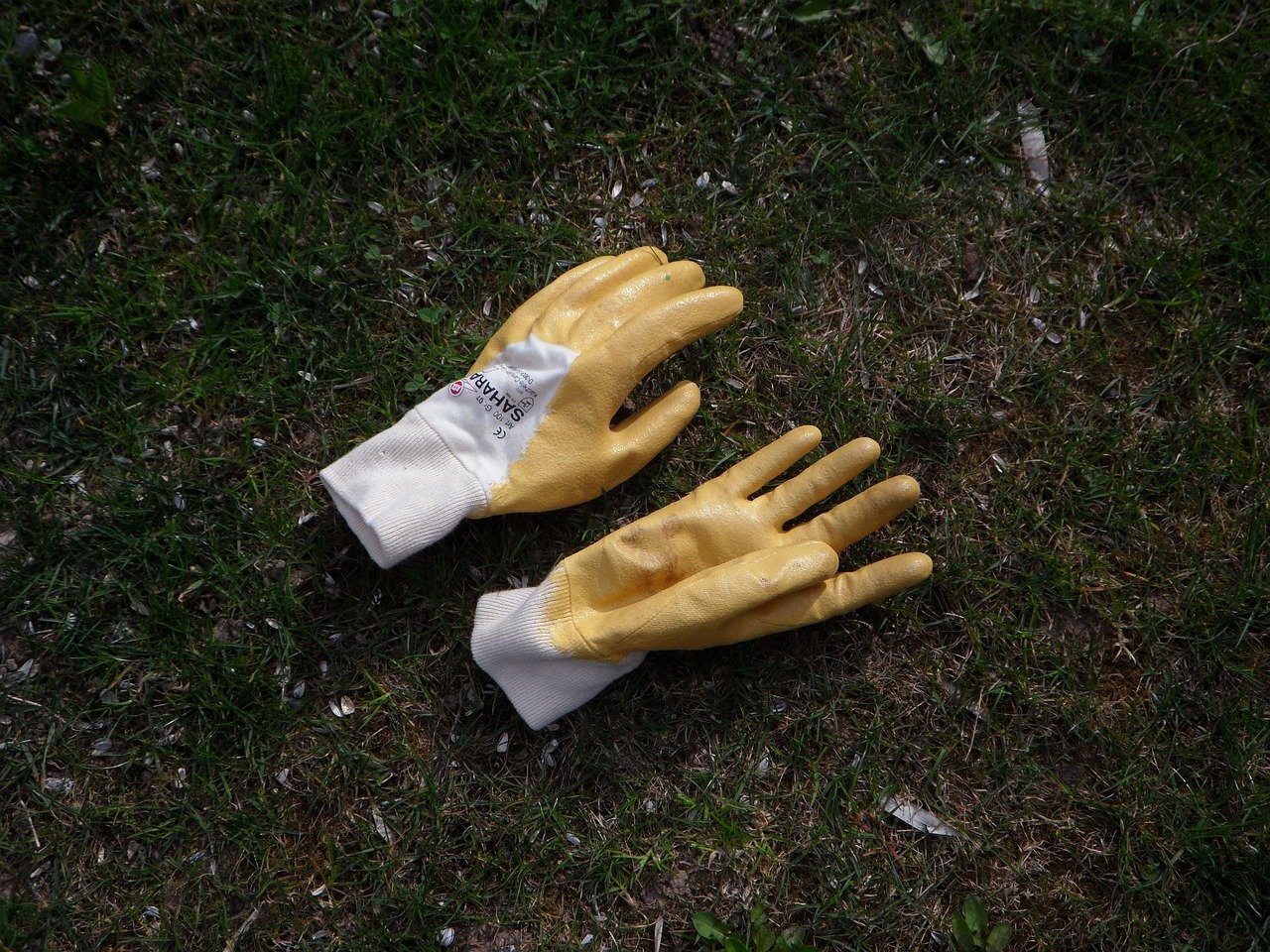
The single most important rule with hammerhead worms is this: never cut or chop one in half. Because they can regenerate from fragments, splitting one apart, whether with a shovel, a hoe, or a lawnmower, can leave you with two worms instead of zero. Texas A&M AgriLife Extension notes that a severed piece can regrow into a new worm in roughly ten days. Instead, extension experts recommend handling them without bare skin. Gireesh’s advice is straightforward: “Wear a glove or pick it up with forceps and then put it in a plastic bag. You can add like salt or vinegar to the plastic bag to kill it. Please do not add it into your gardens. It is not good for the plants.” Ducey offers a similar method: seal the worm in a bag with salt, vinegar, or boiling water, or simply zip it into a bag and leave it in direct sun, since the worms are also sensitive to drying out. A pair of sturdy gardening gloves, a set of long forceps or tongs, and heavy-duty resealable bags will cover most of what you need to deal with an encounter without any direct contact. Some gardeners also report success spraying individual worms with a citrus-oil-based insect spray, though experts caution against broadcasting any salt or pesticide across garden beds as a preventative measure, since that can harm soil health and beneficial insects along with the worms.
Protecting Your Garden Going Forward
Because hammerhead worms most often hitch a ride in nursery soil, mulch, and potted plants, a little scrutiny at checkout can go a long way. Inspect the root balls and surrounding soil of new plants before bringing them home, especially after rainy stretches, and consider letting new mulch sit and dry briefly before spreading it if you’ve had sightings nearby. If you do find one in your yard, most state extension offices and invasive species programs — including the National Invasive Species Information Center — welcome reports with a photo and location, which helps researchers track exactly how far this spread has gone in 2026. Checking your beds a day or two after a heavy rain, when the worms tend to be most visible, is currently the easiest way to catch an infestation early.

A Strange Neighbor, Not a Reason to Panic
It’s easy to see a headline about a foot-long, pufferfish-toxin-secreting worm and picture something out of a horror movie, but the reality is closer to an odd, slightly gross houseguest than a genuine threat. Treat any hammerhead worm you find with the same respect you’d give a strange mushroom or an unfamiliar caterpillar: don’t touch it barehanded, don’t chop it up, and don’t panic if your neighbor’s lawn has a few too. With gloves, a bag, and a little vinegar, this is one 2026 garden trend you can handle in under five minutes — and your earthworms will thank you for it.